Source Big Mouth Car Foam Cannon for car wash, engine clean, and wheel clean
Compare 30 Big Mouth Car Foam Cannon options from verified Chinese manufacturers. These units support commercial and automotive beauty shop applications with customizable nozzles and high-pressure cleaning functions for vehicles.
Key considerations
Products List


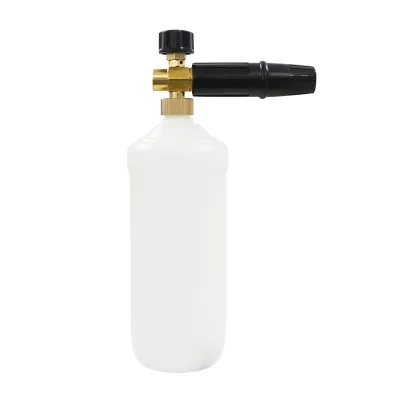
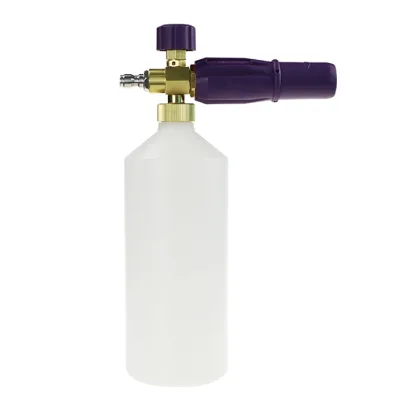
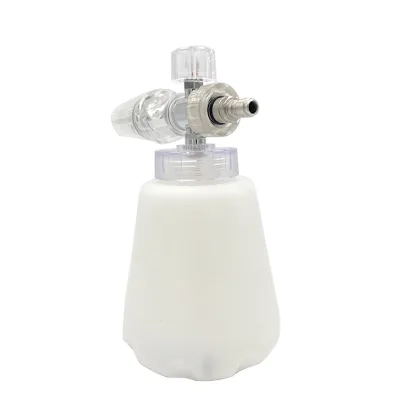
High Quality High Pressure Car Wash Cannon 2L Snow Foam Lance Foam Cannon
$12.69 - $18.79
MOQ: 1 Piece/Pieces


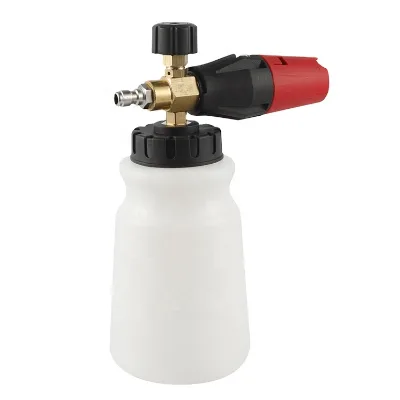
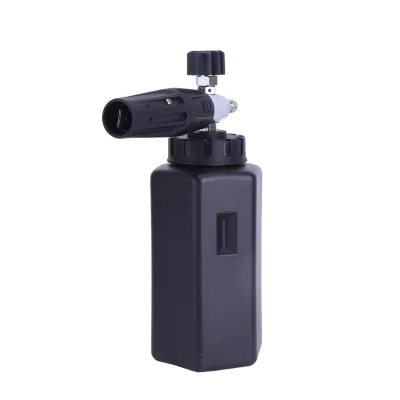
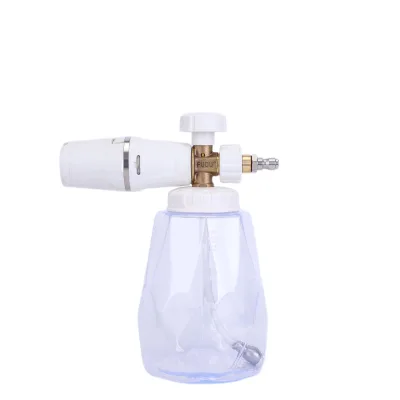


Cannon Fog Gun Fog Cannon 50m Small Fog Cannon
$3672.00 - $3969.00
MOQ: 1 set
Qingdao Century Runde Environmental Protection Equipment Co., Ltd.

Cannon Fog Gun Fog Cannon 30 Small Fog Cannon
$1563.00 - $1813.00
MOQ: 1 set
Qingdao Century Runde Environmental Protection Equipment Co., Ltd.

Heavy-Duty Water Spraying Fog Cannon for Dust Control
$6875.00 - $7375.00
MOQ: 1 Pieces
Qingdao Century Runde Environmental Protection Equipment Co., Ltd.

Fog Cannon Security Nozzle Fog Cannon 60m Fog Cannon
$5156.00 - $5547.00
MOQ: 1 Pieces
Qingdao Century Runde Environmental Protection Equipment Co., Ltd.
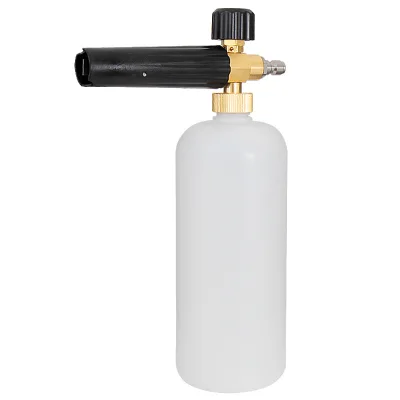



Comprehensive Sourcing Guide
Strategic Sourcing Guide for Big Mouth Car Foam Cannon Equipment
The procurement of specialized automotive cleaning equipment, specifically the Big Mouth Car Foam Cannon, requires a disciplined approach that balances technical performance with supply chain reliability. In the current B2B market, buyers are often presented with a diverse array of options ranging from standard commercial units to highly customized industrial solutions. This guide provides a structured framework for evaluating potential suppliers and products, ensuring that procurement decisions are grounded in verifiable facts and industry standards rather than marketing assertions. The focus remains on identifying equipment that meets rigorous operational requirements for automotive beauty shops, commercial garages, and mobile detailing services.
Technical Specifications and Operational Capabilities
When evaluating a Big Mouth Car Foam Cannon, the primary technical differentiator is the nozzle configuration and flow dynamics. The core mechanism relies on a fan-shaped nozzle design, which is essential for generating the thick, clinging foam required for effective pre-wash cleaning. This specific nozzle type ensures that the cleaning solution covers a broad surface area uniformly, reducing the risk of streaking and allowing the detergent to dwell on the vehicle's surface for optimal dirt breakdown. The operational type of these units is typically movable, offering flexibility for both stationary shop environments and mobile detailing operations where the equipment must be transported between locations.
Capacity and flow rate are critical parameters that dictate the efficiency of the cleaning process. Observed specifications indicate that units may feature a maximum flow rate of 20 liters per minute, a figure that is crucial for maintaining consistent foam density during high-volume cleaning sessions. The physical dimensions of the product also vary; for instance, specific models are documented with dimensions of 19 by 28 centimeters, while others may utilize a 1/4 quick plug interface for rapid connection to pressure washer systems. The capacity of the bottle itself is another variable, with available options ranging from 1 liter to 2 liters, allowing buyers to select a size that matches their specific workflow and chemical consumption rates.
The cleaning process supported by these devices often involves micro high-pressure water cleaning, which is designed to remove dirt and grime deeply without damaging the vehicle's paintwork. The system is engineered to handle various cleaning chemicals, including bases used for general car washes, brake cleaners, engine cleaners, and glass cleaners. This versatility allows a single unit to serve multiple functions, from wheel cleaning to windshield washing, making it a multifunctional asset for automotive beauty shops. The maximum operating temperature for these units is generally observed to be around 60 degrees Celsius, ensuring safety during the use of heated water or hot chemical solutions.
Compliance, Certification, and Safety Standards
In the global B2B market, compliance with international safety and environmental standards is non-negotiable. Buyers must verify that the equipment carries recognized certifications before finalizing any purchase. The supply chain data indicates that products in this category frequently hold CE, CB, ETL, RoHS, and UR certifications. The CE mark signifies conformity with health, safety, and environmental protection standards for products sold within the European Economic Area, while RoHS compliance ensures that the device is free from specific hazardous materials. The ETL and UR marks are particularly relevant for the North American market, indicating that the product has been tested and meets specific safety standards for electrical and mechanical components.
Furthermore, the environmental friendliness of the product is a growing concern for modern procurement teams. Many suppliers now highlight the environmental characteristics of their foam cannons, ensuring that the materials used in construction are sustainable and that the operation minimizes chemical runoff. The standard production process often adheres to OEM (Original Equipment Manufacturer) guidelines, allowing for customization while maintaining strict quality control protocols. Buyers should explicitly request documentation proving these certifications, as the presence of a certification mark on a product listing does not guarantee that every unit in a batch meets the same rigorous standards.
Cost Drivers and Pricing Structures
Understanding the cost structure of big mouth car foam cannons is essential for budgeting and total cost of ownership analysis. The observed price range in the market is extensive, spanning from approximately 0.99 USD to 7375 USD. This wide disparity is not indicative of a single product line but rather reflects the diversity of the market, which includes simple manual attachments, electrically powered units, and fully integrated industrial systems. The price is heavily influenced by the output power, with some units featuring power outputs between 1000 and 1500 watts, which commands a higher price point due to the enhanced performance and durability of the internal components.
Other significant cost drivers include the level of customization available. While standard models are often sold as single items in carton boxes, OEM customization is widely available. This allows buyers to brand the equipment with their own logos or modify the color to match their corporate identity, which can increase the unit cost. The material quality, such as the use of corrosion-resistant metals versus standard plastics, also impacts the price. Additionally, the inclusion of advanced features like specific nozzle types or specialized chemical compatibility can elevate the cost. Buyers must carefully assess whether the premium features justify the higher price tag based on their specific operational needs.
Typical Applications and Sector Usage
The versatility of the Big Mouth Car Foam Cannon makes it suitable for a wide range of applications across different sectors. The primary application is in commercial settings, particularly automotive beauty shops and professional detailing centers. In these environments, the equipment is used for deep cleaning tasks that require the removal of stubborn dirt, grime, and brake dust. The device is specifically designed to handle various cleaning agents, including those for brake cleaning, engine cleaning, and glass cleaning, making it a central tool in a comprehensive vehicle maintenance routine.
Beyond professional shops, these units are also utilized in mobile cleaning services where portability is key. The movable operation type allows technicians to easily transport the equipment to different locations, ensuring that the cleaning process is not limited to a fixed bay. The sector coverage extends from straight-line applications to 60-degree sectors, providing flexibility in how the foam is applied to different vehicle surfaces. Whether for summer or winter cleaning, the equipment is engineered to handle the specific challenges posed by seasonal conditions, such as salt buildup in winter or heavy pollen and dust in summer. The ability to clean various parts of the vehicle, including wheels, windshields, and the engine bay, underscores the comprehensive utility of the Big Mouth Car Foam Cannon.
Supplier Evaluation and Origin Verification
Selecting the right supplier is a critical step in the procurement process. Buyers should prioritize suppliers with a clear geographical origin, as this can influence lead times, shipping costs, and regulatory compliance. The supply data indicates that products originate from specific regions in China, including Henan and Guangdong provinces. These regions are known for their manufacturing capabilities, but buyers should verify the specific factory location to ensure transparency and reliability. The presence of OEM customization options suggests that the supplier is capable of adapting to specific buyer requirements, which is a positive indicator of flexibility and customer service.
When evaluating a supplier, buyers should look for evidence of a robust after-sales service framework. While specific service details may vary, the availability of "other" or comprehensive after-sales support is a key differentiator. The supplier should also demonstrate a commitment to quality through their production standards, such as adhering to the 1PC/Box packing standard or other rigorous packaging protocols. The ability to accept small orders is another factor to consider, as it indicates a supplier's willingness to accommodate buyers with varying order volumes, from single-item purchases to bulk industrial orders.
Quality Control and Long-Term Procurement Considerations
Quality control is paramount when sourcing industrial equipment. Buyers must ensure that the products they purchase meet the stated specifications and certifications. This involves verifying the actual product count, checking the condition of the items (which should be new), and confirming that the gross weight matches the specifications provided. For instance, a single gross weight of 3KG should be consistent across the batch to ensure uniformity. The condition of the product, whether it is new or refurbished, must be clearly stated to avoid any ambiguity.
Long-term procurement considerations include the durability of the equipment and the availability of replacement parts. The use of high-quality materials and adherence to standards like OEM ensure that the equipment will withstand the rigors of daily commercial use. Buyers should also consider the environmental impact of the product, looking for features that make the equipment environmentally friendly. The ability to customize the product, such as selecting specific colors or branding, can also be a long-term value add, helping to maintain a consistent brand image for the buyer's business. By focusing on these factors, buyers can secure a reliable supply of high-performance foam cannons that will serve their operations effectively for years to come.
Comparative Analysis of Product Attributes
To facilitate a clearer understanding of the market landscape, the following table summarizes key attributes observed in the supply chain data. This comparison highlights the diversity of options available and helps buyers identify the specific features that align with their operational requirements.
| Attribute Category | Observed Specification | Relevance to Procurement |
|---|---|---|
| Nozzle Type | Fan-Shaped Nozzle | Critical for foam distribution and coverage. |
| Operation Type | Movable | Essential for mobile detailing and flexible shop layouts. |
| Max Flow Rate | 20L/Min | Determines cleaning speed and chemical efficiency. |
| Bottle Capacity | 1L - 2L | Influences the frequency of refilling during operations. |
| Certifications | CE, RoHS, ETL, CB, UR | Ensures compliance with international safety standards. |
| Origin | Henan, Guangdong, China | Affects shipping logistics and potential tariff implications. |
| Customization | Available (OEM) | Allows for branding and specific functional modifications. |
| Max Temp | 60°C | Defines the thermal limits for safe operation. |
| Application | Commercial, Automotive Beauty Shop | Confirms suitability for professional use cases. |
| Power Output | 1000-1500W | Indicates the energy consumption and cleaning power. |
This structured approach to sourcing ensures that buyers make informed decisions based on verified data. By focusing on technical specifications, compliance, cost drivers, and supplier reliability, procurement teams can mitigate risks and secure high-quality equipment that meets the demanding standards of the automotive cleaning industry.
FAQs
What nozzle type is used for big mouth car foam cannons?
These units typically use a fan-shaped nozzle to generate thick, clinging foam. This design ensures uniform coverage across vehicle surfaces, reducing streaking and allowing detergents to dwell effectively for optimal dirt breakdown during the cleaning process.
Can I customize the color or branding of the foam cannon?
Yes, customization is available for these products, including custom colors and OEM branding. Buyers can select specific colors like green or white, or request custom options to match their corporate identity while maintaining strict quality control protocols.
Which certifications are required for these cleaning devices?
Products often carry CE, RoHS, ETL, CB, and UR certifications to ensure safety compliance. These marks indicate conformity with international standards for health, environmental protection, and electrical safety, which is essential for selling in the European and North American markets.
How much water can the foam cannon handle per minute?
The maximum flow rate observed for these units is 20 liters per minute. This capacity is crucial for maintaining consistent foam density during high-volume cleaning sessions in commercial automotive beauty shops or mobile detailing operations.
What is the typical capacity of the foam bottle?
Bottle capacities vary, with options ranging from 1 liter to 2 liters available. Buyers should select a size that matches their specific workflow and chemical consumption rates to minimize refilling frequency during daily operations.
Where are these big mouth car foam cannons manufactured?
Products originate from specific regions in China, including Henan and Guangdong provinces. Buyers should verify the specific factory location to ensure transparency and reliability while considering the impact on lead times and shipping costs.
Can small orders be accepted for these cleaning tools?
Yes, suppliers often accept small orders, allowing for single-item purchases or low-volume trials. This flexibility indicates a supplier's willingness to accommodate buyers with varying order volumes, from individual detailing services to bulk industrial procurement.