Source Bifonazole Cream for External Use for Surgery Internal Medicine Tinea Pedis
Compare 30 listings of Bifonazole Cream for External Use from verified Chinese manufacturers. Buyers can review specifications, pricing, and customization options for adult and pediatric applications.
Key considerations
Products List


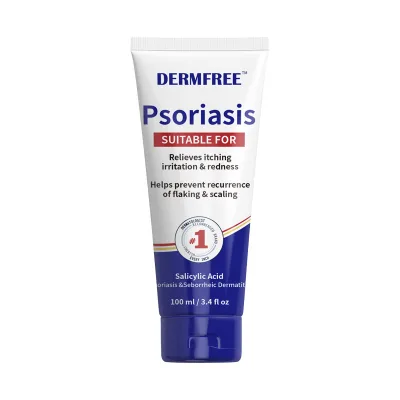


$0.01 - $1.00
MOQ: 10000 pc


Comprehensive Sourcing Guide
Strategic Sourcing Guide for Bifonazole Cream for External Use
The global demand for topical antifungal solutions continues to expand, driven by the prevalence of dermatological conditions such as tinea pedis and other fungal infections. For procurement professionals in the pharmaceutical and medical device sectors, sourcing Bifonazole Cream for External Use requires a nuanced understanding of product specifications, regulatory frameworks, and supply chain logistics. This guide synthesizes available market data to provide a disciplined approach to evaluating suppliers and products, ensuring that procurement decisions are grounded in verified facts rather than unverified marketing claims. The focus remains on biological products and organic chemical formulations intended for adult, child, and elderly populations, with a specific emphasis on external application.
Technical Specifications and Formulation Variability
When evaluating bifonazole cream, the first critical step is to analyze the technical specifications provided by potential suppliers. The market data indicates a diverse range of product forms and concentrations, which directly impacts efficacy and application. While the core keyword specifies "cream," the observed product attributes reveal that formulations may also be categorized as ointments or liquids depending on the manufacturer's specific production technology. The primary production method noted in the supply chain is chemical synthesis, a standard process for generating the active pharmaceutical ingredient.
Buyers must scrutinize the concentration and weight specifications, as these vary significantly across listings. Observed standard weights include 5g, 10g, 15g, 20g, 25g, and 30g units. Some suppliers offer specific concentration standards, such as 2% formulations in 30g packaging, while others list generic weight standards without explicit percentage details. The physical state of the product is another variable; while creams are typically semi-solid, some entries in the market data describe the product state as liquid, necessitating a clear distinction between the intended formulation and the actual product received.
Furthermore, the packaging structure is a vital technical consideration. The standard packing configuration observed is "1 Tube/Box," often nested within larger cartons containing 400 boxes. However, variations exist, with some listings specifying "1PC/Box" or even "Free" packing options, which may indicate promotional bundles or non-standard shipping configurations. The HS codes associated with these products also vary, with observations of 300490 and 300690, reflecting different classifications for medicinal products and surgical materials respectively. Procurement teams must verify which HS code applies to their specific shipment to ensure accurate customs clearance and tariff assessment.
Regulatory Compliance and Certification Verification
Compliance with international and local standards is paramount when sourcing pharmaceutical products. The market data highlights several key standards and certifications that buyers should verify. The Good Manufacturing Practice (GMP) is explicitly mentioned as a product standard, indicating that suppliers adhering to this guideline maintain controlled production environments. Additionally, pharmacopoeial standards such as USP (United States Pharmacopeia), BP (British Pharmacopoeia), and CP (Chinese Pharmacopoeia) are cited as available benchmarks.
However, the presence of these standards in a product listing does not guarantee that every unit meets them. Buyers must treat these as potential attributes to be confirmed through documentation rather than automatic guarantees. The dossier requirements are another critical area; some suppliers indicate the availability of a "Ctd" dossier, which likely refers to a Common Technical Document or similar regulatory filing. This document is essential for regulatory submissions in many jurisdictions and should be requested during the initial vetting phase.
The classification of the product also influences regulatory requirements. The data shows products categorized under "Biological Products," "Organic Chemicals," and "Inorganic Chemicals." This diversity suggests that bifonazole formulations may be sourced from different supply chains with varying regulatory oversight. For instance, products classified under "Internal Medicine" or "Surgery" may face different import restrictions compared to those strictly designated for external use. Buyers must ensure that the product's declared application aligns with their intended use case to avoid regulatory non-compliance.
Cost Drivers and Pricing Dynamics
Understanding the cost structure of bifonazole cream is essential for budgeting and negotiation. The observed price range in the market spans from 0 to 100 USD, a wide variance that reflects differences in packaging, concentration, volume, and supplier positioning. The Minimum Order Quantity (MOQ) also plays a significant role in the final cost per unit, with observed ranges extending from 1 to 50,000 units. Lower MOQs may result in higher per-unit costs due to fixed production and shipping expenses, while bulk orders typically benefit from economies of scale.
Several factors drive these costs. The shelf life of the product, observed to be 3 years in some listings, affects inventory management and storage costs. Products with longer shelf lives may be more attractive for long-term procurement strategies, reducing the risk of obsolescence. Additionally, the customization options available, such as OEM/ODM support, can influence pricing. Custom branding or specific formulation adjustments often incur additional fees compared to purchasing standard off-the-shelf products.
The origin of the product, specifically China, is a significant cost driver. Sourcing from this region often offers competitive pricing due to established manufacturing infrastructure and lower labor costs. However, buyers must account for logistics, including the delivery time, which is listed as 30 days or 30-60 days depending on the supplier. Extended lead times can impact cash flow and inventory planning, potentially increasing the total cost of ownership if buffer stock is required.
Typical Applications and Usage Modes
The application of bifonazole cream is primarily focused on dermatological treatments, with specific mentions of "Tinea Pedis" (athlete's foot) as a key indication. The product is designed for external use, making it suitable for topical application on the skin. The target demographic includes adults, children, and the elderly, indicating a broad spectrum of potential users. However, the "Usage Mode" is strictly defined as external, and any product claiming internal use or oral administration must be treated with caution and verified against the intended application.
The versatility of the product is further highlighted by its suitability for all seasons, suggesting that the formulation remains stable and effective regardless of environmental conditions. This is particularly important for products used in regions with varying climates. The application context also extends to surgical settings, as indicated by the "Surgery" application tag, though this may refer to post-operative antifungal prophylaxis or wound care rather than the primary treatment of fungal infections.
Buyers should align their procurement strategy with the specific medical needs of their target market. For instance, if the primary use is for tinea pedis, the 2% concentration in 30g packaging may be the most relevant specification. Conversely, for general dermatological care, a broader range of weights and concentrations might be necessary. The distinction between "Internal Medicine" and "External Use" applications is critical; products listed under internal medicine categories should not be used for topical applications unless explicitly verified by a regulatory authority.
Supplier Evaluation and Operational Capabilities
Evaluating suppliers requires a comprehensive assessment of their operational capabilities and reliability. The market data indicates that customization is available, and OEM/ODM support is offered by many suppliers. This flexibility allows buyers to tailor products to their specific brand requirements or regulatory needs. However, the presence of customization options does not guarantee quality; buyers must verify the supplier's capacity to maintain consistency across customized batches.
The production location, specifically Henan, China, is a known manufacturing hub for pharmaceuticals. While this offers access to a robust supply chain, buyers should conduct due diligence on the specific facility's reputation and track record. The delivery time of 30 days or 30-60 days is a standard expectation, but variability in lead times can disrupt supply chains. Buyers should establish clear communication channels to monitor production progress and anticipate potential delays.
The product model numbers, such as AMC18004-01, AMC18013-01, and AMC16019, serve as unique identifiers for specific formulations. These codes can be used to track inventory and ensure consistency in future orders. However, the existence of multiple model numbers also highlights the need for precise specification matching to avoid receiving the wrong product variant.
Quality Control and Long-Term Procurement Considerations
Quality control is the cornerstone of successful pharmaceutical procurement. Buyers must implement rigorous testing protocols to verify that the received products meet the specified standards, including USP, BP, and CP. The shelf life of 3 years provides a window for testing and distribution, but it also necessitates careful inventory management to prevent expiration.
Long-term procurement considerations include the stability of the supply chain and the potential for regulatory changes. The classification of bifonazole under different HS codes (300490 vs. 300690) suggests that regulatory interpretations may vary, requiring ongoing monitoring of trade policies. Additionally, the availability of specific concentrations and packaging formats may fluctuate based on market demand and raw material availability.
To mitigate risks, buyers should establish a diversified supplier base and maintain open lines of communication regarding production schedules and quality assurance processes. Regular audits and third-party testing can help ensure that the products consistently meet the required standards. By focusing on these long-term strategies, procurement teams can build resilient supply chains that support the continuous availability of high-quality Bifonazole Cream for External Use.
Comparative Analysis of Product Attributes
The following table summarizes the key attributes observed in the market data, providing a quick reference for buyers to compare different product offerings.
| Attribute | Observed Values | Notes for Verification |
|---|---|---|
| Formulation | Ointment, Cream, Liquid | Verify physical state matches order |
| Weight/Model | 5g, 10g, 15g, 20g, 25g, 30g | Confirm specific weight per unit |
| Concentration | 2% (30g) | Check for explicit percentage |
| Target Audience | Adult, Children, Elderly | Ensure suitability for intended users |
| Usage Mode | External Use, Oral Administration | Critical: Verify external use only |
| Application | Surgery, Internal Medicine, Tinea Pedis | Match to specific medical need |
| Packaging | 1 Tube/Box, Carton, 400 boxes/CTN | Confirm bulk packaging details |
| Shelf Life | 3 Years | Check expiration date on receipt |
| Standards | GMP, USP, BP, CP | Request certification documents |
| Delivery Time | 30 Days, 30-60 Days | Plan inventory accordingly |
| Origin | China (Henan) | Verify specific factory location |
| Customization | Available (OEM/ODM) | Confirm scope of customization |
This table serves as a checklist for buyers to ensure that all critical attributes are addressed during the sourcing process. By systematically verifying each point, procurement professionals can minimize the risk of errors and ensure that the final product meets the stringent requirements of the pharmaceutical industry.
FAQs
What specifications are available for Bifonazole Cream for External Use?
Available specifications include weights of 5g, 10g, 15g, 20g, 25g, and 30g, with some listings offering a 2% concentration in 30g packaging. Buyers should verify the specific model number and standard to ensure the product matches their clinical requirements.
Can buyers customize the product with their own branding?
Yes, customization is available, and OEM or ODM support is offered by many suppliers. This allows buyers to tailor packaging or labeling, though specific fees may apply depending on the extent of the customization requested.
What is the typical delivery time for these products?
The standard delivery time is 30 days, though some suppliers list a range of 30 to 60 days. Procurement teams should account for this lead time when planning inventory to avoid stockouts during the manufacturing and shipping process.
Which certifications are commonly associated with these products?
Products often adhere to Good Manufacturing Practice (GMP) standards and may meet USP, BP, or CP pharmacopoeial standards. Buyers must verify that the specific batch includes the required dossier, such as a Ctd document, for regulatory compliance.
How is the product typically packaged for shipment?
The standard packing configuration is one tube per box, often nested within cartons containing 400 boxes. Some variations exist, including single item units or free packing options, so the exact configuration must be confirmed before ordering.
What is the shelf life of Bifonazole Cream for External Use?
The observed shelf life is 3 years, which aids in long-term inventory planning. This duration allows for extended distribution windows, but buyers should monitor expiration dates closely to prevent product obsolescence.