Source Big Capacity Auto Detailing Bag for Car Repair, Cleaning, and Storage
Compare 30 listings for big capacity auto detailing bags featuring durable polyester materials and customizable options. Buyers can evaluate sizes ranging from 13 to 23 inches, varying MOQs, and origins in Jilin, Guangdong, and Anhui for car repair and maintenance needs.
Key considerations
Products List
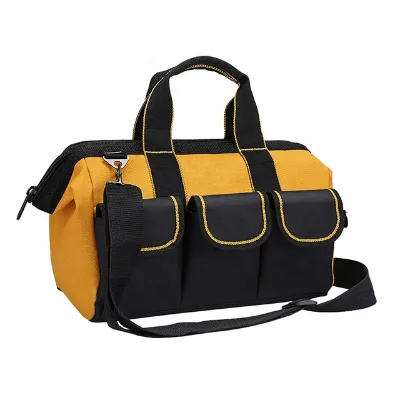
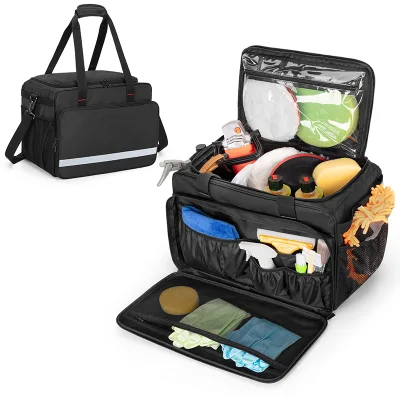


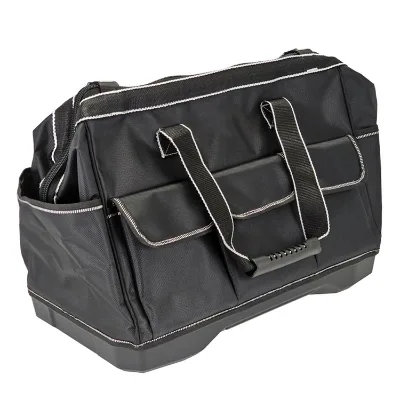
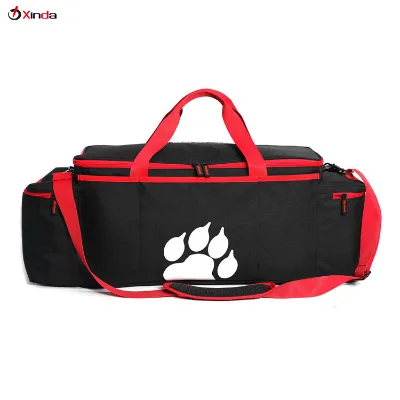
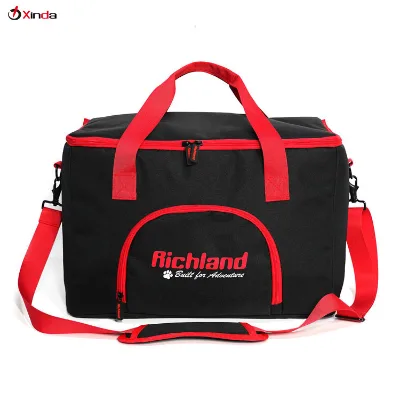
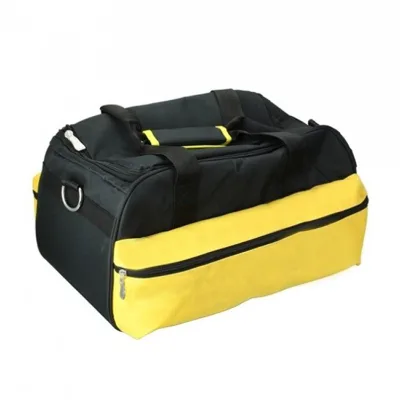
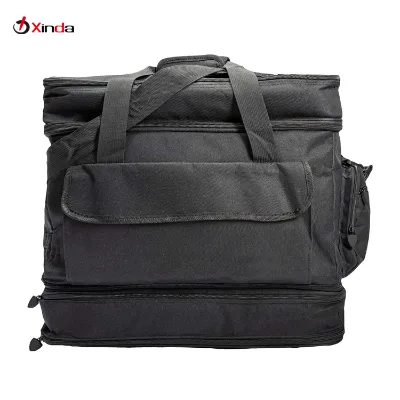
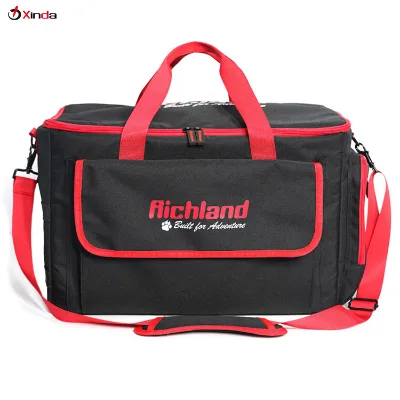


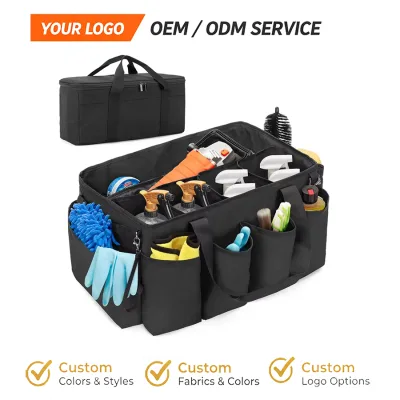
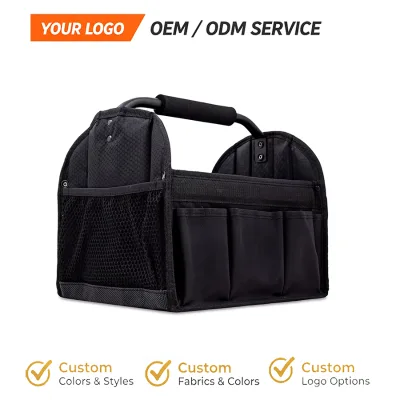
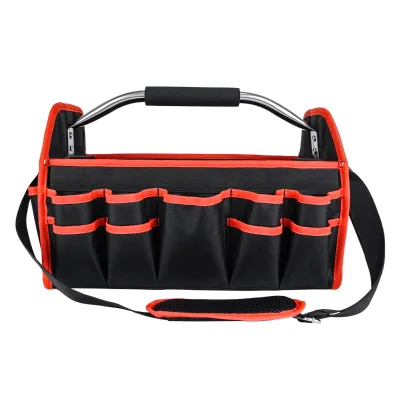
Proworkz Large Capacity Waterproof Oxford Auto Detailing Organizer Bag
$15.50 - $16.00
MOQ: 300 Pieces

Proworkz Large Capacity Car Detailing Organizer Bag Waterproof Oxford Storage Bag
$15.50 - $16.00
MOQ: 300 Pieces


Comprehensive Sourcing Guide
Big Capacity Auto Detailing Bag Sourcing Guide
Sourcing high-volume storage solutions for automotive professionals requires a clear understanding of the distinction between general-purpose tool bags and specialized detailing kits. The market for big capacity auto detailing bags is characterized by a wide variance in material construction, organizational logic, and intended use cases. Buyers must navigate between products designed for heavy-duty mechanical repair and those optimized for the delicate, chemical-heavy environment of vehicle detailing. This guide synthesizes observed market signals to help procurement teams evaluate suppliers, verify technical specifications, and mitigate supply chain risks associated with these specialized storage containers.
The following sections provide a structured approach to evaluating suppliers in this category. By focusing on material durability, organizational capacity, and commercial terms, buyers can establish a robust framework for selection. The guidance herein relies on observed listing data and standard industry practices for textile-based storage solutions, ensuring that all recommendations are grounded in verifiable product attributes rather than speculative claims.
Product Scope and Observed Listing Signals
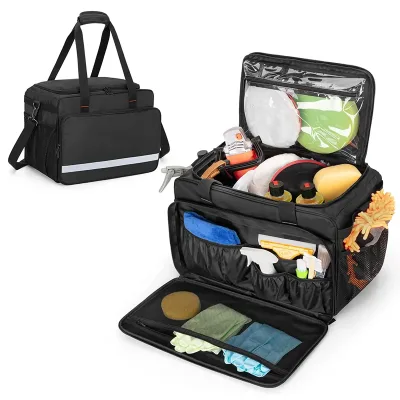
The current market for auto detailing bags encompasses a diverse range of products, from single-shoulder tool carriers to multi-compartment trunk organizers. Observed listings indicate a strong presence of products labeled as "Electrician Tool Bags" or "Detailing Bags," suggesting a convergence in design where heavy-duty tool storage is adapted for automotive detailing needs. These products typically feature high-capacity designs, with some models explicitly marketed as having "Big Capacity" to accommodate the numerous bottles, brushes, and microfiber cloths required for professional detailing. The functional scope is broadly defined as multi-purpose, allowing for versatility in holding various types of automotive maintenance equipment.
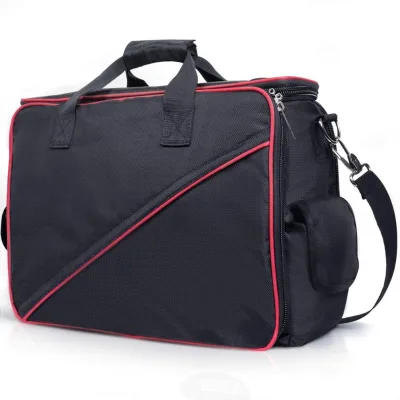
Material composition is a primary differentiator among observed listings, with polyester oxford and standard polyester being the dominant fabrics. These materials are selected for their balance of durability, water resistance, and cost-effectiveness. Color options vary significantly, with blue, yellow, orange, black, and dark blue being common choices, often used for brand identification or visibility on job sites. Some products feature specific design elements such as plastic bottoms for enhanced durability and moisture resistance, while others rely on standard fabric construction. The style is generally modern, focusing on functional aesthetics that appeal to professional technicians and fleet managers.
Technical Specifications to Verify
When evaluating technical specifications, buyers must prioritize dimensional accuracy and weight capacity to ensure the bag meets operational requirements. Observed size specifications range from compact promotional versions measuring approximately 31x17x22 cm to larger classic models extending up to 51x26x29 cm. It is critical to verify the single package size and gross weight, as these metrics impact shipping costs and handling logistics. For instance, some listings indicate a single gross weight of around 2.7 kg for larger bags, while others report weights near 1.45 kg for more compact designs. Buyers should confirm the exact dimensions of the internal compartments to ensure they can accommodate specific tool sizes, such as large spray bottles or power tools.
Bearing capacity and structural integrity are equally important technical factors. Products are often described as having a bearing capacity of greater than 10 kg, which is essential for holding heavy tools or multiple chemical containers. The hardness of the material is typically described as medium soft, providing a balance between flexibility for packing and rigidity for structure. Buyers should verify the presence of reinforced bottoms, such as plastic or heavy-duty fabric inserts, which prevent sagging and protect the contents from moisture and abrasion. Additionally, the type of closure and strap configuration, such as single-shoulder designs, should be assessed for ergonomic comfort during extended use.
Compliance and Safety Documentation
While specific certification requirements for textile storage bags are not universally mandated, buyers should request documentation related to material safety and manufacturing standards. For products intended for use in environments where chemical exposure is common, verifying that the polyester or oxford fabric is resistant to common automotive detailing chemicals is crucial. Buyers should inquire about the absence of harmful substances in the dyes and coatings used, particularly if the bags will be used in enclosed spaces or by workers with sensitive skin. Although no specific chemical resistance standards are listed in the observed data, requesting material safety data sheets (MSDS) for the fabric components can provide valuable insights into their chemical compatibility.
Environmental and labor compliance is another area where documentation can mitigate risk. Buyers should ask suppliers to provide evidence of adherence to local labor laws and environmental regulations in their place of origin, whether it be Jilin, Guangdong, or Anhui in China. This includes verifying that the manufacturing facilities comply with waste disposal regulations and that the workers are treated in accordance with international labor standards. While specific certifications like ISO 9001 are not explicitly mentioned in the observed listings, requesting proof of quality management systems can help ensure consistent product quality and reliable supply chain practices.
Cost Drivers and Commercial Terms
The cost of auto detailing bags is influenced by several key factors, including material quality, customization options, and order volume. Observed price ranges vary significantly, reflecting differences in fabric weight, zipper quality, and additional features such as reinforced handles or multiple compartments. Minimum order quantities (MOQ) also play a substantial role in pricing, with some suppliers offering low MOQs of just one piece for sampling or small batches, while others require orders of 200 to 500 pieces for production runs. Buyers should negotiate pricing based on their expected volume, keeping in mind that higher volumes often result in lower per-unit costs due to economies of scale.
Customization is a major cost driver, with options for OEM and ODM services allowing buyers to tailor the product to their brand identity. Services such as silk printing, embroidery, and customized packaging add to the overall cost but can enhance brand visibility and product differentiation. Buyers should clarify the costs associated with logo placement, color matching, and packaging design early in the negotiation process. Additionally, sample times and production lead times should be discussed, as expedited services may incur additional fees. Understanding these commercial terms helps buyers budget accurately and plan their inventory management effectively.
Supplier Qualification and Quality Control
Supplier qualification is essential for ensuring the reliability and consistency of auto detailing bag supplies. Buyers should verify the supplier's place of origin, with Guangdong, Jilin, and Anhui being common manufacturing hubs in China. These regions have established textile and bag manufacturing industries, but the level of quality control can vary between factories. Buyers should request information about the supplier's production capacity, quality assurance processes, and experience in exporting similar products. Checking for past performance metrics, such as on-time delivery rates and defect rates, can provide valuable insights into the supplier's reliability.
Quality control measures should be implemented throughout the production process, from raw material inspection to final product testing. Buyers should specify their quality requirements in the purchase agreement, including acceptable tolerances for dimensions, stitching quality, and material defects. It is advisable to conduct pre-shipment inspections to verify that the products meet the agreed-upon specifications. Suppliers should be willing to provide photos or videos of the production process and finished goods to demonstrate their quality control practices. Establishing a clear communication channel for addressing quality issues and defining remedies for non-conforming products is crucial for maintaining a successful supply chain.
Long-Term Procurement Checks
Long-term procurement success depends on continuous monitoring of supplier performance and market trends. Buyers should regularly review supplier metrics, including product quality, delivery times, and responsiveness to issues. Establishing a scorecard system can help track these metrics over time and identify potential problems before they escalate. Additionally, buyers should stay informed about changes in material costs, labor regulations, and shipping rates that could impact pricing and availability. Diversifying the supplier base can mitigate risks associated with single-source dependencies and ensure business continuity.
As the automotive detailing industry evolves, so too will the requirements for storage solutions. Buyers should remain open to new product innovations, such as bags with improved ergonomic designs, enhanced chemical resistance, or integrated organizational features. Regularly engaging with suppliers to discuss future needs and potential customizations can foster a collaborative relationship and ensure that the products supplied remain relevant and competitive. By maintaining a proactive approach to procurement, buyers can secure a reliable supply of high-quality auto detailing bags that meet the evolving demands of their customers.
FAQs
What materials are used for big capacity auto detailing bags?
These bags are typically constructed from durable polyester oxford or standard polyester materials. The specific material choice ensures longevity and resistance to wear during tool handling. Some models feature a dark blue plastic bottom for added structural support and protection against moisture.
Can I customize the logo on these tool bags?
Yes, customization is available for most models through silk print or embroidery methods. Buyers can request a customized logo to match their brand identity. The packaging can also be tailored to specific requirements, such as using a polybag or a color box.
What is the minimum order quantity for these bags?
The minimum order quantity varies significantly depending on the specific supplier and product model. Some listings accept orders as low as one piece, while others require a minimum of 200 or 500 pieces. Buyers should verify the specific MOQ with the manufacturer before placing an order.
How large are the different size options available?
Sizes range from a 13-inch promotion version to a 23-inch classic model with dimensions up to 51 by 26 by 29 cm. Specific dimensions vary by style, such as the 14-inch or 17-inch variants. Buyers should check the single package size details for accurate storage planning.
Where are these auto detailing bags manufactured?
Manufacturing locations include provinces such as Jilin, Guangdong, and Anhui in China. The place of origin affects shipping logistics and lead times for international buyers. Different factories may produce similar products with varying specifications and customization capabilities.
What is the warranty period for these bags?
A standard warranty of one year is offered on many of these electrician and detailing tool bags. This coverage typically applies to manufacturing defects and material durability issues. Buyers should confirm the specific warranty terms with the supplier at the time of purchase.
How much weight can these bags hold?
Many models are designed with a bearing capacity greater than 10 kg to support heavy tools. The single gross weight of the bag itself ranges from approximately 1.45 kg to 2.7 kg depending on the size and features. This ensures the bag remains sturdy during transport.