Source Big Size Ride On Dinosaur for Parks, Malls, and Events
Explore 30 listings for Big Size Ride On Dinosaur options suitable for amusement parks, shopping malls, and commercial events. Buyers can compare specifications, certifications, and customization features to find the right supplier for their needs; compare the available evidence and request quotations based on your requirements.
Key considerations
Products List


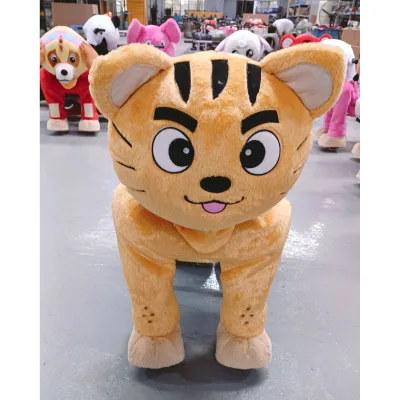
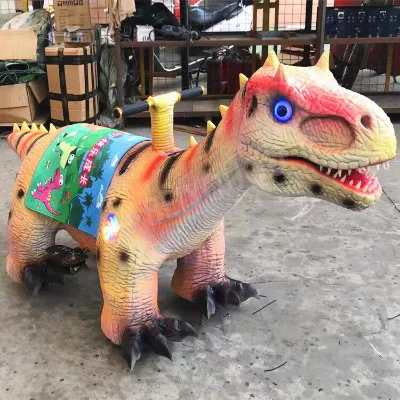
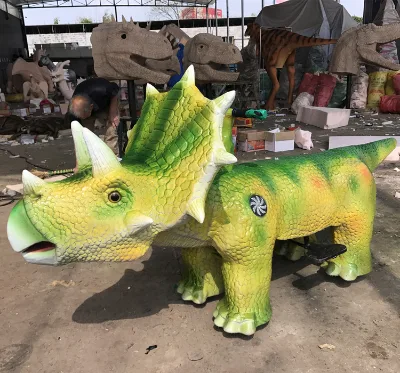
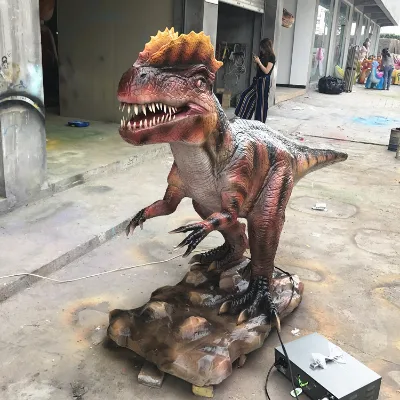
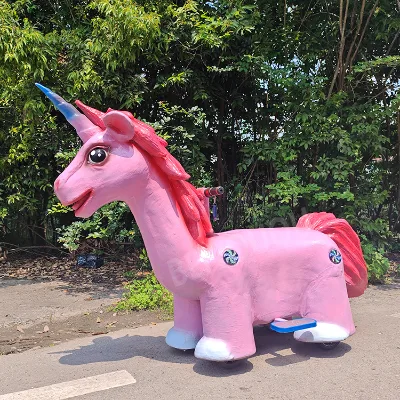


$2400.00 - $2800.00
MOQ: 1 Sets




Comprehensive Sourcing Guide
Big Size Ride On Dinosaur Sourcing Guide
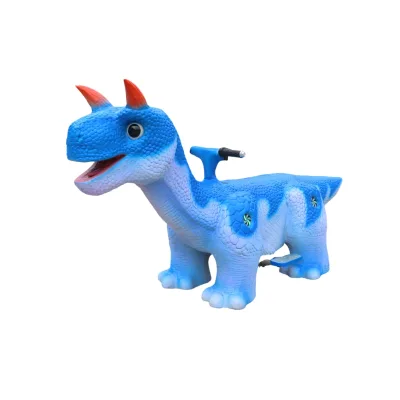
Procuring large-scale ride-on dinosaur units requires a strategic approach that balances aesthetic appeal with rigorous safety engineering. These toys are designed for both indoor and outdoor commercial environments, serving as interactive attractions in shopping malls, amusement parks, and family entertainment centers. Buyers must recognize that "big size" implies significant structural demands, including robust chassis construction and high-capacity motors capable of supporting adult and child riders simultaneously. The visual design often features popular dinosaur models such as T-Rex, Triceratops, or Pachycephalosaur, rendered in vibrant colors like pink, red, or yellow to attract young audiences.
The procurement process involves evaluating multiple product configurations, from plush-integrated models to rigid plastic simulations. Suppliers may offer customization options for branding and color schemes, allowing operators to align the ride with specific venue themes. It is critical to distinguish between small-scale decorative models and full-sized ride-on units, as the latter require specialized logistics and installation protocols. Buyers should focus on suppliers who demonstrate expertise in manufacturing durable, high-load-bearing toys that meet international safety standards while providing an engaging sensory experience through integrated sound and light effects.
Product Scope and Observed Listing Signals
Market listings for big size ride-on dinosaurs reveal a diverse range of specifications, with observed prices spanning from $2.20 to $10,000 USD. This wide variance reflects differences in material quality, motor power, and structural complexity. Minimum order quantities (MOQ) typically range from 1 to 640 units, indicating flexibility for both single-unit purchases and large commercial deployments. Some suppliers offer customized designs, allowing buyers to specify unique features or branding elements. The observed product models, such as RFD531502 and HY-060057-61, suggest a variety of engineering approaches, from simple plastic constructions to more complex assemblies involving steel frames and plush materials.
Packaging and logistics are significant factors in this category, with some units shipped in standard cartons while others require specialized packaging like elevator bags to prevent damage. The single package size for larger models can reach 87x77x61 cm, with gross weights up to 29 kg, necessitating careful freight planning. Origin locations, primarily Shantou and broader China regions, indicate a concentrated manufacturing hub for these toys. Buyers should verify the actual dimensions and weight of specific models to ensure compatibility with their venue’s entry points and floor load capacities. Understanding these listing signals helps in accurately estimating total landed costs and logistical requirements.
Technical Specifications to Verify
Technical verification must begin with structural integrity and load-bearing capacity. For large ride-on units, the maximum load capacity is a critical specification, with some models supporting 100-150 kg or even up to 500 kg for heavier-duty commercial versions. Buyers should confirm the material composition, which may include PVC, plastic, or a combination of plush and steel. The presence of steel reinforcement is essential for durability, especially in high-traffic commercial settings. Additionally, the external dimensions, such as a length of 15.2 meters for certain large-scale models, must be verified against venue space constraints.
Electrical and functional specifications are equally important. Units often feature integrated sound and light systems to enhance the user experience. Buyers should inquire about the power source, motor type, and battery life, particularly for electric models. The operating voltage and charging time should be clearly defined to ensure operational efficiency. Furthermore, the condition of the product, whether new or refurbished, must be confirmed. Suppliers should provide detailed technical drawings or specifications sheets that outline the single package size, gross weight, and assembly requirements. Verifying these technical details prevents unexpected operational issues and ensures the ride meets the intended usage standards.
Compliance and Safety Documentation
Safety compliance is non-negotiable for ride-on toys, especially those intended for public use. Buyers must verify that products hold relevant certifications, such as CE and EN 71 standards, which are commonly cited in the market. These certifications ensure that the toy meets European safety requirements for mechanical, physical, and chemical properties. Additionally, ISO certifications may be present, indicating adherence to quality management systems. It is crucial to request valid test reports from accredited laboratories to confirm that the materials and construction meet these standards. Without proper documentation, the risk of regulatory penalties and safety incidents increases significantly.
Beyond certifications, buyers should assess the safety features built into the design. This includes emergency stop mechanisms, secure seating restraints, and smooth edges to prevent injury. The suitability of the product for specific age groups, ranging from young children to adults, must be clearly stated. Suppliers should provide user manuals and safety warnings in multiple languages if the product is intended for international markets. Verifying the compliance status of each component, from the plastic shell to the electrical wiring, ensures that the final product is safe for operation. This diligence protects the buyer from liability and enhances customer trust in the attraction.
Cost Drivers and Commercial Terms
The cost of big size ride-on dinosaurs is influenced by several key drivers, including material quality, customization level, and order volume. High-quality materials like reinforced steel and durable PVC increase production costs but enhance longevity. Customization options, such as custom logos or unique color schemes, may incur additional fees. The observed MOQ range of 1-640 units allows for flexible purchasing, but larger orders often benefit from economies of scale. Buyers should negotiate clear pricing structures that include all components, such as motors, batteries, and packaging, to avoid hidden costs.
Commercial terms also play a significant role in the total cost of ownership. Production time can vary depending on the quantity and customization requirements, so lead times must be agreed upon in advance. Payment terms, shipping methods, and warranty policies should be clearly defined in the contract. Buyers should consider the long-term maintenance costs, including spare parts availability and service support. Understanding these commercial terms helps in budgeting accurately and ensuring a smooth procurement process. Clear communication with suppliers regarding these details prevents misunderstandings and ensures timely delivery of the products.
Supplier Qualification and Quality Control
Selecting a qualified supplier is critical for ensuring product reliability and safety. Buyers should verify the supplier’s manufacturing capabilities, including their production facilities and quality control processes. Suppliers with experience in producing commercial-grade ride-on toys are preferable, as they are more likely to adhere to strict safety standards. It is advisable to request samples or visit the factory to assess the build quality and attention to detail. Suppliers should provide references or case studies of previous projects to demonstrate their expertise and reliability in the market.
Quality control measures should be implemented throughout the production process, from raw material inspection to final product testing. Buyers should establish clear acceptance criteria and conduct pre-shipment inspections to verify that the products meet the agreed specifications. This includes checking for defects in materials, assembly errors, and functional issues with electrical components. Establishing a strong relationship with the supplier can facilitate better communication and quicker resolution of any issues that arise. By prioritizing supplier qualification and rigorous quality control, buyers can minimize risks and ensure the delivery of high-quality ride-on dinosaur units.
Long-Term Procurement Checks
Long-term procurement success depends on ongoing performance monitoring and supplier relationship management. Buyers should track the operational performance of the ride-on units, including downtime, maintenance frequency, and customer feedback. This data can inform future purchasing decisions and help identify areas for improvement. Regular communication with the supplier is essential to address any emerging issues and ensure continued support. Buyers should also stay updated on industry trends and technological advancements to ensure their attractions remain competitive and engaging for users.
Additionally, buyers should review the supplier’s ability to provide spare parts and technical support over the product’s lifecycle. A reliable supply chain for replacement components is crucial for minimizing downtime and maintaining operational efficiency. It is also important to assess the supplier’s commitment to innovation and continuous improvement. By maintaining a proactive approach to procurement and supplier management, buyers can ensure the long-term success and profitability of their ride-on dinosaur attractions. This strategic focus helps in building a sustainable and resilient supply chain that supports business growth.
FAQs
What certifications do Big Size Ride On Dinosaur toys have?
These toys typically hold ENASTM and CE certifications to ensure safety compliance for children. Some models also carry ISOCE and CE-EN 71 certificates. Buyers should verify specific documentation for each product model before placing bulk orders to meet regional safety standards.
Can I customize the logo on these ride on dinosaur toys?
Yes, custom logo acceptance is available for many Big Size Ride On Dinosaur models. Manufacturers often allow branding adjustments to suit commercial needs. Buyers should confirm specific customization options and lead times directly with suppliers before finalizing design requirements for their orders.
What is the maximum load capacity for these ride on dinosaur toys?
The maximum load capacity ranges from 100 to 150 kilograms for most Big Size Ride On Dinosaur units. Some commercial models support up to 500 kilograms depending on the construction. Always check the specific product specifications to ensure the unit meets your intended usage requirements.
How are these ride on dinosaur toys packaged for shipping?
Packaging usually involves carton boxes or elevator bags with dustproof protection for Big Size Ride On Dinosaur toys. Specific dimensions vary by model, with some single packages measuring 87 by 77 by 61 centimeters. Buyers should request detailed packing lists to calculate shipping costs accurately.
Which materials are used to construct these ride on dinosaur toys?
Materials include plastic, plush, steel, and PVC depending on the specific Big Size Ride On Dinosaur model. Some units combine plush and steel for durability while others use PVC for inflatable-like features. Verify the material composition to ensure suitability for your target age group and usage environment.
What is the minimum order quantity for these ride on dinosaur toys?
Minimum order quantities vary significantly, ranging from 5 pieces to 640 units for Big Size Ride On Dinosaur toys. Some suppliers set a baseline of 5 pieces while others require higher volumes. Check the specific MOQ for each model to align with your procurement budget and storage capacity.
Where are these ride on dinosaur toys manufactured?
Most Big Size Ride On Dinosaur toys originate from Shantou, China, or other general Chinese manufacturing hubs. The production location influences lead times and shipping logistics for international buyers. Confirm the exact origin with suppliers to ensure compliance with import regulations in your destination country.