Source Big and Tall Pullover Hoodie for Gym, Yoga, and Fitness
Find 30 Big and Tall Pullover Hoodie options tailored for gym, yoga, and fitness activities. Compare customization features like logo printing, fabric types, and sizing to select the right supplier for your bulk needs.
Key considerations
Products List


Custom High Quality Men's Casual Sweatshirt Long Sleeve Cotton Hoodies Pullover
$9.90 - $10.90
MOQ: 100 Pieces

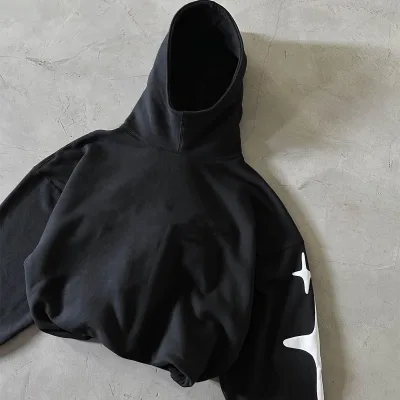


OEM Summer Wholesale Custom Brand Logo Side Pocket Big Hooded Sleeveless Hoodie
$4.00 - $8.00
MOQ: 100 Pieces


Camouflage Print Style Hooded Sweatshirt Men's Heavyweight Pullover Hoodie
$6.65 - $8.65
MOQ: 100 Pieces



Comprehensive Sourcing Guide
Big and Tall Pullover Hoodie Sourcing Guide
Sourcing big and tall pullover hoodies requires a strategic approach that balances fit precision with material performance, particularly for buyers targeting fitness, athletic, and casual wear markets. The product category encompasses a wide range of styles, from standard cotton pullovers to technical, moisture-wicking garments designed for high-intensity activities. Buyers must navigate a diverse supplier landscape where customization options, such as logo printing and label placement, are standard offerings. Understanding the specific technical specifications and material compositions is essential to ensuring that the final product meets the durability and comfort expectations of end-users in sectors ranging from yoga and cycling to rugby and track and field.
This guide provides evidence-based procurement advice for sourcing big and tall pullover hoodies, focusing on verified product attributes and industry standards. By examining observed listing signals, technical specifications, and commercial terms, buyers can mitigate risks associated with quality inconsistencies and supply chain delays. The following sections detail the critical verification steps required to select reliable suppliers, ensuring that the sourced garments align with brand requirements for size inclusivity, fabric performance, and aesthetic customization.
Product Scope and Observed Listing Signals
The market for big and tall pullover hoodies is characterized by a high degree of customization and versatility in application. Observed product listings indicate that these garments are suitable for a broad spectrum of activities, including ball sports, soccer, racing, cycling, fitness, skiing, rugby, track and field, water sports, gym workouts, yoga, basketball, hockey, martial arts, rock climbing, dancing, tennis, and equestrian events. This wide applicability suggests that buyers should prioritize suppliers who offer robust customization capabilities, such as custom colors, logos, labels, and tags, to meet the specific branding needs of different sports teams or fitness brands. The ability to tailor the product to specific usage scenarios is a key differentiator in this competitive market.
In terms of product types, the scope includes cotton pullover long sleeve oversize hoodies, gym fitness hoodies, jackets, and general hoodies and sweatshirts. These variations cater to different consumer preferences, with some buyers seeking the comfort and breathability of cotton for casual wear, while others require the quick-drying and moisture-wicking properties of polyester and spandex blends for athletic performance. The observed data highlights that many suppliers offer OEM services, allowing buyers to create unique products that stand out in the market. Additionally, features such as anti-wrinkle, breathable, and anti-shrink properties are commonly advertised, indicating a focus on maintaining garment integrity and appearance over time.
Technical Specifications to Verify
When evaluating big and tall pullover hoodies, buyers must closely examine the technical specifications to ensure they align with their size and fit requirements. The available size ranges typically include XS, S, M, L, XL, XXL, and custom options, with some listings specifically noting sizes such as XXXS, XXS, and custom measurements. For big and tall demographics, it is crucial to verify that the supplier offers extended sizing beyond standard XXL, ensuring that the garment provides adequate coverage and comfort for larger body types. Buyers should request detailed size charts and measurement guides to confirm that the cut and proportion of the hoodie meet their target audience's needs, avoiding issues related to tightness or excessive looseness.
Material composition and construction details are equally important factors in the technical verification process. Common materials observed in the market include cotton, polyester, and spandex blends, each offering distinct benefits. Cotton hoodies are often praised for their softness and breathability, making them suitable for casual wear and lower-intensity activities. In contrast, polyester and spandex blends provide superior elasticity, durability, and moisture-wicking capabilities, which are essential for high-performance athletic wear. Buyers should also verify the sleeve length, pocket type, and hood type, as these elements contribute to the overall functionality and style of the garment. For instance, kangaroo pockets and fixed hoods are common features that enhance practicality and warmth.
Compliance and Safety Documentation
Compliance and safety documentation are critical components of the sourcing process, ensuring that the sourced hoodies meet international standards for textile safety and environmental impact. While specific certifications such as GOTS (Global Organic Textile Standard) and OEKO-TEX are mentioned in the background context, buyers should verify the current certification status of their chosen suppliers. These certifications indicate that the materials used are free from harmful substances and that the production processes adhere to strict environmental and social criteria. Buyers should request valid certification documents and audit reports to confirm that the supplier maintains compliance with these standards, reducing the risk of regulatory issues and enhancing brand reputation.
In addition to material certifications, buyers should ensure that the suppliers adhere to relevant safety standards for textile products, such as flammability resistance and colorfastness. These standards are particularly important for garments intended for children or for use in specific environments where safety is a priority. Buyers should also verify that the suppliers follow proper labeling requirements, including accurate fiber content, care instructions, and country of origin labels. Proper labeling not only ensures compliance with local regulations but also helps consumers make informed purchasing decisions, fostering trust and loyalty towards the brand.
Cost Drivers and Commercial Terms
Understanding the cost drivers and commercial terms is essential for effective budgeting and negotiation when sourcing big and tall pullover hoodies. The observed price range for these products varies significantly, with some listings indicating prices as low as $0.50 and others reaching up to $40. This wide range reflects differences in material quality, customization complexity, order quantity, and supplier location. Buyers should consider the trade-offs between cost and quality, recognizing that lower prices may correspond to inferior materials or less rigorous quality control processes. It is advisable to request detailed quotations that break down the costs associated with materials, labor, customization, and shipping to gain a comprehensive understanding of the total cost of ownership.
Minimum Order Quantities (MOQs) and payment terms are other critical commercial factors that influence the sourcing strategy. The observed MOQ range for these products spans from 1 to 5000 pieces, offering flexibility for both small-scale startups and large-scale enterprises. Buyers should negotiate MOQs that align with their inventory management capabilities and market demand forecasts, avoiding overstocking or stockouts. Additionally, buyers should clarify payment terms, such as deposit requirements and balance payments upon shipment, to manage cash flow effectively. Understanding the lead times and production schedules is also crucial for planning product launches and ensuring timely delivery to customers.
Supplier Qualification and Quality Control
Supplier qualification and quality control are paramount to ensuring the consistency and reliability of the sourced big and tall pullover hoodies. Buyers should conduct thorough due diligence on potential suppliers, verifying their business licenses, production capabilities, and past performance records. Requesting samples is a critical step in the qualification process, allowing buyers to assess the quality of materials, stitching, and overall craftsmanship. Buyers should evaluate the samples against their specific requirements, checking for issues such as uneven seams, color bleeding, or incorrect sizing. Establishing clear quality standards and inspection criteria before production begins helps minimize the risk of receiving substandard products.
Implementing a robust quality control process throughout the production cycle is essential for maintaining product integrity. Buyers should consider hiring third-party inspection agencies to conduct pre-production, during-production, and pre-shipment inspections. These inspections can identify and address potential issues early, reducing the likelihood of costly rework or returns. Additionally, buyers should establish clear communication channels with suppliers to address any concerns or changes in requirements promptly. Regular feedback and performance evaluations can help build strong relationships with suppliers and encourage continuous improvement in product quality and service delivery.
Long-Term Procurement Checks
Long-term procurement checks involve ongoing monitoring and evaluation of supplier performance to ensure sustained quality and reliability. Buyers should establish key performance indicators (KPIs) to track metrics such as on-time delivery rates, defect rates, and responsiveness to issues. Regularly reviewing these metrics helps identify trends and areas for improvement, enabling proactive management of the supply chain. Buyers should also stay informed about changes in industry standards, regulations, and market trends that may impact the sourcing of big and tall pullover hoodies. Adapting to these changes ensures that the sourced products remain competitive and compliant with evolving consumer expectations.
Building a diversified supplier base is another critical strategy for long-term procurement success. Relying on a single supplier can expose buyers to risks such as production delays, quality inconsistencies, or sudden price increases. By cultivating relationships with multiple suppliers, buyers can mitigate these risks and maintain flexibility in their sourcing strategy. Regularly engaging with suppliers through site visits, performance reviews, and collaborative planning sessions fosters trust and partnership, leading to better outcomes for both parties. Ultimately, a proactive and strategic approach to long-term procurement checks ensures that the sourcing of big and tall pullover hoodies remains efficient, cost-effective, and aligned with business goals.
FAQs
What sizes are available for big and tall pullover hoodies?
Sizes range from XXS to XXXL and include custom options. The product page lists specific sizes like XS, S, M, L, and 2XL, with flexibility for custom sizing requests to fit various body types.
Can I customize the logo and color on these hoodies?
Yes, customization is available for logos, colors, labels, and tags. Buyers can request custom colors and logos, with options for custom bags and tags to match specific branding requirements.
What materials are used for these fitness hoodies?
Materials include cotton, polyester, and spandex blends. Some products feature nylon and spandex standards, while others use cotton for comfort, ensuring breathability and durability for gym and sports use.
How is the packaging handled for bulk orders?
Packaging options include custom bags, polybags, or cartons. Some items are packed as one piece per polybag, while others come in cartons containing 40 to 80 pieces depending on the specific model.
Which sports are these hoodies suitable for?
These hoodies are designed for ball sports, soccer, cycling, fitness, skiing, and yoga. They are also suitable for track and field, basketball, hockey, martial arts, and other athletic activities.
What is the minimum order quantity for these products?
The minimum order quantity ranges from 1 to 5000 pieces. Buyers can find options starting at a single piece up to larger bulk orders, depending on the specific supplier and product model.
Are these hoodies suitable for winter and autumn seasons?
Yes, they are designed for spring, autumn, and winter seasons. The standard thickness and features like anti-wrinkle and anti-shrink properties make them practical for cooler weather conditions.