Source Big Round Excavator Rearview Mirror for Heavy Machinery
Find and compare 30 listings for the Big Round Excavator Rearview Mirror. Options include steel and ABS materials with ISO/TS16949 certification. Buyers can review specifications, pricing, and supplier details for reliable heavy equipment visibility solutions; compare the available evidence and request quotations based on your requirements.
Key considerations
Products List


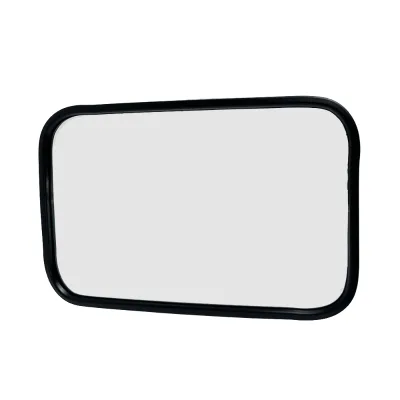
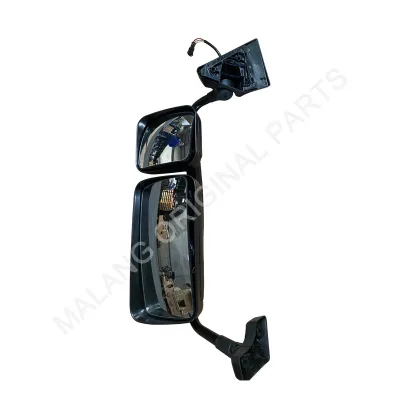


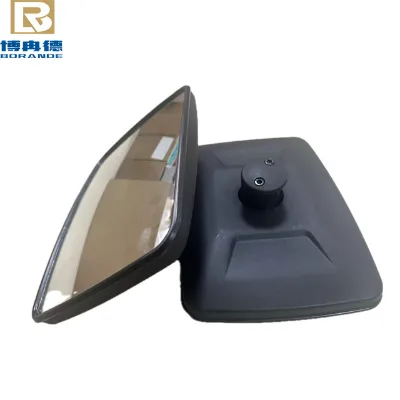


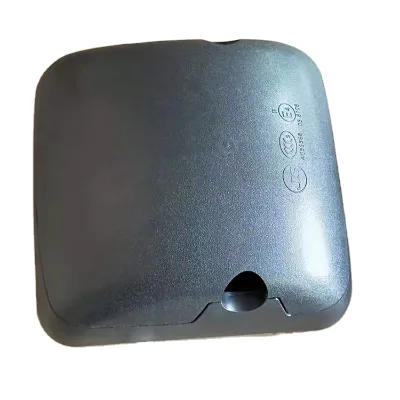
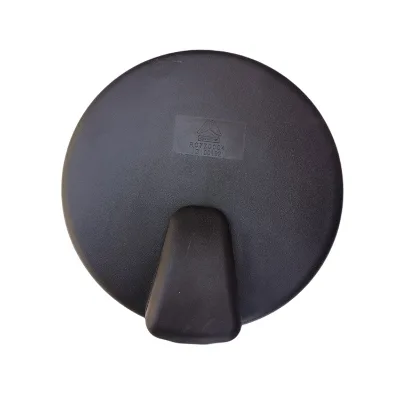
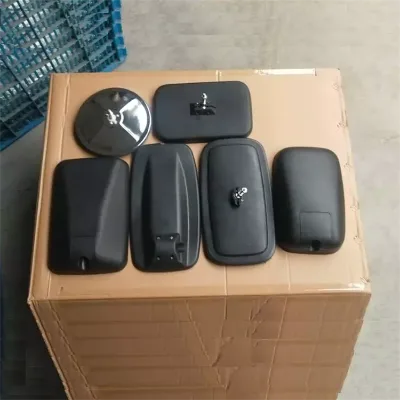


Aftermarket Car Mirrors, Side View Mirrors, Truck Mirrors and Car Mirrors.
$2.00 - $5.00
MOQ: 50 Pieces


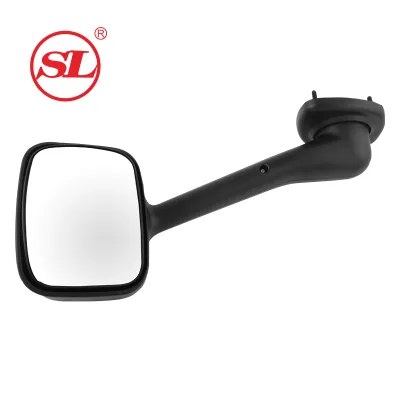
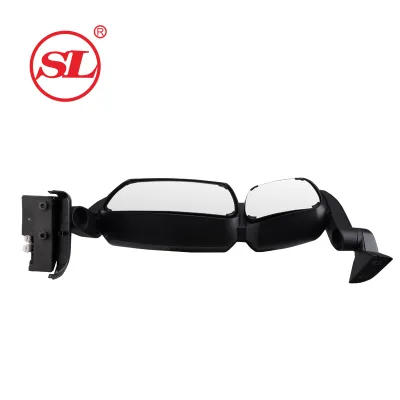
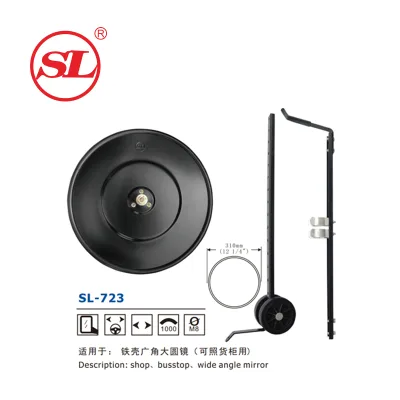
Comprehensive Sourcing Guide
Big Round Excavator Rearview Mirror Sourcing Guide
Procuring a Big Round Excavator Rearview Mirror requires careful attention to the specific mounting geometry and visibility requirements of heavy machinery. The observed market data indicates that these components are frequently designed for excavators, loaders, and trucks, with a primary focus on durability in harsh industrial environments. Buyers must verify that the mirror shell material, often observed as ABS or steel, aligns with the vibration and impact resistance needed for continuous operation on construction sites.
The customization options available in the current supply chain allow for significant flexibility regarding color and specific model compatibility. While some listings highlight a grey finish, others specify black options, suggesting that color selection should be driven by the operator's visibility preferences or fleet standardization needs. It is critical to confirm that the selected unit matches the exact vehicle model, such as FAW Jiefang or other compatible brands, to ensure a secure fit without requiring extensive modification.
Product Scope and Observed Listing Signals
The product scope for these mirrors encompasses a variety of specifications, including different model numbers like DZ13241770912 and HR-P-051, which indicate distinct manufacturing batches or design iterations. Buyers should note that the observed listing signals include a wide range of single package sizes, with some units measuring 55x8x8.5 cm, while others report zero volume, necessitating a direct request for accurate dimensional data before finalizing orders. This variance highlights the importance of verifying the physical footprint to ensure compatibility with the vehicle's mounting points.
Commercial signals in the market reveal diverse packaging methods, ranging from simple plastic bags to color boxes, which can impact shipping costs and product protection during transit. The observed selling units are typically single items, yet the minimum order quantities vary significantly, with some suppliers requiring as few as 10 pieces while others set thresholds at 20 or higher. Understanding these commercial signals helps buyers align their procurement volume with supplier capabilities and avoid unnecessary inventory buildup or stockouts.
Technical Specifications to Verify
Technical verification must begin with the mirror material and shell composition, as the observed data lists both steel and ABS as common materials for these heavy-duty components. Buyers should explicitly confirm the mirror glass quality and the structural integrity of the housing, ensuring it can withstand the high-vibration environment typical of excavator operations. The weight of the unit, observed at 2287g for some models, serves as a critical benchmark for assessing the robustness of the assembly and its potential impact on the vehicle's balance.
Functionality extends beyond simple reflection, with some listings indicating integrated features such as Bluetooth capabilities, though this requires careful validation against the specific operational needs of the machinery. The placement on the vehicle is consistently noted as rear or side, and the buyer must ensure the selected model number, such as FAW Jiefang or HR-P-051, corresponds to the correct mounting location. Verifying the single gross weight and volume is essential for logistics planning, as discrepancies in reported data can lead to unexpected shipping charges or handling difficulties.
Compliance and Safety Documentation
Compliance documentation is a critical component of the procurement process, with ISO/TS16949 certification appearing as a key quality indicator for suppliers in this sector. Buyers should request proof of this certification to ensure that the manufacturing processes meet the rigorous standards required for automotive and heavy equipment parts. While some listings mention CE certification, the reliability of this claim varies, and it should be treated as a secondary verification point rather than a primary guarantee of safety compliance.
Safety features are often highlighted through attributes like high durability and high-quality construction, but these claims must be backed by tangible evidence such as machinery test reports. The observed data indicates that test reports are not always available, which presents a risk for buyers who require documented performance validation before deployment. It is advisable to request video outgoing-inspection services, which are provided by some suppliers, to visually confirm the product's condition and build quality prior to shipment.
Cost Drivers and Commercial Terms
Cost drivers for big round excavator rearview mirrors are influenced by the complexity of the production process, which often involves casting and forging techniques to ensure structural strength. The observed price range of 0.3 to 150 USD reflects significant variation based on material quality, customization levels, and the inclusion of additional features like Bluetooth. Buyers must analyze the total cost of ownership, considering that lower initial prices may correlate with reduced durability or limited after-sales support in the long run.
Commercial terms vary widely, with payment options including T/T, L/C, Moneygram, and Western Union, offering flexibility for different transaction sizes and risk profiles. Lead times are generally observed between 7 to 15 days, but this can fluctuate based on order volume and the specific customization requirements of the buyer. Understanding the minimum order quantity, which ranges from 1 to 1000 pieces, is essential for negotiating favorable terms and ensuring that the supplier can meet the buyer's volume needs without compromising on delivery schedules.
Supplier Qualification and Quality Control
Supplier qualification should prioritize manufacturers who provide online after-sales service and have a proven track record in the heavy equipment parts industry. The observed data shows suppliers located in Jiangsu and Shandong, China, regions known for their manufacturing capabilities, but buyers must verify the specific factory's capacity to handle custom orders and maintain consistent quality. The availability of free samples is a positive indicator, allowing buyers to physically inspect the product's build quality and finish before committing to a larger purchase.
Quality control measures are vital, with some suppliers offering video outgoing-inspection to provide transparency into the final product condition. Buyers should verify the warranty terms, which are observed to be around 6 months, and ensure that the supplier has a clear process for handling defects or returns. The condition of the product is listed as new, but this should be confirmed upon receipt, and the supplier's ability to provide a machinery test report should be a prerequisite for high-volume orders.
Long-Term Procurement Checks
Long-term procurement checks involve establishing a relationship with suppliers who can consistently meet the evolving needs of the fleet, including potential changes in vehicle models or operational requirements. The observed compatibility with other brands suggests that a flexible supplier can adapt to different OEM specifications, reducing the risk of obsolescence as the fleet ages or changes. Buyers should regularly review the supplier's performance against the agreed-upon standards, such as the 1kg or 5kg weight standards observed in some listings, to ensure ongoing compliance.
Continuous monitoring of the supply chain is necessary to mitigate risks associated with lead times and production delays, which can disrupt operations in critical construction projects. Buyers should maintain open communication channels to stay informed about any changes in material availability or production processes that could affect the quality or delivery of the rearview mirrors. By keeping a close watch on the supplier's ability to provide consistent after-sales service and warranty support, buyers can ensure the long-term reliability of their equipment.
FAQs
What materials are used for big round excavator rearview mirrors?
These mirrors typically use steel for the structural shell and ABS plastic for the housing to ensure durability. The reflective surface is made of glass to provide clear visibility. This combination of materials ensures the mirror can withstand the harsh vibrations and impacts common in heavy machinery environments while maintaining optical clarity for the operator.
Can I customize the specifications for these rearview mirrors?
Yes, customization is available to meet specific customer needs. Manufacturers can adjust the model number, such as DZ13241770912, and adapt the standard packaging or weight requirements. This flexibility allows buyers to align the product with their specific vehicle models or operational standards, ensuring a precise fit for their heavy equipment applications.
What is the typical MOQ for ordering these mirrors?
The minimum order quantity varies by supplier, ranging from 1 piece to 1000 pieces. Some vendors require a specific MOQ of 20 pieces or 10 pieces for certain models. Buyers should check the specific listing details to confirm the exact MOQ, as this threshold directly impacts the initial procurement cost and inventory management strategy for the order.
Which certifications do these mirrors typically hold?
Many manufacturers hold ISO/TS16949 certification, indicating adherence to quality management standards in the automotive industry. This certification ensures that the production processes meet rigorous quality control requirements. Buyers can rely on this standard to verify that the mirrors are manufactured with consistent quality, which is critical for safety components used in heavy construction machinery.
How long is the delivery time for these mirrors?
The standard delivery time is typically between 7 to 15 days after order confirmation. This lead time allows for production, quality inspection, and preparation for ocean freight shipping. Buyers should account for this timeframe when planning their procurement schedule, especially if they require urgent replacements for their excavator or loader fleets to minimize operational downtime.
What warranty is provided for these rearview mirrors?
A standard warranty of 6 months is commonly provided for these products. This warranty covers defects in materials and workmanship under normal usage conditions. Buyers should retain their purchase documentation to claim warranty services, which often include online support or replacement parts, ensuring long-term reliability and support for their heavy machinery operations.