Source Bike Forks for Mountain, Road, and Kids Bikes
Source 30 Bike Fork options from verified suppliers in China. Compare specifications like travel, material, and wheel size for mountain, road, and kids bikes to find the right fit for your needs.
Key considerations
Products List


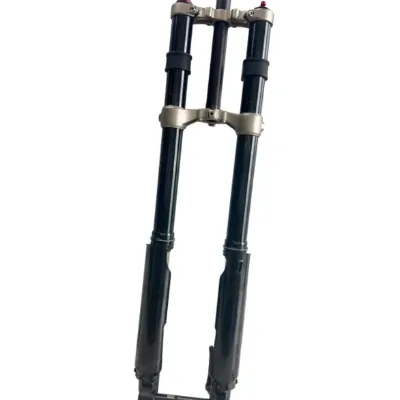


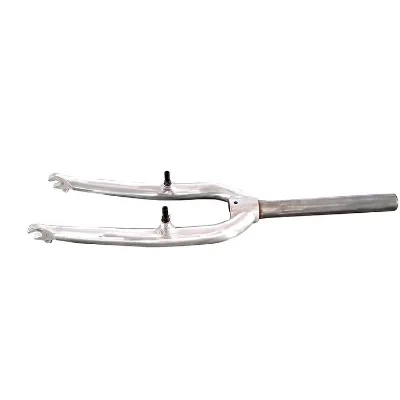
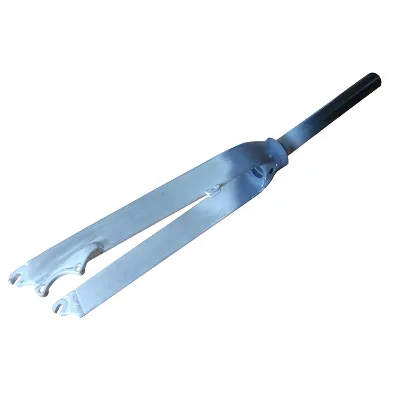
Hot Product Alloy Self-color Bicycle Fork Fat Bike Excellent Workmanship Best Service
$8.00 - $13.00
MOQ: 1000 Minimum
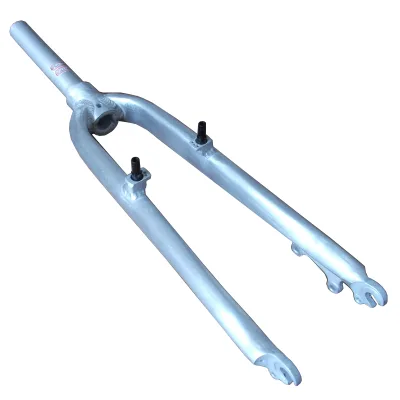
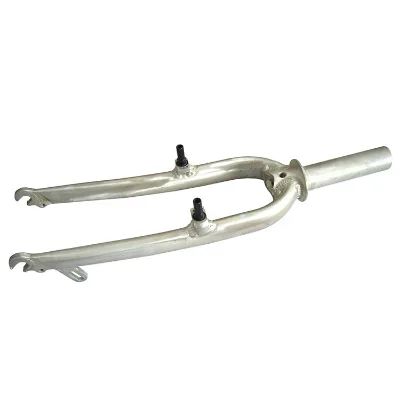
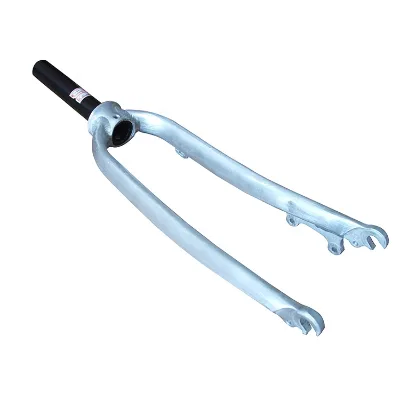
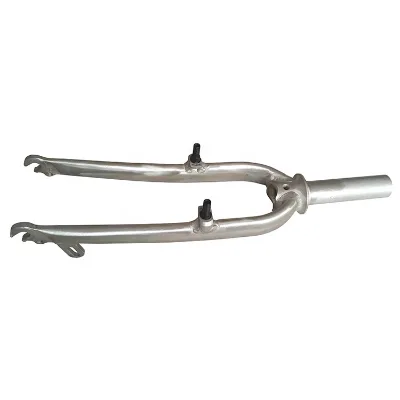
New 2021 Alloy 6061 22 inches / 24 inches / 26 inches bicycle fork parts best service
$8.00 - $13.00
MOQ: 1000 Minimum
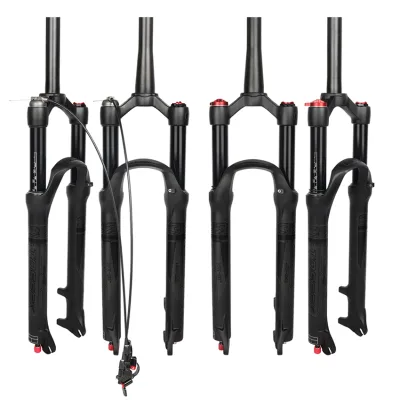
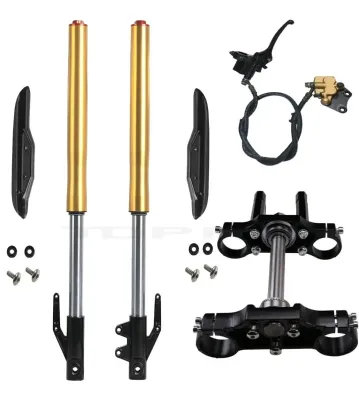
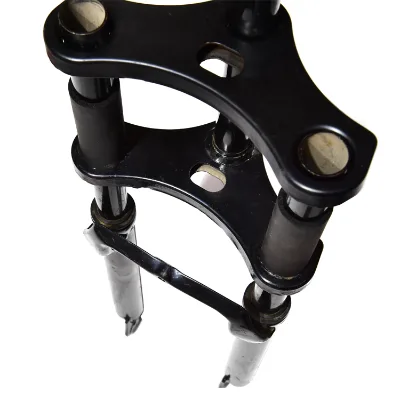
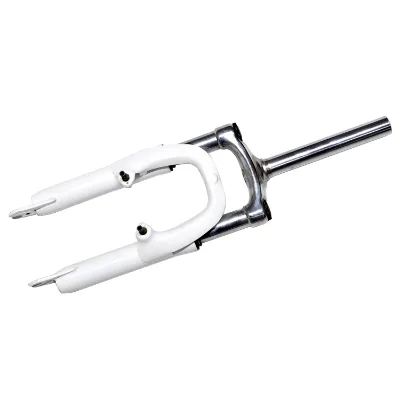


Light Aluminum 29"Bicycle Rigid Hard Fork Tapered Dropout 100X15 Thru-Axle
$40.00 - $50.00
MOQ: 100 Pieces
Comprehensive Sourcing Guide
Bike Fork Sourcing Guide
Selecting the right front fork is a critical decision that directly influences the handling, safety, and overall performance of a bicycle. The market offers a diverse range of options, from rigid steel forks for urban commuting to high-travel suspension forks for mountain biking. Buyers must navigate varying material compositions, suspension mechanisms, and compatibility requirements to ensure the selected component aligns with the final product’s intended use. This guide provides evidence-based procurement strategies to help sourcing professionals evaluate suppliers, verify technical specifications, and mitigate risks associated with component quality and commercial terms.
The procurement landscape for bike forks is characterized by significant variation in manufacturing origins, primarily concentrated in regions like Hebei and Guangdong in China. Suppliers offer everything from basic, cost-effective rigid forks to complex, high-performance suspension units. Understanding the distinction between these categories is essential for defining procurement requirements accurately. Buyers should focus on matching the fork’s structural integrity and suspension capabilities with the specific demands of the target bicycle model, whether it is a lightweight road bike, a durable mountain bike, or a specialized kids’ bike.
Product Scope and Observed Listing Signals
The current market listings indicate a broad spectrum of Bike Fork types, including oil and gas forks, spring forks, and rigid models designed for various bicycle categories. Observed applications span ordinary bicycles, mountain bikes, road bikes, and kids' bikes, suggesting that suppliers cater to both mass-market and niche segments. The presence of customization options, such as color choices and specific model numbers like TJ-FK-001 and BN270, highlights the flexibility available to buyers who require branded or specialized components. This variety allows for tailored sourcing strategies based on the end-user’s performance expectations and aesthetic preferences.
Material composition is a key differentiator among the observed listings, with steel and aluminum alloys being the primary materials cited. Steel forks are often associated with durability and cost-effectiveness, making them suitable for everyday use or entry-level models, while aluminum forks offer lighter weight and improved corrosion resistance, which is advantageous for performance-oriented bicycles. The observed weight ranges, from approximately 1.72 kg to 4.1 kg, reflect these material differences and suspension complexities. Buyers should carefully assess the weight and material specifications to ensure they align with the overall bicycle design and target market positioning.
Technical Specifications to Verify
Verifying technical specifications is paramount to ensuring compatibility and performance. Key dimensions such as steerer tube diameter, typically observed at 31.8mm or 38mm, and axle standards, such as 110*20mm quick release or thru-axle, must match the bicycle frame and wheelset. Additionally, wheel size compatibility, ranging from 24 to 29 inches, requires precise verification to prevent installation issues. Buyers should request detailed dimensional drawings and cross-reference them with the bicycle’s frame geometry to avoid costly mismatches during assembly.
Suspension travel and fork length are critical performance indicators, particularly for mountain bikes. Observed travel distances vary significantly, with some models offering 100mm of travel for cross-country use and others providing 180mm or 200mm for aggressive downhill riding. The fork’s thickness, observed between 1.2mm and 1.5mm, also impacts structural rigidity and weight. Buyers must confirm these specifications with the supplier, ensuring that the fork’s travel and geometry are appropriate for the intended riding conditions and that the component meets the required load-bearing standards.
Compliance and Safety Documentation
Compliance with international standards is essential for market access and consumer safety. Observed certifications include CE and ISOCE, which indicate adherence to European safety and quality requirements. Buyers should verify the validity and scope of these certifications, ensuring they cover the specific fork models being procured. Additionally, some listings mention BSCI certification, which relates to social compliance and ethical manufacturing practices. Procurement teams should request current certification documents and confirm that they are issued by accredited bodies to mitigate regulatory risks.
Safety documentation should also include test reports and quality assurance protocols. While specific test results are not detailed in the observed listings, buyers should inquire about the testing procedures used to validate the fork’s durability and performance. This may include fatigue testing, impact resistance tests, and brake compatibility checks, especially for models designed for disc brakes. Establishing clear requirements for safety documentation during the supplier qualification phase helps ensure that all procured components meet the necessary safety standards for their intended markets.
Cost Drivers and Commercial Terms
Several factors influence the cost of bike forks, including material choice, suspension complexity, and customization requirements. Aluminum forks with advanced suspension mechanisms, such as oil and gas systems, typically command higher prices than basic steel rigid forks. The observed price range of 1-315 USD reflects this diversity, with higher-end models featuring greater travel and specialized features costing more. Buyers should analyze the cost structure in relation to the fork’s specifications and expected lifespan to determine the best value for their specific application.
Commercial terms and logistics also play a significant role in total procurement costs. Observed price terms include FOB, CNF, CIF, and EXW, each carrying different responsibilities for shipping and insurance. Lead times are typically around 25 days after deposit receipt, which buyers must factor into their production schedules. Minimum order quantities (MOQs) vary, with some listings indicating MOQs of 300 pieces, while others suggest ranges from 10 to 1000 units. Understanding these terms helps buyers negotiate favorable conditions and manage inventory levels effectively.
Supplier Qualification and Quality Control
Supplier qualification involves assessing manufacturing capabilities, quality control processes, and past performance. Buyers should prioritize suppliers with established production facilities in recognized manufacturing hubs like Hebei and Guangdong. Requesting factory audits or third-party inspections can provide insights into the supplier’s quality management systems and production capacity. Additionally, verifying the supplier’s ability to handle customization requests, such as specific colors or branding, is crucial for buyers seeking differentiated products.
Quality control measures should be integrated into the procurement process to ensure consistent product quality. Buyers should define clear acceptance criteria for dimensions, materials, and finish quality. Implementing pre-shipment inspections can help identify defects before goods leave the factory, reducing the risk of receiving non-conforming products. Establishing a robust quality control protocol, including sample approval processes and regular performance checks, ensures that the procured bike forks meet the required standards and perform reliably in the field.
Long-Term Procurement Checks
Long-term procurement success depends on continuous supplier evaluation and relationship management. Buyers should regularly review supplier performance metrics, including on-time delivery rates, product quality consistency, and responsiveness to issues. Maintaining open communication channels with suppliers facilitates timely resolution of any problems and fosters a collaborative partnership. Additionally, staying informed about industry trends and technological advancements in fork design can help buyers identify opportunities for innovation and cost optimization.
Periodic re-evaluation of supplier certifications and compliance status is essential to maintain regulatory adherence. Buyers should ensure that suppliers renew their certifications as needed and comply with any changes in international standards. Furthermore, monitoring market dynamics and pricing trends can help buyers negotiate better terms and secure favorable contracts. By implementing a structured long-term procurement strategy, buyers can build a resilient supply chain that supports their business goals and delivers high-quality bike forks consistently.
FAQs
What certifications do the bike forks have?
The bike forks carry CE and ISOCE certifications, with some models also holding BSCI certification. These standards ensure the products meet specific safety and quality requirements for international markets, providing assurance to buyers regarding compliance and manufacturing standards.
Can I get custom colors for the bike forks?
Yes, customization is available for colors, including options like CP, ED painted finishes, or any color you want. Buyers can request specific color schemes to match their brand identity, making these forks suitable for diverse market segments and custom orders.
What is the minimum order quantity for these forks?
The minimum order quantity is 300 pieces for most models, though some listings show ranges between 10 and 1000 units. Buyers should verify the specific MOQ for their chosen model, as it may vary depending on the customization level and material selected.
How long does delivery take after payment?
Delivery typically takes 25 days after the deposit is received. This lead time applies to standard orders, and buyers should account for this duration when planning their inventory replenishment or product launch schedules to ensure timely market availability.
Which materials are used to make these forks?
The forks are manufactured using steel, aluminum, or alloy materials depending on the specific model. Steel options are common for durability, while aluminum and alloy variants offer lighter weight, catering to different performance needs for mountain, road, and kids bikes.
What travel distances are available for suspension forks?
Suspension forks offer travel distances of 100mm, 180mm, or 200mm depending on the model. These variations allow riders to select the appropriate suspension travel for their riding style, whether for cross-country, trail, or downhill mountain biking applications.