Source Bikini Razor for Face, Body, and Underarm Use
Source 30 Bikini Razor options for face, body, and underarm hair removal. Compare triple, single, and six-blade designs with stainless steel blades and plastic handles. Find OEM services and blister packaging for your brand needs; compare the available evidence and request quotations based on your requirements.
Key considerations
Products List


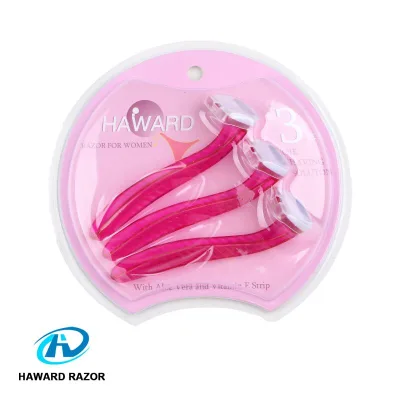
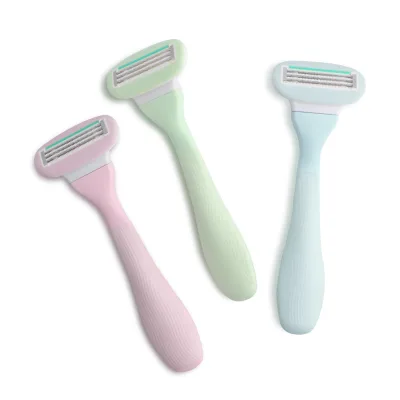
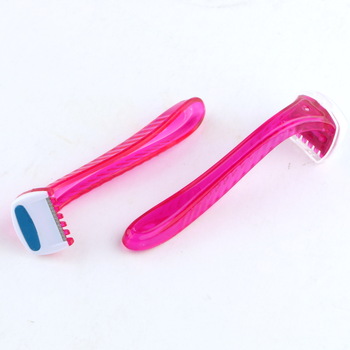

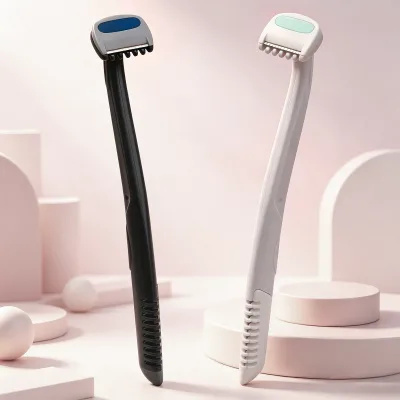
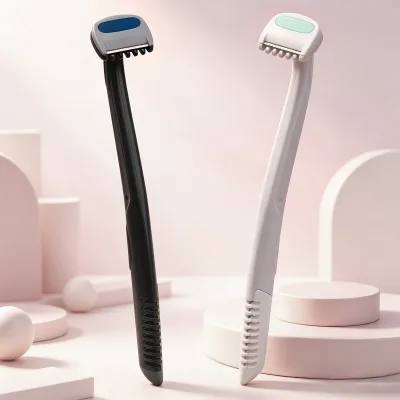

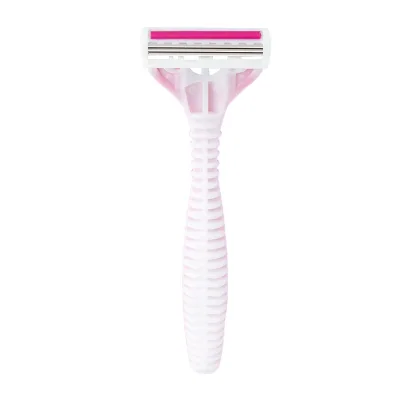
2 in 1 Women Bikini Razor Body Hair Removal Razor with Safety Protective Comb
$0.20 - $0.24
MOQ: 50000 Pieces


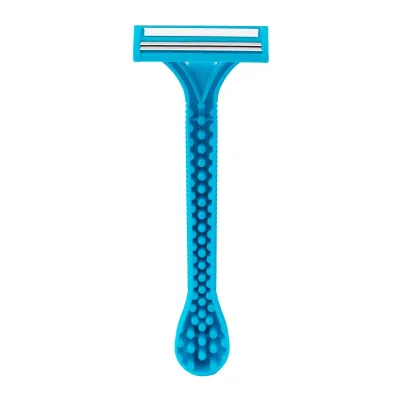
Wholesale Single Blade Razor Shaving Disposable Bikini Razor Women Razor Shavers
$0.17 - $0.25
MOQ: 10 Pieces




Comprehensive Sourcing Guide
Bikini Razor Sourcing Guide
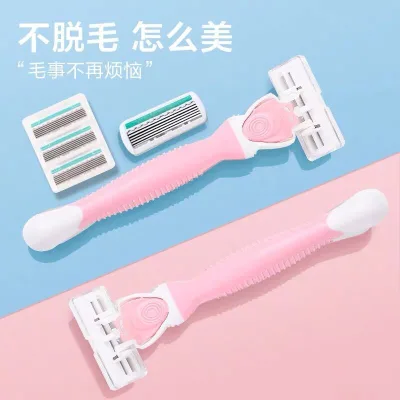
The global market for bikini razors encompasses a diverse range of manual and disposable tools designed specifically for sensitive body areas. Procurement data indicates a strong presence of single, triple, and six-blade configurations, with materials ranging from standard stainless steel to specialized Swedish stainless steel for enhanced sharpness and durability. Buyers must navigate a landscape where product types vary from standard shaving blades to dedicated hair removal scrapers, often featuring pivoting heads to adapt to body contours.
Sourcing decisions should prioritize the specific usage requirements of the target demographic, as observed listings highlight applications for face, body, and underarm hair removal. The availability of customization options, including OEM branding and color variations like pink or blue, allows buyers to tailor products to specific brand identities. However, the distinction between electric and manual devices is critical, as the current market data predominantly features non-electric, disposable units that require careful handling of blade safety and packaging integrity.
Product Scope and Observed Listing Signals
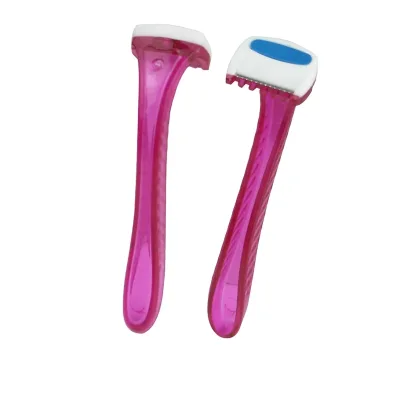
Buyers must carefully distinguish between the various blade configurations available, as the market offers single, triple, and six-blade options that serve different shaving intensities. The observed product range includes models with pivoting heads and mixed plastic and rubber handles, which are essential for maintaining grip in wet conditions. It is vital to verify the exact blade count and material composition, as some listings specify stainless steel while others highlight premium Swedish stainless steel, directly impacting the perceived quality and cost of the unit.
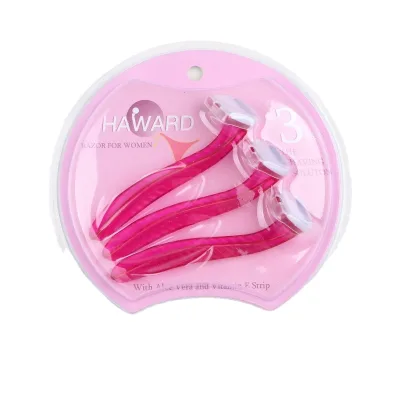
Packaging and presentation signals provide immediate insight into the product's intended market positioning and logistics requirements. Listings frequently indicate blister packaging or paper box packing, with some units sold in sets of three pieces per pack. The presence of specific model numbers like LA-2676 or X-3002 suggests a need for strict inventory management to avoid confusion between similar-looking SKUs. Additionally, the observation of "disposable" attributes confirms that these are single-use items, necessitating a supply chain strategy that accounts for high-volume turnover and waste management considerations.
Technical Specifications to Verify
Verification of the handle material and blade composition is the first technical step in ensuring product safety and performance. While many units utilize standard plastic handles, some specifications explicitly mention a mix of plastic and rubber to improve ergonomics. Buyers should confirm the blade material, as the difference between generic stainless steel and Swedish stainless steel can significantly affect the longevity of the edge and the smoothness of the shave. The absence of electric components in the observed data confirms that these are manual tools, requiring a focus on mechanical durability rather than battery life or motor performance.
The physical dimensions and weight of the product are critical for determining shipping costs and retail shelf fit. Observed specifications include single package sizes of 23x10x5 cm and gross weights of 0.300 kg, which are essential for calculating freight charges and storage requirements. Buyers must also verify the model number consistency, as variations like D130 or T-RZ004 may indicate different internal component designs or packaging standards. Ensuring that the "regular" style matches the intended aesthetic and functional expectations of the end-user is a key decision point before finalizing any order.
Compliance and Safety Documentation
Safety documentation for disposable razor products must address the sharpness of the blades and the integrity of the packaging to prevent injury during transit and use. Since the products are classified as disposable and intended for sensitive areas like the bikini line, buyers should request evidence that the blades are securely encased in blister or box packaging to prevent accidental cuts. The "Three Years" warranty mentioned in some listings suggests a manufacturer confidence in durability, but for disposable items, this likely refers to the shelf life or the guarantee against manufacturing defects rather than long-term usage.
Regulatory compliance regarding the materials used in the handle and blade is another critical area for verification. The standard "plastic and rubber mixed handle" requires confirmation that the materials meet relevant safety standards for skin contact, particularly for products originating from regions like Jiangsu or Zhejiang. Buyers should ensure that the supplier provides documentation confirming the absence of harmful substances in the plastic and rubber components. Additionally, the "OEM" and "ODM" acceptability indicates that branding changes are permitted, but the underlying safety certifications must remain valid regardless of the brand name applied to the product.
Cost Drivers and Commercial Terms
The cost structure for bikini razors is heavily influenced by the blade count and the quality of the steel used in the manufacturing process. Products featuring Swedish stainless steel or triple-blade configurations typically command a higher price point compared to single-blade, standard steel alternatives. The observed price range of 0.02 to 10.49 USD reflects this variance, with the lower end likely representing basic single-blade disposables and the higher end covering premium multi-blade or specialized models. Buyers must align their budget with the specific feature set required for their target market segment.
Commercial terms, particularly Minimum Order Quantities (MOQ) and lead times, vary significantly across different suppliers and product models. The data shows an MOQ range from 10 pieces to 300,000 pieces, indicating that suppliers cater to both small trial orders and large-scale distribution needs. A delivery time of 40 days is a common benchmark for production and shipping, which buyers must factor into their inventory planning. The availability of samples is a crucial commercial term that allows buyers to validate quality before committing to larger volumes, mitigating the risk of ordering unsuitable products.
Supplier Qualification and Quality Control
Supplier qualification should begin with verifying the place of origin, as the data points to manufacturing hubs in Jiangsu and Zhejiang, China. These regions have established supply chains for plastic and metal goods, but buyers must ensure that the specific factory has a track record of producing high-quality disposable razors. The acceptance of OEM and ODM services suggests flexibility, but it also requires a robust quality control process to ensure that custom branding does not compromise the structural integrity of the razor or the safety of the blade packaging.
Quality control protocols must focus on the consistency of the blade sharpness and the durability of the handle attachment. Since the products are disposable, the primary quality metric is the performance of the blade during a single use and the secure attachment of the blade to the handle. Buyers should request test results or quality assurance reports that confirm the blade material meets the specified standards, such as the use of Swedish stainless steel where claimed. Regular inspections of the packing process are also necessary to ensure that the blister or box packaging remains intact and that the correct number of units, such as three pieces per set, are included.
Long-Term Procurement Checks
Long-term procurement strategies should include periodic re-evaluation of supplier performance against the initial quality benchmarks established during the sampling phase. As the market for disposable razors evolves, buyers must monitor whether suppliers continue to meet the specified standards for blade material and handle ergonomics. The "Three Years" warranty mentioned in some listings should be scrutinized to understand its actual scope, ensuring it covers potential defects that might arise during the product's shelf life or initial usage.
Sustainability and supply chain resilience are becoming increasingly important factors in long-term sourcing decisions. Buyers should assess the supplier's ability to maintain consistent lead times, such as the observed 40-day delivery window, even during periods of high demand or raw material shortages. Additionally, the flexibility to adjust order quantities, given the wide MOQ range from 10 to 300,000 pieces, allows buyers to adapt to market fluctuations without being locked into rigid contracts. Continuous communication with suppliers regarding material sourcing and production capacity will help mitigate risks associated with supply chain disruptions.
FAQs
What blade options are available for bikini razors?
Multiple blade configurations are available, including single, triple, and six-blade designs. Single-blade models are often preferred for sensitive areas to reduce irritation, while multi-blade options provide a closer shave. Buyers can select based on their specific hair removal needs and skin sensitivity requirements.
Can I customize the razor with my own brand?
Yes, OEM and ODM services are welcomed for these products. Manufacturers accept custom branding and packaging requests to meet specific market needs. This allows businesses to create unique product identities while leveraging established manufacturing capabilities for quality and consistency in the final output.
What is the typical MOQ for disposable razors?
Minimum order quantities vary significantly by supplier and product type. Some vendors accept orders as low as ten pieces for samples, while standard bulk orders may require up to thirty thousand units. Buyers should verify specific MOQ requirements with manufacturers to align with their inventory strategy.
How long does delivery take for bulk orders?
Standard delivery times are approximately forty days for production and shipping. This timeline ensures quality control and efficient logistics for international shipments. Buyers should plan their procurement schedules accordingly to avoid stockouts, especially during peak seasons or when customizing packaging and branding elements.
Are these razors suitable for body hair removal?
Yes, these razors are designed for face, body, and underarm use. They are particularly effective for bikini line and general body hair removal. The ergonomic handles and pivoting heads ensure comfort and precision, making them suitable for various grooming routines across different body areas.
What materials are used in the razor construction?
Razors typically feature stainless steel blades, often sourced from Sweden for durability. Handles are made from plastic or mixed plastic and rubber materials for grip. These materials ensure a balance of sharpness, longevity, and user comfort during the shaving process for various body parts.