Source Biodegradable Japan Sumitomo Sanitary Napkin for Home, Travel, and Medical Use
Compare 30 listings for Biodegradable Japan Sumitomo Sanitary Napkin from verified factories. Buyers can evaluate features like absorbency, top sheet material, and customization options to find the right supplier for bulk orders.
Key considerations
Products List


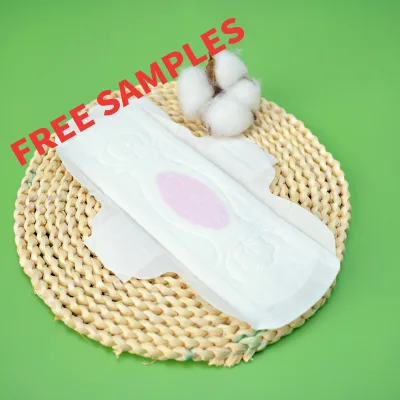


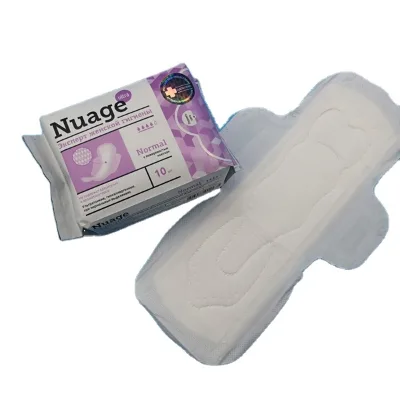
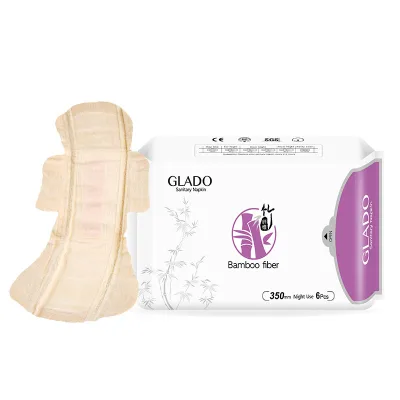
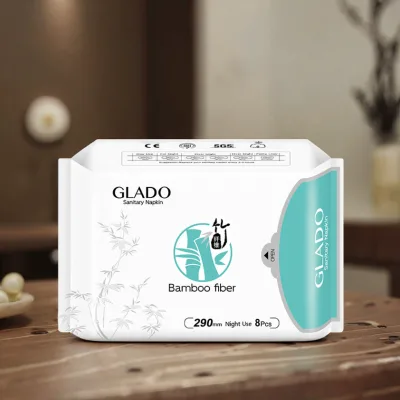
Biodagradablesoft and Comfortable High Quality Sanitary Napkin for Ladies
$0.02 - $0.03
MOQ: 100000 Pieces


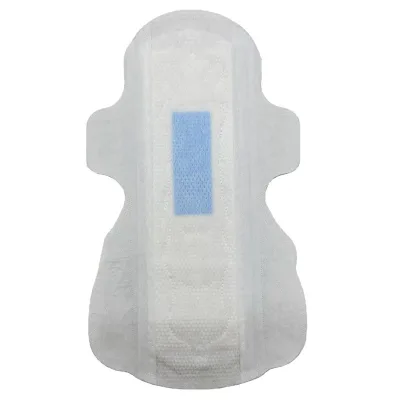
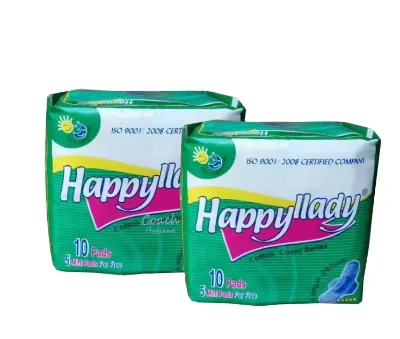
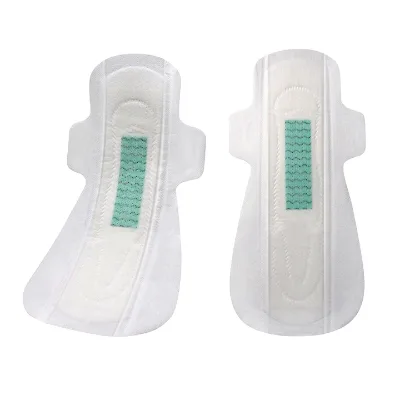
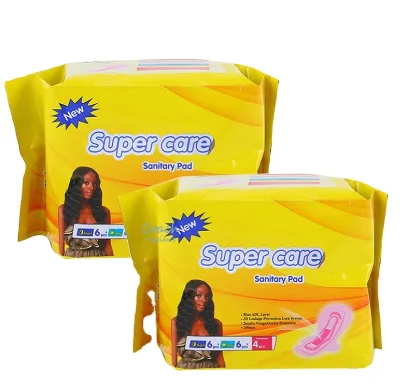
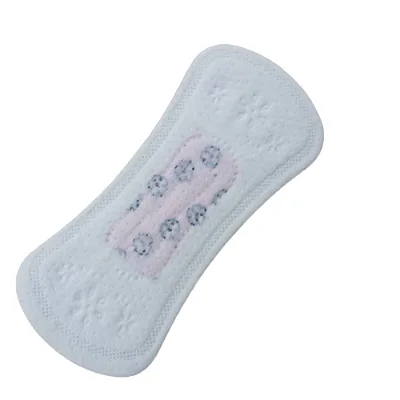
Organic Sanitary Absorbing Pads Aloe Sanitary Napkins Wholesale for Girls
$0.07 - $0.09
MOQ: 50000 pieces
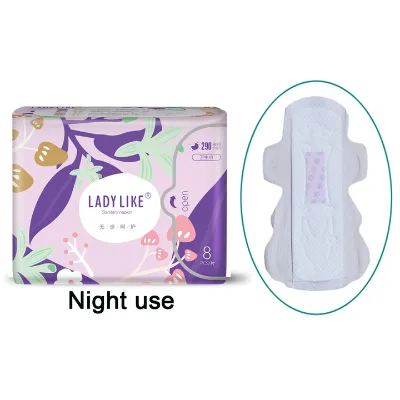
Eco Friendly Disposable Free Sample Customized Layers Sanitary Napkin Ultra Thin
$0.05 - $0.07
MOQ: 2000 pieces
Comprehensive Sourcing Guide
Biodegradable Japan Sumitomo Sanitary Napkin Sourcing Guide
Sourcing sanitary napkins that combine high-performance absorbency with eco-conscious materials requires a nuanced understanding of both chemical components and manufacturing capabilities. The term "Japan Sumitomo" refers to a specific grade of Super Absorbent Polymer (SAP) produced by Sumitomo Seika, a leading global manufacturer known for its high-quality hydrogel technology. Buyers often seek this specific SAP because it offers superior liquid retention, rapid absorption rates, and resistance to gel blocking compared to generic alternatives. However, it is critical to distinguish between products that genuinely use Sumitomo SAP and those that merely claim it. The presence of this material does not automatically imply that the entire product is biodegradable, as the core structure often includes non-woven fabrics, breathable backsheets, and plastic-based adhesives. Therefore, procurement teams must carefully evaluate the full material composition to ensure alignment with sustainability goals while maintaining the functional performance expected from premium hygiene products.
The intersection of "biodegradable" claims and "Sumitomo SAP" presents a technical complexity that buyers must navigate with caution. Standard SAPs, including those from Sumitomo, are typically polyacrylate-based polymers that are not readily biodegradable in natural environments, though they are safe for landfill disposal in many jurisdictions. A truly biodegradable sanitary napkin would require alternative absorbent cores, such as wood pulp, bamboo fiber, or plant-based polymers, which may differ significantly in performance characteristics from synthetic SAPs. Consequently, sourcing guides must clarify that a product labeled with both terms may be using Sumitomo SAP for performance while utilizing biodegradable outer layers, or the terminology may be used loosely in marketing. Buyers should prioritize suppliers who provide transparent material breakdowns and third-party verification of biodegradability claims, rather than relying on single-keyword product titles. This approach ensures that the final product meets both regulatory standards and the brand’s environmental commitments without compromising on user comfort or leak protection.
Product Scope and Observed Listing Signals
Market listings for sanitary napkins frequently highlight a range of features that signal product quality and target audience preferences. Common attributes observed in current supply channels include "Super Absorbent," "Breathable," and "Odor Control" features, which are essential for user satisfaction. The top sheet material is often described as "Soft Cotton" or "Soft Non-Woven," indicating a focus on skin-friendly contact surfaces. Additionally, the shape of the product is frequently noted as "Winged" or "Fan-Shape," with side-gather features to enhance fit and prevent lateral leakage. These physical characteristics are standard in the industry but vary significantly in execution. Buyers should note that while "With Pattern" and "With Flavor" are listed as available options, these are niche variations that may not align with all market segments, particularly in regions where unscented and plain designs are preferred for sensitive skin. Understanding these listing signals helps in filtering suppliers who offer the specific aesthetic and functional requirements of your target demographic.
The variability in product specifications across different suppliers underscores the need for precise definition during the sourcing process. Models such as "Blyss" and "Joyday" appear in listings, suggesting that manufacturers offer distinct product lines or branding options. Lengths range from 150mm to 410mm, covering daily use pads to overnight maxi pads, with specific models like the "Blyss" noted at 245mm. The backsheet material is another critical differentiator, with options including "Breathable PE Film" or generic breathable backsheets. While some listings mention "Biodegradable" materials, the core absorbent layer often relies on imported SAP from Japan, specifically Sumitomo, to ensure high absorbency. This combination of breathable outer layers and high-performance synthetic cores is common in premium products. Buyers must verify whether the "biodegradable" claim applies to the entire product or just specific components, as this distinction impacts waste management strategies and regulatory compliance in different markets.
Technical Specifications to Verify
Verifying the technical specifications of sanitary napkins is paramount to ensuring product consistency and performance. The core absorbent technology is a primary area of focus, with many suppliers claiming the use of SAP imported from Japan Sumitomo. Buyers should request documentation or batch-specific certificates to confirm the source and grade of the SAP, as performance metrics like absorption capacity and rewet resistance vary by polymer quality. The top sheet material should be verified for softness and permeability, with options ranging from perforated non-woven fabrics to soft cotton-like materials. The backsheet must be evaluated for breathability and leak-proof integrity, often constructed from breathable PE film or similar polymers. Additionally, the layer structure, described as "Soft" or multi-layered, should be assessed for durability and comfort. These technical details directly influence user experience and brand reputation, making rigorous verification essential before placing large orders.
Packaging and dimensional standards are equally critical for logistics and retail readiness. Standard dimensions for sanitary napkins typically include lengths of 155mm, 240mm, 285mm, 350mm, and 410mm, catering to different flow levels and usage times. The packaging itself, often described as plastic bags within cartons, must be designed to maintain hygiene and product integrity during transit. Some suppliers offer customizable packaging quantities, which can be advantageous for adapting to different retail formats or promotional campaigns. The product model, such as "Blyss" or "Joyday," may correspond to specific dimensional or feature sets, so buyers should map these models to their internal SKU systems accurately. Furthermore, the presence of wings and side-gather features should be physically inspected in samples to ensure they adhere properly and do not detach during use. These verification steps prevent costly mismatches between ordered specifications and delivered goods.
Compliance and Safety Documentation
Compliance with international standards is a non-negotiable aspect of sourcing sanitary napkins, particularly when marketing them as premium or eco-friendly products. Certifications such as ISO 9001, CE, and Halal are frequently cited by suppliers, indicating adherence to quality management systems, European conformity, and dietary/religious standards, respectively. For products claiming biodegradability, buyers should seek specific certifications from recognized bodies, such as OK Biodegradable or ASTM D6400, to validate environmental claims. These certifications provide assurance that the product meets defined criteria for decomposition under specific conditions, which is crucial for brands targeting environmentally conscious consumers. Without such documentation, "biodegradable" claims may be considered misleading, potentially leading to regulatory scrutiny or reputational damage. Therefore, verifying the authenticity and scope of these certifications is a key step in the supplier qualification process.
Safety and hygiene standards are equally important, as sanitary napkins are intimate hygiene products that come into direct contact with sensitive skin. Suppliers should provide test reports for microbiological safety, pH balance, and chemical residue limits, ensuring that the products are free from harmful substances like dioxins, heavy metals, or volatile organic compounds. The use of imported SAP from Japan Sumitomo is often associated with higher purity standards, but this does not exempt the final product from rigorous safety testing. Buyers should also verify that the manufacturing facility adheres to Good Manufacturing Practices (GMP) and holds relevant medical device or hygiene product licenses, depending on the local regulatory environment. Additionally, for markets requiring Halal certification, the sourcing of materials and the manufacturing process must be free from prohibited substances, a detail that requires careful audit of the supply chain. These compliance measures protect both the consumer and the brand from health risks and legal liabilities.
Cost Drivers and Commercial Terms
The cost structure of sanitary napkins is influenced by several key factors, including raw material prices, manufacturing complexity, and order volume. The use of Japan Sumitomo SAP is a significant cost driver, as this premium polymer is more expensive than generic alternatives. However, it offers superior performance, which can justify a higher price point in the market. Other cost factors include the type of top sheet material, with soft cotton or specialized non-woven fabrics costing more than standard polypropylene. The inclusion of features like wings, fan-shapes, and side-gathers also adds to the manufacturing complexity and cost. Buyers should analyze the bill of materials to understand how these components contribute to the final unit price. Additionally, packaging customization, such as branded cartons or specific quantity configurations, can impact costs due to setup fees and material requirements.
Commercial terms, including Minimum Order Quantity (MOQ) and payment conditions, vary widely among suppliers. Observed MOQs range from small trial orders of 20 pieces to large industrial quantities of 380,000 pieces, reflecting the flexibility of different manufacturing setups. For OEM/ODM projects, MOQs are typically higher to amortize setup costs for custom packaging and branding. Lead times are also a critical consideration, with production schedules depending on order size and material availability. Buyers should negotiate clear terms regarding price breaks at different volume tiers, as this can significantly affect profitability. Payment terms, such as deposits and balance payments against shipping documents, should be aligned with standard industry practices to manage cash flow effectively. Understanding these commercial dynamics allows buyers to structure orders that balance cost efficiency with supply chain reliability.
Supplier Qualification and Quality Control
Qualifying suppliers for sanitary napkin production requires a thorough assessment of their manufacturing capabilities and quality control systems. Buyers should prioritize suppliers who are direct manufacturers, as indicated by "Factory" business types, rather than trading companies, to ensure better control over production processes and costs. Site audits are essential to verify the cleanliness of the production environment, the condition of machinery, and the implementation of quality control checkpoints. Suppliers should demonstrate a robust system for raw material inspection, in-process monitoring, and final product testing. The ability to provide samples for evaluation is a positive indicator, allowing buyers to assess product quality firsthand. Additionally, suppliers with experience in OEM/ODM projects should be able to demonstrate their flexibility in meeting specific design and branding requirements. This due diligence helps mitigate the risk of receiving substandard products or facing production delays.
Quality control extends beyond the initial audit to include ongoing monitoring and feedback mechanisms. Buyers should establish clear quality standards and acceptance criteria, including parameters for absorbency, dimensions, and packaging integrity. Regular inspections, either through third-party agencies or internal teams, should be conducted during production and before shipment. Suppliers should be required to provide batch-specific test reports and certificates of analysis for each production run. Any deviations from agreed specifications should be addressed promptly through corrective action plans. Furthermore, suppliers should have a clear process for handling customer complaints and returns, ensuring that issues are resolved efficiently. Building a strong partnership with a qualified supplier involves continuous communication and collaboration to maintain high standards of product quality and service reliability.
Long-Term Procurement Checks
Long-term procurement success depends on the ability to adapt to changing market trends and regulatory landscapes. Buyers should regularly review supplier performance metrics, including on-time delivery rates, product quality consistency, and responsiveness to issues. Continuous improvement initiatives, such as cost reduction projects or product innovation, should be encouraged through collaborative discussions with suppliers. As sustainability becomes increasingly important, buyers should work with suppliers to explore new materials and technologies that enhance the environmental profile of their products. This may include investigating alternative absorbent cores or more sustainable packaging solutions. Staying informed about global regulations regarding hygiene products and biodegradability claims is also crucial to ensure ongoing compliance. By maintaining a proactive approach to supplier management, buyers can secure a reliable supply chain that supports their brand’s growth and reputation.
Risk management is another critical aspect of long-term procurement. Buyers should diversify their supplier base to mitigate the
FAQs
What certifications do the sanitary napkins have?
The products hold ISO, CE, and Halal certifications. Some listings also mention ISO9001 compliance. These certifications ensure the manufacturing process meets international quality and safety standards for hygiene products.
Can I customize the packaging for these pads?
Yes, customization is available for packaging requirements. Suppliers offer options like plastic bags and cartons or specific client needs. This flexibility allows buyers to tailor the presentation to their brand identity.
What is the minimum order quantity for these pads?
The minimum order quantity ranges from 20 to 380,000 units depending on the supplier. Some factories list a 20gp container requirement while others specify 150,000 units. Buyers should verify the specific MOQ with the vendor.
Which absorbent material is used in these pads?
The pads utilize Japan Sumitomo SAP for super absorbency. This material ensures high absorption capacity and effective odor control. The combination of this SAP with breathable backsheet materials enhances overall product performance.
Are samples available for these sanitary napkins?
Samples are offered by the suppliers for evaluation purposes. This allows buyers to test the soft cotton or non-woven top sheets before placing large orders. Requesting samples helps verify the product quality and specifications.
What are the available lengths for these sanitary pads?
Available lengths include 150mm, 245mm, 285mm, 350mm, and 410mm. Specific models like Blyss and Joyday have defined standard sizes. Buyers can select the appropriate length based on their target market needs.
Where are these sanitary napkins manufactured?
The products originate from Fujian and Weifang in Shandong Province, China. These locations host factories that produce the sanitary napkins with various features like winged shapes and soft layers. Buyers can source directly from these manufacturing hubs.