Source Herbal Shampoo for Hair Growth, Anti-Itching, and Nourishing
Compare 30 Herbal Shampoo listings from verified Chinese manufacturers offering customization, GMP standards, and OEM services. Buyers can evaluate liquid, gel, and lotion forms with features like anti-hair loss and moisturizing for adult unisex use; compare the available evidence and request quotations based on your requirements.
Key considerations
Products List


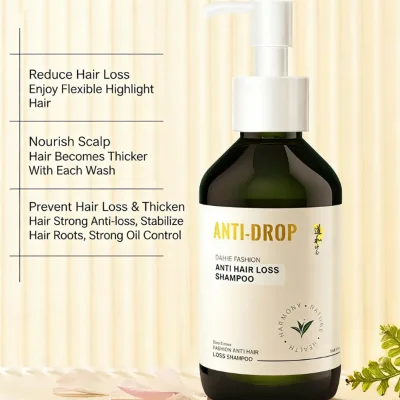
Herbal Essence Shampoo Natural Plant Shampoo Nourishing Hair Root Shampoo
$1.00 - $1.20
MOQ: 5000 Pieces




Comprehensive Sourcing Guide
Herbal Shampoo Sourcing Guide
Procurement teams must first distinguish between liquid, gel, and lotion formulations when sourcing Herbal Shampoo, as the supplied data indicates a diverse range of physical states available from manufacturers. Buyers should verify the specific form required for their market, noting that some listings specify a liquid consistency while others offer gel or lotion textures, each impacting packaging and application methods differently.
The product scope also encompasses various functional claims, including anti-hair loss, nourishing, and anti-itching properties, which must align with the intended consumer demographic. Sourcing strategies should prioritize suppliers who explicitly list herbal ingredients and target all hair types, ensuring the final product meets the broad expectations of unisex adult consumers seeking natural fragrance and specific hair care benefits.
Product Scope and Observed Listing Signals
Buyers analyzing market listings will observe a wide price range from 0.2 to 25 USD, reflecting significant variations in packaging, volume, and brand positioning. This variance necessitates a clear definition of the target price point before engaging suppliers, as the lowest prices often correspond to smaller bulk orders or basic packaging, while higher tiers may include custom branding or specialized herbal extracts.
Listing signals also reveal diverse minimum order quantities ranging from 1 to 20,000 units, allowing flexibility for both small startups and large distributors. Procurement teams must carefully evaluate these MOQ thresholds against their inventory strategy, noting that some suppliers offer low entry points of 100 pieces while others require substantial volume commitments to access specific herbal formulations or custom packaging options.
Technical Specifications to Verify
Technical verification begins with confirming the physical specifications, such as the 500ml standard volume or the 1-3kg bulk options observed in the data. Buyers must ensure the selected model, whether designated as CA06003 or SP-001, matches the required bottle material, typically plastic, and the specific weight or volume constraints necessary for their logistics and retail display requirements.
Further scrutiny is required for the product's functional attributes, specifically the presence of herbal ingredients and the claimed effects like anti-aging or moisturizing. Sourcing teams should validate that the listed features, such as black head removal or skin revitalization, are accurately described for the specific shampoo variant, ensuring the product delivers on its promise of nourishing and anti-itching benefits for the head and scalp.
Compliance and Safety Documentation
Safety compliance is critical, with many suppliers providing certifications such as CE, FDA, GMP, and MSDS to validate their manufacturing processes and product safety. Buyers must request these specific documents to confirm that the Herbal Shampoo meets international regulatory standards, particularly when exporting to markets with strict cosmetic safety requirements or when targeting health-conscious consumers who demand verified ingredient safety.
In addition to certifications, the shelf life and storage conditions must be clearly documented to ensure product integrity during transit and storage. The observed data indicates a shelf life of up to three years, but procurement teams should verify the specific expiration timelines for their chosen batch and ensure that the packaging, whether in boxes or cartons, protects the liquid or gel formulation from degradation over time.
Cost Drivers and Commercial Terms
Cost structures are heavily influenced by customization options, as the availability of OEM and ODM services allows for tailored branding and formula adjustments. Buyers should anticipate that customizing the scent, packaging, or specific herbal blend will increase the unit cost, but this investment often yields higher market differentiation and brand loyalty compared to generic, off-the-shelf Herbal Shampoo products.
Commercial terms also vary based on delivery timelines and order volumes, with some suppliers offering rapid delivery times of 1-3 days for smaller orders. Procurement managers must balance the urgency of their supply chain needs against the cost implications of expedited shipping, while also negotiating payment terms that align with the observed MOQ ranges to optimize cash flow and inventory turnover.
Supplier Qualification and Quality Control
Supplier qualification requires a thorough review of their production capabilities, particularly their origin in regions like Zhejiang Hangzhou, China, which is known for its manufacturing infrastructure. Buyers should assess the supplier's capacity to maintain consistent quality across different product models and ensure that their GMP standards are actively enforced throughout the production line to prevent contamination or formulation inconsistencies.
Quality control protocols must be established to verify that the final product matches the specified attributes, such as the transparent or yellow color and the specific herbal ingredient profile. Regular audits and sample testing are essential to confirm that the anti-hair loss and refreshing effects are consistent, ensuring that every batch delivered meets the rigorous expectations of the target market and maintains the brand's reputation for quality.
Long-Term Procurement Checks
Long-term success depends on maintaining a stable supply chain that can adapt to changing market demands and regulatory updates. Buyers should establish ongoing communication channels with suppliers to monitor changes in herbal ingredient availability and ensure that the product formulation remains compliant with evolving international safety standards and consumer preferences.
Continuous performance monitoring is also vital to track the efficacy of the Herbal Shampoo in the market and gather feedback on customer satisfaction. By regularly reviewing sales data and return rates, procurement teams can identify potential issues with specific product models or batches early, allowing for timely adjustments to the sourcing strategy and ensuring the continued relevance of the Herbal Shampoo line in a competitive global market.
FAQs
What certifications are available for Herbal Shampoo products?
Herbal Shampoo products are available with CE, FDA, GMP, and MSDS certifications. These credentials ensure compliance with international safety and manufacturing standards. Buyers can verify these documents to confirm product quality and regulatory adherence for global distribution channels.
Can I customize Herbal Shampoo formulations for my brand?
Yes, OEM and ODM customization services are provided for Herbal Shampoo. Manufacturers support tailored formulations, packaging designs, and branding requirements. This flexibility allows businesses to create unique products that meet specific market demands and consumer preferences effectively.
What is the typical MOQ for Herbal Shampoo orders?
The minimum order quantity for Herbal Shampoo starts at 100 pieces. This low entry point facilitates testing for new brands. Larger orders may have different terms, but the baseline allows small businesses to source inventory without excessive initial capital investment.
How long is the delivery time for Herbal Shampoo?
The standard delivery time for Herbal Shampoo is 1-3 days. This rapid turnaround supports urgent restocking needs. Buyers should confirm specific logistics arrangements with suppliers to ensure timely receipt of goods, especially for international shipments requiring additional handling.
What ingredients are used in Herbal Shampoo formulations?
Herbal Shampoo formulations typically contain plant-based ingredients, vitamins, and collagen. These components provide nourishing and moisturizing benefits. The natural fragrance and herbal profile appeal to consumers seeking gentle, effective hair care solutions without harsh synthetic additives.
Where are Herbal Shampoo products manufactured?
Herbal Shampoo products are manufactured in China, specifically in Zhejiang Hangzhou. This region is known for its robust cosmetic manufacturing infrastructure. Buyers can leverage this location for efficient sourcing and access to a wide variety of established production facilities.