Source Biodegradable Paper Sandwich Box for Catering, Events, and Retail
Compare 30 listings for Biodegradable Paper Sandwich Box options from verified Chinese suppliers. Buyers can evaluate customization, certifications, and pricing for food-grade packaging needs.
Key considerations
Products List


Disposable Biodegradable Fast Food Compostable Container Paper Food Packaging
$0.02 - $0.43
MOQ: 10000 Pieces


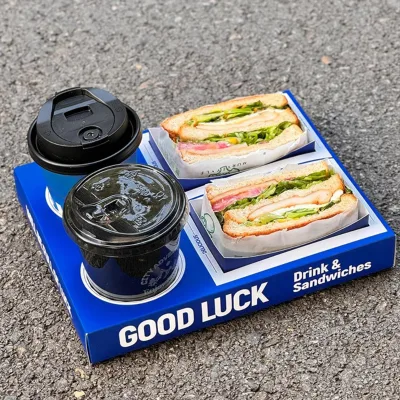

Hamburger Boxes Biodegradable Burger Paper Boxes for Fast Food Packaging
$0.03 - $0.05
MOQ: 10000 Pieces


Eco-Friendly Biodegradable Compostable Eco Friendly Disposable Paper Food Box
$0.15 - $0.30
MOQ: 1000 Pieces


Eco-Friendly Biodegradable Compostable Kraft Paper Burger Hamburger Box
$0.01 - $0.04
MOQ: 30000 piece


Disposable Food Grade Transparent Packaging Box Puff Sandwich Paper Box
$0.02 - $0.04
MOQ: 30000 piece
Comprehensive Sourcing Guide
Strategic Sourcing Guide for Biodegradable Paper Sandwich Boxes
Understanding Product Specifications and Material Composition
The foundation of a successful procurement strategy for biodegradable paper sandwich boxes begins with a precise understanding of the technical specifications and material composition available in the current market. Based on observed product data, the core material for these items is consistently identified as paper, specifically utilizing food-grade paper, kraft paper, sugar cane paper, and bamboo fibers. These materials are selected not only for their structural integrity but for their inherent ability to meet eco-friendly and biodegradable criteria. The physical form of the product is typically a disposable lunch box or sandwich box, designed to be folded for efficient storage and transport before use.
A critical aspect of the specification is the customization capability. Buyers should expect that dimensions are not fixed to a single standard but are available in customized sizes. Observed data indicates a wide range of standard sizes, including measurements in inches (8, 9, 10, 12, 15, 16 inch) and volume capacities (8oz, 16oz, 20oz, 24oz, 26oz, 32oz, 36oz). This flexibility allows procurement teams to align packaging with specific product dimensions, whether for small appetizers or large meal portions. Furthermore, the lid component is a distinct variable; suppliers often offer lids made from PET or PP materials, which provide a necessary seal while maintaining the overall biodegradable profile of the paper body. The presence of a transparent window is another common feature, allowing for product visibility without compromising the packaging's integrity.
The printing and branding capabilities are equally vital for brand differentiation. The market supports custom printing with acceptance of customer logos, utilizing CMYK, Pantone, or special printing processes. This printing is often applied to two-sided pages, ensuring brand visibility from multiple angles. The color options are diverse, ranging from natural white or brown kraft tones to fully customized multicolor designs. When evaluating suppliers, buyers must verify that the specific model numbers (such as box1, JD-LS, or HZ02310289) correspond to the desired combination of material, size, and printing features, as these identifiers often dictate the specific manufacturing process used.
Compliance, Certification, and Safety Standards
In the realm of food packaging, compliance is not merely a regulatory checkbox but a fundamental requirement for market access and consumer trust. For biodegradable paper sandwich boxes, the verification of certifications is a primary step in the supplier evaluation process. The observed product data highlights several key certifications that buyers should request and validate. These include BV (Bureau Veritas) and TUV certifications, which often attest to the quality and safety of the manufacturing process. Additionally, FSC (Forest Stewardship Council) certification is frequently cited, indicating that the paper fibers originate from responsibly managed forests.
Safety is paramount when the product is intended for direct food contact. The data explicitly mentions SGS and TUV/ISO certificates, which are critical indicators of product safety and quality management systems. Buyers must ensure that the supplier can provide valid, up-to-date test reports from these recognized bodies. The specific mention of "Food Grade Paper" in the material specifications reinforces the need for compliance with food safety standards. While background knowledge often references standards like EN 13432 or ASTM D6400 for biodegradability, buyers should treat these as verification targets rather than assumed facts. The procurement process must include a direct request for test results confirming that the product meets the specific biodegradability and compostability claims made by the supplier.
The certification landscape also extends to the manufacturing facility itself. Certifications such as ISO are indicative of a robust quality management system. When reviewing supplier documentation, buyers should look for a combination of material safety certifications (SGS) and environmental certifications (BV, FSC). It is essential to note that while "Biodegradable" and "Compostable" are listed as advantages, the specific conditions under which these claims hold true (e.g., industrial composting vs. home composting) must be clarified. The presence of these certifications serves as a proxy for the supplier's commitment to maintaining high standards of production and environmental responsibility.
Cost Drivers and Pricing Structure Analysis
Understanding the cost drivers for biodegradable paper sandwich boxes is essential for budgeting and negotiating effectively. The observed price range in the market is quite broad, spanning from $0.01 to $0.43 per unit. This significant variance is not arbitrary but is driven by several distinct factors related to material quality, customization, and order volume. The primary cost driver is the material composition. While standard kraft paper is generally more economical, premium materials such as sugar cane paper or bamboo fibers may command a higher price point due to their enhanced strength and specific eco-friendly attributes.
Customization plays a substantial role in pricing. Orders requiring custom sizes, specific printing processes (such as Pantone matching or special effects), and custom logo placement will inherently cost more than standard, off-the-shelf items. The complexity of the printing, particularly if it involves two-sided printing or specific color requirements, adds to the production cost. Additionally, the inclusion of accessories like PET or PP lids can influence the final unit price. Buyers must balance the desire for premium features with the budget constraints of the project.
Order volume is another critical determinant of cost. The observed Minimum Order Quantity (MOQ) ranges from 1,000 to 50,000 units. Generally, higher order volumes allow suppliers to optimize production runs, reducing the per-unit cost. The lower end of the price spectrum ($0.01) is likely associated with high-volume orders of standard, unbranded items, while the higher end ($0.43) may reflect smaller batches with extensive customization or premium materials. When evaluating quotes, buyers should request a tiered pricing structure that clearly delineates how costs change as order quantities increase. This transparency helps in forecasting long-term procurement costs and identifying the most cost-effective order size for specific business needs.
Typical Applications and Industrial Use Cases
Biodegradable paper sandwich boxes are designed primarily for the food and beverage packaging industry, serving a wide array of applications. The core use case is the containment and transport of solid food items, specifically sandwiches, burgers, and other prepared meals. The "Food & Beverage Packaging" classification in the product data confirms their suitability for direct food contact. The foldable nature of these boxes makes them particularly advantageous for businesses that require efficient storage of empty packaging before assembly, reducing warehouse space requirements.
The versatility of these boxes extends beyond simple food containment. The availability of transparent windows allows for retail applications where product visibility is crucial, such as in bakeries, delis, and fast-casual dining establishments. The ability to accept custom logos and printing makes these boxes an effective marketing tool, allowing brands to reinforce their identity directly on the packaging. This is particularly valuable for businesses aiming to project an eco-conscious image to their customers.
Furthermore, the specific features of these boxes, such as their biodegradability and compostability, make them ideal for events, festivals, and catering services where waste management is a significant concern. The "Eco-Friendly" and "Biodegradable" attributes are not just marketing terms but functional requirements for businesses operating in regions with strict waste disposal regulations. The age demographic of "Adult" suggests that these products are designed for general consumer use rather than specialized pediatric applications. Whether used for single-service items or bulk catering, the adaptability of the sandwich box to various serving sizes (from 8oz to 36oz) ensures it can meet the diverse needs of the food service industry.
Supplier Evaluation and Quality Control Protocols
Selecting the right supplier requires a rigorous evaluation process that goes beyond price comparisons. Buyers should prioritize suppliers who demonstrate a clear commitment to quality control and transparency. The presence of specific certifications like BV, TUV, and SGS is a strong indicator of a supplier's reliability. However, these certifications should be verified through direct requests for current documentation rather than accepted at face value. A reputable supplier will readily provide test reports and certificates that are valid and specific to the product batch being supplied.
Quality control protocols should be a central part of the supplier assessment. Buyers must inquire about the supplier's internal quality assurance processes, including how they handle material inspection, production monitoring, and final product testing. The "Food Grade" status of the paper must be confirmed through third-party testing to ensure there are no harmful substances that could leach into the food. Additionally, the structural integrity of the box, particularly when holding hot or greasy foods, should be tested. The "Folded" feature implies a specific manufacturing process that must be consistent; buyers should request samples to verify that the folding mechanism is durable and that the box maintains its shape under load.
Communication and responsiveness are also key indicators of a reliable supplier. The data mentions custom sample lead times of 3-5 days or 5-7 days, which suggests a need for prompt turnaround. A supplier that can deliver samples quickly and accurately demonstrates an efficient production workflow. Buyers should also evaluate the supplier's ability to handle customization requests, ensuring they have the technical capability to execute complex printing and sizing requirements. Finally, the packaging details, such as "100PCS/Carton" or "50PCS/Bag," should be clear and consistent, ensuring that the product arrives in good condition and is easy to manage in the buyer's logistics chain.
Long-Term Procurement Considerations and Sustainability
Sourcing biodegradable paper sandwich boxes is not just a transactional decision but a strategic move towards long-term sustainability goals. The "Eco-Friendly," "Biodegradable," "Compostable," and "Recyclable" advantages listed in the product data align with global trends towards reducing plastic waste. However, buyers must consider the entire lifecycle of the product. The origin of the materials, particularly if FSC-certified, ensures that the sourcing of paper fibers supports sustainable forestry practices. This is a critical factor for companies with strict environmental, social, and governance (ESG) mandates.
Long-term procurement also involves managing the supply chain's resilience. The observed MOQs of 1,000 to 50,000 units require buyers to plan their inventory carefully to avoid stockouts or overstocking. Establishing a long-term relationship with a supplier can help stabilize costs and ensure consistent quality. Buyers should negotiate contracts that allow for flexibility in order volumes while maintaining the agreed-upon price points. Additionally, the lead time for custom samples and production runs should be factored into the overall supply chain timeline to prevent disruptions.
Finally, the end-of-life disposal of the packaging must be considered. While the boxes are biodegradable, the effectiveness of this process depends on the local waste management infrastructure. Buyers should verify that the compostability claims are supported by valid testing and that the packaging can be processed in the facilities available to their customers. By prioritizing suppliers who provide comprehensive documentation on the environmental impact and disposal methods of their products, buyers can ensure that their procurement strategy truly supports their sustainability objectives. This holistic approach transforms the purchase of sandwich boxes from a simple operational need into a strategic asset that enhances brand reputation and contributes to environmental stewardship.
FAQs
What materials are used for biodegradable paper sandwich boxes?
These boxes are made from food-grade paper, kraft paper, sugar cane paper, and bamboo fibers. These materials ensure the product is eco-friendly, biodegradable, and suitable for direct food contact in the beverage and food industry.
Can I request custom sizes and printing for these boxes?
Yes, customization is available for sizes, colors, and logos. Suppliers accept custom printing with CMYK or Pantone colors on two-sided pages, and sizes range from 8 to 36 ounces or specific inch measurements like 8 to 16 inches.
Which certifications verify the safety and quality of these boxes?
Valid certifications include BV, TUV, SGS, and FSC. These documents confirm the product meets food safety standards and environmental requirements, ensuring the paper is food-grade and the manufacturing process maintains high quality control.
How long does it take to receive a custom sample?
Custom samples are typically ready within 3 to 7 days. Buyers can expect a lead time of 3-5 days for standard custom requests or up to 5-7 days for more complex specifications involving specific printing or sizing requirements.
What is the minimum order quantity for these packaging boxes?
The minimum order quantity ranges from 1,000 to 50,000 units depending on the supplier and customization level. Higher volumes generally reduce the unit price, which currently spans from $0.01 to $0.43 per item based on specifications.
Are these boxes foldable and suitable for hot food?
Yes, the boxes are designed to be folded for efficient storage and transport. They feature food-grade paper construction often paired with PET or PP lids to ensure structural integrity when holding hot or greasy food items.