Source Biodegradable PE T-Shirt Bags for Shopping, Promotion, and Packing
Find 30 listings for biodegradable PE t-shirt bags suitable for shopping, promotion, and packing. Buyers can compare customization options, material types like HDPE and LDPE, and delivery times from Chinese manufacturers.
Key considerations
Products List


Vest Bag T-Shirt Bag Plastic Disposable Bag Biodegradable Customized Bag
$1450.00 - $1700.00
MOQ: 1 Tons

Customized High Quality Plastic Biodegradable Eco Friendly T-Shirt Bag
$1350.00 - $1600.00
MOQ: 3 Tons


Customized Acceptable Biodegradable Compostable Eco Friendly T-Shirt Bags
$1350.00 - $1500.00
MOQ: 3 Tons


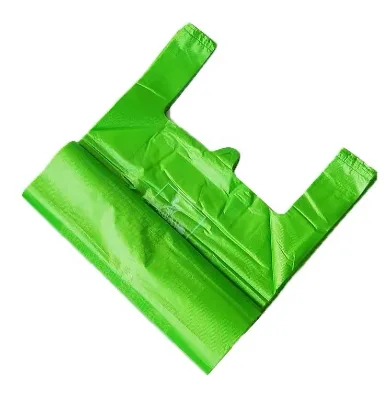

Biodegradable Plastic Compostable Compostable Garbage Shopping T-Shirt Bag
$0.01 - $0.03
MOQ: 10000 Pieces


Customized Eco Friendly Biodegradable Compost Plastic T-Shirt Carrier Bag
$0.01 - $0.10
MOQ: 1000 Pieces


Comprehensive Sourcing Guide
Strategic Sourcing Guide for Biodegradable PE T-Shirt Bags
Understanding Technical Specifications and Material Composition
When sourcing biodegradable PE t-shirt bags, the primary objective is to reconcile the traditional utility of polyethylene with the environmental requirements of biodegradability. The market data indicates a diverse range of material compositions available, including High-Density Polyethylene (HDPE), Low-Density Polyethylene (LDPE), Medium-Density Polyethylene (MDPE), and Linear Low-Density Polyethylene (LLDPE). Buyers must verify that the specific supplier's "PE" designation explicitly incorporates the necessary biodegradable additives or blends, as standard PE is not inherently biodegradable. The observed product attributes highlight that these bags often feature a "Smooth/Embossed" surface finish, which impacts both the tactile experience and the structural integrity during handling.
A critical technical distinction lies in the transparency and visual properties of the final product. Listings show variations ranging from "Translucent" and "Transparent" to "Opaque" and specific colors like "Black" or "Unicolor." The choice between these finishes often dictates the bag's suitability for specific retail environments. For instance, transparent or translucent bags allow for product visibility, which is advantageous for promotional or gift packaging, whereas opaque bags may be preferred for waste management or to conceal contents. The physical dimensions are equally variable; specifications include fixed sizes such as "38cm*40cm" alongside fully "Customized" options. This flexibility allows buyers to tailor the bag to specific inventory sizes, though customization often introduces complexity in the production timeline.
The mechanical performance of these bags is defined by their hardness and sealing methods. The observed data notes a "Soft" hardness profile, which is typical for t-shirt style bags designed to be carried comfortably over the shoulder. The "Shoulder Length Handle" is a standard feature, ensuring ergonomic distribution of weight. Regarding load-bearing capacity, the market presents a split between bags rated for "5-10 kg" and those capable of handling weights exceeding "10 kg." This variance suggests that buyers must explicitly request weight limit verification for their specific use case, as the "HDPE/LDPE" standard alone does not guarantee a specific load capacity without defined thickness or reinforcement specifications.
Compliance, Certification, and Environmental Claims
Verifying the environmental claims of biodegradable bags requires rigorous scrutiny of certifications and standards. While the term "biodegradable" is a key feature in the product listings, it must be backed by recognized third-party validation. The available data points to certifications such as "TUV Sud/SGS" and "ISO 9001/14001." These certifications are critical indicators of a supplier's commitment to quality management and environmental standards. ISO 14001, in particular, relates to environmental management systems, which is a strong proxy for the supplier's ability to manage the lifecycle of biodegradable materials.
However, buyers should be cautious of unverified claims. The presence of a "TUV" or "SGS" mark on a product listing is a positive signal, but it does not automatically confirm that the specific batch of bags meets international biodegradability standards (such as EN 13432 or ASTM D6400) unless explicitly stated in the technical data sheet. The observed data also mentions "CE" as a background certification, but this is noted with low confidence and should not be relied upon as a primary indicator of biodegradability. Instead, the focus should remain on the specific environmental certifications that validate the decomposition rate and safety of the material.
Furthermore, the "Feature" attribute lists "Recyclable" and "Disposable" alongside "Biodegradable." This combination can sometimes create confusion regarding end-of-life disposal. A bag that is biodegradable may not necessarily be recyclable in standard plastic recycling streams, and vice versa. Buyers must clarify the intended disposal method with the supplier. If the bag is marketed for commercial composting, the supplier must provide evidence of compostability. If it is for landfill degradation, the timeline for biodegradation must be defined. The "TUV Sud/SGS" certification mentioned in the data is a strong starting point for verification, but the specific test reports associated with these certifications should be requested to ensure the product meets the claimed environmental performance.
Cost Drivers and Pricing Dynamics
The pricing for biodegradable PE t-shirt bags is influenced by a complex interplay of material costs, customization levels, and order volume. The observed price range in the market spans from $0 to $4,200, which likely reflects the difference between unit pricing for small samples and bulk pricing for large container loads. The "MOQ" (Minimum Order Quantity) range is equally vast, extending from 1 unit to 100,000 units. This wide range indicates that the market accommodates both small-scale retailers testing new products and large enterprises requiring massive supply chain volumes.
Several factors drive the cost structure. First, the material composition plays a significant role. While the base material is PE, the addition of biodegradable agents or the use of specific blends like MDPE or LLDPE can increase the raw material cost compared to standard virgin PE. Second, customization is a major cost driver. The data confirms that "Customization" is available, including "Customized Size" and "Logo Printing." Adding a logo, especially with specific colors like "Black" or "Unicolor," requires additional setup costs for printing plates and color matching. The "Printing Process" is noted as "Pink" in one specific instance, which may indicate a specific ink type or a data anomaly, but generally, the complexity of the printing design will affect the unit price.
Volume is the most significant lever for cost reduction. As the order quantity approaches the higher end of the observed MOQ range (e.g., 100,000 units), the per-unit cost typically decreases due to economies of scale in production and logistics. However, buyers must balance this against their storage capacity and cash flow. The "Delivery Time" of approximately "20 Days" is a standard lead time observed, but this can fluctuate based on the complexity of the customization and the current raw material market conditions. Buyers should also consider the packaging method, which varies from "Carton Case" to "Box" or "Inner Bag & Outer Carton," as different packing standards can impact shipping costs and the final landed price.
Typical Applications and Usage Scenarios
Biodegradable PE t-shirt bags serve a versatile array of applications, driven by their specific features and design attributes. The observed usage categories include "Shopping," "Packing," "Household," "Promotion," "Gift," "Garbage," "Food," "Home Appliance," "Cement," "Apparel," and "Electronic." This breadth of application highlights the adaptability of the product across different sectors. In the retail sector, the "Shopping" and "Promotion" uses are dominant, where the "T-shirt" style handle and "Glossy" finish enhance the brand image and customer experience. The "Gift" application often leverages the "Transparent" or "Translucent" options to showcase the product inside while maintaining an eco-friendly narrative.
For industrial and household use, the functional attributes become more critical. The "Garbage" and "Household" applications benefit from the "Disposable" and "Biodegradable" features, reducing the environmental footprint of waste management. The "Weight Limit" specifications are particularly relevant here; bags rated for ">10 kg" are suitable for heavy-duty household waste or industrial packaging like "Cement" and "Apparel," while those rated for "5-10 kg" are better suited for standard grocery shopping or lighter household items. The "Sealing" method, identified as "Heat Seal," ensures that the bag remains secure during transport, which is essential for "Food" and "Electronic" components that require protection from moisture and dust.
The "Type" of bag also influences its application. The data distinguishes between "Tape Bags" and "Shaped Bags," suggesting that the structural design can be tailored to specific needs. For example, a "Shaped Bag" might be designed to stand upright for retail display, while a "Tape Bag" might be optimized for compact storage and rapid dispensing. The "Color" options, ranging from "Unicolor" to specific shades like "Black," allow for brand differentiation. Black bags, for instance, are often preferred for waste collection to hide the contents, while unicolor or transparent bags are used for retail to maintain visibility. Buyers should align the bag's physical attributes with the specific demands of their target market to ensure optimal performance.
Supplier Evaluation and Operational Due Diligence
Selecting the right supplier for biodegradable PE t-shirt bags requires a thorough evaluation of their operational capabilities and geographical location. The observed data indicates that suppliers are primarily located in "China," with specific mentions of "Henan" and "Weifang" as production hubs. These regions are known for their robust manufacturing infrastructure in the plastics industry. However, the mere presence of a location does not guarantee quality; buyers must verify the supplier's production capacity and quality control processes.
Key evaluation criteria include the supplier's ability to handle customization requests. The data shows that "Customization" is a standard offering, but the extent of this capability varies. Buyers should assess whether the supplier can accommodate "Customized Size" and specific "Logo Printing" requirements without compromising the structural integrity of the bag. The "prod_model" codes, such as "Tc," "TCGW," and "WY-TB-36," suggest a standardized internal cataloging system, which can be useful for tracking specific product lines. However, buyers should not rely solely on these model numbers; they must request detailed specifications for each model to ensure they meet the project requirements.
Quality control is another critical factor. The presence of "ISO 9001/14001" and "TUV/SGS" certifications suggests a commitment to quality, but buyers should request recent audit reports to verify the current status of these certifications. The "prod_packing" methods, such as "Carton Box" or "1000PCS/Box," indicate the supplier's attention to logistics and protection during transit. Buyers should also inquire about the "Delivery Time" and its consistency. While "20 Days" is the observed average, delays can occur due to raw material shortages or production bottlenecks. A reliable supplier will provide a clear timeline and contingency plans for potential delays.
Quality Control and Long-Term Procurement Considerations
Implementing a robust quality control (QC) strategy is essential for ensuring that biodegradable PE t-shirt bags meet the required standards. Buyers should establish clear acceptance criteria based on the observed attributes, such as "Hardness," "Transparency," and "Sealing." Regular sampling and testing should be conducted to verify that the bags maintain their structural integrity under load, particularly for those intended for heavy-duty use. The "Weight Limit" specifications should be validated through physical testing to ensure that the bags do not fail under the stated load conditions.
Long-term procurement considerations involve building a sustainable supply chain that can adapt to changing market demands and regulatory environments. The "Biodegradable" feature is a key differentiator, but it is subject to evolving regulations and consumer expectations. Buyers should monitor changes in environmental standards and ensure that their suppliers remain compliant with the latest requirements. The "Certification" status should be reviewed periodically to ensure that the supplier maintains their "TUV Sud/SGS" and "ISO" certifications.
Additionally, buyers should consider the scalability of their supplier relationships. The wide range of "MOQ" values suggests that suppliers can accommodate both small and large orders, but buyers should negotiate terms that allow for flexibility as their business grows. The "Delivery Time" of "20 Days" should be factored into inventory planning to avoid stockouts. Finally, buyers should maintain open communication with their suppliers regarding any changes in product specifications or material compositions to ensure continuity and quality in the supply chain. By focusing on these aspects, buyers can secure a reliable source of high-quality biodegradable PE t-shirt bags that meet their operational and environmental goals.
FAQs
What certifications do biodegradable PE t-shirt bags typically have?
These bags often carry TUV Sud, SGS, and ISO 9001/14001 certifications. Buyers should verify specific test reports to confirm biodegradability claims rather than relying solely on the presence of a mark.
How long is the delivery time for these bags?
The standard delivery time is approximately 20 days. This timeline may vary depending on the level of customization required and current raw material market conditions.
Which materials are used to make these biodegradable bags?
Manufacturers use PE blends including HDPE, LDPE, MDPE, and LLDPE. It is critical to confirm that the specific PE designation includes necessary biodegradable additives.
Can I get customized sizes and logo printing?
Yes, customization is available for both size and logo printing. Buyers should expect additional setup costs for specific colors and design complexity during production.
What is the weight limit for these shopping bags?
Weight limits vary between 5-10 kg and over 10 kg depending on the model. Buyers must explicitly request verification for their specific load requirements.
Where are these biodegradable bags manufactured?
Production occurs primarily in China, with specific hubs in Henan and Weifang. Buyers should verify the supplier's production capacity and quality control processes at these locations.
How are the bags packed for shipping?
Packing options include carton cases, boxes, or inner bags with outer cartons. The specific method depends on the order quantity and supplier logistics standards.