Source biodegradable self-sealing mailer bag for apparel, cosmetics, and shipping
Explore 30 listings for biodegradable self-sealing mailer bag options suitable for apparel, cosmetics, and shipping. Compare specifications like thickness, size, and material types to find the right packaging solution for your business needs.
Key considerations
Products List
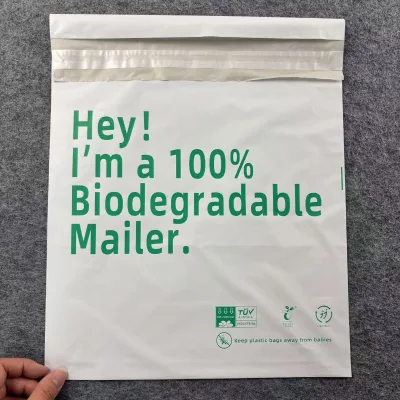

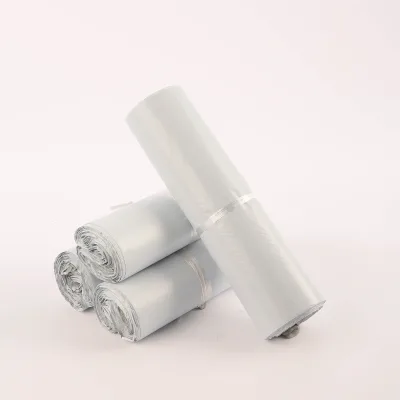


Good Quality Self Adhesive Seal 100% Biodegradable Mailer Shipping Bags
$0.05 - $0.08
MOQ: 5000 Pieces


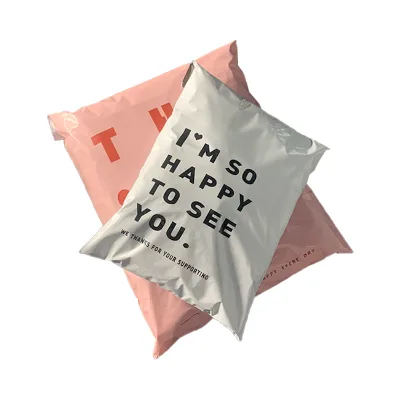


Eco-Friendly Biodegradable Mailing Bag Custom Logo Courier Shipping Mailer
$0.01 - $0.30
MOQ: 5000 Pieces


En13432 Certified Biodegradable Mailing Bag Compostable Shipping Mailer
$0.01 - $0.30
MOQ: 5000 Pieces


High Quality 100% Biodegradable Thickened Courier Bag Custom Logo Mailing Bags
$0.01 - $0.03
MOQ: 10000 Pieces


Comprehensive Sourcing Guide
Strategic Sourcing Guide for Biodegradable Self-Sealing Mailer Bags
Understanding Technical Specifications and Material Composition
When sourcing biodegradable self-sealing mailer bags, the primary focus must be on the material composition and the specific physical attributes that define the product's performance. The core material for these bags often involves a blend of biodegradable polymers, specifically Polybutylene Adipate Terephthalate (PBAT) combined with Polylactic Acid (PLA). Some product listings also indicate the inclusion of starch (St) as a raw material component to enhance the biodegradable profile. It is critical for buyers to verify that the supplier provides a clear breakdown of these raw materials, as the ratio of PBAT to PLA directly influences the bag's flexibility, tensile strength, and degradation rate.
The physical specifications of the mailer bags vary significantly based on the intended application. Thickness is a critical parameter, with observed ranges extending from 60 microns up to 120 microns, or expressed in mils as 0.5, 2.3, 2.5, and 3.5 mils. Buyers should note that custom thickness options are frequently available to meet specific durability requirements. The sealing mechanism is another defining feature; the most common method observed is the self-sealing strip, which often utilizes a strong adhesive for immediate closure. Some variations include a zipper top or flexiloop handle for added convenience. The bags are generally non-transparent and come in a variety of colors, including black, white, pink, blue, green, yellow, red, orange, plum, and mixed color options, with custom color matching available upon request.
Size customization is a standard offering in this category. Standard dimensions observed include 17x30 cm, 20x30 cm, 20x35 cm, 25x35 cm, 28x42 cm, 32x45 cm, 35x45 cm, 40x55 cm, 45x60 cm, and 50x70 cm. However, the ability to order custom sizes is a key differentiator for bulk procurement. The single package size for shipping purposes is typically compact, such as 40x30x0.03 cm or 40x55x0.15 cm, depending on the specific model and thickness. The gross weight per unit is generally low, around 0.05 kg, which helps in minimizing shipping costs for the final product.
Compliance, Certification, and Environmental Claims
Verifying the environmental claims of biodegradable mailer bags is a complex but essential step in the procurement process. While the raw materials listed include PBAT and PLA, which are known for their compostable properties, the actual certification status of the finished product must be confirmed with the supplier. Buyers should be aware that terms like "biodegradable" and "eco-friendly" are often used broadly. To ensure compliance with international standards, procurement teams must request specific test reports.
Although some background knowledge references standards such as ASTM D6400 and EN 13432, these specific standards should not be assumed to apply to every listed product without explicit verification. The buyer must ask the supplier to provide third-party laboratory test results that confirm the product meets the specific biodegradability criteria required by the target market. For instance, if the product is intended for the European market, compliance with EN 13432 is often mandatory, whereas the United States may look for ASTM D6400 or similar certifications. Without these documents, claims of biodegradability remain unverified observations rather than guaranteed facts.
Furthermore, the term "recyclable" is often paired with "biodegradable" in product descriptions. Buyers need to distinguish between materials that are truly compostable in industrial facilities versus those that are merely recyclable in standard plastic streams. The presence of PLA requires specific composting conditions to break down effectively. Therefore, the procurement guide should emphasize the need to clarify the end-of-life disposal instructions provided by the supplier. The product features listed often include "Waterproof," "Durable," "Tear-Proof," and "Moisture Proof," which are functional attributes that must not compromise the biodegradable nature of the material. The buyer should ensure that the adhesive used in the self-sealing strip is also compatible with the biodegradable claim, as some adhesives can hinder the composting process.
Cost Drivers and Pricing Dynamics
The pricing of biodegradable self-sealing mailer bags is influenced by several dynamic factors, primarily the cost of raw materials and the scale of the order. The observed price range for these products can vary widely, from as low as $0 to $4200, though this wide range likely reflects the difference between single sample units and large bulk orders. The Minimum Order Quantity (MOQ) is a significant cost driver, with observed ranges spanning from 2 units to 100,000 units. A standard MOQ for many suppliers in this category is 1,000 pieces, which serves as a baseline for pricing tiers.
Thickness is a primary determinant of cost. Thicker bags, such as those at 3.5 mils or 120 microns, require more raw material and thus command a higher price per unit compared to thinner options like 60 microns or 0.5 mils. Customization also adds to the cost. Orders requiring custom colors, custom sizes, or specific printing methods like offset printing, embossing, debossing, silk screen printing, or heat transfer printing will incur additional setup fees and higher unit costs. The complexity of the printing design and the number of colors used in the print job are critical variables in the final price.
Lead times also impact the overall cost structure. Standard delivery times observed are typically between 15 to 20 days. However, expedited shipping or rush orders may carry a premium. The packaging method, such as carton packing, adds a minor cost but is essential for protecting the bags during transit. Buyers should be aware that the "Single Selling Unit" nature of some listings indicates that pricing is often calculated per item, but bulk discounts are standard for orders exceeding the MOQ. The geographic origin of the product, often listed as Zhejiang or Henan in China, can influence shipping costs and import duties, which are separate from the unit price but must be factored into the total landed cost.
Typical Applications and Industrial Use Cases
Biodegradable self-sealing mailer bags are versatile and serve a broad spectrum of industrial applications. The primary use case identified is e-commerce packaging, specifically for courier and express shipping bags. These bags are designed to protect items during transit while offering a sustainable alternative to traditional poly mailers. The applications extend to various sectors including apparel, consumer electronics, personal care, and household goods.
In the apparel and footwear industry, these bags are frequently used for shipping clothing and shoes. The waterproof and moisture-proof features ensure that garments remain dry during shipping, even in adverse weather conditions. The tear-proof and durable nature of the bags makes them suitable for heavier items, while the lightweight characteristic helps keep shipping costs low. For personal care products, such as loose powder, toothpaste, facial cleanser, sunscreen cream, and blush, these bags provide a secure and hygienic packaging solution. The ability to customize the bag with branding through various printing techniques allows businesses to enhance their brand identity directly on the packaging.
The industrial use cases also include general e-commerce packaging where the emphasis is on sustainability. The "Back Seal Bags" and "Upright Bag" varieties offer different structural advantages depending on the product being shipped. For instance, upright bags may be preferred for items that need to stand or for specific shelving requirements, while back seal bags are ideal for flat items like documents or thin clothing. The flexibility of the material allows for a snug fit around the product, reducing the need for excessive filler material. This versatility makes the biodegradable mailer bag a suitable choice for businesses looking to transition to more sustainable packaging without sacrificing functionality or protection.
Supplier Evaluation and Quality Control Protocols
Evaluating suppliers for biodegradable mailer bags requires a rigorous approach to ensure that the products meet both functional and environmental standards. Buyers should verify the supplier's location, with Zhejiang and Henan being common origins in China. It is essential to confirm the supplier's capacity to handle custom orders, including the ability to produce specific sizes, thicknesses, and colors. The supplier should demonstrate expertise in the making process, which often involves composite packaging bag technology.
Quality control is paramount. Buyers must request samples to test the physical properties of the bags, such as the strength of the self-sealing adhesive, the tear resistance, and the waterproof performance. The transparency of the bags should be confirmed as non-transparent if that is a requirement for the brand. The supplier should provide a clear description of the bag variety, whether it is a seal bag, back seal bag, or upright bag. It is also crucial to verify the supplier's ability to maintain consistency in the raw material blend, ensuring that every batch meets the specified PBAT and PLA ratios.
When evaluating suppliers, buyers should look for those who offer comprehensive documentation, including material safety data sheets (MSDS) and biodegradability test reports. The supplier's response time and willingness to provide samples are indicators of their reliability. The observed single gross weight of 0.05 kg per unit should be consistent across batches, as variations could indicate quality control issues. Additionally, the supplier should be transparent about their production lead times, which are typically 15-20 days, and their capacity to scale up production for large orders. Buyers should avoid suppliers who make vague claims about certifications without providing verifiable evidence.
Long-Term Procurement Considerations and Scalability
For long-term procurement, buyers must consider the scalability of their supply chain and the potential for future customization. The ability to order custom sizes and colors is a significant advantage for brands that want to maintain a consistent aesthetic across their packaging. As the business grows, the supplier should be able to accommodate increased order volumes without compromising on quality or lead times. The observed MOQ of 1,000 pieces is a reasonable starting point, but buyers should negotiate for lower MOQs for initial trials or higher volume discounts for larger orders.
Sustainability is a long-term trend that will likely influence procurement decisions. As regulations regarding single-use plastics tighten, the demand for biodegradable alternatives will increase. Buyers should ensure that their suppliers are staying ahead of these regulatory changes by continuously updating their product lines to meet new standards. The flexibility of the material, allowing for various thicknesses and sizes, ensures that the product can adapt to changing market needs.
Furthermore, the integration of advanced printing technologies, such as heat transfer and embossing, offers opportunities for brand differentiation. Buyers should consider how these features can be leveraged to enhance customer experience. The durability and tear-proof nature of the bags ensure that the brand's reputation is protected during the shipping process. Finally, buyers should establish a strong relationship with their supplier to ensure a steady supply of high-quality biodegradable mailer bags, minimizing the risk of supply chain disruptions and ensuring that the business can meet its sustainability goals effectively.
FAQs
What materials are used for biodegradable self-sealing mailer bags?
These bags are typically made from a blend of PBAT, PLA, and starch. The specific ratio of these raw materials influences flexibility and degradation rates, ensuring the product meets eco-friendly standards while maintaining durability for shipping applications.
How thick are the available biodegradable self-sealing mailer bags?
Thickness ranges from 60 microns up to 120 microns, with options like 0.5 mil and 3.5 mil available. Custom thicknesses can be requested to meet specific durability requirements for different industrial uses such as apparel or electronics packaging.
Which sealing methods are standard for these mailer bags?
The standard sealing method is a self-sealing strip with strong adhesive for immediate closure. Some variations also include zipper tops or flexiloop handles, providing secure and convenient closure for express delivery and e-commerce packaging needs.
Can I order custom sizes and colors for these mailer bags?
Yes, custom sizes and colors are available upon request to match specific branding needs. Standard dimensions include 17x30 cm and 40x55 cm, while color options range from black and white to custom shades like gold or mixed colors.
What is the minimum order quantity for biodegradable self-sealing mailer bags?
The standard minimum order quantity is 1000 pieces for most suppliers. However, some listings may allow orders as low as 2 units for samples, while bulk orders can reach up to 100,000 units depending on the manufacturer's capacity.
How long does it take to receive orders for these mailer bags?
Standard delivery times typically range from 15 to 20 days after order confirmation. Expedited shipping options may be available for rush orders, though lead times can vary based on customization requirements and current supplier production schedules.
Are these bags waterproof and suitable for express shipping?
Yes, these bags are designed to be waterproof, moisture-proof, and tear-proof for secure transit. They are widely used for express delivery packaging of clothing, cosmetics, and electronics to ensure items remain dry and protected during shipping.