Source Biodegradable Soft Toilet Tissue for hotels, homes, and restaurants
Compare 30 listings of Biodegradable Soft Toilet Tissue from verified suppliers in China. Buyers can review specifications including GSM, ply count, and certifications like FSC and ISO9001 for bulk procurement.
Key considerations
Products List


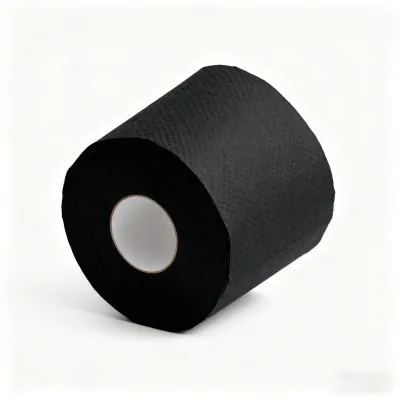
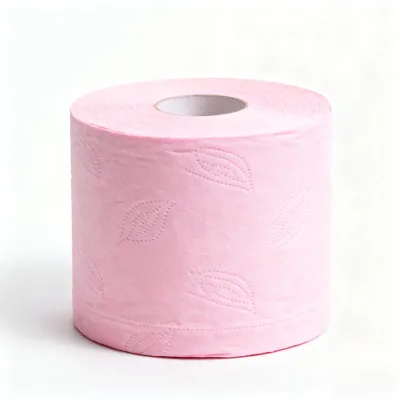


Comprehensive Sourcing Guide
Strategic Sourcing Guide for Biodegradable Soft Toilet Tissue
Understanding Product Specifications and Material Composition
When sourcing Biodegradable Soft Toilet Tissue, the primary objective is to identify products that balance environmental responsibility with superior tactile performance. The market offers a diverse range of specifications that buyers must navigate carefully. Based on available industry data, the core product attributes often include a "Standard Roll" style with a "Core" component, typically available in diameters of 4cm, 4.5cm, or 5cm. The physical dimensions of the tissue itself are critical; sheet sizes are frequently offered as "Standard Size" or fully "Customized" to meet specific dispenser requirements.
The material composition is a defining factor for biodegradability claims. High-quality options often utilize bamboo or virgin wood pulp, with paper net content varying significantly across product lines. Buyers may encounter rolls with net contents ranging from 50g to 100g, 100g to 150g, or 150g to 200g per roll. The ply count is another essential variable, with products available in configurations from 2-ply up to 6-ply, directly influencing the perceived softness and strength. The texture is often enhanced through embossing, which can be specified as "2D or 3D Embossing" or included by default. Furthermore, the absence of fluorescent agents is a common specification, ensuring the product remains safe for sensitive skin and the environment. The color is predominantly white, though customization is often available.
| Specification Category | Common Variations | Sourcing Consideration |
|---|---|---|
| Paper Net Content | 50g-100g, 100g-150g, 150g-200g per roll | Higher gram weight often correlates with softness and durability but impacts shipping costs. |
| Ply Count | 2 Ply to 6 Ply | Determine the balance between bulk and absorbency required for the target market. |
| Core Diameter | 4cm, 4.5cm, 5cm | Must match existing dispensing infrastructure in hotels or commercial facilities. |
| Embossing | 2D, 3D, or Default | Embossing adds to the soft feel but requires specific machinery to execute. |
| Sheet Size | Standard or Customized | Customization allows for brand differentiation but may increase minimum order quantities. |
Compliance, Certification, and Environmental Standards
For buyers focusing on "biodegradable" and "eco-friendly" attributes, verifying certifications is not merely a formality but a critical risk management step. The supply chain for toilet tissue often cites a robust array of certifications to validate environmental and safety claims. Key certifications observed in the market include ISO9001 for quality management, ISO14001 for environmental management, and FSC (Forest Stewardship Council) certification, which verifies that the wood pulp originates from responsibly managed forests.
Safety and chemical compliance are equally paramount. Products frequently carry RoHS certification, indicating compliance with restrictions on hazardous substances. Additional safety standards may include FDA approval for food contact or general safety, and specific standards like Ap20021 or R0HS. It is important to note that while some suppliers list these certifications, buyers must verify the validity of each certificate for the specific batch being purchased. The presence of "Eco-Friendly" as a feature is a marketing claim that should be backed by tangible documentation. Buyers should request proof of biodegradability testing, as the term is sometimes used loosely. The absence of fluorescent agents is a specific attribute that supports the eco-friendly narrative and should be confirmed via test reports.
Cost Drivers and Pricing Dynamics
The pricing structure for Biodegradable Soft Toilet Tissue is influenced by a complex interplay of material costs, manufacturing complexity, and logistics. The observed price range in the market spans from $0.03 to $0.70 per unit, a wide variance that reflects differences in ply count, paper weight, and packaging sophistication. The "Paper Net Content" is a direct cost driver; rolls containing 150g-200g of paper will naturally command a higher price point than those in the 50g-100g range. Similarly, the ply count significantly affects the final cost, with 3-ply or higher products costing more than 2-ply alternatives due to the increased material usage.
Packaging details also play a substantial role in the final landed cost. Standard packaging might involve 1.4, 6, 8, 10, or 12 rolls per pack, with 10 packs consolidated into a single polybag. More premium or customized packaging, such as shrink film, paper packaging, or cardboard boxes, will increase the unit price. The "Supply Ability" of the manufacturer, often cited as 6000 tons per month for bamboo products, suggests that large-scale production can stabilize costs, but buyers must consider the Minimum Order Quantity (MOQ). The MOQ range is extensive, spanning from 1 unit to 50,000 units. Small buyers may face higher per-unit costs due to the inability to leverage economies of scale, while large buyers can negotiate better rates by committing to higher volumes.
Typical Applications and Market Segmentation
The versatility of Biodegradable Soft Toilet Tissue allows it to serve a wide array of applications, from residential use to high-volume commercial settings. The "Application" field typically lists Hotel, Home, Restaurant, and Travel as primary use cases. In the hospitality sector, the "Ultra Soft" and "Strong" features are critical for guest satisfaction. Hotels often require tissue that is both flushable and clog-safe to prevent plumbing issues, a feature explicitly highlighted in product specifications. The "Touch Feeling" is described as "Soft and Comfortable," which is a key differentiator in the luxury hotel market.
For the travel sector, the compact nature of the rolls and the "Disposable" nature of the product make it ideal for single-use scenarios. The "Without Flavor" and "Without Scent" attributes are particularly important for these applications, as strong fragrances can be unpleasant in confined spaces like airplanes or cruise ships. In restaurant settings, the "Strong Water Absorption" capability is vital for maintaining hygiene and efficiency. The "Customized" nature of the product allows businesses to brand the packaging or alter the roll size to fit specific dispensers, making it a flexible solution for various commercial environments.
Supplier Evaluation and Operational Capabilities
Selecting a reliable supplier requires a deep dive into their operational capabilities and geographical location. Most suppliers for this category are located in Sichuan, China, a region known for its bamboo resources and paper manufacturing infrastructure. The "Place of Origin" is a critical factor, as it influences the carbon footprint of shipping and the availability of raw materials. Buyers should verify the "Supply Ability" of the supplier, ensuring they can meet demand peaks without compromising quality. A supply capacity of 6000 tons per month indicates a mature manufacturing base, but buyers must confirm if this capacity is dedicated to their specific order or shared across multiple clients.
The "Customization" capability is another vital metric. Suppliers offering "OEM/ODM" services can tailor the product to specific brand requirements, including custom packaging, sheet sizes, and embossing patterns. The "Sample" availability is a crucial step in the evaluation process; many suppliers offer samples, and some even provide them for free, allowing buyers to test the "Touch Feeling" and "Absorption" firsthand before committing to a large order. Buyers should also assess the "Packaging Details" to ensure the product arrives in good condition. Standard packaging often includes a "Cardbox" and "PE Plastic Bag," but options for "Shrink Film" or "Paper Package" may be available for more eco-conscious branding.
Quality Control and Long-Term Procurement Strategy
Implementing a robust quality control (QC) strategy is essential for maintaining the integrity of the "Biodegradable Soft Toilet Tissue" supply chain. QC should begin with the verification of raw materials, ensuring that the "Core Material" (often a white coated inner layer and kraft paper outer layer) meets the specified standards. The "Fluorescent Agent" content must be strictly monitored to ensure it remains at zero, as this is a key selling point for eco-friendly products. Buyers should request test results for "Flushable" and "Clog Safe" claims, as these are critical for commercial applications where plumbing failures can be costly.
Long-term procurement considerations involve building a sustainable relationship with suppliers who can adapt to changing market demands. The "Standard" for the product is often "Customized," meaning that specifications can evolve over time. Buyers should look for suppliers who offer "Customizable" standards and are willing to engage in continuous improvement. The "Lead Time" and "MOQ" flexibility are also important; while some suppliers have rigid requirements, others may accommodate smaller, more frequent orders to reduce inventory holding costs. Finally, buyers should consider the environmental impact of the entire supply chain, from the "Place of Origin" to the final delivery, ensuring that the "Eco-Friendly" claims are upheld at every stage of the product lifecycle. By focusing on these strategic elements, buyers can secure a reliable supply of high-quality, biodegradable toilet tissue that meets both functional and ethical standards.
FAQs
What certifications do Biodegradable Soft Toilet Tissue products typically hold?
Products often hold ISO9001, ISO14001, FSC, RoHS, and FDA certifications. These validate quality management, environmental standards, and safety compliance for sensitive applications like hotels and restaurants.
How much paper net content is available per roll for this tissue?
Rolls are available with net contents ranging from 50g to 200g per unit. Specific options include 50-100g, 100-150g, and 150-200g configurations depending on the desired softness and durability.
Can buyers request customized sheet sizes and packaging for bulk orders?
Yes, customization is available for sheet sizes, packaging patterns, and roll dimensions. Suppliers offer OEM/ODM services to tailor products to specific dispenser requirements and branding needs.
Which core diameters are standard for these toilet tissue rolls?
Standard core diameters include 4cm, 4.5cm, and 5cm options. These sizes ensure compatibility with various commercial and residential dispensing infrastructure found in hotels and homes.
What is the typical supply capacity for bamboo-based toilet tissue?
Manufacturers report a supply ability of up to 6000 tons per month for bamboo products. This capacity supports large-scale orders while maintaining consistent quality and delivery schedules.
How many plies are available for Biodegradable Soft Toilet Tissue?
Ply counts range from 2-ply to 6-ply to suit different strength and softness requirements. Higher ply counts generally offer enhanced absorbency and a softer touch for premium applications.