Source Biodegradable Sugarcane Bagasse Bento Box for catering, events, and takeout
Compare 30 listings of Biodegradable Sugarcane Bagasse Bento Box options from Chinese manufacturers. Buyers can evaluate specifications, certifications, and pricing for food service applications.
Key considerations
Products List

100% Biodegradable Sugarcane Bagasse Food Lunch Box Clamshell Bento Box
$0.04 - $0.05
MOQ: 50000 Pieces


High Quality Biodegradable Sugarcane Bagasse Takeaway Food Container Box
$0.04 - $0.04
MOQ: 100000 Pieces


Disposable Biodegradable Sugarcane Bagasse Bento Lunch Box Food Containers
$0.08 - $0.09
MOQ: 100000 Pieces

Disposable Biodegradable Sugarcane Bagasse 3 Compartment Bento Lunch Box Food Containers
$0.10 - $0.11
MOQ: 100000 Pieces


Disposable Biodegradable Sugarcane Bagasse 3 Compartment Bento Lunch Box Food Containers
$0.03 - $15.00
MOQ: 10000 Pieces


Packaging Box Biodegradable Bento Takeout Sugarcane Bagasse Pulp Lunch Box with Lid
$0.09 - $0.11
MOQ: 5000 Pieces


Disposable Biodegradable Compostable 3 Compartment Bento Lunch Meal Box
$0.03 - $0.04
MOQ: 10000 Pieces


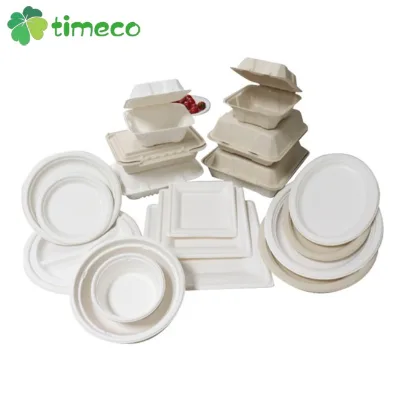


Comprehensive Sourcing Guide
Strategic Sourcing Guide for Biodegradable Sugarcane Bagasse Bento Boxes
The global shift toward sustainable packaging has elevated biodegradable sugarcane bagasse bento boxes from niche alternatives to mainstream procurement necessities. For B2B buyers, sourcing these items requires a disciplined approach that balances environmental claims with rigorous technical verification. The core material, derived from the fibrous residue of sugarcane processing, offers a robust platform for food containers that are both heat-resistant and compostable. However, the market is populated with varying grades of pulp and inconsistent manufacturing standards. This guide provides a structured framework for evaluating suppliers, understanding product specifications, and mitigating procurement risks associated with biodegradable food service ware.
Technical Specifications and Material Composition
The foundation of any reliable bagasse bento box lies in its material composition and physical specifications. Based on observed product attributes, the primary raw material is consistently identified as sugarcane bagasse, often described as 100% biodegradable and eco-friendly. The pulp purity is a critical differentiator; high-quality units utilize unbleached pulp, which retains the natural beige color of the fiber, though bleached options are also available in the market. Buyers must distinguish between "First Grade" paper grades and lower-quality alternatives, as the former ensures structural integrity and food safety.
Physical dimensions vary significantly across suppliers, necessitating precise specification checks. Observed models include square and rectangular shapes, with specific standard dimensions noted as 15215244/75mm for certain plate dishes. Other listings indicate a broader range of 6'' to 10'' for general containers, while compartmentalized bento boxes are often standardized by volume, such as 500ml, 700ml, 750ml, 850ml, and 1000ml capacities. These containers frequently feature 2 or 3 compartments to facilitate meal separation. The shape is predominantly square or rectangular, designed to maximize stackability and storage efficiency.
Thermal performance is another vital technical parameter. The material must withstand high temperatures without deforming or leaching chemicals. Verified product data indicates that these containers are microwave-safe, supporting temperatures up to 200 degrees Celsius. This makes them suitable for reheating food directly in the packaging, a key feature for food service operations. The "Heatable" and "Microwavable" attributes confirm their utility in modern food logistics. However, buyers should verify that the specific model number, such as RSPT249 or LK913, aligns with their operational temperature requirements, as not all bagasse products are rated for the same thermal limits.
Compliance and Certification Verification
In the B2B sector, compliance is not merely a regulatory formality but a prerequisite for market access and brand integrity. The most frequently cited certifications for bagasse bento boxes in the current market landscape are FDA and LFGB. These standards ensure that the materials are safe for direct food contact and do not release harmful substances under heat. FDA certification is particularly critical for operations in North America, while LFGB is the standard for European markets.
Buyers must exercise caution regarding environmental standards. While background knowledge often references EN 13432, ASTM D6400, or ASTM D6868, these specific standard numbers should not be assumed to apply to every product listed without explicit verification from the supplier. The presence of a "Biodegradable" or "Eco-Friendly" label does not automatically guarantee compliance with industrial composting standards. Procurement teams should request current, verifiable test reports from accredited laboratories rather than relying on marketing claims. The absence of FSC certification in the primary data suggests that while the material is biodegradable, the source of the sugarcane may not be certified for sustainable forestry practices in all cases.
Furthermore, the "Food Grade" classification is a mandatory baseline. Products labeled as "First Grade" pulp generally meet these requirements, but the distinction between food-grade and industrial-grade bagasse is crucial. Buyers should ensure that the supplier provides documentation confirming that the final product meets the specific food safety regulations of the destination country. The "Warranty" of 3 years mentioned in some product attributes likely refers to shelf-life stability or structural durability under storage conditions, rather than a performance warranty, and should be clarified during the contracting phase.
Cost Drivers and Economic Factors
Understanding the cost structure of biodegradable bento boxes is essential for accurate budgeting. The price range observed in the market spans from $0.01 to $15.00 USD per unit, a wide variance that reflects differences in size, compartmentalization, and order volume. The primary cost driver is the Minimum Order Quantity (MOQ). Data indicates that typical MOQs range from 1,000 to 100,000 pieces, with a specific high-confidence observation of 50,000 pieces for certain models.
The relationship between volume and unit price is inverse; higher volumes significantly reduce the per-unit cost. For buyers with lower volume requirements, the "Small Orders: Accepted" attribute offers a pathway to entry, though the unit price will likely be at the higher end of the spectrum. Customization is another significant cost factor. While "Customization: Available" and "Logo Custom" are standard offerings, adding custom branding, specific colors (such as "Bicolor" or "Bleached"), or unique mold designs will incur additional tooling and setup fees.
Lead times also impact the total cost of ownership. A standard delivery time of 45 days is observed, which must be factored into inventory planning. Longer lead times may necessitate higher safety stock levels, increasing holding costs. Conversely, expedited shipping options, if available, will add to the freight cost. Buyers should also consider the packaging method; options like "Carton" or "Shrink Wrap" affect the efficiency of logistics and the potential for damage during transit, which can indirectly influence the effective cost per usable unit.
Typical Applications and Usage Scenarios
The versatility of sugarcane bagasse bento boxes makes them suitable for a wide array of applications. The primary usage category is "Food" and "Tableware," specifically for the service of prepared meals. The "Disposable" nature of the product aligns with the needs of catering services, food delivery platforms, and institutional cafeterias where hygiene and speed are paramount. The "Biodegradable Disposable Bento Bagasse Rectangle" format is particularly popular for lunch boxes, allowing for the separation of different food items in 2 or 3 compartments.
These containers are ideal for hot food service due to their heat resistance. The ability to be microwaved up to 200 degrees Celsius makes them suitable for reheating meals, a common requirement for corporate cafeterias and meal prep services. The "Eco-friendly" and "Disposable" features appeal to environmentally conscious consumers and brands looking to reduce their plastic footprint. The "Plain" vein texture and natural color of unbleached pulp often resonate with customers seeking a rustic or organic aesthetic.
Institutional buyers, such as schools and hospitals, benefit from the "Food Grade" safety and the ease of disposal. The "Square" and "Rectangular" shapes are optimized for stacking, which is crucial for storage in commercial kitchens and during transport. The "Sample: Free Avaliable" and "Free Samples" attributes allow buyers to test the product in real-world scenarios before committing to large orders, ensuring the container meets the specific thermal and structural demands of their menu items.
Supplier Evaluation and Quality Control
Selecting the right supplier requires a multi-faceted evaluation process. The origin of the product is a key indicator of supply chain stability. Most observed products originate from China, with specific manufacturing hubs in Zhejiang and Guangzhou. Buyers should verify the supplier's location to assess logistics costs and potential trade barriers. The "Customized" nature of the products suggests that many suppliers offer OEM services, but the quality of these customizations must be validated.
Quality control should focus on the consistency of the pulp grade and the integrity of the molding process. The "First Grade" designation implies a higher standard of fiber quality, which translates to better strength and leak resistance. Buyers should request physical samples to test for durability, heat resistance, and food safety. The "Warranty" of 3 years, while unusual for disposable items, may indicate a manufacturer's confidence in the product's shelf life or structural consistency.
When evaluating suppliers, check for the availability of "Free Samples" to conduct internal testing. The "Small Orders: Accepted" policy is a positive indicator of supplier flexibility, suggesting they are willing to work with buyers who are testing the market. However, buyers must be wary of suppliers who claim certifications without providing documentation. The presence of "FDA" and "LFGB" certifications should be cross-referenced with the supplier's official certificates. Additionally, the "Logo Custom" capability should be tested to ensure the branding does not compromise the food safety of the container.
Long-Term Procurement Considerations
Sourcing biodegradable bento boxes is not a one-time transaction but a long-term strategic partnership. The "Eco-Friendly" and "Biodegradable" attributes are central to the brand value proposition of many buyers. As regulations on single-use plastics tighten globally, the demand for compliant, sustainable packaging is expected to grow. Buyers should consider the scalability of their suppliers to handle increasing order volumes without compromising quality or lead times.
The "Customization" aspect offers a competitive advantage. As brands evolve, the ability to customize the shape, size, and branding of the packaging will become increasingly important. Suppliers that offer flexible production lines can adapt to changing market trends more quickly. However, buyers must balance customization with cost and lead time. Frequent changes to specifications can disrupt the supply chain and increase costs.
Finally, the environmental impact of the product extends beyond the point of sale. While the material is biodegradable, the disposal infrastructure in the buyer's target market is crucial. Buyers should ensure that their customers have access to industrial composting facilities if the product is marketed as compostable. The "Eco-Friendly" claim is only as strong as the end-of-life management system. By maintaining a focus on verified certifications, consistent quality, and reliable supply chains, buyers can secure a sustainable advantage in the evolving food service market.
FAQs
What certifications do biodegradable sugarcane bagasse bento boxes typically hold?
These boxes commonly hold FDA and LFGB certifications for food safety. Buyers should verify specific test reports to ensure compliance with local regulations before placing large orders.
Can these bento boxes be safely used in a microwave?
Yes, the containers are microwave safe and support temperatures up to 200 degrees Celsius. This feature allows for direct reheating of food without deforming the packaging material.
What is the typical minimum order quantity for these products?
The minimum order quantity is often 50,000 pieces for standard models. Some suppliers may accept smaller orders, but the unit price will likely be higher for lower volumes.
How long does delivery typically take for these orders?
Standard delivery time is approximately 45 days from order confirmation. Buyers should factor this lead time into their inventory planning to avoid stockouts during peak seasons.
Which shapes and sizes are available for these bento boxes?
Available shapes include square and rectangular forms with dimensions like 152*152*44/75mm. Volume capacities range from 500ml to 1000ml with options for 2 or 3 compartments.
Is customization available for branding and design on these boxes?
Customization is available for logos and specific design requirements. Buyers should note that custom molds or branding may incur additional tooling fees and affect the lead time.
What material grade is used for the pulp in these containers?
High-quality units use First Grade unbleached pulp for structural integrity. Some options are bleached, but unbleached pulp retains the natural beige color and eco-friendly properties.