Source Basketball Products for Indoor, Outdoor, and Racing
Find 30 Basketball options from suppliers in Guangdong, China. Buyers can compare PU and rubber balls in sizes 5 to 7, with customizable logos and weights ranging from 580g to 650g for various entertainment and racing applications.
Key considerations
Products List


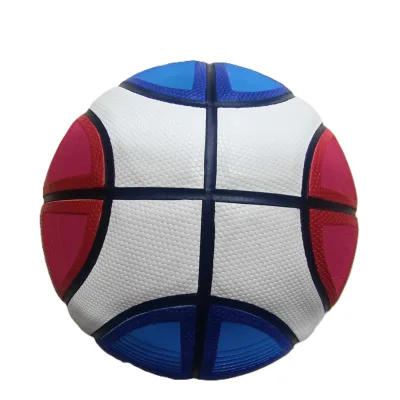
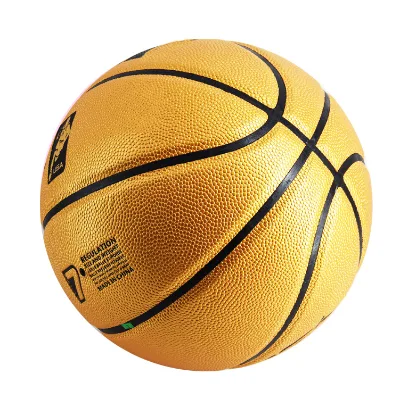


Comprehensive Sourcing Guide
Strategic Sourcing Guide for Basketball Procurement
Navigating the global market for basketballs requires a disciplined approach that balances technical performance, material integrity, and supply chain reliability. For B2B buyers, the procurement process extends beyond simple price comparison; it involves verifying that products meet specific usage requirements, adhere to safety standards, and align with brand customization needs. The current market landscape presents a diverse array of options, ranging from high-performance indoor models to durable outdoor variants, each defined by distinct material compositions and manufacturing specifications. This guide outlines the critical factors for sourcing basketballs effectively, leveraging observed market data to inform decision-making without relying on unverified claims.
Technical Specifications and Material Composition
The foundation of a successful Basketball procurement strategy lies in understanding the technical specifications that define product performance. The market data indicates a clear segmentation based on material composition, primarily Polyurethane (PU) and Polyvinyl Chloride (PVC), alongside Rubber. PU is frequently cited as a premium material, often associated with indoor courts where superior grip and touch are essential. In contrast, PVC and Rubber variants are typically engineered for outdoor durability, offering resistance against abrasion from concrete and asphalt surfaces. Buyers must verify the specific material composition for each SKU, as the "Ball Material" and "Material" attributes can vary significantly even within the same product line.
Size is another critical technical parameter. The observed product range includes standard sizing from Size 2 up to Size 7. Size 7 is the standard for adult competition, while smaller sizes cater to youth and children. The data highlights specific models designated for different age groups, with some products explicitly marked for "Adults" and others for "Children" or "Youth." Weight is also a defining characteristic, with observed ranges falling between 580g and 650g. This variance is crucial for compliance with official regulations; a deviation outside these ranges may render a ball unsuitable for competitive play. Furthermore, the bladder composition, specifically Butyl bladders, is a key indicator of air retention capabilities, ensuring the ball maintains pressure over extended periods.
Customization and Branding Capabilities
For B2B buyers, particularly those looking to establish private label products or corporate merchandise, customization is a primary driver of value. The market data confirms that "Customization" and "OEM" (Original Equipment Manufacturing) services are widely available. Suppliers frequently offer options for "Customized Your Logo," allowing buyers to brand the product with their own corporate identity. The "Ball Logo" attribute is explicitly listed as customizable, and "Logo Printing" is noted as a standard feature in many listings.
However, buyers must distinguish between the availability of customization and the specific constraints of the process. While "Customized" is listed as an attribute, the extent of this customization—such as the number of colors, the complexity of the logo, or the placement on the ball—varies by supplier. The "Brand" attribute often lists "Conius Sports" or "Customized Your Logo," indicating that some suppliers operate with their own established branding while others function purely as contract manufacturers. When evaluating suppliers, procurement teams should request detailed artwork guidelines and sample proofs to ensure that the final printed logo meets quality expectations and does not compromise the structural integrity of the ball.
Compliance, Standards, and Safety Verification
In the realm of sports equipment, compliance and safety are non-negotiable. The provided data references specific standards, including "PU, PVC" as product standards and dimensional specifications like "474771cm" for packaging or specific model dimensions. However, buyers must exercise caution when interpreting these figures. The "prod_standard" field often lists material types rather than international safety certifications. Therefore, it is imperative for buyers to verify that products comply with relevant international safety standards, such as those set by the International Basketball Federation (FIBA) or local consumer safety regulations, rather than relying solely on the supplier's internal standard listings.
The "Friendly -Envirent Material" attribute suggests an increasing market trend toward eco-friendly production. While this is a positive indicator, buyers should request third-party test reports to substantiate claims regarding environmental friendliness, such as the absence of hazardous substances like phthalates or heavy metals. Additionally, the "Condition" is listed as "New" across the board, which is a baseline expectation, but buyers should ensure that the "New" condition implies factory-fresh inventory rather than refurbished goods. The origin of the products, primarily "Guangdong, China" and general "China," indicates a concentrated manufacturing hub, but buyers should verify that the specific factory location meets labor and environmental compliance requirements relevant to their import markets.
Cost Drivers and Procurement Economics
Understanding the cost structure of basketballs is essential for budgeting and margin analysis. The observed price range in the market spans from $1.44 to $60 USD, a significant variance that reflects differences in material quality, branding, and order volume. The lower end of the spectrum likely corresponds to basic PVC or rubber balls intended for recreational use or promotional giveaways, while the higher end represents premium PU balls designed for professional or semi-professional play.
Minimum Order Quantity (MOQ) is a critical economic factor. The data shows an MOQ range from 2 to 1000 units. This wide range offers flexibility for different buyer profiles; small retailers or test buyers may find suppliers with low MOQs of 2 units, while large distributors will likely negotiate based on higher volumes. The "MOQ" attribute specifically lists 800 units for certain models, suggesting that custom branding or specific high-specification models often require larger commitments to be economically viable. Buyers should calculate the total landed cost, including shipping and duties, rather than focusing solely on the unit price, as the "Packing" specifications (e.g., "1PC/Poly Bag" vs. "25 PCS/CTN") significantly impact freight efficiency.
Supplier Evaluation and Operational Reliability
Selecting the right supplier requires a rigorous evaluation of their operational capabilities and product consistency. The market data lists several product models, including SGB012, SGB041, SGB043, SGB044, SGB048, and HD-3B13R, indicating a diverse portfolio. Buyers should assess whether a supplier's catalog aligns with their specific needs, such as the "Basketball Usage" attribute, which distinguishes between "Indoor," "Outdoor," and "Both" applications. A supplier offering "Both" usage balls may provide a versatile solution for schools or community centers, whereas specialized suppliers might offer superior performance for specific environments.
The "prod_packing" and "Packing" attributes reveal logistical considerations. Options range from individual poly bags to master cartons containing 25 pieces. Efficient packing is vital for minimizing damage during transit and optimizing warehouse space. Buyers should verify the structural integrity of the "Carton" or "Box" packaging to ensure it can withstand stacking and handling. Furthermore, the "Usage" attribute lists "Entertainment" and "Racing," which may indicate niche applications or specific product lines. Buyers must clarify if "Racing" refers to a specific type of training equipment or if it is a misclassification, ensuring the product matches the intended use case.
Quality Control and Long-Term Procurement Strategy
Implementing a robust quality control (QC) protocol is essential for maintaining brand reputation. Given the variation in materials and specifications, buyers should establish clear acceptance criteria before production begins. Key QC checkpoints include verifying the "Weight" consistency within the 580-650g range, checking the "Ball Size" accuracy against the 7# or other specified standards, and inspecting the surface texture for uniformity. The "Bladder" type, specifically Butyl, should be confirmed to ensure air retention meets performance expectations.
For long-term procurement, building a relationship with suppliers who offer consistent quality and reliable lead times is paramount. While specific lead times are not provided in the data, buyers should negotiate clear timelines based on order volume and customization requirements. The "OEM: Yes" attribute suggests that suppliers are capable of handling custom orders, but buyers must confirm their capacity to scale production during peak seasons. Additionally, the "Customization" availability should be reviewed for long-term contracts to ensure that design changes or logo updates can be implemented smoothly without disrupting the supply chain.
Application Scenarios and Market Segmentation
The versatility of basketballs allows for application across various sectors, from professional leagues to educational institutions and corporate events. The "Age Group" attributes, covering both "Adults" and "Children," highlight the product's adaptability. For instance, Size 7 balls are standard for adult leagues, while smaller sizes are ideal for youth development programs. The "Basketball Usage" classification into "Indoor" and "Outdoor" further segments the market. Indoor balls, often made of PU, prioritize grip and feel, making them suitable for gymnasiums. Outdoor balls, typically constructed from Rubber or PVC, prioritize durability against rough surfaces.
Buyers should align their procurement strategy with their target demographic. Schools and community centers may require a mix of indoor and outdoor balls to accommodate different facilities, while professional teams will demand high-specification models that meet strict performance standards. The "Usage" attribute listing "Entertainment" suggests a market for recreational play, which may prioritize cost-effectiveness over elite performance. By understanding these segmentation nuances, buyers can curate a product mix that maximizes value and meets the specific needs of their end-users.
Conclusion
Sourcing basketballs in the B2B sector demands a meticulous approach that integrates technical knowledge with strategic supply chain management. By carefully analyzing material properties, customization options, and compliance standards, buyers can navigate the complex market landscape effectively. The observed data provides a solid foundation for understanding product variations, from the specific weight ranges and sizes to the diverse packaging and MOQ requirements. However, the ultimate success of a procurement initiative relies on thorough due diligence, including on-site audits, sample testing, and clear communication with suppliers. As the market continues to evolve with a focus on sustainability and customization, buyers must remain agile, ensuring that their sourcing strategies adapt to meet the changing demands of the global sports equipment industry.
FAQs
What materials are used for basketballs?
Basketballs are commonly made from PU, PVC, or Rubber materials. PU is often used for indoor play, while PVC and rubber variants are designed for outdoor durability and abrasion resistance.
Which Basketball sizes are available for purchase?
Standard sizes range from Size 2 up to Size 7, with Size 7 being the standard for adult competition. Smaller sizes cater specifically to youth and children age groups.
Can I customize the logo on these basketballs?
Yes, customization and OEM services are widely available for these products. Buyers can request custom logo printing, though specific artwork guidelines and sample proofs are required.
What is the typical weight range for these balls?
The observed weight range for these basketballs falls between 580g and 650g. This variance is crucial for compliance with official regulations and ensures suitability for competitive play.
Are these basketballs suitable for outdoor use?
Yes, specific models are designed for outdoor usage with durable materials like PVC and rubber. Other models are intended for indoor courts, so verify the usage attribute before purchasing.
What is the minimum order quantity for custom orders?
The MOQ range spans from 2 to 1000 units depending on the supplier and product model. Custom branding or specific high-specification models often require larger commitments like 800 units.
Where are these basketballs manufactured?
The products originate primarily from Guangdong, China, and other general Chinese locations. Buyers should verify specific factory locations to ensure they meet labor and environmental compliance requirements.