Source Biodegradable Toilet Tissue Paper for Hotels, Homes, and Restaurants
Compare 28 listings of Biodegradable Toilet Tissue Paper from verified suppliers. Options include 2-ply and 3-ply virgin wood pulp rolls with eco-friendly certifications, suitable for hotels, households, and commercial use; compare the available evidence and request quotations based on your requirements.
Key considerations
Products List


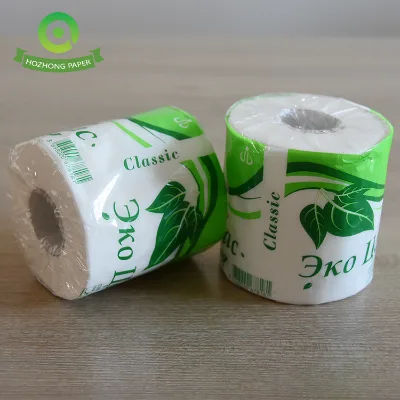


Customized Manufacturer Bamboo Toilet Paper Wholesale Biodegradable 4 Ply
$0.10 - $0.15
MOQ: 30000 Rolls


Comprehensive Sourcing Guide
Biodegradable Toilet Tissue Paper Sourcing Guide
Sourcing Biodegradable Toilet Tissue Paper requires a clear understanding of material composition and end-of-life behavior. Buyers must distinguish between products labeled as eco-friendly and those that are truly water-soluble and free from persistent synthetic additives. The supply market offers a wide range of options, from virgin wood pulp to tree-free alternatives, each with distinct performance characteristics. Procurement teams should prioritize suppliers who provide transparent data on decomposition rates and chemical content to ensure alignment with sustainability goals.
The decision to source biodegradable tissue often hinges on specific application scenarios, such as hotels, households, or commercial facilities like KTVs. These environments demand products that are not only soft and absorbent but also safe for septic systems. Buyers should verify that the selected tissue meets the necessary physical standards for daily use while maintaining its biodegradable properties. Understanding the balance between product quality and environmental impact is crucial for making informed purchasing decisions that satisfy both operational needs and corporate responsibility metrics.
Product Scope and Observed Listing Signals
The current market presents a diverse array of toilet tissue products, with observed listings indicating a price range of $0.08 to $1.20 USD. Minimum order quantities vary significantly, ranging from a single roll to fifty thousand units, catering to both small-scale retailers and large institutional buyers. Products are typically available in standard rolls, with some options featuring individual wrapping or bulk carton packaging. This variability allows buyers to select packaging formats that best suit their distribution channels and storage capabilities.
Key product attributes observed include variations in ply count, with options ranging from one to four plies. Paper net content generally falls between 100g and 200g per roll, influencing the perceived quality and durability of the tissue. Many listings highlight features such as being floral embossed, dot embossed, or customized with specific patterns. Buyers should note that while some products are described as ultra-soft, others emphasize being tree-free and plastic-free, reflecting different sourcing strategies and environmental claims.
Technical Specifications to Verify
Technical verification begins with confirming the material composition, as products are often made from virgin wood pulp or other sustainable sources. Buyers should check the GSM, which typically ranges from 13.5 to 20 GSM, as this affects the tissue's strength and absorbency. The presence of fluorescent agents is a critical safety factor, with many suppliers offering options that are explicitly free from these chemicals. Ensuring the product is water-soluble is essential for applications where septic system compatibility is required.
Ply structure and embossing patterns also play a significant role in product performance. Options include sides embossed, flower embossed, or customized designs, which can enhance texture and absorbency. The core type and roll dimensions should be verified to ensure compatibility with existing dispensing equipment. Additionally, buyers should confirm the sheet count per roll, which can vary from 100 to 1000 sheets, to accurately calculate cost-per-use and inventory requirements for their specific operational needs.
Compliance and Safety Documentation
Compliance with environmental certifications is a primary concern for buyers seeking biodegradable products. While some suppliers claim eco-friendly certification, buyers must request documentation to verify these claims. The absence of fluorescent agents is a standard safety feature that should be confirmed through supplier declarations or third-party testing reports. Ensuring that the product is healthy and environmentally friendly involves checking for any harmful chemicals or additives that could compromise safety or decomposition.
Buyers should also verify the product's origin and manufacturing standards. Products originating from regions like Zhucheng or Weifang in Shandong, China, may have different regulatory oversight. It is important to ensure that the manufacturing process adheres to recognized quality standards, such as those indicated by model numbers like TR1 or A-178. Requesting sample products for internal testing can help validate safety claims and ensure the tissue meets the required hygiene and performance standards for the intended application.
Cost Drivers and Commercial Terms
Cost structures for biodegradable toilet tissue are influenced by material quality, ply count, and packaging complexity. Virgin wood pulp products may carry a premium compared to alternative fibers, while customized printing or embossing can increase production costs. Buyers should analyze the total cost of ownership, including shipping and handling, as lead times can range from 15 to 20 working days. Understanding these variables helps in budgeting accurately and negotiating favorable terms with suppliers.
Commercial terms often include flexible minimum order quantities, starting from just one roll, which allows for trial orders and inventory flexibility. Supply ability can be substantial, with some suppliers offering up to 1.75 million cartons per month, ensuring consistent availability for large-scale procurement. Buyers should clarify payment terms, shipping responsibilities, and return policies to mitigate risks. Establishing clear communication channels with suppliers can facilitate smoother transactions and better alignment on delivery schedules and product specifications.
Supplier Qualification and Quality Control
Supplier qualification involves assessing their production capacity, quality control processes, and commitment to sustainability. Buyers should verify the supplier's ability to meet demand, especially for customized orders with specific patterns or packaging requirements. Requesting references or case studies from existing clients in similar industries, such as hotels or households, can provide insights into the supplier's reliability and product consistency. Due diligence on the supplier's background helps ensure a stable and trustworthy partnership.
Quality control measures should include regular inspections of raw materials, production processes, and finished goods. Buyers should inquire about the supplier's testing protocols for factors like tensile strength, absorbency, and decomposition rates. Implementing a robust quality assurance plan, including periodic audits and sample testing, helps maintain product standards. Establishing clear communication channels for addressing defects or discrepancies ensures that any issues are resolved promptly, protecting the buyer's brand reputation and customer satisfaction.
Long-Term Procurement Checks
Long-term procurement success depends on continuous monitoring of supplier performance and market trends. Buyers should regularly review supplier deliveries, quality metrics, and responsiveness to ensure they meet evolving business needs. Staying informed about advancements in biodegradable materials and manufacturing technologies can provide opportunities for cost savings or product improvements. Building a diversified supplier base can mitigate risks associated with supply chain disruptions and ensure continuity of supply.
Regularly updating procurement strategies to align with sustainability goals is essential for maintaining a competitive edge. Buyers should engage in ongoing dialogue with suppliers to explore new product options, such as tree-free or plastic-free alternatives. Evaluating the environmental impact of sourcing decisions helps in achieving corporate social responsibility targets. By fostering strong relationships with reliable suppliers, buyers can secure high-quality biodegradable toilet tissue that supports both operational efficiency and environmental stewardship.
FAQs
What materials are used for this Biodegradable Toilet Tissue Paper?
This product is made from virgin wood pulp to ensure high quality and softness. It is designed to be eco-friendly and free from fluorescent agents. The material is also water soluble and easy to decompose, making it a safe choice for personal cleaning care in various settings.
Can I customize the packaging and design of the toilet paper?
Yes, customization is available for this product line. You can choose from various packing options like individual rolls or cartons. The paper also supports custom printing and features like floral embossing or dot embossed patterns to meet your specific branding or design requirements.
What is the minimum order quantity for this toilet tissue?
The minimum order quantity starts at just one roll for this product. However, bulk orders can range up to 50,000 units depending on the specific configuration. This flexible MOQ allows buyers to test the market or place large orders for hotels and households easily.
How long does it take to deliver the biodegradable toilet paper?
The standard delivery time is between 15 to 20 working days after order confirmation. This lead time applies to the supply ability of 1,750,000 cartons per month. Buyers should plan their inventory accordingly to ensure timely receipt of goods for their business needs.
Which certifications does this toilet paper hold for safety?
The product is certified as eco-friendly and is free from fluorescent agents. It is described as healthy and environmentally friendly for personal use. While FSC is mentioned in background notes, the confirmed high-confidence fact is the eco-friendly certification status for this specific item.
What are the available ply options for this toilet tissue?
Buyers can select from 1, 2, 3, or 4 ply options for this toilet tissue. Specific listings show 2 ply and 3 ply variants with different paper net contents. The product is available in standard roll sizes suitable for home, restaurant, and hotel applications.
Where is this biodegradable toilet paper manufactured?
The product originates from Zhucheng and Weifang in Shandong, China. These locations serve as the primary production sites for the virgin wood pulp toilet paper. The goods are supplied with a monthly capacity of 1,750,000 cartons to meet global demand.