Source Black Skinny Luggage Roof Rack for SUVs, Campers, and Haulers
Explore 30 listings for the Black Skinny Luggage Roof Rack designed for SUVs, campers, and hauling needs. Buyers can compare load capacities, mounting types, and customization options from verified suppliers.
Key considerations
Products List
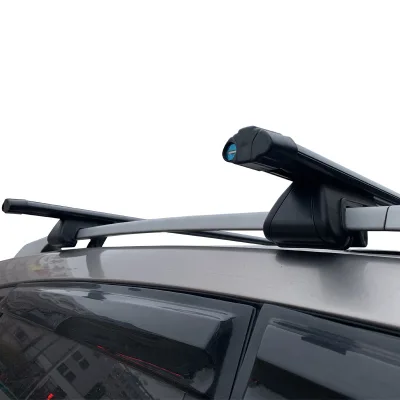
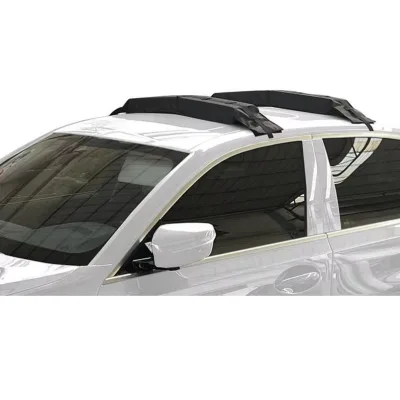
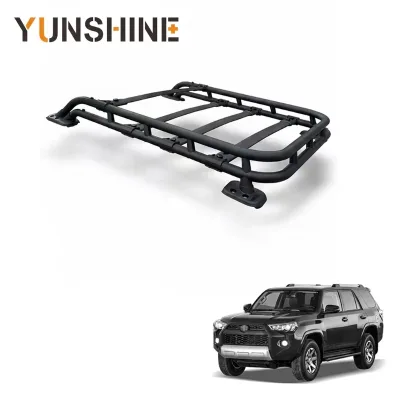


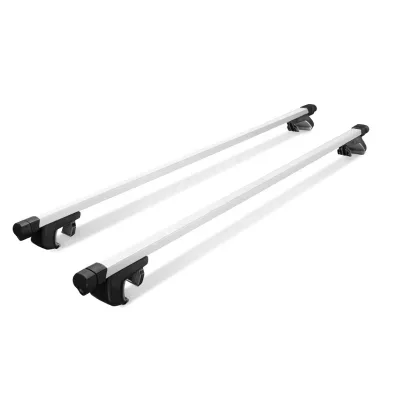
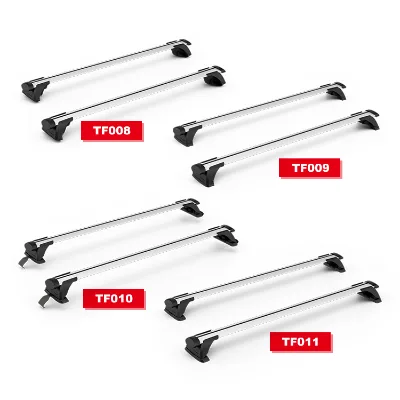
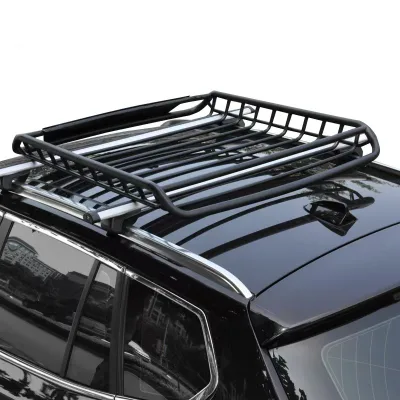
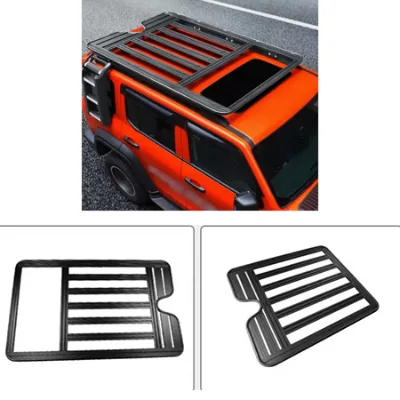
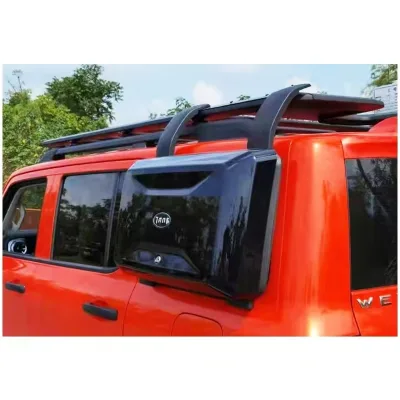
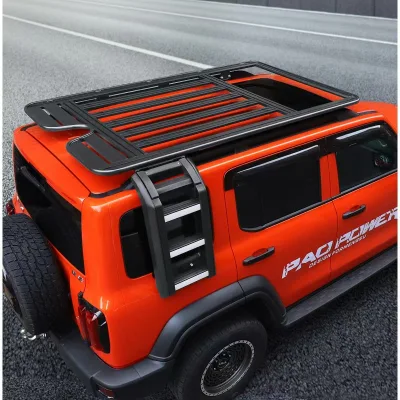
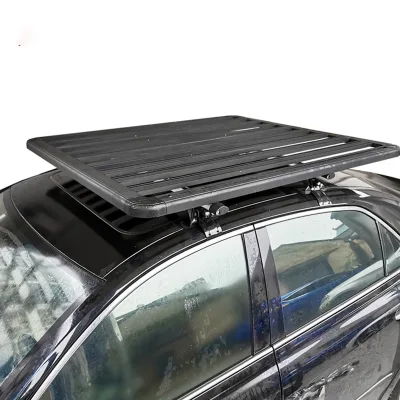


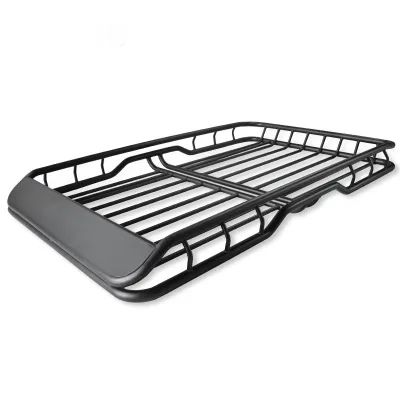
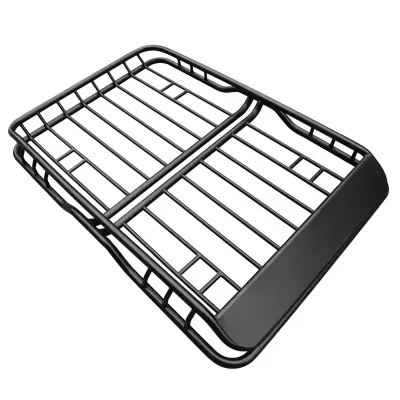


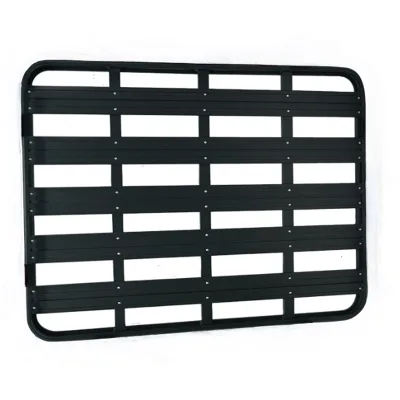
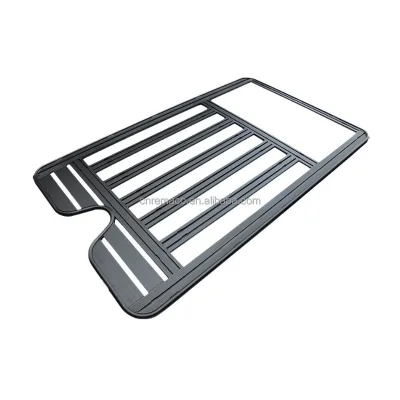
High Quality Platform Aluminium Universal Cross Bar Roof Rack Roof Platform
$131.06 - $136.00
MOQ: 10 sets


Comprehensive Sourcing Guide
Strategic Sourcing Guide for Black Skinny Luggage Roof Racks
The global demand for vehicle storage solutions has driven significant innovation in the automotive accessory sector, with a specific focus on lightweight, high-capacity roof racks. For procurement professionals targeting the "Black Skinny Luggage Roof Rack" category, the market presents a diverse array of options ranging from soft fabric carriers to rigid aluminum alloy baskets. This guide synthesizes available product attributes and industry standards to provide a disciplined framework for sourcing these items. Buyers must navigate a landscape where terminology varies between "soft rack," "basket," and "rack," often with overlapping specifications regarding load capacity, mounting location, and material composition. The following sections detail the technical parameters, compliance considerations, and supplier evaluation criteria necessary for a successful procurement strategy.
Technical Specifications and Material Composition
The core of any roof rack procurement decision lies in the technical specifications, which dictate compatibility, durability, and utility. In the current market, the "black skinny" descriptor often refers to the profile of the rack or the specific luggage bag design, which prioritizes aerodynamics and a low visual profile. Analysis of available product data reveals two primary material categories: aluminum alloy and oxford fabric.
Products constructed from aluminum alloy, such as those identified with the model number BTS-12, offer structural rigidity suitable for heavy-duty applications. These units typically feature a powder-coated finish, a process explicitly noted in supply chain data as "Power Coating," which enhances corrosion resistance and aesthetic longevity. The load capacity for these rigid structures varies significantly; observed data points to capacities ranging from 51kg to 60kg for specific soft rack models, while other heavy-duty variants claim a loading capacity of up to 150kg. This discrepancy underscores the necessity for buyers to verify the specific load rating of the unit being sourced, as the term "roof rack" encompasses both lightweight soft bags and robust hard baskets.
Conversely, the "skinny" or soft luggage aspect often utilizes oxford fabric. These products are designed to be flexible and are frequently marketed as "Roof Soft Rack" or "Double Deck" systems. The weight of these units is a critical differentiator; observed listings indicate weights as low as 1.18kg for reduced-size models and up to 6.5kg for larger configurations. The packaging dimensions for these items are also distinct, with single package sizes recorded as 1271711cm or 1371711cm for certain models, while others may reach 1421238cm. Buyers must cross-reference these dimensions with their logistics requirements, as the "skinny" profile of the product does not always equate to a compact shipping package, particularly for double-deck systems.
Mounting Systems and Vehicle Compatibility
The mounting location is a non-negotiable specification for roof rack procurement. All observed data points consistently identify the "Mounting Location" as the "Roof" or "Roof Mount." However, the mechanism of attachment varies. Some products are described as having a "Simple Type" mounting system, while others emphasize "Excellent Fitment" for specific vehicle models, such as the Toyota 4Runner. This suggests that while the general category is universal, specific SKUs may be engineered for particular roof rails or crossbar configurations.
The "Placement" attribute further clarifies the installation method, with "Roof Mount" being the standard designation. For soft racks, the installation process is often highlighted as "Easy Installation," which is a key selling point for end-users who may not have professional installation tools. The "Dual Side" opening feature is another critical specification for soft luggage racks, allowing for versatile access to the cargo. When sourcing, procurement teams must verify whether the product is a universal fit or a model-specific fitment. The presence of "OEM Service Accepted" in the supply data indicates that many manufacturers are willing to customize the mounting interface or branding, which is essential for buyers seeking private-label solutions.
Compliance, Certification, and Quality Standards
In the B2B procurement of automotive accessories, compliance and quality assurance are paramount. While the provided data does not list specific third-party certifications (such as ISO or TUV), it does reference "High-Quality" as a product attribute and "Standard Packing" as a packaging detail. Buyers must treat these as observations rather than guaranteed certifications. The "Quality" attribute of "Hiah-Quality" (likely a typographical variation of High-Quality) suggests a focus on durability, but without explicit test results or standard numbers, this remains a claim that requires verification through independent testing.
The "prod_standard" attribute lists specific dimensions (12087CM) for certain packages, which serves as a baseline for compliance with shipping and storage regulations. However, for safety-critical components like roof racks, buyers should verify adherence to international safety standards regarding load-bearing limits and crash safety. The "Supply Ability" of 3000 pieces per month indicates a manufacturer capable of scaling, but it does not confirm adherence to specific production quality management systems. Procurement protocols should include a requirement for the supplier to provide evidence of material testing for the aluminum alloy or oxford fabric, specifically regarding tensile strength and UV resistance, as these are critical for outdoor exposure.
Cost Drivers and Pricing Dynamics
The pricing structure for black skinny luggage roof racks is influenced by material costs, customization levels, and order volume. The observed price range in the market spans from $10.8 to $523 USD, a wide variance that reflects the difference between basic soft bags and complex, high-load aluminum systems. The Minimum Order Quantity (MOQ) is another significant cost driver. Data indicates an MOQ range of 1 to 100 units, with specific products offering an MOQ of 1 piece or 1 set, while others require 200 sets for customized sizes.
This variability allows for a tiered sourcing strategy. Small buyers can test the market with low-MOV orders, while larger retailers can leverage the 200-set threshold for customized specifications. The "Customization: Available" attribute suggests that price increases may be associated with branding, color variations (beyond the standard black), or specific fitment modifications. The "Single Gross Weight" of 20.000kg for certain packages also impacts logistics costs, as heavier shipments incur higher freight charges. Buyers should calculate the total landed cost, including the base price, customization fees, and shipping, rather than focusing solely on the unit price.
Supplier Evaluation and Operational Capabilities
Evaluating suppliers for roof rack products requires a focus on their operational history and geographic location. The "Place of Origin" is consistently listed as China, with specific provinces such as Jiangsu and Zhejiang mentioned. These regions are known for their manufacturing clusters in automotive accessories and aluminum processing. The "Brand" attribute varies, with some products listed under "BTreeS" and others under "OEM," indicating that many suppliers operate as contract manufacturers for various brands.
When assessing a supplier, buyers should verify their "Supply Ability" against their projected demand. A capacity of 3000 pieces per month is a solid baseline, but it must be matched against the buyer's forecast. The "Lead Time" is not explicitly provided in the data, so it must be negotiated directly. Furthermore, the "Fitment" attribute, such as "Excellent Fitment" for specific vehicles, serves as a proxy for the supplier's engineering capability. A supplier that can demonstrate precise fitment for popular models like the Toyota 4Runner likely possesses the necessary tooling and quality control processes. Buyers should request samples to verify the "Style" attributes, such as "Modern Design" or "4X4 Car Roof Basket," ensuring the aesthetic matches the target market's expectations.
Quality Control and Long-Term Procurement Considerations
Ensuring long-term value in roof rack procurement requires a robust quality control (QC) framework. The "Finish" of "Power Coating" on aluminum products is a critical quality indicator, as it protects against rust and wear. For oxford fabric products, the "Loading Capacity" of 100kg or 150kg must be validated through stress testing, as fabric fatigue can lead to failure under heavy loads. The "Packing Details" of "Carton Boxs" suggest a standard shipping method, but buyers should ensure that the packaging is sufficient to protect the product during transit, especially for delicate components.
Long-term considerations include the availability of spare parts and the scalability of the supply chain. The "Customization: Available" feature is a strong indicator of a supplier's flexibility, allowing for future product iterations without changing the manufacturer. Buyers should also consider the "Used for" application, which is listed as "Carry Luggage," and ensure the product design aligns with the specific needs of their customer base, whether for recreational 4X4 use or daily commuting. The "Style" of "Modern Design" implies a focus on aesthetics, which can be a differentiator in a crowded market. Finally, the "Selling Units" being listed as "Single item" suggests that the product is often sold individually, which simplifies inventory management but requires careful stock planning to avoid shortages.
Comparative Analysis of Product Attributes
To facilitate decision-making, the following table summarizes the key technical and commercial attributes observed in the market data for black skinny luggage roof racks. This comparison highlights the diversity in specifications that buyers must navigate.
| Attribute Category | Observation A (Aluminum/Rigid) | Observation B (Oxford/Soft) | Observation C (Universal/Custom) |
|---|---|---|---|
| Material | Aluminum Alloy | Oxford Fabric | Mixed / Customizable |
| Mounting Location | Roof Mount | Roof Mount | Roof Mount |
| Load Capacity | 100kg - 150kg | 51kg - 60kg | Variable (Custom) |
| Weight | 6.5kg | 1.18kg - 1.56kg | 20.000kg (Gross) |
| Model Number | BTS-12 | Roof Soft Rack | Customizable |
| MOQ | 200 Sets (Custom) | 1 Set | 1 pc |
| Finish | Power Coating | Standard | Standard |
| Origin | Zhejiang / Jiangsu | Jiangsu, China | China |
| Fitment | Specific (e.g., Toyota 4Runner) | Universal | Excellent Fitment |
This table illustrates that there is no single "standard" product. The "Black Skinny Luggage Roof Rack" is a category that encompasses a spectrum of products. Procurement success depends on matching the specific technical requirements of the buyer's target market with the precise capabilities of the supplier. By rigorously verifying load capacities, material finishes, and fitment specifications, buyers can mitigate risk and ensure the delivery of high-quality automotive accessories. The wide range of MOQs and price points offers flexibility, but it also demands a disciplined approach to supplier selection and quality assurance to maintain brand integrity and customer satisfaction.
FAQs
What materials are used for black skinny luggage roof racks?
These racks are primarily constructed from aluminum alloy or oxford fabric. Aluminum models offer high rigidity with power coating, while soft racks use durable oxford material for flexibility and lighter weight.
How much load capacity can these roof racks support?
Load capacity varies significantly by design, ranging from 51kg to 60kg for soft racks up to 150kg for heavy-duty aluminum baskets. Buyers must verify the specific rating for each model before purchase.
Can I find roof racks with customizable sizes?
Yes, customization is available for specific size requirements, though some models require a minimum order of 200 sets for custom dimensions. Standard sizes are often available with lower order quantities.
Where are these roof racks manufactured?
The products originate from China, specifically from manufacturing hubs in Jiangsu and Zhejiang provinces. These regions are known for producing automotive accessories with varying levels of OEM service acceptance.
What is the typical minimum order quantity for these racks?
Minimum order quantities range from 1 piece for standard items to 200 sets for customized sizes. This flexibility allows buyers to test the market with small orders or scale up for custom needs.
How are these racks mounted on vehicles?
All observed models utilize a roof mount system, often described as a simple type or designed for excellent fitment on specific vehicles like the Toyota 4Runner. Installation is generally noted as easy for end users.