Source Black Spraying Inner Fenders for Cars, SUVs, and Trucks
Compare 11 listings for Black Spraying Inner Fenders designed for cars, SUVs, and trucks. Buyers can review specifications like material, fitment, and customization options from verified suppliers in China; compare the available evidence and request quotations based on your requirements.
Updated
Key considerations
Products List


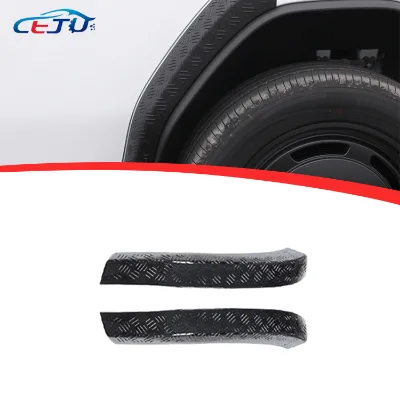
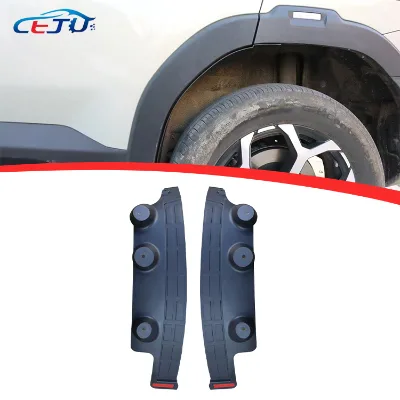
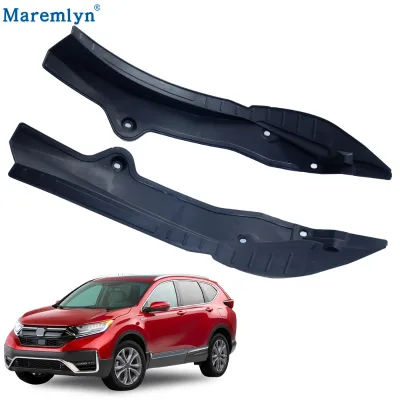
Comprehensive Sourcing Guide
Black Spraying Inner Fenders Sourcing Guide
Sourcing Black Spraying Inner Fenders requires a disciplined approach to material selection and finish verification, as these components serve critical protective and aesthetic functions in automotive assembly. Buyers must prioritize suppliers who demonstrate consistent quality in plastic injection molding and surface treatment processes, ensuring that the final product meets both functional durability and visual standards. The observed market data indicates a wide range of product models, from MC059 to MF006, suggesting that customization is a key differentiator in this segment. Procurement teams should focus on verifying the specific application fitment, such as for ICAR or Jetour vehicles, to avoid compatibility issues during installation.
The procurement landscape for these parts is characterized by flexible commercial terms and diverse shipping options, which can complicate initial supplier evaluation. With observed minimum order quantities ranging from one to thirty pieces, buyers have the opportunity to test samples before committing to larger volumes, although sample availability does not always imply free provision. It is essential to understand that while many listings claim ISO certification and 100% testing, these are observations that require independent validation. Buyers should establish clear communication channels regarding lead times, which typically span seven to thirty days, to align production schedules with assembly line requirements and minimize inventory holding costs.
Product Scope and Observed Listing Signals
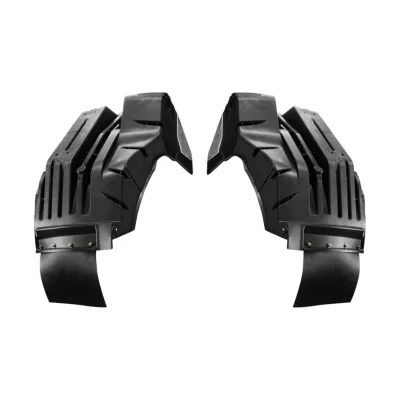
The current market for Black Spraying Inner Fenders encompasses a variety of materials, primarily ABS and PE plastics, which offer different balances of impact resistance and weight. Listings frequently highlight features such as easy installation and specific fitments for models like the I Car V23 or Jetour Shanhai T1, indicating a strong demand for vehicle-specific solutions. The color specification is consistently black, often achieved through spraying techniques that provide a uniform finish matching the original alloy or plastic colors. Buyers should note that the position of these parts varies, including front fender, rear fender, and general body applications, which necessitates precise model number verification to ensure correct fitment.
Commercial signals from suppliers reveal a focus on global logistics, with shipment options including DHL, FedEx, TNT, air, and sea freight from ports like Shanghai. This flexibility allows buyers to choose cost-effective shipping methods based on order volume and urgency, though it also requires careful calculation of total landed costs. The observed price range of one to sixty-nine point nine USD suggests significant variation based on material quality, packaging, and order quantity. Procurement teams must scrutinize the single package dimensions and gross weight, such as the eighteen by fifteen by fifteen centimeter package for certain SKUs, to optimize container loading and reduce per-unit shipping expenses.
Technical Specifications to Verify
Verifying technical specifications is paramount when sourcing inner fenders, as deviations can lead to installation failures or premature wear. Buyers must confirm that the material composition, whether ABS or PE, aligns with the vehicle’s engineering requirements for heat resistance and impact absorption. The finishing process, described as black spraying plastics or alloy original color, should be inspected for uniformity and adhesion to prevent chipping or peeling under harsh driving conditions. Additionally, the OEM standard size claim must be validated against physical samples to ensure that the fender covers the wheel well adequately without interfering with suspension movement or tire rotation.
Model numbers such as SKU06773 and SKU06562 serve as critical identifiers for traceability and reorder accuracy, but buyers should not rely solely on these codes without cross-referencing them with the vehicle’s VIN or chassis number. The fitment for specific brands like Honda or Jetour requires precise dimensional checks, as even minor discrepancies can affect aerodynamics and mud protection efficacy. Buyers should request detailed single package size data, such as seventy-four by twenty-four by twenty-one centimeters for certain items, to plan warehouse storage and handling procedures effectively. Confirming the installation ease claim through hands-on testing can prevent labor cost overruns during assembly.
Compliance and Safety Documentation
Compliance with international standards is a foundational requirement for automotive components, and buyers must verify that suppliers hold valid ISO certifications rather than accepting claims at face value. The documentation should include material safety data sheets and test reports that confirm the plastics used are free from harmful substances and meet environmental regulations. While listings mention 100% testing, buyers should request specific test protocols, such as salt spray resistance or UV stability tests, to ensure the black spraying finish does not degrade under prolonged exposure to sunlight and road chemicals. This due diligence protects the buyer from liability issues and ensures the parts meet the safety standards of the destination market.
Safety considerations also extend to the structural integrity of the fenders, which must withstand road debris and minor impacts without shattering. Buyers should inquire about the quality control processes that guarantee the high-quality standards advertised, including inspection rates and defect rejection procedures. The claim of specially authorized IP style suggests a need for intellectual property verification to avoid infringement issues, particularly when sourcing parts with unique designs. Ensuring that the supplier adheres to the customer’s specific standards, as noted in the product specifications, is crucial for maintaining brand integrity and meeting regulatory requirements in different regions.
Cost Drivers and Commercial Terms
Understanding the cost drivers for Black Spraying Inner Fenders involves analyzing material prices, manufacturing complexity, and logistics expenses. The use of ABS and PE plastics introduces variability based on resin market fluctuations, while the black spraying process adds labor and equipment costs. Buyers should negotiate pricing based on volume tiers, keeping in mind the observed MOQ range of one to thirty pieces, which allows for flexible ordering but may impact unit costs. The leading time of seven to thirty days also influences cash flow, as longer lead times may require higher safety stock levels, increasing working capital requirements.
Commercial terms such as packaging and shipping methods significantly affect the total cost of ownership. The use of bag, carton, or carton plus wooden case packaging must be evaluated for its ability to protect the parts during transit, especially for sea freight. Buyers should compare the total landed cost, including duties and handling fees, rather than focusing solely on the unit price. The availability of samples, though not always free, provides an opportunity to assess quality before committing to large orders, potentially saving costs associated with defective batches. Clear agreement on payment terms and return policies for non-conforming goods is essential to mitigate financial risk.
Supplier Qualification and Quality Control
Supplier qualification for inner fenders requires a thorough assessment of manufacturing capabilities and quality management systems. Buyers should verify the supplier’s location, such as Guangdong, China, and their experience in producing automotive parts for brands like ICAR or Honda. The claim of easy installation should be validated through technical reviews and sample testing to ensure that the design facilitates efficient assembly without requiring specialized tools. Suppliers who offer customization services demonstrate flexibility, but buyers must ensure that these customizations do not compromise the structural integrity or aesthetic consistency of the parts.
Quality control processes must be robust, with clear protocols for incoming material inspection, in-process monitoring, and final product testing. Buyers should request evidence of the 100% testing claim, including statistical process control data and defect rate metrics. The ability to provide samples for evaluation is a positive indicator, but buyers should also conduct their own quality audits to verify consistency across production batches. Establishing a clear communication channel for addressing quality issues and defining acceptance criteria based on the customer’s standards is crucial for maintaining a reliable supply chain and ensuring long-term partnership success.
Long-Term Procurement Checks
Long-term procurement success depends on continuous monitoring of supplier performance and market dynamics. Buyers should establish key performance indicators such as on-time delivery rates, defect percentages, and responsiveness to quality issues to evaluate suppliers regularly. The observed lead time range of seven to thirty days requires consistent tracking to identify potential bottlenecks and adjust inventory strategies accordingly. Regular audits of the supplier’s quality control processes and certification status ensure that they maintain the high standards required for automotive applications, protecting the buyer from supply chain disruptions.
Market trends and technological advancements in plastic molding and surface finishing should be monitored to identify opportunities for cost reduction or performance improvement. Buyers should engage in strategic discussions with suppliers about potential design optimizations or material substitutions that could enhance durability or reduce weight. Maintaining a diversified supplier base can mitigate risks associated with single-source dependencies, while fostering strong relationships with qualified suppliers can lead to better pricing and priority service. Continuous improvement initiatives, driven by feedback from assembly lines and end-users, ensure that the sourced parts remain competitive and meet evolving customer expectations.
FAQs
What materials are used for Black Spraying Inner Fenders?
Black Spraying Inner Fenders are typically manufactured from durable ABS or PE plastics. These materials provide excellent resistance to impact and corrosion. The finishing process often involves black spraying on plastics or alloy original colors. This ensures a sleek appearance while maintaining structural integrity for long-term vehicle use.
Can these fenders be customized for specific car models?
Yes, customization is available for various vehicle applications. Products are designed to fit specific brands like ICAR, Jetour, and Honda. The standard size is OEM standard, ensuring precise fitment. Buyers can request specific standards according to customer requirements, making these fenders versatile for different car fitment needs.
What is the typical lead time for production?
The leading time for production generally ranges from 7 to 30 days. This duration depends on order volume and customization requirements. Buyers should plan their procurement schedules accordingly. The factory ensures quality control during this period, with products undergoing 100% testing before shipment to meet high-quality standards.
How are the fenders packaged for shipping?
Fenders are packed securely in bags, cartons, or carton plus wooden cases. This packaging protects the items during transit via DHL, FedEx, TNT, air, or sea. The single package size varies by model, such as 180x150x150 cm for some units. Proper packing ensures the black spraying finish remains undamaged upon arrival.
What certifications do these fenders hold?
These fenders hold ISO certification, indicating adherence to international quality management standards. This certification ensures consistent manufacturing processes and product reliability. Buyers can trust the quality of the ABS and PE materials used. The ISO standard supports the claim of high-quality output and effective mud prevention functions.
What is the minimum order quantity for these parts?
The minimum order quantity varies, with some items requiring 30 pieces. Other products may have an MOQ of 1, offering flexibility for small buyers. This range allows businesses to test market demand or place bulk orders. The flexible MOQ supports both individual repairs and large-scale automotive aftermarket distribution needs.