Source Black Silicon Metal for Steel, Refractory, and Metallurgy
Find 30 listings for Black Silicon Metal used as a deoxidizer additive in the iron and steel industry. Compare grades like Si-441 and Si-553, which offer high purity and thermal shock resistance for refractory and metallurgical applications.
Key considerations
Products List


High Temperature Resistant Si Silicon Metal with Good Physical Properties
$1200.00 - $1400.00
MOQ: 5 Tons


Chinese Manufacturer Seller Hot Sale Good Quality Silicon Metal 553 Grade
$1000.00 - $3000.00
MOQ: 5 Tons




$2000000.00 - $3000000.00
MOQ: 1 Pieces
Comprehensive Sourcing Guide
Black Silicon Metal Sourcing Guide
Procuring Black Silicon Metal requires a disciplined approach to distinguishing between metallurgical-grade alloys and specialized refractory materials, as the supply chain often blends these categories under a single commodity name. Buyers must first recognize that the core material is defined by its high silicon content, typically ranging from 99% minimum to 99.5%, with specific grades like 553, 441, and 1101 indicating varying impurity levels of iron, aluminum, and calcium. The physical form is equally critical, with listings frequently offering both lump and powder specifications, each serving distinct industrial needs from deoxidation in steelmaking to use as a raw material in the refractory sector.
The sourcing landscape is characterized by a wide variance in commercial terms, with observed minimum order quantities (MOQ) ranging from single units to 5 metric tons, depending on the supplier's capacity and the specific grade requested. While some vendors offer customization and OEM/ODM services, others operate with rigid standard packaging such as jumbo bags or wooden cases with steel strips, which directly impacts logistics planning and storage requirements. Understanding these baseline commercial signals is essential before engaging with suppliers, as the flexibility in delivery times, often cited around 15 days, and the availability of samples vary significantly across the market.
Product Scope and Observed Listing Signals
The product scope for Black Silicon Metal extends beyond simple elemental silicon to include specialized alloys tailored for high-strength steel plates, wear-resistant steel, and cold heading applications. Buyers should verify that the listed product explicitly supports these specialized uses, as the material properties such as volume stability and thermal shock resistance are prerequisites for refractory applications. The observed listings indicate a strong focus on the iron and steel industry, where the material functions primarily as a deoxidizer additive, necessitating a clear understanding of the specific silicon brand codes like Si-441 or Si-553 to ensure compatibility with the intended metallurgical process.
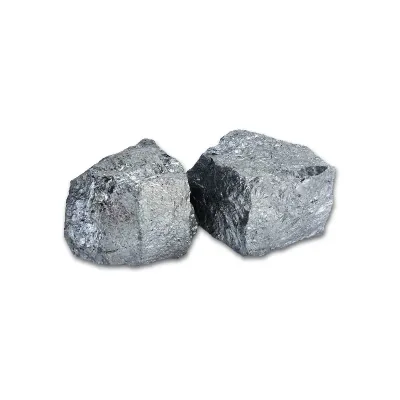
Listing signals often reveal inconsistencies in physical descriptions, with some entries describing the product as a block while others specify lump or powder forms, requiring careful cross-referencing with the intended application. The color profile is generally reported as black, though some sources note variations including blue or grey, which may indicate different processing methods or impurity profiles that could affect performance. Procurement teams must scrutinize these visual and physical attributes to ensure the selected material matches the strict requirements of their production lines, particularly when dealing with free-cutting steel or mold steel where material consistency is paramount.
Technical Specifications to Verify
Technical verification begins with the chemical composition, where the silicon content must meet the minimum purity thresholds observed in the market, typically 99% or higher, with specific limits on iron, aluminum, and calcium. Buyers should demand detailed assay reports that confirm the Si content, such as the 99.5% figure noted in specific listings, alongside the precise percentages of Fe and Ca, which are critical for preventing defects in the final steel product. The refractoriness of the material, often cited in the range of 1580°C, is another vital parameter for applications involving high-temperature environments, ensuring the material maintains its structural integrity under thermal stress.
Physical specifications such as size and shape are equally important, with the market offering both lump and powder variants that serve different processing needs. The standard size specifications, including models like HQ-SM or SW-115, often correlate with specific filtration pressure values or mechanical strength requirements, which must be validated against the buyer's equipment capabilities. Additionally, the carbon content is a key differentiator, with low carbon variants preferred for specific metallurgical applications, and buyers must ensure that the selected grade aligns with the chemical and physical demands of their specific manufacturing process.
Compliance and Safety Documentation
Compliance documentation for Black Silicon Metal must address both the chemical safety of the raw material and the adherence to international standards for industrial supply. While specific certification statuses like ISO 5445 are mentioned in background contexts, buyers should prioritize verifying that the supplier can provide test results aligned with recognized standards such as Astmd 1765-91 or GB3778-2003, which govern the quality and safety of silicon-based products. The absence of sample availability in some listings suggests that buyers may need to rely heavily on third-party inspection reports or pre-shipment testing to validate the material's compliance before committing to large orders.
Safety data sheets (SDS) are essential for handling Black Silicon Metal, particularly given its classification as a raw material used in high-temperature and high-pressure environments. Buyers must ensure that the supplier provides comprehensive documentation regarding the material's reactivity, dust explosion risks, and proper handling procedures, especially when the product is supplied in powder form. The packaging standards, which may include jumbo bags or wooden cases with steel strips, should also be reviewed to confirm they meet international shipping regulations and protect the material from contamination or moisture ingress during transit.
Cost Drivers and Commercial Terms
Cost drivers for Black Silicon Metal are heavily influenced by the purity grade, with higher purity levels such as 99.5% commanding a premium over standard grades like 553 or 441. The observed price range of 180 to 3,000,000 USD reflects the vast difference between small-scale purchases and bulk industrial contracts, where economies of scale and the specific grade requirements significantly impact the final unit cost. Buyers must also account for the cost of customization, as OEM/ODM services and tailored packaging solutions often incur additional fees that can alter the total landed cost of the material.
Commercial terms such as minimum order quantities (MOQ) and delivery times are critical factors in the total cost of ownership, with MOQs ranging from 1 unit to 5 metric tons depending on the supplier's production capacity. The standard delivery time of 15 days observed in the market provides a baseline for logistics planning, but buyers should verify if expedited shipping is available and at what cost, especially for urgent production needs. Payment terms and the flexibility of the supplier to accommodate custom orders will also play a significant role in the financial viability of the procurement, requiring a detailed negotiation strategy to balance cost efficiency with supply chain reliability.
Supplier Qualification and Quality Control
Supplier qualification for Black Silicon Metal requires a rigorous assessment of the manufacturer's origin and production capabilities, with key sourcing hubs identified in Shanxi, Shandong, and Hebei provinces in China. Buyers should verify the supplier's ability to maintain consistent quality across different batches, as the material's performance in high-strength steel and refractory applications is highly sensitive to variations in chemical composition and physical structure. The presence of multiple silicon brand codes in a single listing suggests a diverse product portfolio, but buyers must ensure that the specific brand selected meets their exact technical requirements and that the supplier has a track record of delivering consistent quality.
Quality control processes must be clearly defined and verified, with a focus on the supplier's ability to provide detailed chemical analysis and physical testing results for every batch. The absence of sample availability in some cases necessitates a robust pre-shipment inspection protocol, where buyers may need to engage third-party inspection agencies to validate the material's purity, size, and shape before acceptance. Additionally, the supplier's commitment to customization and their ability to adapt to specific buyer requirements, such as unique packaging or grading standards, are key indicators of their reliability and long-term viability as a procurement partner.
Long-Term Procurement Checks
Long-term procurement of Black Silicon Metal involves establishing a framework for continuous quality monitoring and supply chain resilience, ensuring that the material remains consistent with the buyer's evolving production needs. Buyers should implement regular audits of the supplier's production processes and quality control measures to verify that the material continues to meet the specified purity and physical standards over time. The dynamic nature of the market, with observed price ranges and MOQs fluctuating, requires a flexible procurement strategy that can adapt to changes in supply availability and cost structures without compromising the quality of the final product.
Building a strategic partnership with suppliers who offer customization and OEM/ODM services can provide a competitive advantage in the long run, allowing buyers to tailor the material to their specific industrial applications. Regular communication and performance reviews are essential to maintain this relationship, ensuring that the supplier remains responsive to changes in demand and technical requirements. By focusing on these long-term checks, buyers can mitigate the risks associated with supply chain disruptions and ensure a steady flow of high-quality Black Silicon Metal for their critical metallurgical and refractory operations.
FAQs
What is the purity level of Black Silicon Metal?
The purity is at least 99% minimum, with specific grades offering 99.5% silicon content. This high purity ensures effective performance as a deoxidizer additive in metallurgical processes. The material contains low carbon and specific levels of iron and calcium, making it suitable for high-strength steel plate and wear-resistant steel applications.
Which specifications are available for Black Silicon Metal?
Available specifications include models 1101, 2202, 3303, 411, 421, 441, 553, and 97. The product is offered in both lump and powder forms. These variations allow buyers to select the exact grade needed for specific metallurgical or refractory applications, ensuring compatibility with diverse industrial requirements and processing methods.
Can Black Silicon Metal be customized for specific needs?
Yes, customization is available for Black Silicon Metal products. Buyers can request specific packaging options, such as jumbo bags or wooden cases with steel strips. OEM and ODM services are also supported, allowing for tailored solutions that meet unique industrial standards and logistical requirements for global supply chains.
What is the typical lead time for delivery?
The standard delivery time is 15 days from order confirmation. This timeframe applies to most standard orders, ensuring timely supply for production schedules. Buyers should note that sample availability is not offered, so bulk orders proceed directly to manufacturing and packing based on confirmed specifications and agreed terms.
What is the minimum order quantity for Black Silicon Metal?
The minimum order quantity is 5 metric tons. This MOQ ensures efficient production and logistics for bulk industrial buyers. Orders are typically packed in 1mt jumbo bags or larger quantities depending on the specific grade and packaging preference, facilitating easy handling and storage in metallurgical facilities.
Where is Black Silicon Metal manufactured?
Black Silicon Metal is manufactured in China, with origins in regions such as Shanxi, Shandong, and Hebei. These locations are known for their industrial capabilities in producing high-purity silicon materials. The product meets various standards, including ASTM D1765-91 and GB3778-2003, ensuring quality consistency across different production sites.