Source Black Steel Fitness Weight Plate for Gym, Home, and Training
Explore 30 listings for Black Steel Fitness Weight Plate options from Chinese manufacturers. Compare specifications like weight, material, and customization to find durable plates for strength training, bodybuilding, and general exercise; compare the available evidence and request quotations based on your requirements.
Updated
Key considerations
Products List






Comprehensive Sourcing Guide
Black Steel Fitness Weight Plate Sourcing Guide
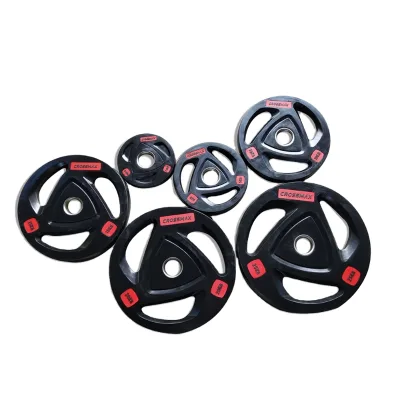
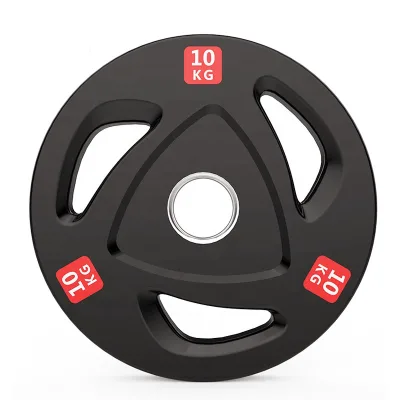
Procuring black steel fitness weight plates requires a disciplined approach to material verification and surface treatment analysis. Buyers must distinguish between pure cast iron, steel composite, and rubber-encased variants, as the supplied data indicates a mix of materials including steel, rubber, and steel-rubber combinations. The visual cue of a black finish often suggests a powder-coated or painted surface designed for corrosion resistance and aesthetic uniformity, but this does not guarantee the core material is solid steel. Sourcing teams should prioritize suppliers who explicitly declare the base material composition to avoid receiving lighter, less durable alternatives that may fail under high-repetition strength training loads.
Commercial availability signals reveal a diverse market with models ranging from 1.25kg to 25kg, catering to both home gyms and commercial facilities. The observed listings show significant variation in origin, with products sourced from Shandong, Hebei, and Jiangsu provinces in China, indicating a robust manufacturing ecosystem. Buyers should note that while some products are labeled as "hot selling" or feature custom OEM logos, the underlying construction quality varies. It is critical to verify whether the black coating is integral to the casting process or an applied finish, as this impacts longevity and resistance to chipping during intense weightlifting exercises.
Product Scope and Observed Listing Signals
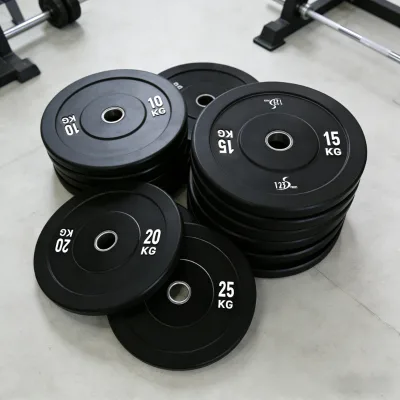
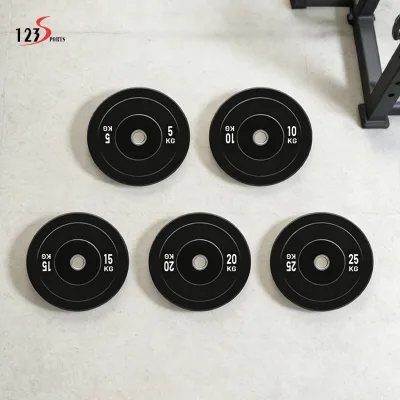
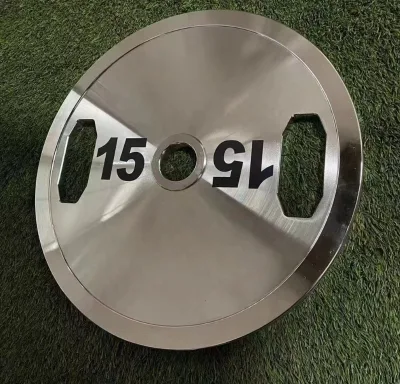
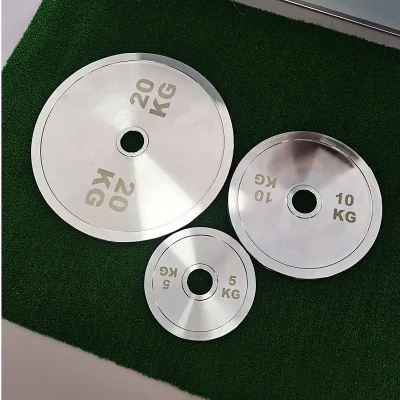
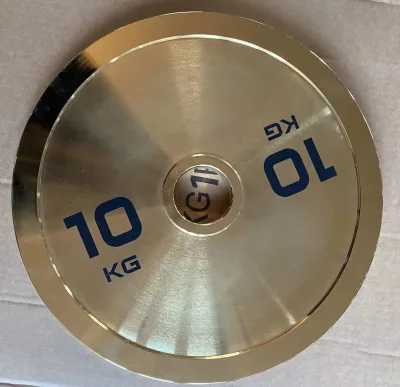
The current market landscape for black steel fitness weight plates includes a wide array of specifications, with observed weights spanning from 1.25kg up to 25kg and standard sizes like 5KG, 10KG, 15KG, and 20KG. Listings frequently highlight customization options, such as OEM logos and branded packaging, which are essential for private-label distributors and gym equipment retailers. The presence of terms like "customized logo available" and "OEM package" suggests that many manufacturers are equipped to handle branded orders, allowing buyers to create unique product identities. However, the term "black" is often used descriptively rather than as a strict material specification, so buyers must confirm if the black appearance applies to the entire plate or just the outer coating.
Observed packaging methods vary significantly, ranging from simple polybags and cartons to heavy-duty wooden cases and plywood crates, reflecting the weight and fragility of the products. Some suppliers offer samples, which is a crucial step for verifying the actual weight tolerance and surface quality before committing to large orders. The observed minimum order quantities (MOQ) range from small batches to 500kg, indicating flexibility for both small startups and large-scale procurement contracts. Buyers should carefully review the packing details, as improper packaging can lead to damage during transit, especially for steel plates that may have sharp edges or rough surfaces if not finished correctly.
Technical Specifications to Verify
Verifying the inner diameter is a critical technical step, as the supplied data specifies a 50mm inner diameter for several models, which is the standard for Olympic bars. Buyers must ensure that the hole diameter matches their existing barbell inventory to prevent fitment issues that could compromise safety during lifts. Additionally, the weight tolerance range is a key performance indicator, with some listings citing a +/-3% tolerance, which is acceptable for general fitness but may be insufficient for competitive powerlifting. Sourcing teams should request detailed technical drawings or physical samples to measure the actual weight against the labeled value, ensuring that the plates meet the required precision for their specific application.
The material composition requires careful scrutiny, as listings mention steel, rubber, and combinations thereof, with some products labeled as cast iron despite the steel designation. This discrepancy highlights the need for clear material declarations to avoid receiving products that do not meet durability expectations. Features such as non-slip surfaces and anti-slip designs are often advertised, but buyers should verify the effectiveness of these features through hands-on inspection. The condition of the plates, typically listed as "new," should be assessed for surface defects, burrs, or uneven coating, which can affect grip and safety during use.
Compliance and Safety Documentation
While specific certification statuses are not definitively confirmed in the provided data, buyers should proactively request documentation for relevant safety and environmental standards. The mention of CE and RoHS in background contexts suggests that some manufacturers may adhere to European safety and hazardous substance restrictions, which are critical for exporting to regulated markets. Procurement teams must verify if the black coating and any rubber components comply with local regulations regarding volatile organic compounds (VOCs) and heavy metal content. Without explicit certification records, buyers risk non-compliance issues that could lead to product recalls or legal liabilities in their target markets.
Safety documentation should also include information on weight accuracy and structural integrity under load. Buyers should inquire about any internal quality control tests performed by the supplier, such as drop tests or fatigue testing, to ensure the plates can withstand repeated use. The H.S Code 9506911900 indicates the product classification for sports equipment, which is useful for customs clearance but does not guarantee safety compliance. It is advisable to ask for third-party test reports or factory audit results to validate the supplier's claims regarding product safety and manufacturing consistency.
Cost Drivers and Commercial Terms
The cost of black steel fitness weight plates is influenced by several factors, including the raw material price, manufacturing complexity, and packaging requirements. The observed price range of $0.2 to $19 USD per unit reflects significant variation based on weight, material, and customization level. Heavier plates and those with rubber encasements typically command higher prices due to increased material usage and processing steps. Buyers should analyze the cost structure to understand how much of the price is attributed to the base material versus the black coating and branding services, ensuring they are not overpaying for superficial features.
Commercial terms such as MOQ and lead times play a crucial role in total procurement cost. The observed MOQ of 500kg for some products indicates that smaller orders may incur higher per-unit costs or require premium shipping rates. Buyers should negotiate flexible MOQs or consolidate orders across multiple SKUs to achieve better pricing. Additionally, the availability of samples, while beneficial for quality verification, may involve separate costs or shipping fees. It is essential to clarify all payment terms, shipping responsibilities, and return policies to avoid unexpected expenses that could erode profit margins.
Supplier Qualification and Quality Control
Supplier qualification involves assessing the manufacturing capabilities and quality management systems of potential partners. Given the diverse origins in Shandong, Hebei, and Jiangsu, buyers should conduct thorough due diligence to verify the supplier's production capacity and consistency. The presence of multiple model numbers, such as CF004, gsgd, and GL-WP060, suggests that some suppliers offer a wide range of products, which can simplify sourcing but may also indicate a lack of specialization. Buyers should prioritize suppliers with dedicated quality control teams and clear procedures for inspecting weight accuracy and surface finish before shipment.
Quality control checks should include random sampling from production batches to verify weight tolerance and material composition. Buyers should establish clear acceptance criteria for defects such as chipping, uneven coating, or incorrect inner diameters. The ability to provide customized logos and packaging is a valuable service, but it should not come at the expense of product quality. It is advisable to implement a pre-shipment inspection process to ensure that the final products meet all specified requirements before they are dispatched, reducing the risk of receiving substandard goods.
Long-Term Procurement Checks
Long-term procurement success depends on establishing a reliable supply chain that can scale with business growth. Buyers should monitor supplier performance over time, tracking metrics such as on-time delivery, defect rates, and responsiveness to issues. The observed variety in packaging, from cartons to wooden cases, indicates that suppliers have different logistical capabilities, which should be evaluated based on the buyer's distribution needs. Building a strong relationship with suppliers who offer consistent quality and flexible customization options can provide a competitive advantage in the fitness equipment market.
Continuous improvement in product offerings is essential to meet evolving customer demands. Buyers should regularly review product specifications and market trends to identify opportunities for new designs or materials. The ability to source plates with specific features, such as non-slip surfaces or eco-friendly materials, can differentiate a brand in a crowded marketplace. It is important to maintain open communication with suppliers to stay informed about any changes in production processes or material availability, ensuring that the supply chain remains resilient and adaptable to market changes.
FAQs
What materials are used for black steel fitness weight plates?
The products are primarily constructed from steel, with some variants incorporating rubber and steel combinations. These materials ensure durability and stability during intense strength training sessions. The black finish is standard across the available models, providing a consistent aesthetic for gym environments while maintaining structural integrity for heavy lifting exercises.
What inner diameter specifications are available for these weight plates?
The standard inner diameter for these weight plates is 50mm, which is compatible with most standard Olympic barbells. This specification ensures a secure fit and safe rotation during lifts. Buyers should verify that their equipment matches this 50mm requirement to ensure proper compatibility and safe usage during strength training routines.
Can buyers request custom logos on the weight plates?
Yes, customized logos are available for these weight plates. Buyers can request OEM branding to suit their specific business needs or gym branding requirements. This customization option allows for unique product identification. It is advisable to confirm logo placement and design specifications with the supplier before placing bulk orders to ensure accuracy.
What weight options are available for these fitness plates?
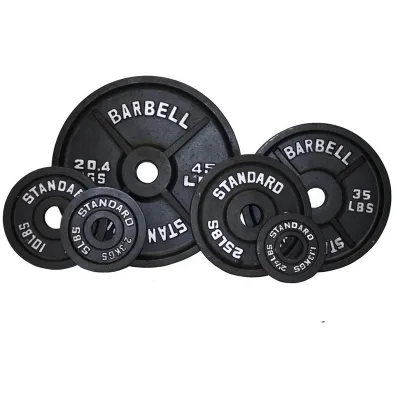
Available weight options include 1.25kg, 2.5kg, 5kg, 10kg, 15kg, 20kg, and 25kg. Some listings also reference standard ranges from 2.5lbs to 45lbs. These varied weights allow for progressive overload training. Buyers should select weights based on their target audience's strength levels and specific training program requirements for optimal results.
Where are these weight plates manufactured?
These weight plates are manufactured in China, with specific origins noted in Shandong, Hebei, and Jiangsu provinces. This geographic distribution indicates a broad manufacturing base within the region. Buyers can consider these locations when evaluating logistics, shipping costs, and potential lead times for international orders, ensuring efficient supply chain management.
What is the typical packaging method for these weight plates?
Packaging options include cartons, wooden boxes, polybags, and plywood cases. Standard packing often involves 18-20kg per brown carton, with larger shipments using wooden cases. This varied packaging ensures product protection during transit. Buyers should specify their preferred packaging method based on shipping volume and handling requirements to minimize damage and optimize storage space.