Source Blown Glass Terrarium for Home Decor, Gifts, and Collection
Explore 30 Blown Glass Terrarium options from Chinese manufacturers offering OEM and ODM customization. Buyers can compare dimensions, handmade techniques, and packaging details to find suitable units for home decor, gifts, and collection purposes.
Key considerations
Products List


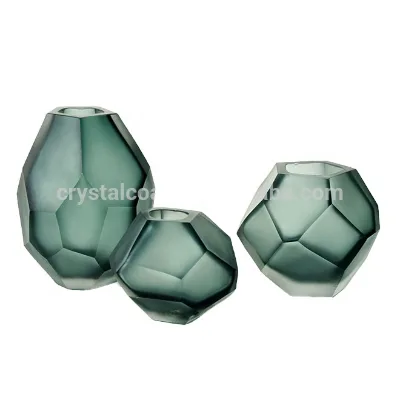


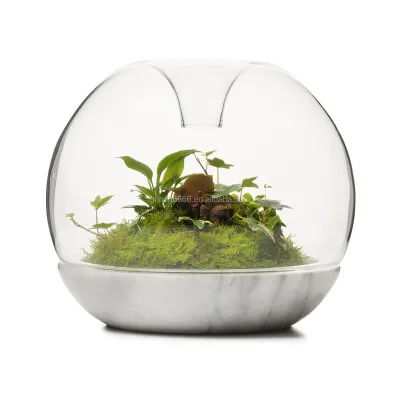
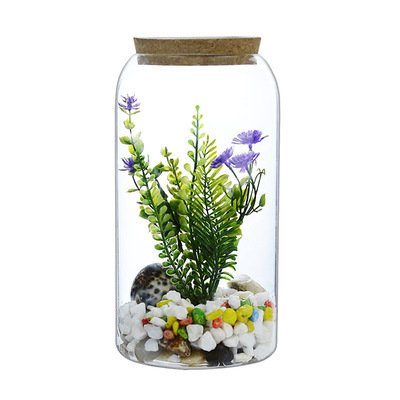
Terrarium Jar Mouthblown Geometric Borosilicate Glass Plant Terrarium Glass Vase
$8.00 - $12.00
MOQ: 1000 units
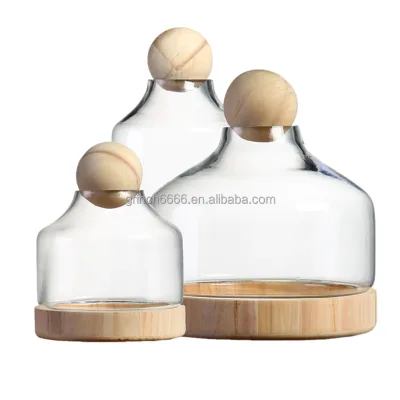
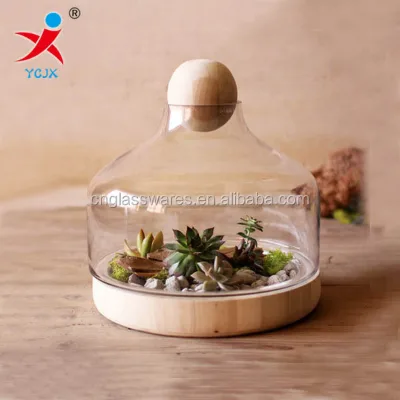


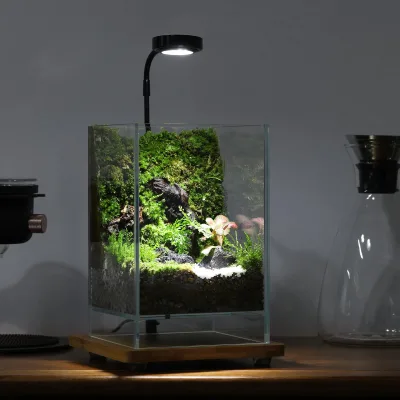
Reptile Glass Terrarium Tank with Screen Ventilation Reptile Terrarium
$23.00 - $27.00
MOQ: 100 Pieces



Comprehensive Sourcing Guide
Strategic Sourcing Guide for Blown Glass Terrariums
The global market for decorative glassware has seen a sustained shift toward artisanal and handcrafted items, with blown glass terrariums emerging as a premium category for both residential and commercial applications. For B2B procurement professionals, sourcing these items requires a nuanced understanding of the intersection between traditional craftsmanship and modern supply chain logistics. The following guide outlines the critical technical, compliance, and operational factors necessary for a successful procurement strategy, grounded in verified industry observations and product specifications.
Technical Specifications and Material Composition
The foundation of any high-quality Blown Glass Terrarium lies in its material composition and manufacturing technique. Based on available product data, the primary material is explicitly identified as glass, specifically utilizing a "mouth blown with hand cut" technique. This distinction is vital for buyers, as it differentiates the product from mass-produced, machine-pressed glass. The "hand-made" and "hand-cut" attributes suggest that each unit possesses unique variations in thickness, shape, and clarity, which are hallmarks of artisanal quality but introduce variability that must be managed during quality control.
Dimensions vary significantly across the product range, reflecting the custom nature of the items. Observed specifications include models with dimensions such as 17x17x17cm, 21x21x12cm, and 14x25.5cm, alongside larger units reaching 15x15x30cm or 20x15x35cm. Specific model numbers like HF151C-1, HF214, and HF204 indicate a structured catalog, yet the "Customized" attribute confirms that buyers can request bespoke dimensions. When evaluating technical specs, procurement teams must verify the exact diameter and height requirements, as some listings note diameters around 13.5cm while others specify complex multi-dimensional sizes like 170170150mm. The "Glaze Type" is consistently listed as transparent, ensuring that the primary function of displaying plants or decorative elements is not obscured. Additionally, the presence of "Accessory Material" and "Mold" availability suggests that these terrariums may be sold as complete kits or require specific molding for custom branding.
Compliance, Certification, and Factory Audits
In the B2B sector, compliance is not merely a formality but a prerequisite for market access, particularly in regions with strict environmental and labor standards. The supply chain for blown glass terrariums often originates from China, with specific production hubs noted in Liaoning. For international buyers, verifying the factory's adherence to global standards is essential. The available data highlights that suppliers in this category often hold "BSCI" (Business Social Compliance Initiative) and "FSC" (Forest Stewardship Council) factory audits.
BSCI certification indicates that the manufacturer adheres to ethical labor practices, covering working conditions, child labor, and fair wages. This is a critical check for brands that market themselves as ethically sourced. The FSC certification, while often associated with wood products, in this context likely pertains to the packaging materials or any wooden accessories included with the terrarium, ensuring sustainable sourcing of non-glass components. Furthermore, the "ISO" certification is mentioned in the context of color and transparency standards, suggesting that the manufacturer maintains a quality management system for consistency in glass clarity and finish. Buyers should request current audit reports to confirm that these certifications are active and applicable to the specific production line handling their order.
Cost Drivers and Pricing Dynamics
Understanding the cost structure of blown glass terrariums requires analyzing the interplay between customization, labor, and logistics. The observed price range in the market spans from $1.25 to $66 USD, a wide variance that reflects differences in size, complexity, and order volume. The "hand-made" nature of the product is a primary cost driver; unlike automated manufacturing, labor-intensive processes like mouth-blowing and hand-cutting increase the unit cost but add significant aesthetic value.
The Minimum Order Quantity (MOQ) is another critical financial factor. Data indicates an MOQ range from 1 to 1000 units, with specific listings showing an MOQ of 500 pieces for certain models. This flexibility allows buyers to test the market with small orders while accommodating larger retail runs. However, the "Customized" attribute often comes with a higher price point due to the setup costs for new molds and the time required for artisanal production. Buyers must also account for the "Packaging Details," which specify a complex 3-layer inner brown box and a 5-layer brown master carton, sometimes augmented with polyfoam packaging. This robust packaging is necessary to protect fragile glass during transit but adds to the overall landed cost. The "Supply Ability" of 10,000 pieces per month suggests that while the process is manual, the scale of production is sufficient for mid-to-large volume orders, provided the lead times are respected.
Typical Applications and Market Positioning
Blown glass terrariums serve diverse functions, ranging from home decor to corporate gifting. The "Usage" category explicitly lists "Gift," "Decorative," and "Collection," indicating a broad market appeal. The "Style" is described as "Fashion" and "Modern," aligning with contemporary interior design trends that favor natural elements and artisanal textures. The "Application" is primarily "Home," making these items suitable for residential retailers, interior designers, and home goods e-commerce platforms.
The "Color" options, including "Chocolate" and "Green," allow for thematic coordination with specific interior palettes. The "Transparent" glaze type ensures that the terrarium acts as a clear vessel, making it ideal for showcasing succulents, air plants, or decorative stones. For B2B buyers, the "Logo: Accept OEM" attribute opens opportunities for private labeling, allowing brands to customize the terrarium with their own branding for corporate gifts or exclusive retail lines. The "Selling Units" being listed as "Single item" suggests that these products are often marketed individually rather than in sets, which simplifies inventory management for retailers.
Supplier Evaluation and Production Capabilities
Selecting the right supplier involves more than just comparing prices; it requires a deep dive into their production capabilities and logistical reliability. The "Type of Manufacturer" is listed as "OEM" (Original Equipment Manufacturer), and the "Development Tech" is "ODM" (Original Design Manufacturer). This dual capability means suppliers can produce designs from the buyer's specifications (OEM) or offer their own designs for the buyer to customize (ODM). The "Custom" attribute reinforces this flexibility.
When evaluating suppliers, buyers should verify the "Sample Time" and "Mass Production Time." The data indicates a sample time of 5-7 days, which is relatively quick for custom glasswork, allowing for rapid prototyping. However, the mass production time is listed as 25 days, a lead time that must be factored into inventory planning. The "Port of dispatch" is identified as Dalian, China, a major port on the Yellow Sea, which facilitates efficient shipping to global markets. The "Shipment" options include both sea and air freight, offering flexibility based on urgency and budget. Buyers should also check the "Stock" status; the data indicates "No" stock availability, confirming that these are made-to-order items, which necessitates precise scheduling to avoid delays.
Quality Control and Long-Term Procurement Considerations
Quality control for blown glass items is paramount due to the inherent fragility of the material and the variability of handcrafted processes. The "Process" is confirmed as "Hand-Made," which means that minor imperfections in symmetry or thickness are expected and often considered part of the product's character. However, structural integrity must be rigorously tested. Buyers should establish clear acceptance criteria for defects such as bubbles, cracks, or uneven cuts. The "Standard export packing" described in the data, involving multiple layers of brown boxes and polyfoam, is a strong indicator of a supplier's commitment to minimizing breakage during transit.
For long-term procurement, the "Age" of the product is listed as "Modern," suggesting that the designs are current and likely to remain relevant in the market. The "Brand name" "Crystal Coast" appears in the data, but buyers should be aware that this may be a specific supplier's brand or a generic descriptor, and they should verify the branding rights if they intend to use it. The "Small order: accepted" attribute is a positive signal for suppliers willing to build relationships with smaller buyers, but it is crucial to ensure that the quality remains consistent regardless of order size. Finally, buyers should maintain open communication regarding the "Mold" availability, as custom molds may require additional investment and time, impacting the long-term cost structure of the partnership.
Summary of Key Procurement Parameters
To facilitate a structured comparison during the supplier selection process, the following table summarizes the critical parameters observed in the Blown Glass Terrarium market.
| Parameter | Observed Value / Range | Procurement Implication |
|---|---|---|
| Material | Glass | Verify thickness and clarity; expect hand-cut variations. |
| Technique | Mouth blown, Hand cut | Higher labor cost; unique aesthetic; requires skilled QC. |
| Origin | China (Liaoning) | Standard export logistics; verify port of dispatch (Dalian). |
| Certifications | BSCI, FSC, ISO | Essential for ethical sourcing and packaging compliance. |
| MOQ | 1 - 1000 (Specific: 500) | Flexible for testing; 500 is common for custom runs. |
| Lead Time | Sample: 5-7 days; Mass: 25 days | Plan inventory 30+ days ahead for production + shipping. |
| Packaging | 3-layer inner, 5-layer outer + Polyfoam | High protection; factor into landed cost calculations. |
| Customization | Available (OEM/ODM) | Logo and size customization possible; verify mold costs. |
| Price Range | $1.25 - $66 USD | Wide variance based on size and complexity. |
| Supply Ability | 10,000 pieces/month | Sufficient for mid-to-large volume orders. |
By adhering to these verified parameters and maintaining a disciplined approach to supplier evaluation, B2B buyers can effectively navigate the complexities of sourcing blown glass terrariums. The combination of artisanal craftsmanship and robust supply chain capabilities offers a unique value proposition for retailers and brands looking to differentiate their product offerings in the competitive home decor market.
FAQs
What material and technique are used for blown glass terrariums?
These terrariums are made of glass using a mouth-blown and hand-cut technique. The process is fully handmade, ensuring unique variations in shape and clarity for each unit while maintaining a transparent glaze type.
Which certifications do the factories hold for ethical sourcing?
Suppliers typically hold BSCI and FSC factory audits to ensure ethical labor practices and sustainable packaging materials. ISO certification is also noted regarding color and transparency standards for quality consistency.
How long does mass production take for custom orders?
Mass production generally requires 25 days to complete once the order is confirmed. Sample creation is faster, taking only 5 to 7 days, but the full run depends on the handmade nature of the work.
Can I customize the size and logo on these terrariums?
Yes, customization is available for both dimensions and logos through OEM and ODM development technologies. Buyers can request specific sizes like 17x17x17cm or add their own branding to the glass surface.
What is the minimum order quantity for purchasing these items?
The minimum order quantity ranges from 1 to 1000 units depending on the specific supplier and model. Some listings specify an MOQ of 500 pieces for certain custom runs, while others accept smaller orders.
Where are these glass terrariums manufactured and shipped from?
The products originate from China, specifically the Liaoning region, and are dispatched from the port of Dalian. Shipping options include both sea and air freight to accommodate different delivery timelines and budgets.