Source Blu-ray Test Cards for Quality Control, Compliance, and Testing
Find and compare 30 Blu-ray Test Cards from verified Chinese manufacturers. Evaluate options based on material, size, and certification to ensure accurate blue light detection for your specific application needs.
Key considerations
Products List




$10.80 - $20.80
MOQ: 50 Pieces


$23.80 - $29.80
MOQ: 1 Pieces





Comprehensive Sourcing Guide
Blu-ray Test Cards Sourcing Guide
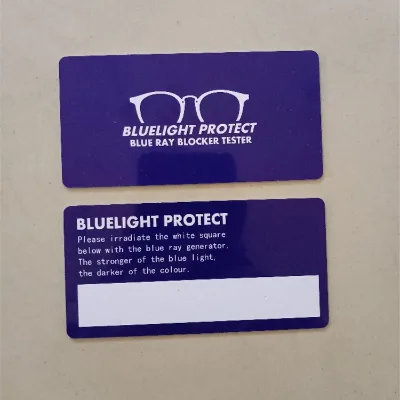
Sourcing blue light test cards requires a clear understanding of the distinction between optical testing tools and general consumer accessories. These cards are primarily designed to verify the efficacy of blue light filtering products, such as eyewear or screen protectors, by providing a standardized visual reference. Buyers must recognize that while the term "blue ray" is often used colloquially, the industry standard terminology typically refers to "blue light" testing. The core function of these items is to demonstrate how specific wavelengths of light interact with photochromic or filtering materials, offering a quick, non-invasive method for quality assurance in retail or laboratory settings.
Procurement decisions should be driven by the intended application, whether for internal quality control, marketing demonstrations, or end-user verification. The market offers a wide variety of these cards, ranging from simple plastic strips to more complex diagnostic tools. It is crucial to differentiate between cards used for general blue light blocking verification and those used for more specialized medical or industrial diagnostics. The supplied data indicates a diverse range of products, including items labeled as "IVD Reagent" or associated with HIV testing models, which suggests that some listings may be misclassified or represent entirely different product categories. Buyers must carefully scrutinize product descriptions to ensure they are acquiring the correct optical testing tool rather than a medical diagnostic kit.
Product Scope and Observed Listing Signals
The current market landscape for blue light test cards reveals a significant variance in product attributes and classifications. Observed listings show a price range from $0.05 to $1,132.73 USD, indicating a broad spectrum from low-cost promotional items to high-end specialized equipment. The minimum order quantity (MOQ) ranges from 1 to 60,000 pieces, reflecting the flexibility of suppliers to accommodate both small-scale trials and large-volume industrial orders. This wide disparity in pricing and volume suggests that buyers should not assume uniform quality or functionality across all available options. Instead, they must evaluate each supplier’s specific offerings against their operational needs, considering factors such as customization availability and packaging requirements.
A critical observation in the current data is the presence of conflicting product attributes within the same search results. For instance, some items are described as "Plastic" with a size of 5*10cm, while others are listed as "Metal" with different dimensions and model numbers like "XH-PE-878" or "FN-3049". Additionally, there are references to "HIV" models and "SD Card" capacities, which are irrelevant to blue light testing. These inconsistencies highlight the importance of verifying the actual product specifications before placing an order. Buyers should focus on listings that explicitly mention "Anti-Blue Light," "Testing Cards," or "IVD Reagent" in a context that aligns with optical testing, while disregarding those with unrelated medical or electronic specifications.
Technical Specifications to Verify
When evaluating blue light test cards, buyers must prioritize the material composition and physical dimensions of the product. The supplied facts indicate that materials can range from plastic to metal, with colors varying from C1 to Silver. The size specifications also vary, with some cards measuring 510cm, while others have larger dimensions such as 19513065mm or 12068*85mm. These physical attributes directly impact the usability and portability of the test cards. For example, smaller cards may be suitable for individual consumer use or retail displays, whereas larger cards might be preferred for laboratory settings or bulk packaging. Buyers should select specifications that align with their intended use case, ensuring that the card size is appropriate for the testing environment.
Another key technical aspect is the functional design and customization options. Many suppliers offer customization services, allowing buyers to add logos or specific branding to the test cards. This is particularly useful for companies looking to provide branded quality assurance tools to their customers. Additionally, the packaging options vary, with some products coming in carton boxes, color boxes, or bulk packing. The choice of packaging can affect the protection of the cards during shipping and their presentation to end-users. Buyers should also consider the storage requirements, as some products may need to be protected from high or low temperatures to maintain their integrity. Verifying these technical details ensures that the purchased cards meet both functional and logistical requirements.
Compliance and Safety Documentation
Compliance with international standards is a critical factor in sourcing blue light test cards, especially if they are intended for use in regulated industries or exported to specific markets. The supplied data mentions CE certification for some products, which indicates compliance with European health, safety, and environmental protection standards. Buyers should verify the validity of such certifications and ensure that the supplier can provide up-to-date documentation. While CE marking is a common requirement for many consumer goods, other markets may have different regulatory requirements. For instance, products intended for the US market may need to comply with FDA regulations if they are classified as medical devices, although most blue light test cards are considered general consumer products.
Safety documentation is equally important, particularly regarding the materials used in the construction of the test cards. If the cards are made from plastic or metal, buyers should ensure that these materials are non-toxic and safe for handling. The storage method recommendations, such as preventing exposure to high or low temperatures, should be clearly communicated to end-users to prevent damage to the cards. Additionally, buyers should inquire about any potential hazards associated with the production process, such as the use of hazardous chemicals or processes that could impact the environment. Ensuring that the supplier adheres to strict safety standards not only protects the buyer from liability but also enhances the brand reputation of the final product.
Cost Drivers and Commercial Terms
The cost of blue light test cards is influenced by several factors, including material costs, production complexity, and order volume. The observed price range of $0.05 to $1,132.73 USD reflects the diversity in product quality and features. Lower-priced items are likely to be simple plastic cards with minimal customization, while higher-priced items may involve more complex materials, precise manufacturing processes, or additional features such as specialized coatings or packaging. Buyers should consider the total cost of ownership, including shipping, tariffs, and any potential returns or defects, rather than just the unit price. Understanding these cost drivers helps in making informed decisions that balance quality and budget.
Commercial terms, such as MOQ and lead times, also play a significant role in the procurement process. The MOQ ranges from 1 to 60,000 pieces, offering flexibility for buyers with varying demand levels. However, higher volumes often result in lower unit prices, making it essential for buyers to forecast their needs accurately. Lead times can vary depending on the complexity of the order and the supplier’s production capacity. Buyers should negotiate clear terms regarding delivery schedules, payment methods, and return policies to mitigate risks. Additionally, customization options, such as logo printing, may incur additional costs and extend lead times, so these should be factored into the overall procurement strategy.
Supplier Qualification and Quality Control
Selecting a reliable supplier is crucial for ensuring the quality and consistency of blue light test cards. Buyers should verify the supplier’s background, including their location, production capacity, and quality control processes. The supplied data indicates that suppliers are located in various regions of China, such as Zhejiang and Hebei, with some factories based in Shenzhen. Buyers should prioritize suppliers with a proven track record of producing high-standard products and those who offer customization services. Requesting samples before placing a large order is a best practice to evaluate the product quality, packaging, and overall presentation.
Quality control measures should be clearly defined and agreed upon with the supplier. This includes specifications for material quality, dimensional accuracy, and functional performance. Buyers should inquire about the supplier’s testing procedures and whether they conduct regular inspections during production. Additionally, buyers should establish clear criteria for accepting or rejecting products based on quality standards. Implementing a robust quality control process helps to minimize defects and ensures that the purchased test cards meet the required specifications. Regular communication with the supplier and periodic audits can further enhance quality assurance and build a long-term partnership.
Long-Term Procurement Checks
Establishing a long-term procurement strategy for blue light test cards involves continuous monitoring of supplier performance and market trends. Buyers should regularly review supplier metrics, such as delivery times, product quality, and responsiveness to issues. Maintaining open communication with suppliers allows for timely resolution of any problems and fosters a collaborative relationship. Additionally, buyers should stay informed about changes in industry standards and regulations that may impact the sourcing of these products. Adapting to these changes ensures that the procurement process remains compliant and efficient.
Market trends and technological advancements can also influence the sourcing of blue light test cards. Buyers should be aware of new materials, designs, or technologies that may offer improved performance or cost savings. Regularly evaluating alternative suppliers and products helps to maintain competitiveness and ensures access to the best available options. Furthermore, buyers should consider the sustainability aspects of their procurement, such as the environmental impact of materials and packaging. By adopting a proactive and informed approach to long-term procurement, buyers can secure a reliable supply of high-quality blue light test cards that meet their evolving needs.
FAQs
What is the primary usage of these blue light test cards?
The primary usage is for anti-blue light testing. These cards are designed to verify the effectiveness of blue light filtering products. They function as testing cards to demonstrate light blockage capabilities. This application ensures that eyewear or screen protectors meet expected performance standards for eye protection.
What material are these test cards made from?
These test cards are made from plastic. The material choice ensures durability and reusability for repeated testing scenarios. The plastic construction allows for clear visual results when testing blue light transmission. This makes them suitable for both professional and consumer quality checks.
Can I customize the branding on these test cards?
Yes, customization is available for these test cards. Buyers can request specific branding or logo printing on the product. This service allows businesses to create branded testing tools for their customers. The customization option supports marketing efforts while providing functional testing equipment.
What is the minimum order quantity for these cards?
The minimum order quantity is 20 pieces. This MOQ allows buyers to test the product quality before placing larger orders. It provides flexibility for small businesses or individual testers. The low entry point facilitates easy procurement for various testing needs.
Where are these test cards manufactured?
These test cards are manufactured in Zhejiang, China. The production location ensures access to established manufacturing infrastructure. This origin is common for plastic-based testing tools. Buyers can expect consistent production standards from this region.
What certification do these products hold?
These products hold CE certification. This indicates compliance with European health, safety, and environmental protection standards. The certification adds credibility to the product's quality and safety. It assures buyers that the manufacturing process meets recognized international requirements.