Source Blue Antique Imitation Crystal Pillar for Home, Outdoor, Indoor
Find 30 Blue Antique Imitation Crystal Pillar options for home decoration, outdoor landscaping, and indoor architectural accents. Buyers can compare specifications, customization, and pricing across multiple suppliers to select the ideal Roman-style columns for their projects.
Key considerations
Products List



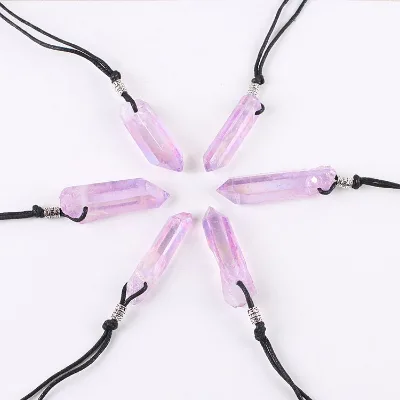


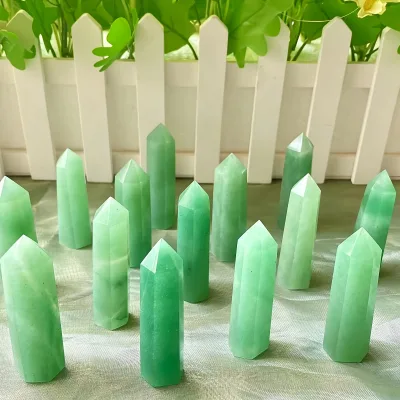
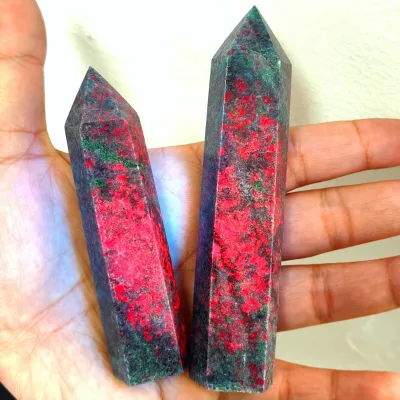
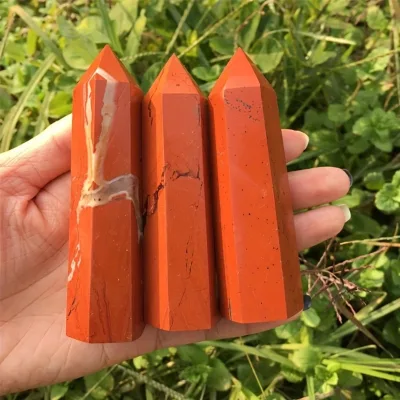
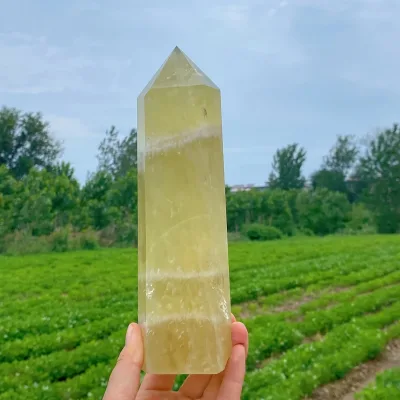
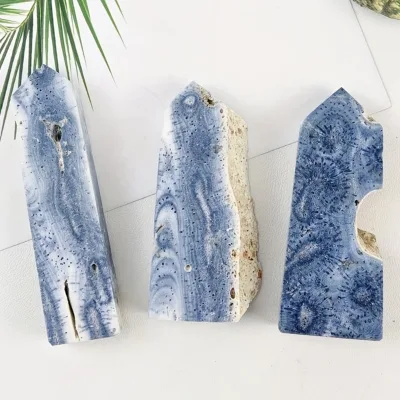
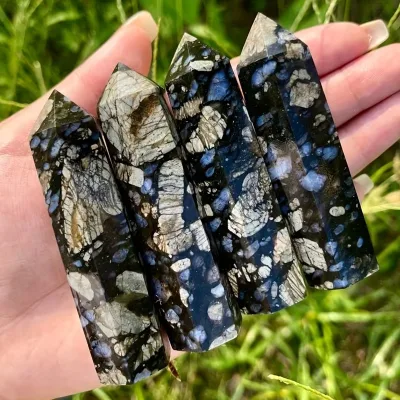
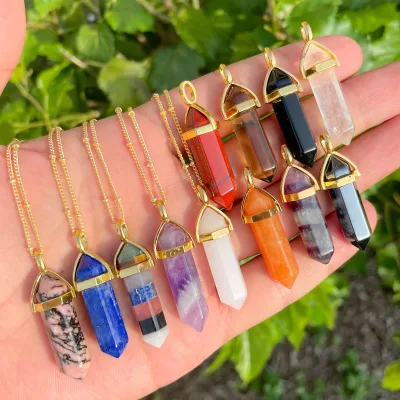

Comprehensive Sourcing Guide
Strategic Sourcing Guide for Blue Antique Imitation Crystal Pillars
The procurement of architectural and decorative elements, specifically blue antique imitation crystal pillars, requires a nuanced understanding of material science, manufacturing standards, and supply chain logistics. While the term "blue antique" suggests a specific aesthetic of aged elegance, the "imitation crystal" designation indicates a synthetic composition, likely involving artificial crystal or high-grade resin composites designed to mimic the refractive properties of natural stone or glass. Buyers must navigate a market where visual appeal is paramount, yet structural integrity and compliance with international standards are non-negotiable. This guide outlines the critical factors for sourcing these items, drawing upon verified product attributes and industry best practices to ensure a robust procurement strategy.
Technical Specifications and Material Composition
Understanding the technical specifications of imitation crystal pillars is the first step in defining a viable purchase order. The core material for these products is often identified as artificial crystal, which offers a balance between the clarity of glass and the durability of engineered polymers. In the context of the observed market data, products with similar profiles exhibit high clarity ratings, such as VVS (Very, Very Slightly Included) or transparent classifications, ensuring that the "blue" hue is consistent and the light transmission is optimal. The manufacturing technique is typically polished or honed, depending on the desired finish. A polished surface enhances the crystal-like luster, while a honed finish provides a softer, matte appearance that may be preferred for antique styles.
Dimensions are a critical variable in pillar sourcing. While specific models may vary, standard specifications often include section sizes such as diameters of 30 cm, with heights ranging from standard lengths to custom-made orders of 3.50 meters or more. The thickness of the material, particularly for flat or panel-based components, can range from 1 to 2 cm, though cylindrical pillars rely on wall thickness rather than slab thickness. The color profile is essential; while the core keyword specifies "blue," the market data indicates that colors can include white, antique, golden, wood-like, or custom-made variations. Buyers must verify that the specific "blue antique" shade is achievable through the supplier's coloring process, whether it involves dyeing the artificial crystal during production or applying a surface treatment. The shape is predominantly columnar, often featuring hollow features to reduce weight while maintaining structural appearance, which is a common trait in Roman-style pillars.
Compliance, Certification, and Standard Verification
When sourcing decorative architectural elements, compliance with international standards is vital for both safety and market acceptance. The supply chain for these products often originates from manufacturing hubs in China, including regions like Zhejiang and Yangzhou. In these regions, suppliers frequently adhere to standards such as GB/T 18600 for surface treatments, which ensures consistency in the finishing processes applied to the artificial crystal. Furthermore, certifications like ISO9001 are common indicators of a supplier's commitment to quality management systems. Buyers should verify that the specific supplier holds valid ISO9001 certification, as this suggests a controlled environment for production and quality assurance.
Additional standards may include CE marking, which is crucial for products intended for the European market, indicating conformity with health, safety, and environmental protection standards. The product data also references specific model numbers such as SP-05, CUB-24, and LSCT-088, which serve as unique identifiers for different product lines. These model numbers often correlate with specific standard dimensions or design features. For instance, a model might be defined by a standard of 60x20 cm or specific thickness ranges. It is imperative for buyers to request the exact standard documentation for the specific model they intend to purchase, rather than relying on general claims. The validity of the product, often cited as 10 to 20 years, should be supported by the supplier's warranty terms and material testing data, ensuring that the "antique" finish does not degrade prematurely under normal environmental conditions.
Cost Drivers and Pricing Structures
The pricing of blue antique imitation crystal pillars is influenced by a complex interplay of factors, including material costs, customization levels, and logistical expenses. The observed price range in the market spans from $0.82 to $380, a significant variance that reflects differences in size, complexity, and order volume. The lower end of the spectrum likely corresponds to smaller, standard-sized items or components, while the higher end represents large-scale, custom-made pillars with intricate detailing. The Minimum Order Quantity (MOQ) is another critical cost driver, with observed ranges from 1 to 500 units. A typical MOQ for specialized items like these might be around 50 pieces, which can impact the unit price for smaller buyers.
Customization is a primary driver of cost. The ability to customize the color, size, and surface finish adds value but also increases the production time and expense. Products with specific requirements, such as a custom height of 3.50 meters or a unique blue antique patina, will command a premium over standard stock items. Packaging also plays a role in the final cost; high-quality packaging involving paper boxes, inner and outer cartons, and fumigated crates is essential for preventing damage during transit, especially for fragile materials like artificial crystal. The logistics of shipping, whether by air, sea, or courier, further influence the total landed cost. Buyers should request detailed breakdowns of costs, including material, labor, packaging, and shipping, to understand the true cost drivers and negotiate effectively.
Typical Applications and Usage Scenarios
The versatility of blue antique imitation crystal pillars makes them suitable for a wide array of applications, ranging from residential to commercial and event-based uses. In the realm of interior design, these pillars are frequently employed for indoor decoration, serving as focal points in lobbies, hallways, or living spaces. Their hollow design allows for the integration of lighting, enhancing their visual impact and creating a dramatic ambiance. For outdoor decoration, the material's resistance to erosion and its ability to withstand various weather conditions make them a viable option for landscaping projects, provided the specific product is rated for outdoor use.
Beyond architectural applications, these pillars also serve as high-end souvenirs, business gifts, and art collections. The "antique" aesthetic appeals to collectors and those seeking unique decorative pieces that convey a sense of history and luxury. The ability to customize the surface with logos through sandblasting, 3D laser engraving, or printing makes them ideal for corporate branding and promotional events. In holiday gift scenarios, the combination of the blue antique color and the crystal-like clarity offers a premium feel that distinguishes the product from standard gifts. Buyers should assess the specific environment where the pillar will be installed to ensure the material's properties, such as erosion resistance and clarity, align with the intended usage.
Supplier Evaluation and Selection Criteria
Selecting the right supplier is paramount to securing high-quality blue antique imitation crystal pillars. Buyers should prioritize suppliers who demonstrate transparency in their manufacturing processes and provide clear documentation of their standards and certifications. The origin of the product, whether from Zhejiang or Yangzhou, can indicate the level of industrial maturity and the availability of specialized craftsmanship. A reputable supplier will offer a range of payment terms, including T/T, Western Union, and PayPal, facilitating secure transactions.
Evaluation should also focus on the supplier's ability to handle customization requests. The availability of customization options, such as specific colors, sizes, and surface finishes, is a key differentiator. Buyers should inquire about the supplier's production capacity and lead times, as these factors can impact project timelines. The shipping methods offered, including air, sea, or courier, should be evaluated based on the urgency and volume of the order. Additionally, the supplier's track record in export markets should be considered, as a global presence often implies experience with international logistics and compliance requirements. It is essential to verify the supplier's claims regarding product validity and durability through independent testing or customer references.
Quality Control and Long-Term Procurement Considerations
Implementing a rigorous quality control (QC) process is essential to ensure that the delivered pillars meet the specified standards. QC measures should include visual inspections for clarity, color consistency, and surface finish, as well as dimensional checks to verify that the section sizes and heights match the order specifications. For artificial crystal products, testing for erosion resistance and structural integrity is crucial, especially for pillars intended for outdoor use. Buyers should request test reports or certificates that validate the product's performance under various conditions.
Long-term procurement considerations involve building a sustainable relationship with the supplier. This includes establishing clear communication channels for future orders, negotiating favorable terms for repeat business, and ensuring a consistent supply of materials. The validity period of the product, often cited as 10 to 20 years, should be backed by a robust warranty and after-sales support. Buyers should also consider the environmental impact of the materials and the supplier's sustainability practices, as these factors are increasingly important in global procurement strategies. By focusing on these aspects, buyers can secure a reliable supply of high-quality blue antique imitation crystal pillars that meet their specific needs and expectations.
FAQs
What materials are used for blue antique imitation crystal pillars?
These pillars are made from artificial crystal, offering high clarity and transparency similar to glass. The material is often treated to achieve antique, white, golden, or wood-like colors while maintaining structural integrity for decorative use.
Can these pillars be customized for specific sizes and shapes?
Yes, customization is available for dimensions such as heights up to 3.50 meters and section diameters of 30 cm. Buyers can also request specific colors and surface finishes like honed or polished to match their design requirements.
Which certifications do manufacturers typically hold for these products?
Manufacturers often hold ISO9001 certification to ensure quality management standards are met. Some products may also comply with CE standards and GB/T 18600 for surface treatments, ensuring safety and consistency for global export markets.
How are these crystal pillars packaged for safe international shipping?
Products are packed in paper boxes with inner and outer cartons, often enclosed in fumigated crates. This robust packaging protects the fragile artificial crystal from damage during transit via air, sea, or courier services.
What is the typical minimum order quantity for these decorative pillars?
The minimum order quantity typically starts at 50 pieces for specialized items like these pillars. However, some suppliers may accept orders as low as one unit, while larger batches up to 500 units are also common.
Where are these imitation crystal pillars primarily manufactured?
These products are primarily manufactured in China, with specific production hubs located in Zhejiang and Yangzhou. These regions offer established supply chains for artificial crystal and decorative architectural elements.