Source Bohemian Crystal Wine Goblet for Wine, Champagne, and Cocktail Events
Compare 30 listings for the Bohemian Crystal Wine Goblet featuring rectangular and cylindrical shapes with capacities from 350ml to 1120ml. Buyers can evaluate options with LFGB and FDA certifications from manufacturers in China.
Key considerations
Products List


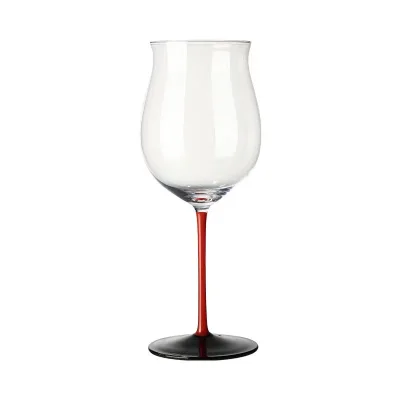
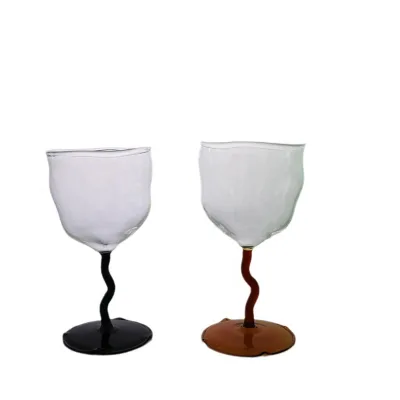
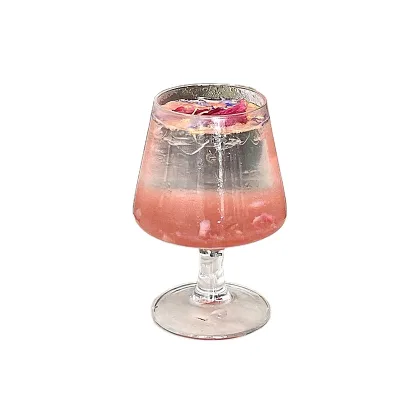
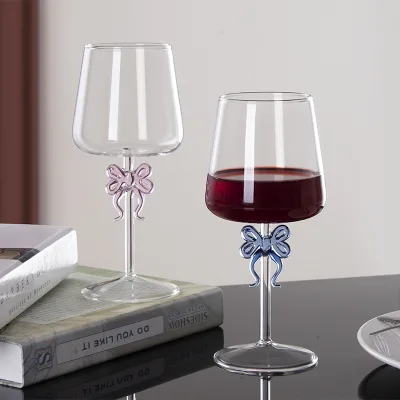
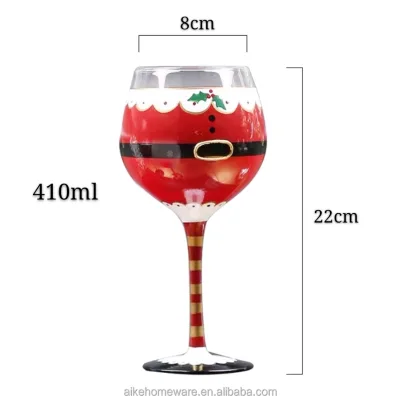
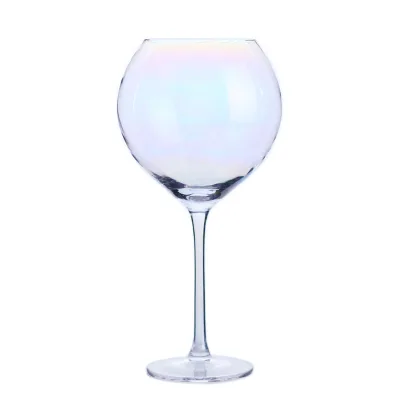
Rainbow electroplated wine glass crystal red wine glass goblet with rainbow effect
$2.19 - $2.99
MOQ: 1000 Minimum
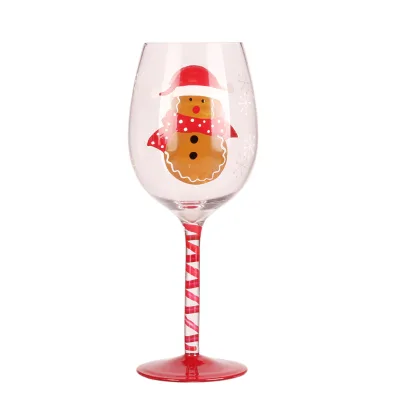
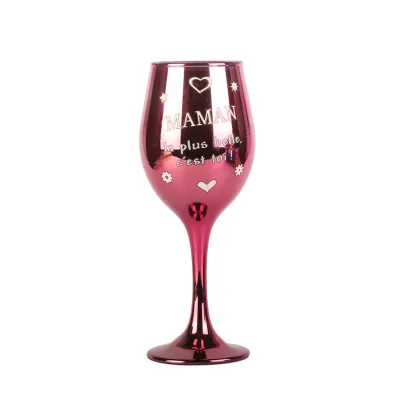
electroplated crystal wine glass vintage copper wine golbet decoration stemware
$1.79 - $2.99
MOQ: 1000 Minimum
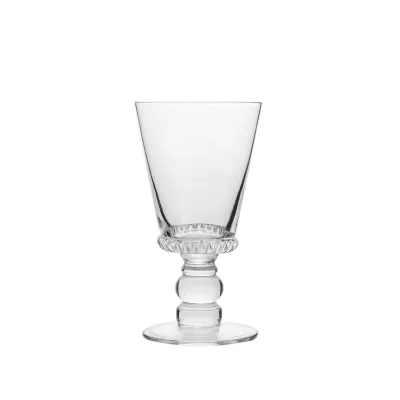
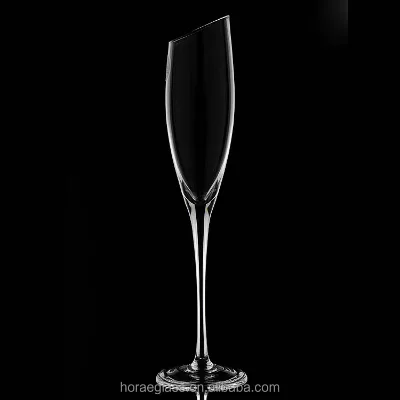

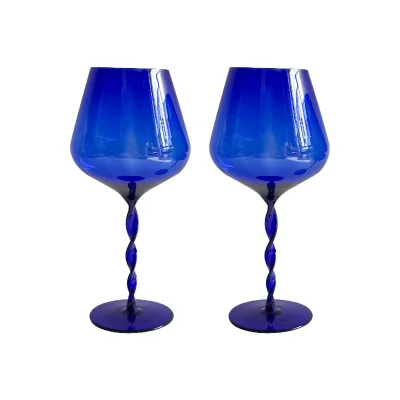
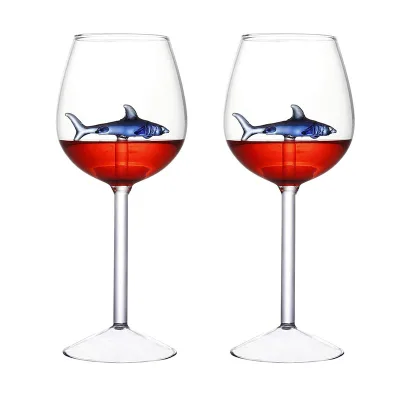
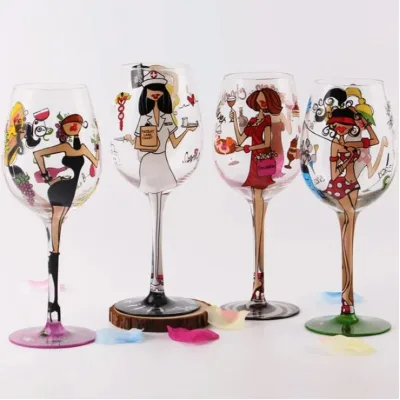


Rose Flower Goblet Glass Hand Blown Crystal Champagne Flutes Red Wine Cup
$1.80 - $4.00
MOQ: 50 Pieces


Comprehensive Sourcing Guide
Bohemian Crystal Wine Goblet Sourcing Guide
Sourcing high-quality crystal glassware requires a nuanced understanding of material properties, manufacturing origins, and commercial terms that directly impact both product integrity and total landed cost. The term "bohemian crystal" historically refers to lead-free crystal glass produced in the Czech Republic, known for its clarity, brilliance, and acoustic resonance. However, in contemporary global B2B marketplaces, this terminology is often used broadly to describe premium lead-free crystal glassware manufactured in various regions, including China. Buyers must therefore distinguish between traditional European craftsmanship and modern Asian manufacturing capabilities, ensuring that the material specifications align with their brand’s quality expectations and regulatory requirements.
This guide provides a structured approach to evaluating suppliers and products listed under this keyword. It focuses on verifying technical specifications, ensuring compliance with food safety standards, and understanding the cost drivers associated with custom glassware production. By adhering to the evidence-based observations provided, procurement professionals can mitigate risks related to material authenticity, certification validity, and supply chain reliability. The following sections detail the critical verification steps and commercial considerations necessary for successful sourcing of crystal wine goblets.
Product Scope and Observed Listing Signals
The observed product listings reveal a diverse range of crystal goblets, primarily originating from China, with specific mentions of provinces such as Anhui, Zhejiang, and Hebei. These regions are known for their glass manufacturing clusters, offering varying degrees of specialization in handcrafted versus machine-pressed glassware. The listings indicate a strong emphasis on customization, with attributes such as "Laser Engraved/Printed Logo" and "Available" customization options suggesting that suppliers are equipped to handle branded orders for corporate gifting, hospitality, or retail distribution. The material is consistently identified as either "Crystal" or "Glass," with specific models like HM-WG08 and GJW-3 highlighting distinct design profiles ranging from rectangular shapes to classic cylindrical forms.
Price points observed in the market range from $0.63 to $4.58 USD, reflecting significant variation based on material thickness, design complexity, and order volume. Minimum Order Quantities (MOQs) vary widely, from as low as 1 piece for sample acquisition to 20,000 pieces for large-scale production runs, with specific listings noting MOQs of 1,200 pieces for certain minimalist styles. This disparity underscores the importance of aligning order volume with supplier capabilities, as smaller MOQs may incur higher per-unit costs or require the use of stock samples, which are noted to cost $20 each with a seven-day sample time. Buyers should carefully evaluate whether the listed price includes packaging, such as individual color boxes or gift boxes, which are frequently mentioned in the packing specifications.
Technical Specifications to Verify
Verifying the physical dimensions and capacity of the goblets is essential to ensure they meet the intended use case, whether for wine, champagne, or cocktails. The listings provide specific standard capacities, including 350ml, 450ml, 550ml, 650ml, and larger volumes up to 1120ml for specific Bordeaux and Burgundy styles. For instance, one model is detailed with precise dimensions: 130mm in diameter, 220mm in height, and a weight of 830g, holding 560ml. Buyers must confirm these specifications against their own requirements, as variations in wall thickness and base weight can significantly affect the stability and aesthetic appeal of the glassware. The shape attributes, such as "Rectangular" or "Cylindrical," also play a crucial role in the visual presentation and stacking efficiency for storage and shipping.
Material composition is another critical technical factor, with listings distinguishing between standard glass and crystal. While "Crystal" is often used as a marketing term, it typically implies a higher lead oxide or other metal oxide content for increased refractive index, though modern "lead-free crystal" is common for safety reasons. Buyers should verify the actual material composition to ensure it meets their durability and clarity standards. Additionally, the production method, whether "crystal handmade" or machine-produced, affects the final product's consistency and finish. Handmade items may exhibit slight variations, which should be accounted for in quality control protocols, while machine-produced items offer greater uniformity but may lack the unique character of handcrafted pieces.
Compliance and Safety Documentation
Food safety certifications are paramount when sourcing glassware intended for direct contact with beverages. The observed listings include several key certifications, such as LFGB, FDA, and CE/EU, which indicate compliance with stringent safety standards in their respective markets. LFGB certification is particularly relevant for the German and European markets, ensuring that the glassware does not leach harmful substances into food or drink. FDA compliance is essential for the United States market, while CE marking indicates conformity with health, safety, and environmental protection standards for products sold within the European Economic Area. Buyers must request valid, up-to-date certification documents from suppliers and verify their authenticity through the issuing bodies.
In addition to certifications, buyers should inquire about the specific testing protocols used to validate compliance. This includes migration tests for heavy metals and other contaminants, as well as thermal shock resistance tests to ensure the glassware can withstand temperature changes without breaking. The listings mention "reusable" attributes, which implies durability and resistance to wear, but buyers should seek test reports that substantiate these claims. Furthermore, packaging materials should also be compliant with relevant regulations, especially if the products are intended for export to markets with strict environmental or safety standards for packaging waste.
Cost Drivers and Commercial Terms
The total cost of sourcing crystal wine goblets is influenced by several factors, including material quality, customization requirements, and order volume. The observed price range of $0.63 to $4.58 USD reflects these variables, with higher prices typically associated with thicker glass, intricate designs, or custom branding. Customization options, such as laser engraving or printing logos, add to the production cost and may require additional setup fees. Buyers should clarify whether these costs are included in the unit price or charged separately, and whether there are minimum quantities required for custom orders.
Commercial terms also play a significant role in the overall cost structure. The listings mention various payment terms, such as "30% in Advance, The Balance Before Shipping," and price terms like EXW, FOB, and DDP. EXW (Ex Works) places the maximum responsibility on the buyer for transportation and insurance, while FOB (Free on Board) includes costs up to the port of shipment. DDP (Delivered Duty Paid) offers the most convenience for the buyer but may come at a premium. Buyers should carefully evaluate these terms in the context of their logistics capabilities and risk tolerance, ensuring that all costs, including freight, insurance, and duties, are accounted for in their budgeting.
Supplier Qualification and Quality Control
Evaluating supplier qualifications is crucial to ensuring a reliable supply chain. Buyers should verify the supplier's production capabilities, including their factory size, equipment, and workforce expertise. The listings mention production times of 30 days, which is a standard lead time for custom glassware, but buyers should confirm this timeline and inquire about potential delays due to material shortages or other factors. Sample times of 7 days are also noted, allowing buyers to evaluate product quality before committing to large orders. Buyers should request samples to assess the clarity, weight, and finish of the glassware, as well as the quality of any custom branding.
Quality control processes should be clearly defined and agreed upon with the supplier. This includes pre-production inspections, in-process checks, and final random inspections before shipment. Buyers should establish clear acceptance criteria for defects, such as chips, cracks, or imperfections in the glass, and determine the supplier's policy for handling non-conforming products. Additionally, buyers should consider engaging third-party inspection services to verify product quality and compliance before shipment, especially for large orders. This step can help mitigate risks and ensure that the delivered goods meet the agreed-upon specifications.
Long-Term Procurement Checks
Establishing a long-term procurement strategy involves regular performance reviews and continuous improvement initiatives. Buyers should track key performance indicators (KPIs) such as on-time delivery rates, product quality consistency, and responsiveness to issues. Regular communication with suppliers is essential to address any concerns promptly and to explore opportunities for cost savings or product enhancements. Buyers should also stay informed about changes in regulations and market trends that may impact their sourcing decisions, such as new safety standards or shifts in consumer preferences for sustainable packaging.
Furthermore, buyers should consider diversifying their supplier base to mitigate risks associated with single-source dependency. This may involve qualifying additional suppliers in different regions or with different capabilities. Building strong relationships with suppliers can also lead to better pricing, priority production, and collaborative innovation. By maintaining a proactive approach to supplier management and quality assurance, buyers can ensure a stable and efficient supply of high-quality crystal wine goblets that meet their business needs and customer expectations.
FAQs
What certifications do the crystal wine goblets have?
The crystal wine goblets hold LFGB, FDA, and CE/EU certifications. These standards ensure the glassware meets safety requirements for food contact and international trade, making them suitable for commercial use in restaurants and events.
Can I customize the logo on these wine glasses?
Yes, customization is available for laser engraved or printed logos on the glassware. Buyers can request specific branding designs to be applied to the transparent clear crystal goblets for weddings, parties, or corporate events.
What is the minimum order quantity for these goblets?
The minimum order quantity varies by supplier, ranging from one piece to twenty thousand units. Some specific models require a minimum of 1200 pieces, while others allow smaller trial orders depending on the manufacturer's policy.
How long does production take for custom orders?
Production time typically takes 30 days after the order is confirmed. Sample time is shorter, usually around 7 days, allowing buyers to verify quality before committing to a larger bulk order for their business needs.
Which capacities are available for these crystal goblets?
Available capacities include 350ml, 450ml, 550ml, 650ml, and larger options up to 1120ml. Specific models offer volumes like 560ml or 760ml, catering to different serving needs for wine, champagne, or cocktails.
Where are these crystal wine goblets manufactured?
These products originate from various locations in China, including Anhui, Zhejiang, and Hebei provinces. The manufacturing hubs ensure access to skilled labor and established supply chains for exporting high-quality glassware globally.