Source Bohemia Rice Bead Beaded Necklace for Decoration, Religious Wear, and Everyday Fashion
Compare 30 Bohemia Rice Bead Beaded Necklace listings covering gold-plated and stainless steel styles in lengths from 40cm to 60cm. Buyers can review MOQ ranges from 1 to 1000 pieces, OEM options, packing details, and lead times within 3 days before requesting supplier quotes.
Key considerations
Products List


Long Crystal Glass Seed Bead Necklace Rectangle Crystal Glass Tassel Necklace
$0.84 - $1.23
MOQ: 20 Pieces


Fashion Jewelry Alloy Rainbow Pendant Beaded Necklace Bubblegum Necklace
$0.60 - $4.12
MOQ: 200 Pieces

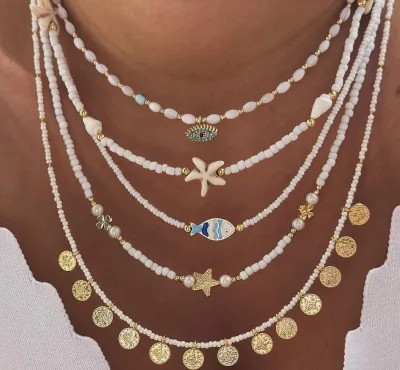

Style Rainbow Rice Bead Bracelet and Ethnic Flower Necklace Handmade Weaved Jewelry
$0.80 - $2.13
MOQ: 100 Pieces
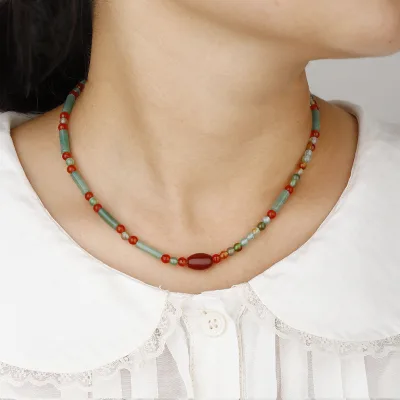
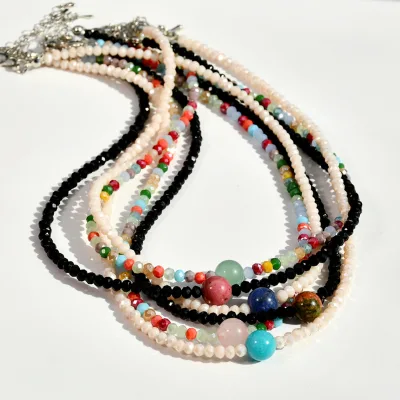

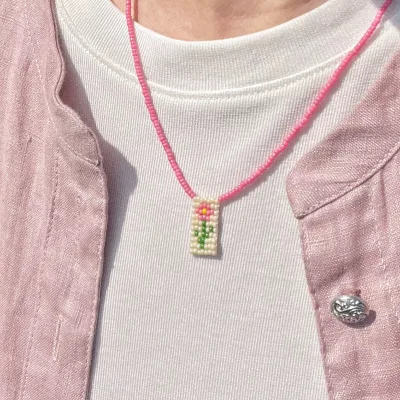
Bohemian National Style Colored Rice Bead Braided Bracelet for Bracelet Jewelry
$0.67 - $1.01
MOQ: 100 Pieces


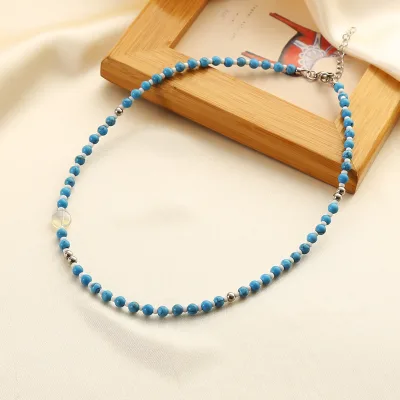
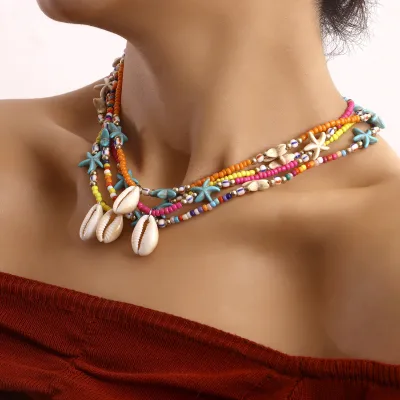
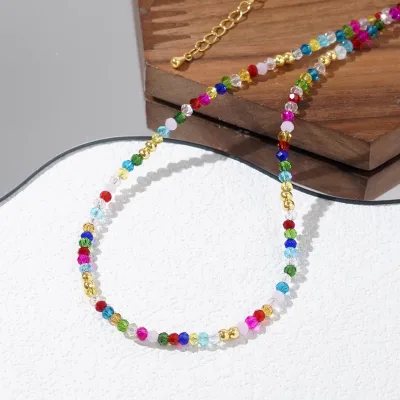


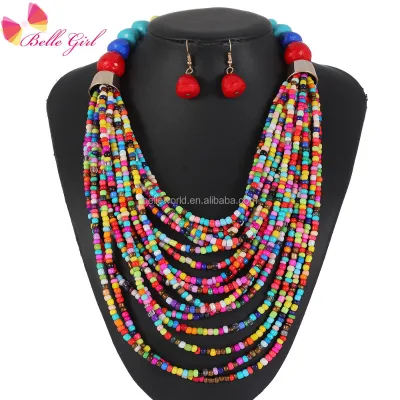
Comprehensive Sourcing Guide
Bohemia Rice Bead Beaded Necklace Sourcing Guide
Sourcing bohemian-style rice bead beaded necklaces requires a nuanced understanding of material versatility, aesthetic trends, and supply chain transparency. These accessories typically blend natural or synthetic beads with metallic accents, offering a versatile product line that appeals to diverse demographics ranging from fashion-forward youth to consumers seeking spiritual or decorative items. The "bohemia" style often implies a mix of textures, colors, and lengths, allowing for significant customization in design and packaging. Buyers must navigate a market where visual appeal is paramount, yet underlying quality metrics such as bead durability, clasp strength, and material safety remain critical for long-term brand reputation.
The procurement process for these items involves balancing aesthetic diversity with operational efficiency. Given the wide range of available styles, from simple single-strand designs to complex multi-layered tassel necklaces, buyers need a structured approach to evaluate suppliers. This guide focuses on verifying technical specifications, ensuring compliance with safety standards, and managing commercial terms effectively. By adhering to evidence-based sourcing practices, buyers can mitigate risks associated with inconsistent quality, delayed shipments, and non-compliant materials, ultimately securing a reliable supply chain for their specific market needs.
Product Scope and Observed Listing Signals
The observed product landscape for beaded necklaces reveals a significant diversity in materials, lengths, and target demographics. Listings indicate the presence of necklaces made from alloy and stainless steel, with plating options including gold and silver finishes. The length specifications vary considerably, with observed measurements including 40cm, 45cm, 60cm, and 18 inches, suggesting that buyers should not assume a standard size across all suppliers. Additionally, pendant shapes range from round and bead forms to tassel designs, indicating that the "rice bead" aesthetic may be combined with other decorative elements. Buyers must carefully review individual product listings to confirm the exact composition and dimensions, as these attributes directly impact the final look and feel of the product.
Demographic targeting and usage scenarios also vary widely in the current market. While some products are explicitly marketed as suitable for females, others are labeled as unisex or suitable for all genders, including children and the elderly. Usage categories extend beyond mere decoration to include health and religious applications, which may imply specific design considerations or material requirements. For instance, religious usage might necessitate specific symbols or sacred geometry, while health-related claims could require stricter material safety certifications. Buyers should align their sourcing strategy with their specific target audience, ensuring that the selected products match the intended use case and demographic preferences.
Technical Specifications to Verify
Verifying technical specifications is crucial for ensuring that the sourced necklaces meet quality expectations and functional requirements. Key attributes to confirm include the material composition, such as alloy or stainless steel, and the plating type, which affects both aesthetics and durability. Buyers should also verify the length and weight of the necklaces, as these factors influence comfort and perceived value. For example, observed weights range from 10g to 15g, and lengths vary from 40cm to 60cm, highlighting the need for precise specification matching. Additionally, the packaging details, such as individual OPP bags or cartons, should be confirmed to ensure they align with logistics and retail presentation needs.
Model numbers and standard codes provide another layer of verification for technical consistency. Specific model identifiers, such as NECKLACE-07310004 or JYS-NWL171E, can help buyers track product variations and ensure repeatability in future orders. Standard codes, like 29+10cm or 2.8cm, may refer to chain lengths or pendant dimensions, which are critical for design accuracy. Buyers should request detailed technical sheets from suppliers to confirm these specifications, especially when dealing with custom or OEM orders. This diligence helps prevent discrepancies between ordered and delivered goods, reducing the risk of returns or customer dissatisfaction.
Compliance and Safety Documentation
Compliance with safety standards is non-negotiable for jewelry products, particularly those intended for children or sensitive skin. Buyers must ensure that suppliers provide relevant certifications, such as SGS, BV, or Intertek, which verify that the materials are free from harmful substances like lead, nickel, and cadmium. These certifications are essential for market access in many regions, including the European Union and North America, where strict regulations govern jewelry safety. Buyers should request copies of these certificates and verify their validity with the issuing bodies to ensure that the products meet current regulatory requirements.
In addition to material safety, buyers should consider the eco-friendly aspects of the products. Many consumers are increasingly concerned about the environmental impact of their purchases, and suppliers who offer lead-free, nickel-free, and cadmium-free options can gain a competitive advantage. Buyers should inquire about the sourcing of raw materials and the manufacturing processes to ensure they align with sustainability goals. This may involve asking suppliers about their waste management practices, energy usage, and any third-party audits they have undergone. By prioritizing compliant and eco-friendly products, buyers can enhance their brand image and appeal to environmentally conscious consumers.
Cost Drivers and Commercial Terms
Understanding the cost drivers for beaded necklaces is essential for effective budgeting and pricing strategies. Key factors influencing cost include the material type, plating quality, and complexity of the design. For instance, stainless steel necklaces may be more durable and cost-effective in the long run compared to alloy options, which may require more frequent replacement. Additionally, customizations such as specific pendant shapes, colors, or packaging can increase production costs. Buyers should request detailed cost breakdowns from suppliers to identify these variables and negotiate favorable terms.
Commercial terms, including minimum order quantities (MOQ), payment methods, and lead times, also play a significant role in the procurement process. Observed MOQs range from 1 to 1000 pieces, allowing for flexibility in order sizes. Payment options typically include PayPal, Western Union, and T/T, providing various methods for financial transactions. Lead times are generally within three days, which is advantageous for quick turnaround orders. However, buyers should confirm these terms with each supplier, as they may vary based on product complexity and current production capacity. Clear communication of these terms helps avoid misunderstandings and ensures smooth order processing.
Supplier Qualification and Quality Control
Supplier qualification is a critical step in mitigating risks and ensuring consistent product quality. Buyers should conduct thorough due diligence on potential suppliers, including verifying their business licenses, production capabilities, and past performance. Requesting samples is an essential part of this process, allowing buyers to assess the physical quality of the products, including bead alignment, clasp strength, and overall finish. Buyers should also inquire about the supplier's quality control processes, such as in-line inspections and final random inspections, to ensure that defects are minimized before shipment.
Establishing a robust quality control framework is equally important for maintaining product standards. Buyers should define clear quality criteria and communicate them to suppliers, including acceptable defect rates and packaging requirements. Regular audits, either on-site or through third-party agencies, can help verify that suppliers adhere to these standards. Additionally, buyers should implement a feedback loop with their end customers to monitor product performance and identify any recurring issues. This proactive approach to quality control helps build trust with suppliers and ensures that the final products meet the expected quality levels.
Long-Term Procurement Checks
Long-term procurement success depends on continuous monitoring and relationship management with suppliers. Buyers should establish regular communication channels to discuss performance metrics, address any issues promptly, and explore opportunities for improvement. This includes reviewing order fulfillment rates, product quality trends, and supplier responsiveness. By maintaining open lines of communication, buyers can foster strong partnerships that lead to better pricing, priority production, and innovative product offerings.
Furthermore, buyers should stay informed about market trends and regulatory changes that may impact their sourcing strategy. This includes monitoring shifts in consumer preferences, such as the growing demand for sustainable and ethically sourced jewelry, as well as updates to international trade regulations. By adapting to these changes, buyers can ensure that their product offerings remain relevant and compliant. Regularly reviewing and updating supplier contracts, including terms related to pricing, delivery, and quality, helps protect the buyer's interests and ensures a stable supply chain for the future.
FAQs
What materials are used in these bohemia rice bead beaded necklaces?
Listed products use alloy and stainless steel materials, so buyers can choose between the two base options. Alloy versions offer lighter weight and lower cost, while stainless steel provides greater durability for daily wear. Confirm the specific material with each supplier before ordering, as material choice can affect plating adhesion, weight, and long-term color retention.
Can I customize the design of a Bohemia Rice Bead Beaded Necklace?
Yes, customization is available and OEM orders are acceptable for these necklace products. You can typically adjust colors, pendant shapes, and length to match your brand requirements. Contact the supplier with your design specifications and target quantity to confirm feasibility, sample costs, and any minimum order requirements before placing a customized production order.
What is the minimum order quantity for these necklaces?
Observed MOQs range from 1 to 1000 pieces, with one listed tassel necklace style set at 50 pieces per order. The exact minimum depends on the specific model and whether customization is requested. Always confirm the MOQ for your chosen design directly with the supplier, since customized or plated variants may carry higher minimums.
How long does production and shipment take?
Lead time is within 3 days for the listed necklace products, making them suitable for replenishment and urgent orders. Shipment options include DHL, TNT, UPS, FedEx, and Epacket, allowing you to balance speed and cost. Customized orders or large volumes may extend the lead time, so confirm the timeline for your specific quantity before ordering.
What plating and eco-friendly finishes are offered?
Gold plating is listed among the finishes, and some items are available in silver and gold color options. Several products are marked eco-friendly with lead-free, nickel-free, and cadmium-free finishes, which matters for markets with jewelry safety expectations. Verify plating thickness and finish details with the supplier, since these affect durability and wearer comfort.
What lengths and specifications are available for these necklaces?
Listed lengths include 40cm, 45cm, 60cm, and 18 inches, with some styles at a 29+10cm standard that likely allows adjustability. Weights observed are 10g and 15g, and some products are packed as 1 piece per OPP bag. Check each product model, such as NECKLACE-07310004 or JYS-NWL171E, for its exact specifications before ordering.
Which certifications or quality checks apply to these products?
One listed product carries SGS, BV, and Intertek certificates, which are widely recognized third-party testing bodies in the jewelry trade. Not all products in this category show certifications, so ask each supplier for test reports covering lead, nickel, and cadmium content. Eco-friendly claims of lead-free, nickel-free, and cadmium-free finishes should be supported by documentation.
How are the necklaces packed and what payment methods are accepted?
Standard packing is 1 piece per OPP bag for some items, while others use carton packing for bulk shipments. Payment options listed include PayPal, Western Union, and T/T, giving flexibility for both small trial orders and larger wholesale purchases. Confirm the packing method and any extra packing charges with the supplier, especially if you need branded or retail-ready packaging.