Source bolt-on upgrade body kit for G-Class, X4, and SUVs
Find 30 listings for bolt-on upgrade body kit options compatible with G-Class W464 and X4 models. Buyers can compare specifications, materials, and prices from verified suppliers offering easy installation and high-quality plastic components.
Key considerations
Products List
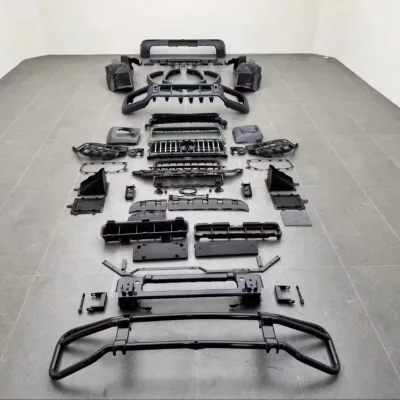

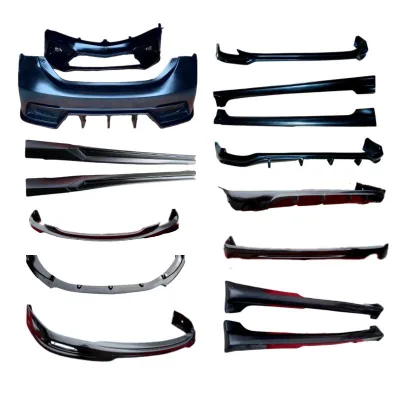
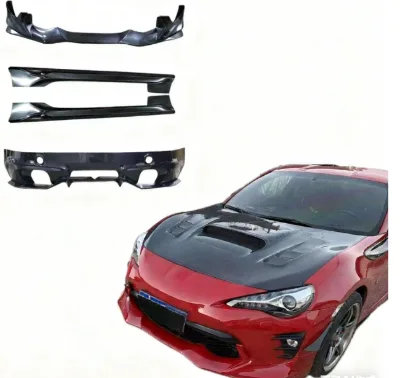
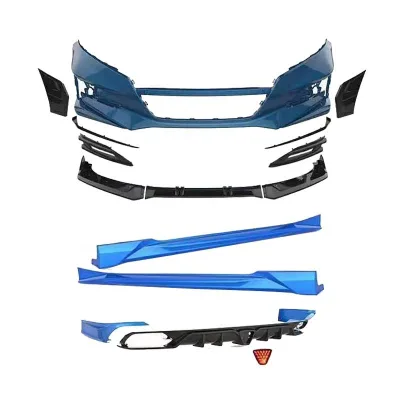
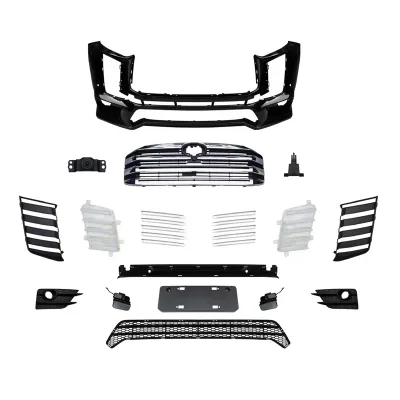
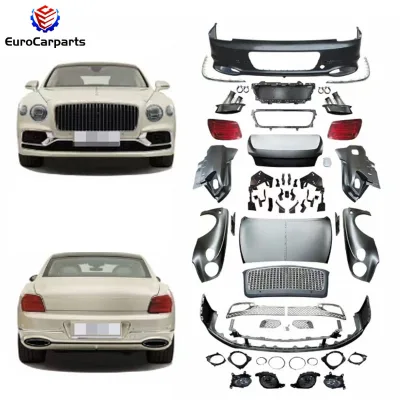
Auto Modification Body Kit Full Car Plastic Body Kit with Excellent Fit
$1500.00 - $2600.00
MOQ: 1 Pieces
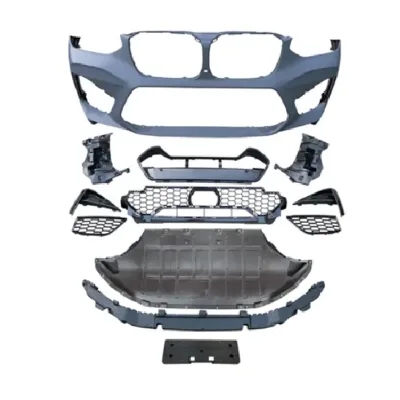
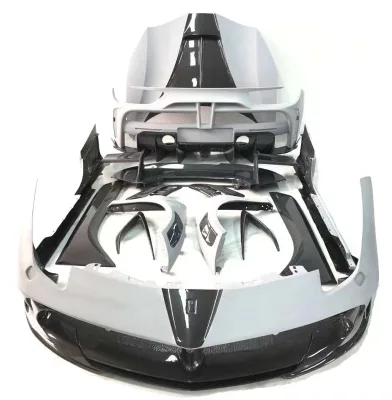
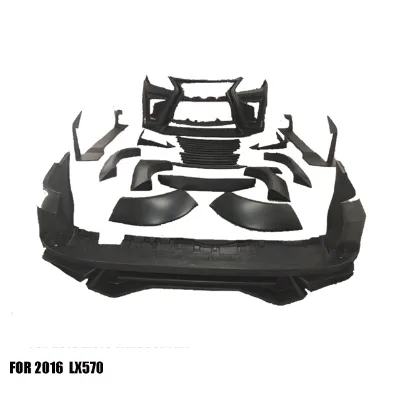

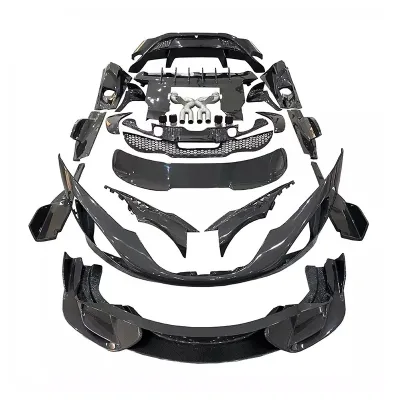
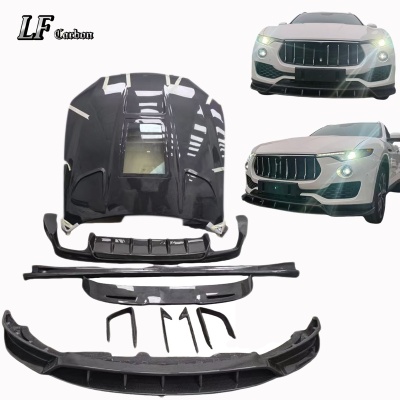

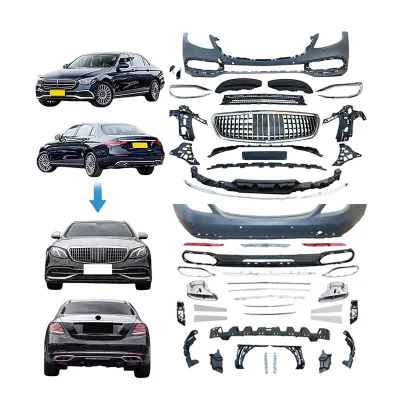
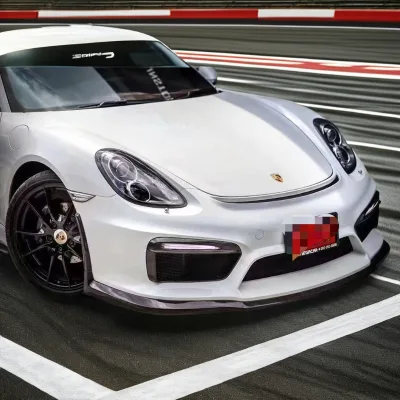

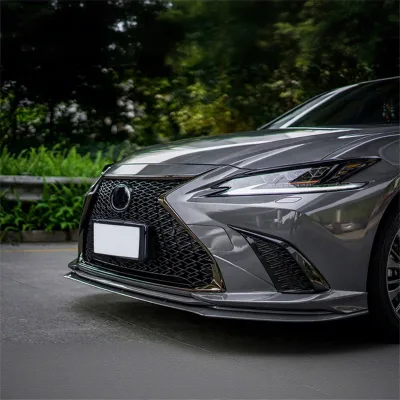
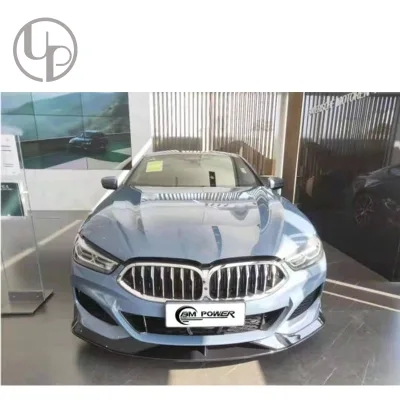
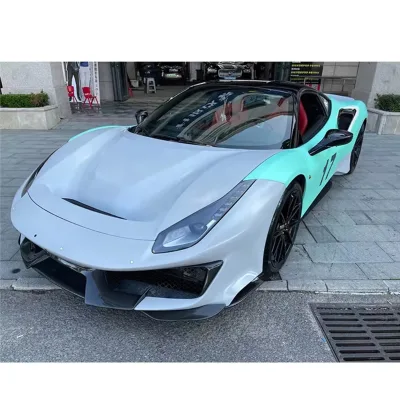

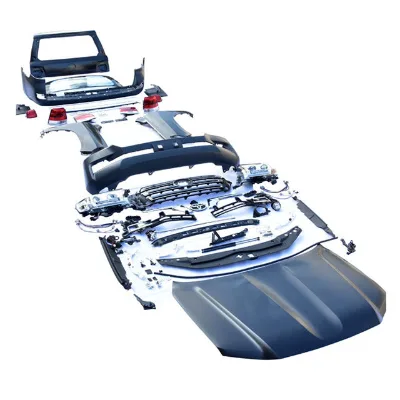
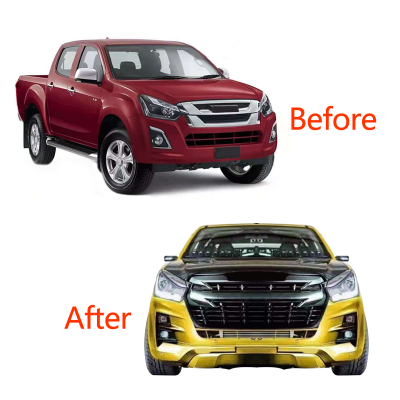


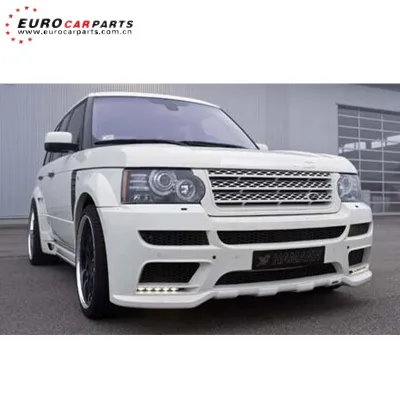
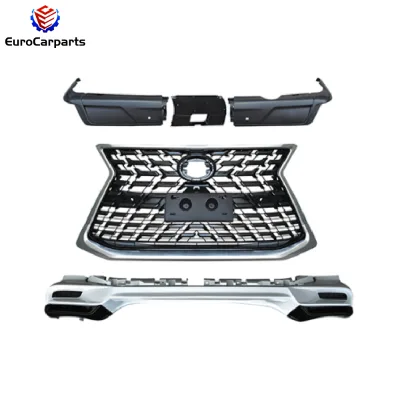
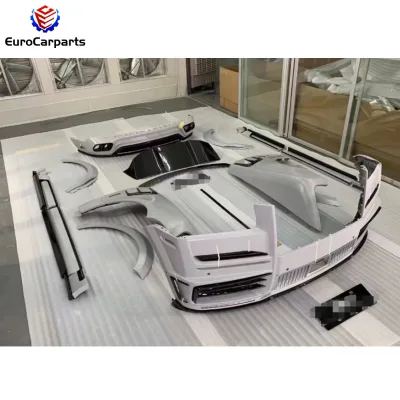
Comprehensive Sourcing Guide
Bolt-On Upgrade Body Kit Sourcing Guide
Sourcing bolt-on upgrade body kits requires a disciplined approach to balancing aesthetic enhancement with structural integrity and regulatory compliance. These aftermarket components are designed to replace or augment original equipment manufacturer (OEM) parts, offering vehicle owners and fleet managers the ability to modernize vehicle appearance or improve aerodynamic efficiency without complex fabrication. The "bolt-on" designation implies that installation relies on existing mounting points or supplementary hardware, reducing labor costs and minimizing the risk of structural compromise during retrofitting. Buyers must recognize that while these kits offer significant visual and functional upgrades, they introduce variables related to fitment precision, material durability, and legal roadworthiness that differ substantially from standard OEM replacement parts.
The procurement landscape for these components is characterized by a wide variance in quality, origin, and specification adherence. Listings often highlight features such as "easy installation," "high-quality" materials, and "excellent fitment," but these are marketing observations rather than guaranteed performance metrics. Successful sourcing depends on the buyer’s ability to cross-reference these claims with tangible technical data, such as material composition, dimensional accuracy, and certification status. Furthermore, the global nature of this supply chain means that buyers must navigate diverse manufacturing hubs, each with distinct capabilities in injection molding, surface finishing, and quality control. Understanding these nuances is critical to avoiding costly errors in fitment, finish, or regulatory non-compliance.
Product Scope and Observed Listing Signals
The market for bolt-on body kits encompasses a broad range of vehicle applications, from luxury SUVs to performance sedans, with specific kits tailored to models such as the G-Class W464 and BMW X4. Observed listings indicate that these products are typically categorized as "body kits" or "bumper" assemblies, often including front and rear bumpers, side skirts, and other aerodynamic elements. The scope extends to both full body kits and individual component upgrades, such as facelift-style bumpers or park assist sensor cut-outs. Buyers should note that "universal fitment" claims are frequently present, but this often requires significant modification or custom fabrication, whereas model-specific kits promise higher precision at the cost of vehicle exclusivity.
Listing signals also reveal variations in packaging and handling characteristics that impact logistics and storage. Products are commonly described as being packed in standard carton boxes, sometimes reinforced with wood frames to prevent damage during transit. The single gross weight of items can reach up to 30 kg, indicating that shipping costs and handling equipment requirements must be factored into the total cost of ownership. Additionally, the presence of "primer" paint codes suggests that most kits arrive in an unfinished state, requiring professional painting and color matching to achieve a seamless integration with the vehicle’s existing finish. This unfinished state is a critical operational detail that affects lead times, tooling requirements, and the need for specialized automotive painting facilities.
Technical Specifications to Verify
Dimensional accuracy is the most critical technical specification for bolt-on body kits, as even minor deviations can result in gaps, misalignment, or interference with vehicle sensors. Buyers must verify the exact dimensions of the kit components against the vehicle’s mounting points, paying close attention to specifications such as the 2208060 cm package size or other model-specific measurements. The material composition, often listed as plastic or PP (polypropylene), determines the flexibility, impact resistance, and ease of installation. PP is a common choice for bumpers due to its durability and ability to absorb minor impacts, but buyers should confirm the specific grade and thickness to ensure it meets the structural demands of the application.
Installation methodology and included hardware are also key technical factors that influence the total cost and complexity of the upgrade. Most kits are designed for bolt-on attachment, utilizing existing holes or supplementary brackets, and often include bolts and other necessary fasteners. However, the quality and quantity of these included items vary significantly between suppliers. Buyers should verify whether the kit includes all necessary hardware for a complete installation or if additional purchases are required. Furthermore, the craftsmanship method, such as injection molding, affects the consistency and surface finish of the parts. High-quality injection molding ensures uniform wall thickness and precise replication of design features, which is essential for achieving the "excellent fitment" advertised in many listings.
Compliance and Safety Documentation
Regulatory compliance is a paramount concern when installing bolt-on body kits, as modifications can affect vehicle safety, emissions, and road legality. Buyers must ensure that the kits comply with local vehicle modification laws, which vary significantly by region and jurisdiction. While some listings mention ISO certification, this typically refers to the manufacturer’s quality management system rather than product-specific safety approvals. Buyers should request documentation that confirms the kit’s compliance with relevant automotive standards, such as those governing bumper height, pedestrian safety, and sensor integration. Without proper certification, the installation may void vehicle warranties or result in fines and failed inspections.
Safety considerations also extend to the integration of advanced driver-assistance systems (ADAS) and parking sensors. Many modern vehicles rely on sensors embedded in the bumper for functions such as park assist, collision avoidance, and adaptive cruise control. Buyers must verify that the kit includes appropriate cut-outs or provisions for these sensors to ensure they remain functional after installation. Failure to properly accommodate these systems can lead to malfunctioning safety features, which poses a significant risk to vehicle occupants and other road users. Additionally, the material used in the kit should not interfere with the operation of these electronic systems, and buyers should consult with technical experts to ensure compatibility.
Cost Drivers and Commercial Terms
The cost of bolt-on body kits is influenced by several factors, including material quality, manufacturing complexity, and customization options. High-quality materials and precise injection molding processes command higher prices but offer better fitment and durability. Customization options, such as specific color matching or unique design features, can also increase the cost. Buyers should be aware that the observed price range of $20 to $18,000 USD reflects this variance, with lower prices often corresponding to basic, unbranded kits and higher prices associated with premium, model-specific, or fully customized solutions. Understanding these cost drivers helps buyers align their budget with their expected quality and performance levels.
Commercial terms, including minimum order quantities (MOQ), lead times, and payment conditions, also play a significant role in the procurement process. MOQs can range from 1 set to 500 sets, depending on the supplier and the level of customization required. Lead times, often cited as 30 days for production, must be factored into the project timeline, especially for fleet upgrades or time-sensitive projects. Buyers should negotiate clear terms regarding shipping, insurance, and liability for damaged goods, as the large size and weight of body kits can make them susceptible to transit damage. Additionally, warranty terms, such as the 6-month warranty observed in some listings, provide a layer of protection against manufacturing defects but should be carefully reviewed to understand the scope of coverage.
Supplier Qualification and Quality Control
Supplier qualification is essential to ensure that the bolt-on body kits meet the required quality and performance standards. Buyers should assess the supplier’s manufacturing capabilities, including their experience with injection molding, surface finishing, and quality control processes. Suppliers located in manufacturing hubs such as Jiangsu and Guangdong, China, often have established supply chains and expertise in automotive parts production. However, buyers should verify the supplier’s track record, including their ability to consistently produce high-quality parts and their responsiveness to quality issues. Requesting samples or conducting factory audits can provide valuable insights into the supplier’s capabilities and commitment to quality.
Quality control measures should be clearly defined and enforced throughout the production process. Buyers should require suppliers to implement rigorous inspection protocols, including dimensional checks, material testing, and visual inspections for defects. Documentation of these quality control processes, such as inspection reports and test results, should be provided to the buyer for verification. Additionally, buyers should establish clear criteria for accepting or rejecting delivered goods, including tolerances for fitment and finish. By maintaining strict quality control standards, buyers can minimize the risk of receiving defective or non-compliant parts, ensuring a successful installation and customer satisfaction.
Long-Term Procurement Checks
Long-term procurement success depends on establishing a robust relationship with suppliers and implementing continuous improvement processes. Buyers should regularly review supplier performance, including delivery times, product quality, and customer service responsiveness. Feedback loops should be established to address any issues promptly and to identify opportunities for improvement. Additionally, buyers should stay informed about changes in vehicle models, regulatory requirements, and market trends that may impact the demand for specific body kits. By maintaining a proactive approach to supplier management and market analysis, buyers can ensure a steady supply of high-quality components and remain competitive in the aftermarket.
Sustainability and ethical sourcing practices are also becoming increasingly important in the procurement of automotive parts. Buyers should consider the environmental impact of the materials used in the body kits, such as the recyclability of PP plastic, and the ethical standards of the supplier’s labor practices. Requesting information on the supplier’s sustainability initiatives and compliance with environmental regulations can help buyers align their procurement strategies with their corporate social responsibility goals. By prioritizing sustainable and ethical sourcing, buyers can enhance their brand reputation and contribute to a more responsible automotive industry.
FAQs
How is the installation process for this body kit?
The installation is designed to be easy for most users. This bolt-on upgrade body kit features simple attachment methods that do not require complex modifications to the vehicle structure.
What materials are used to construct these body kits?
These body kits are primarily constructed from high-quality plastic or PP material. This ensures durability while maintaining a lightweight profile suitable for retrofit and upgrade purposes on various car models.
Which car models are compatible with this body kit?
This product is designed for specific models like the G-class W464 and X4. It also offers universal fitment options, making it versatile for different vehicle applications requiring a full body kit style.
Can I customize the paint code or finish of the kit?
Yes, customization is available for this product line. The standard finish comes in primer, but buyers can request specific adjustments to meet their aesthetic requirements for the front or rear bumper positions.
What is the minimum order quantity for purchasing these kits?
The minimum order quantity is one set for this product. This low MOQ allows buyers to test the quality and fitment before committing to larger orders for their business or fleet needs.
How long does it take to receive the order after purchase?
The typical delivery time is around 30 days from the order date. This lead time accounts for production and packaging in standard carton boxes with wood frames before dispatch from major Chinese ports.
What certifications do these auto parts manufacturers hold?
The products are manufactured with ISO certification standards. This ensures that the injection molding process and final assembly meet recognized quality benchmarks for automotive aftermarket parts and accessories.