Source Door Skirt Bracket for Automotive, Industrial, Building
Compare 30 verified listings for Door Skirt Bracket options including steel and stainless steel materials. Buyers can evaluate customization, certifications, and lead times from Chinese manufacturers to find suitable parts for automotive, industrial, and building applications; compare the available evidence and request quotations based on your requirements.
Key considerations
Products List

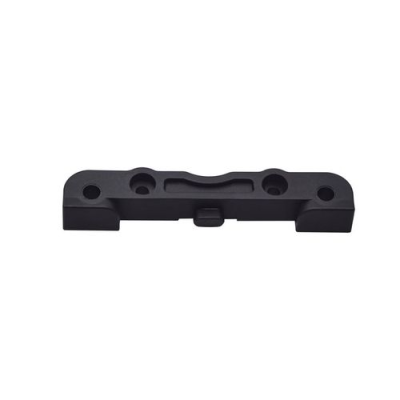


$1.56 - $3.89
MOQ: 100 Pieces


Comprehensive Sourcing Guide
Door Skirt Bracket Sourcing Guide
Sourcing door skirt brackets requires a disciplined approach to identifying components that balance structural integrity with aesthetic integration. These brackets serve as critical mounting hardware, often supporting lower door panels or skirting elements in automotive, industrial, and building applications. Buyers must recognize that while the core function is mechanical support, the specific design parameters vary significantly based on the end-use environment. The observed market data indicates a diverse range of products, from simple steel stampings to complex stainless steel assemblies, each tailored to specific load-bearing and environmental requirements.
Procurement teams should begin by mapping their internal engineering drawings against available supplier catalogs to identify compatible geometries. The supplied facts highlight that customization is widely available, allowing for tailored solutions that fit unique door configurations. However, this flexibility introduces complexity in the verification process. Buyers must ensure that their design specifications align with the supplier’s manufacturing capabilities, particularly regarding material thickness, hole patterns, and surface finish requirements. Early alignment on these technical details prevents costly rework and ensures that the final assembly meets both functional and visual standards.
Product Scope and Observed Listing Signals
The current market landscape for door skirt brackets reveals a broad spectrum of material compositions and structural designs. Observed listings indicate the use of various metals, including standard steel, stainless steel, and generic metal alloys, each offering different corrosion resistance and strength profiles. The structural configurations range from single-side brackets to triangle brackets, suggesting that buyers must carefully evaluate the load distribution needs of their specific door assemblies. Additionally, the presence of both folded and unfolded variants implies that the manufacturing process significantly influences the final product’s dimensional stability and ease of installation.
Listing signals also point to a high degree of customization in packaging and standardization. Products are described with specific dimensions such as 46x19cm or custom sizes, and packaging ranges from simple cartons to wooden cases for palletized shipping. This variability suggests that buyers should not assume uniformity across suppliers. Instead, they must verify the exact packaging requirements to ensure that the brackets arrive without damage, especially for delicate brushed or metallic finishes. The observed price range of 0.01 to 200 USD further underscores the importance of defining clear quality thresholds to avoid selecting components that may compromise long-term durability.
Technical Specifications to Verify
Verifying technical specifications is paramount when sourcing door skirt brackets, as minor deviations can lead to assembly failures. Buyers must confirm the exact material grade, whether it is standard steel or stainless steel, to ensure compatibility with the operating environment. The tolerance levels, observed in some listings as tight as +/-0.01mm, indicate that precision machining is critical for certain applications. It is essential to request detailed engineering drawings that specify hole positions, bend angles, and overall dimensions to guarantee a perfect fit within the door skirt assembly.
Surface treatment and finish are equally important technical considerations. Listings mention brushed surfaces and metallic colors, which affect both aesthetics and corrosion resistance. Buyers should verify the specific surface treatment processes, such as brushing or coating, to ensure they meet the required durability standards. Additionally, the manufacturing method, whether extrusion or stamping, impacts the structural integrity of the bracket. Understanding these processes helps buyers assess the potential for stress fractures or deformation under load, ensuring that the selected brackets can withstand the mechanical stresses of daily use.
Compliance and Safety Documentation
Compliance and safety documentation provide the necessary assurance that door skirt brackets meet industry standards and regulatory requirements. Buyers should request certificates such as ISO 9001, SGS, and TS 16949, which indicate that the supplier adheres to rigorous quality management systems. These certifications are particularly important for automotive and industrial applications, where component failure can have significant safety implications. Verifying these documents ensures that the supplier has established processes for consistent quality control and traceability throughout the manufacturing chain.
In addition to quality certifications, buyers must ensure that the materials used in the brackets comply with relevant environmental and safety regulations. This includes verifying that the metal alloys do not contain restricted substances and that surface treatments are free from harmful chemicals. For building applications, compliance with local building codes and standards, such as GB or ASME, may be required. Buyers should explicitly ask for documentation confirming adherence to these standards, as this information is crucial for passing inspections and ensuring the long-term safety and reliability of the installed door systems.
Cost Drivers and Commercial Terms
Understanding the cost drivers associated with door skirt brackets allows buyers to negotiate more effectively and budget accurately. Key factors influencing price include the material type, complexity of the design, and the level of customization required. Stainless steel and complex triangle brackets typically command higher prices than standard steel or simple single-side brackets. Additionally, surface treatments like brushing or specialized coatings add to the production cost. Buyers should analyze these variables to understand the true value proposition of each supplier quote and avoid overpaying for unnecessary features.
Commercial terms, including minimum order quantities (MOQ) and lead times, also play a significant role in the total cost of ownership. Observed MOQs range from 1 to 3000 units, offering flexibility for both small-scale projects and large-volume production runs. Lead times, observed between 30 and 50 days, must be factored into production schedules to avoid delays. Buyers should negotiate clear terms regarding payment schedules, shipping responsibilities, and warranty periods, which are often listed as 12 months. Clear commercial agreements help mitigate financial risks and ensure a smooth procurement process from order placement to delivery.
Supplier Qualification and Quality Control
Supplier qualification is a critical step in ensuring the reliability of Door Skirt Bracket procurement. Buyers should conduct thorough audits of potential suppliers to verify their manufacturing capabilities, quality control processes, and financial stability. The presence of 100% inspection before shipping, as noted in some listings, is a strong indicator of a supplier’s commitment to quality. Buyers should request detailed quality control plans that outline how defects are identified and corrected, ensuring that only conforming products are shipped.
In addition to process audits, buyers should evaluate the supplier’s ability to handle customization and engineering support. Suppliers that offer OEM services and accept custom designs demonstrate flexibility and technical expertise. It is important to verify that the supplier has the necessary equipment and skilled labor to produce brackets to exact specifications. Engaging with suppliers who provide comprehensive technical support can help resolve design issues early in the process, reducing the risk of production delays and ensuring that the final products meet all functional and aesthetic requirements.
Long-Term Procurement Checks
Long-term procurement checks are essential for maintaining the quality and reliability of Door Skirt Bracket supplies over time. Buyers should establish regular performance reviews to assess supplier consistency, delivery accuracy, and product quality. Tracking key performance indicators such as defect rates, on-time delivery percentages, and response times to issues helps identify potential problems before they escalate. Regular audits and feedback loops ensure that suppliers remain aligned with the buyer’s evolving quality standards and operational needs.
Furthermore, buyers should monitor market trends and technological advancements in bracket manufacturing to stay competitive. This includes evaluating new materials, surface treatments, or design innovations that could offer improved performance or cost savings. Maintaining a diversified supplier base can also mitigate risks associated with supply chain disruptions. By continuously evaluating and optimizing the procurement strategy, buyers can ensure a stable supply of high-quality door skirt brackets that support the long-term success of their products and operations.
FAQs
What materials are used for door skirt brackets?
Door skirt brackets are typically manufactured from steel or stainless steel to ensure structural integrity and durability. These metal components are designed to withstand mechanical stress while providing reliable support for various applications. The choice between standard steel and stainless steel depends on the specific environmental conditions and load requirements of the installation project.
Can door skirt brackets be customized for specific needs?
Yes, customization is available for door skirt brackets to meet unique project specifications. Manufacturers accept OEM requests and can adjust dimensions, such as the 46x19cm standard or custom sizes, to fit specific requirements. Buyers can also request specific colors like grey or metallic finishes, ensuring the brackets align perfectly with aesthetic and functional design goals.
What certifications do Door Skirt Bracket manufacturers hold?
Reputable manufacturers often hold ISO 9001, SGS, and TS 16949 certifications to ensure quality management and automotive-grade standards. These credentials verify that production processes meet rigorous international benchmarks for consistency and safety. Buyers should verify these documents to confirm that the supplied brackets adhere to the necessary regulatory and quality control frameworks for their industry.
What is the typical lead time for door skirt brackets?
The typical lead time for manufacturing door skirt brackets ranges from 30 to 50 days. This timeframe accounts for material sourcing, metal stamping, surface treatment, and quality inspection processes. Buyers should plan their procurement schedules accordingly, considering that custom orders or large MOQs may require additional time for production and final packaging preparation before shipment.
How are door skirt brackets packaged for shipping?
Door skirt brackets are packaged in cartons, often placed on pallets or in wooden cases for secure transport. Some suppliers use bubble bags inside cartons to prevent surface damage during transit. The packaging method is selected based on the order volume and shipping mode, ensuring that the metal components arrive at the destination without scratches or structural deformation.
What is the warranty period for door skirt brackets?
The standard warranty period for door skirt brackets is typically 12 months. This coverage protects buyers against manufacturing defects and material failures under normal usage conditions. It is advisable to confirm the specific warranty terms with the supplier before purchase, as conditions may vary based on the material type, surface treatment, and intended application environment of the bracket.