Source Upgrade Body Kit for Cars, Trucks, and SUVs
Find 30 options for an Upgrade Body Kit designed for vehicle modification and retrofit projects. Compare materials like ABS, plastic, and steel across various models including Toyota Hilux and Tank 300 to select the right fit for your needs; compare the available evidence and request quotations based on your requirements.
Key considerations
Products List


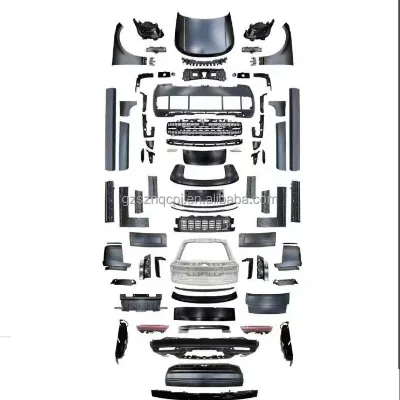


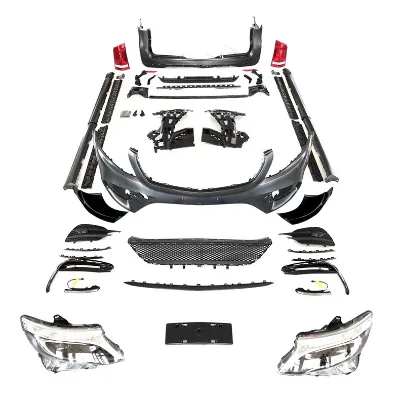

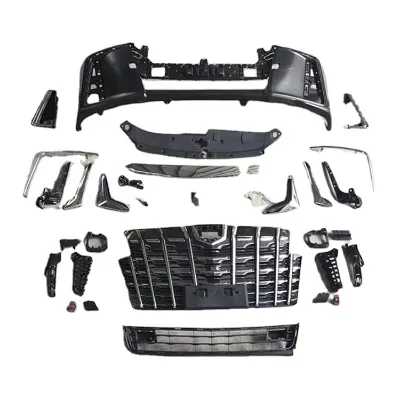
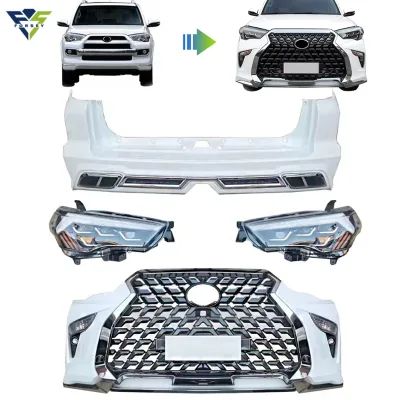
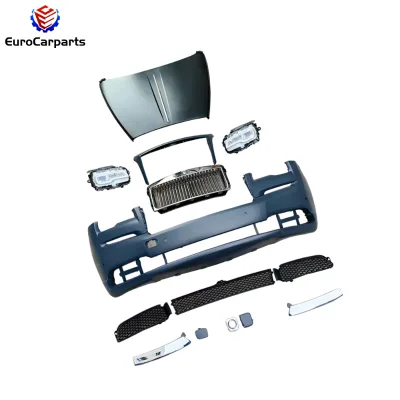
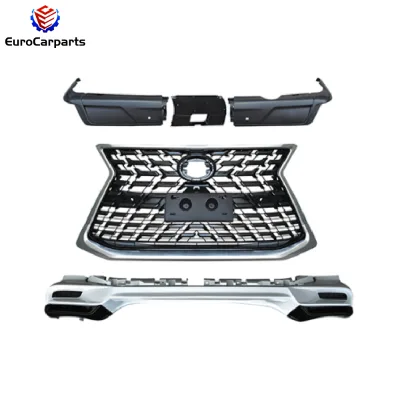
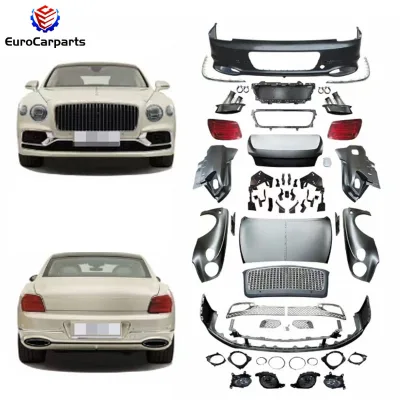
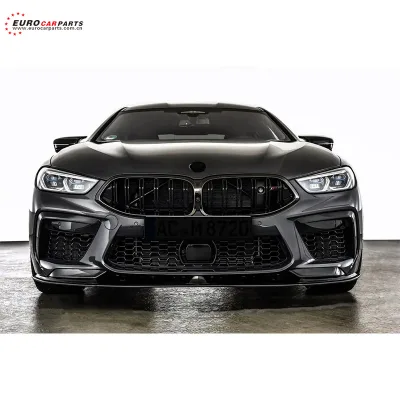
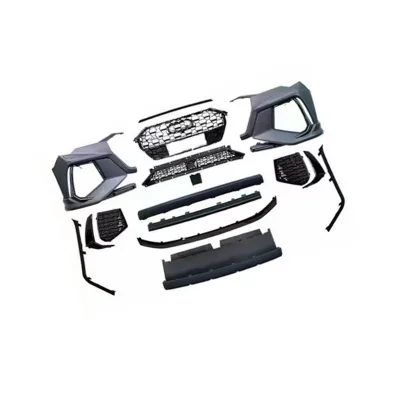
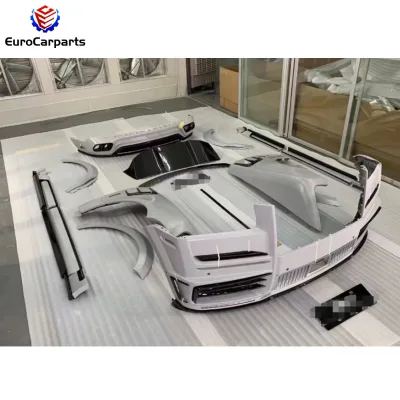

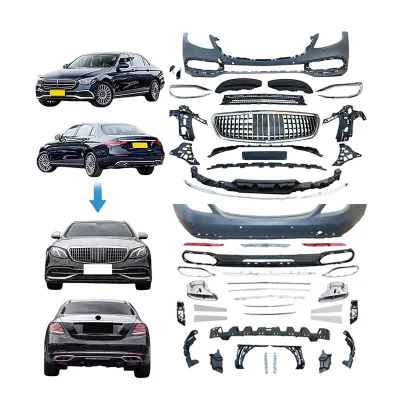


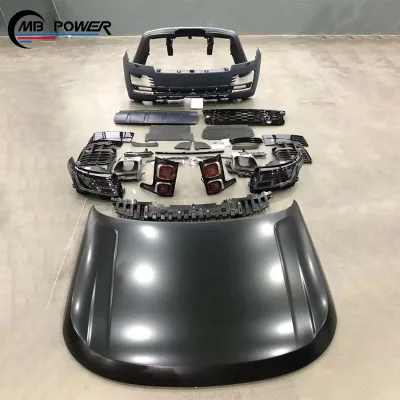
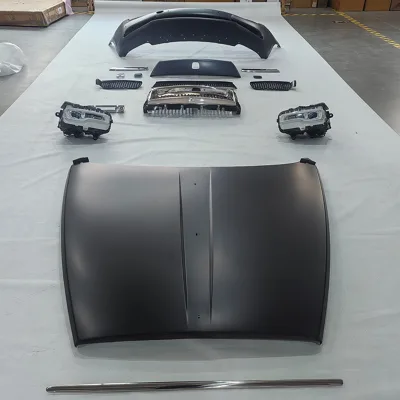
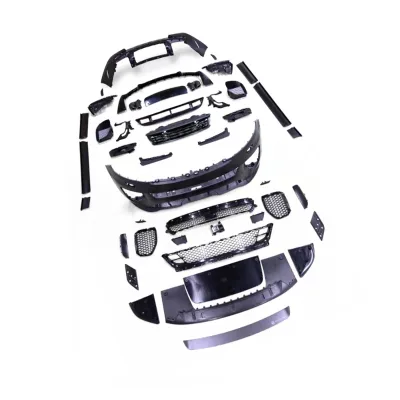
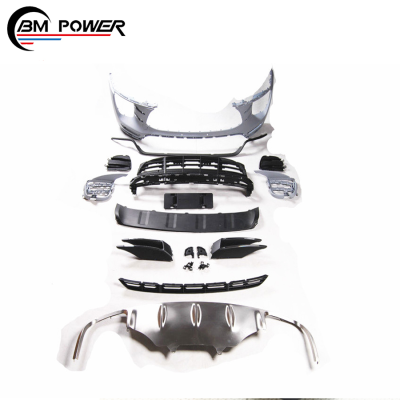
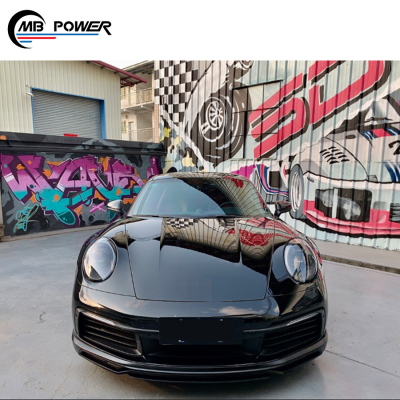
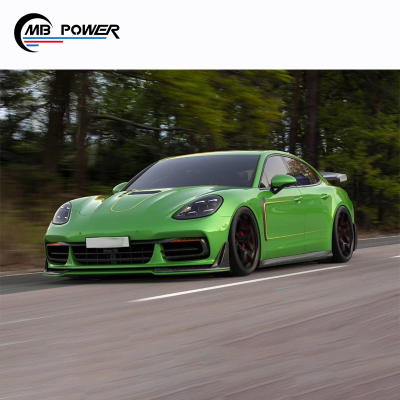
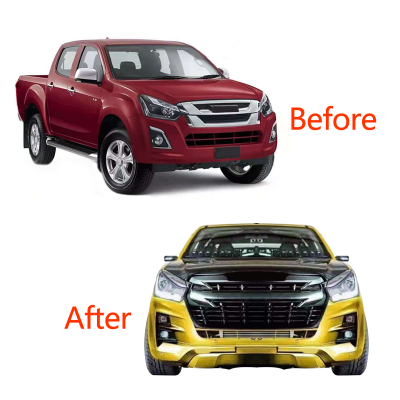
Comprehensive Sourcing Guide
Upgrade Body Kit Sourcing Guide
Sourcing an Upgrade Body Kit requires a disciplined approach to align aesthetic enhancements with structural integrity and vehicle-specific fitment. Buyers must navigate a market where customization is prevalent, yet universal fitment is rare, demanding precise verification of model compatibility before committing to bulk orders. The decision to upgrade often stems from a desire for retrofitting or performance-oriented styling, which necessitates a clear understanding of the material properties and installation requirements inherent to each kit variant.
Procurement teams should prioritize suppliers who offer transparent customization options and provide detailed dimensional data for each component. Since body kits are typically sold as single-item sets, verifying the quantity per package and the specific packing method is crucial for logistics planning. The goal is to secure high-quality components that meet OE design standards while ensuring that the supplier can accommodate specific color or material requests without compromising the structural reliability of the final assembly.
Product Scope and Observed Listing Signals
The current market for upgrade body kits displays a wide variance in pricing, ranging from approximately $115 to $11,700 USD, reflecting differences in material quality, brand reputation, and complexity of design. This price disparity underscores the importance of evaluating the value proposition beyond the initial cost, as lower-priced items may utilize inferior materials that lack durability or precise fitment. Buyers should analyze the observed minimum order quantities, which typically range from one to ten units, to determine the feasibility of small-batch testing versus larger commercial procurement.
Listing signals indicate a strong emphasis on customization, with many suppliers offering tailored solutions for specific vehicle models such as the GLE 167, Toyota Hilux Revo Rocco, and Tank 300. These listings often highlight attributes like "high quality" and "easy installation," which are critical for end-user satisfaction. However, buyers must treat these claims as observations rather than guaranteed performance metrics, requiring independent verification of the actual product specifications and material composition to ensure they align with the intended application and regulatory environment.
Technical Specifications to Verify
Verifying technical specifications is paramount when sourcing body kits, as dimensions and material composition directly impact fitment and durability. Common materials observed in the market include plastic, ABS, steel, aluminum, and PP, each offering distinct advantages in terms of weight, strength, and cost. Buyers must confirm the exact material grade and thickness, as well as the precise dimensions of the components, which can vary significantly between models such as the Prado 2014-2018 or the FB-NP300-3. Inconsistent specifications can lead to installation failures and increased return rates.
Dimensional accuracy is another critical factor, with standard sizes like 2057258mm or single package sizes of 120X30X30 cm being common benchmarks. Buyers should request detailed technical drawings or CAD files to verify that the kit matches the vehicle's body lines and mounting points. Additionally, the gross weight of the packages, which can range from 25kg to 150kg, must be accounted for in logistics planning. Ensuring that the product model numbers, such as 167-53, correspond exactly to the vehicle year and trim is essential to avoid compatibility issues.
Compliance and Safety Documentation
Compliance and safety documentation are essential for ensuring that upgrade body kits meet regional regulatory standards and do not compromise vehicle safety. Buyers should verify that suppliers possess relevant certifications, such as ISO and CE, which indicate adherence to quality management and safety standards. These certifications provide a baseline assurance of the supplier's manufacturing processes, but they do not guarantee that every individual product batch meets specific safety requirements for automotive applications.
In addition to certifications, buyers must ensure that the body kits do not obstruct lighting, sensors, or other critical vehicle systems. Documentation should include detailed installation guides and compatibility charts to facilitate proper fitting. For kits intended for retrofitting or upgrading, it is crucial to confirm that the modifications do not void the vehicle's warranty or violate local traffic laws. Buyers should also inquire about any specific testing or validation processes the supplier employs to ensure the structural integrity of the components under various driving conditions.
Cost Drivers and Commercial Terms
Cost drivers for upgrade body kits include material selection, customization complexity, and packaging requirements. Materials like ABS and aluminum tend to be more expensive than standard plastic or steel due to their superior durability and aesthetic finish. Customization options, such as specific colors or design modifications, can also increase the unit price and lead times. Buyers should negotiate clear commercial terms that address these variables, ensuring that any additional costs for customization or expedited shipping are transparently disclosed upfront.
Packaging plays a significant role in the total cost, with options ranging from standard carton boxes to more protective foam, boxes, and wooden crates. The choice of packaging affects both the protection of the goods during transit and the associated shipping costs. Buyers should also consider the impact of the supplier's location, such as Guangzhou or Changzhou in China, on logistics efficiency and lead times. Establishing a clear agreement on payment terms, return policies, and liability for damaged goods is essential to mitigate financial risks associated with international procurement.
Supplier Qualification and Quality Control
Supplier qualification involves a thorough assessment of the manufacturer's capabilities, production capacity, and quality control processes. Buyers should verify the supplier's location, such as Jiangsu or Guangzhou, and assess their experience in producing body kits for specific vehicle models. It is crucial to request samples or visit the facility to evaluate the precision of the manufacturing processes and the consistency of the product quality. Suppliers who offer OE design standards and easy installation features are often more reliable, but this must be validated through direct observation or third-party audits.
Quality control measures should include rigorous inspection of dimensions, material integrity, and surface finish. Buyers should establish clear acceptance criteria for defects, such as warping, cracking, or misalignment, and ensure that the supplier has a robust process for addressing these issues. Communication regarding customization requests and technical specifications should be documented to prevent misunderstandings. Implementing a phased procurement strategy, starting with small orders to test quality and fitment, can help mitigate risks before committing to larger volumes.
Long-Term Procurement Checks
Long-term procurement checks focus on maintaining consistent quality and supply chain reliability over time. Buyers should conduct periodic audits of the supplier's production processes and quality control systems to ensure ongoing compliance with agreed-upon standards. Monitoring key performance indicators, such as defect rates, delivery times, and customer feedback, can provide valuable insights into the supplier's performance and identify areas for improvement. Regular communication with the supplier is essential to address any emerging issues and to discuss potential product updates or improvements.
Additionally, buyers should stay informed about changes in regulatory requirements and market trends that may impact the demand for specific body kit designs. Building a diversified supplier base can help mitigate risks associated with supply chain disruptions or quality issues. Establishing a long-term partnership with a reliable supplier can lead to better pricing, priority production, and collaborative innovation. Continuous evaluation of the total cost of ownership, including logistics, installation, and maintenance, ensures that the procurement strategy remains aligned with the company's strategic goals and customer expectations.
FAQs
Can I customize the Upgrade Body Kit for my vehicle?
Yes, customization is available for the Upgrade Body Kit as stated in the product remarks. You can request specific modifications to fit your car make or model, ensuring the final product meets your exact requirements for a tailored appearance and performance.
What materials are used to make the Upgrade Body Kit?
The Upgrade Body Kit is constructed from high-quality materials including plastic, ABS, steel, aluminum, and PP. These diverse material options ensure durability and strength, allowing you to select the best option based on your specific vehicle needs and performance expectations.
Which certifications do the Upgrade Body Kit manufacturers hold?
Manufacturers of the Upgrade Body Kit hold ISO and CE certifications to ensure product safety and quality standards. These credentials verify that the production processes meet international requirements, giving buyers confidence in the reliability and compliance of the sourced automotive parts.
How is the Upgrade Body Kit packaged for shipping?
The Upgrade Body Kit is typically packed in carton boxes, standard packing, or with foam and wooden protection. This secure packaging ensures the parts arrive in new condition without damage, protecting the high-quality components during transit from the factory to your location.
What is the minimum order quantity for the Upgrade Body Kit?
The minimum order quantity for the Upgrade Body Kit starts at one set per package. This low MOQ allows buyers to test the product quality or order small batches for specific retrofit projects without needing to commit to large volume purchases immediately.
Where are the Upgrade Body Kit products manufactured?
The Upgrade Body Kit products originate from various locations in China, including Guangzhou, Changzhou, and Jiangsu. These manufacturing hubs provide access to established supply chains and production capabilities, ensuring consistent availability and competitive pricing for international buyers seeking automotive modifications.
Can the Upgrade Body Kit be installed easily on my car?
Yes, the Upgrade Body Kit features easy installation designed for retrofit and upgrade purposes. The components are engineered to fit specific models like the Tank 300 or Prado, allowing for straightforward modification without requiring complex tools or extensive mechanical expertise for the buyer.