Source Bottom-Suction Grinding Table Dust Collector for Polishing, Welding, Cutting
Compare 30 bottom-suction grinding table dust collector units from verified suppliers. These systems feature cartridge filters, dry vacuuming, and applications in tobacco, medicine, and food processing industries.
Key considerations
Products List
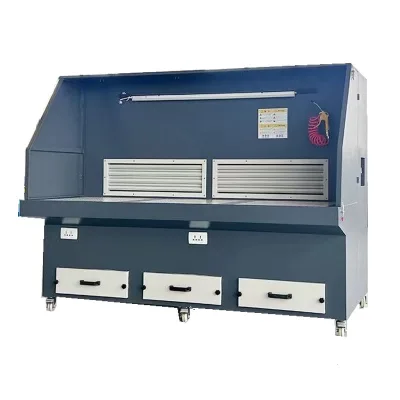


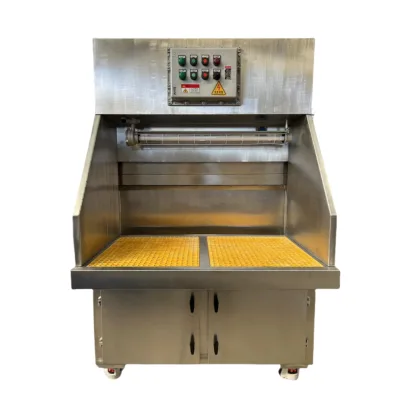


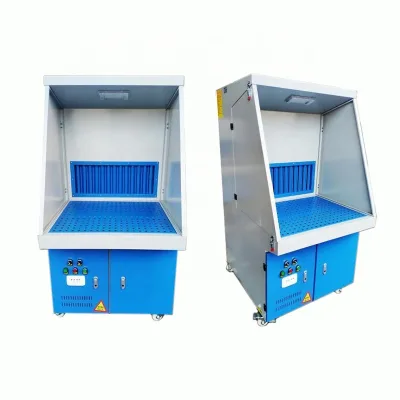
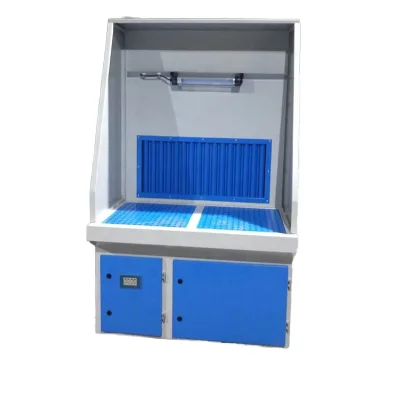
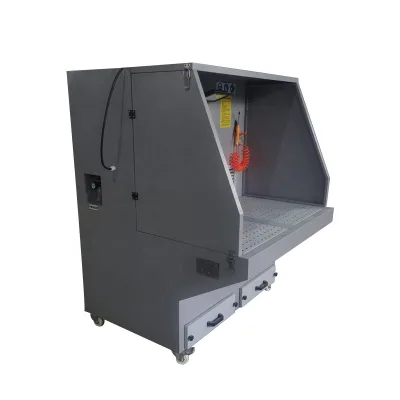


High-Efficiency Dust Collector for Industrial and Home Use
$9620.00 - $10130.00
MOQ: 5 Sets
Chungho Environmental Protection Technology Chengdu Co., Ltd.

Comprehensive Sourcing Guide
Strategic Sourcing Guide for Bottom-Suction Grinding Table Dust Collectors
Understanding Core Technical Specifications and Configuration
When evaluating a bottom-suction grinding table dust collector, the primary objective is to ensure the unit aligns precisely with the specific operational demands of the workshop. The core mechanism relies on a bottom-loading installation method, which distinguishes these units from top-loading counterparts and often facilitates easier maintenance of the filter media. In the current market, buyers will encounter units with varying inlet diameters, specifically observing sizes of 2 inches, 4 inches, 5 inches, and 8 inches. Selecting the correct inlet diameter is critical for maintaining optimal airflow velocity and ensuring that the dust collection system can effectively capture particulate matter generated during high-intensity grinding or sanding operations.
The physical dimensions of the unit are a significant constraint in facility planning. Observed specifications indicate a standard footprint of approximately 1200mm in length, 1000mm in width, and 1600mm in height. However, it is essential to note that product standards vary, with some configurations ranging from 800mm to 2500mm in length depending on the specific model and customization requests. The weight of these units is substantial, with observed values ranging between 230 kg and 300 kg, necessitating a reinforced floor or a dedicated mobile base with locking casters for stability. The filtration efficiency is a key performance metric, with observed data suggesting capabilities reaching 99.99% and 99.98% for specific particle sizes. Buyers must verify that the minimum particle size captured by the unit matches the dust profile of their specific application, as some models are rated for particles as small as 3 microns.
The filtration system itself typically utilizes a cartridge filter design, constructed from chemical synthetic fiber or general fiber materials. The number of filter cartridges can vary, with observed configurations supporting between 2 and 5 cartridges. The total filter area is another critical specification, with some units offering up to 40 square meters of filtration surface. This large surface area is designed to reduce pressure drop across the system, thereby extending the life of the filter and maintaining consistent suction power. The dust box is frequently designed as a drawer type, which simplifies the emptying process and reduces downtime. Additionally, the system operates on a voltage range of 220–240 V and is powered by a 1 hp motor, which drives the air flow to a maximum of 650 cubic feet per minute (cfm).
Compliance, Certification, and Safety Standards
In the realm of industrial dust collection, compliance with international safety and quality standards is non-negotiable. Buyers should verify that the manufacturer holds valid certifications, with ISO and CE being the most commonly observed credentials in the supply chain. The CE marking indicates conformity with health, safety, and environmental protection standards for products sold within the European Economic Area, while ISO certification suggests adherence to international management system standards. It is imperative to request current, verifiable copies of these certificates rather than relying on marketing claims, as the regulatory landscape is subject to change.
Safety ratings are equally important for workplace compliance. Observed data indicates a maximum sound rating of 75 dBA, which is a crucial figure for evaluating noise pollution in the workshop. Excessive noise can lead to hearing damage over time and may violate local occupational health regulations. Buyers must ensure that the unit's acoustic performance aligns with the noise control requirements of their specific jurisdiction. Furthermore, the condition of the equipment is typically listed as "New," but buyers should confirm whether the unit is brand new or refurbished, as this impacts the warranty and expected lifespan. The operation type is generally automatic, which reduces the need for manual intervention, but the system must be equipped with appropriate safety interlocks and emergency stop mechanisms.
Cost Drivers and Pricing Dynamics
The pricing of bottom-suction grinding table dust collectors is influenced by a complex array of factors, including material composition, filtration capacity, and customization levels. The observed price range in the market spans from $399 to $10,130 USD, reflecting the vast difference between basic models and highly specialized, large-scale industrial units. The primary cost driver is the material of construction; units made from carbon steel are standard for durability, but the thickness of the steel and the quality of the welding can significantly impact the price. Higher-end models may incorporate additional features such as advanced filtration media, larger tank sizes (observed up to 16 gallons), or enhanced safety features.
The minimum order quantity (MOQ) is another factor affecting the total cost of acquisition. Market observations show an MOQ range of 1 to 5 units, suggesting that buyers can often procure single units for pilot testing or small workshops, while larger orders may benefit from volume discounts. Customization is a major cost variable; while many suppliers accept custom orders, the extent of customization—such as specific dimensions, unique inlet configurations, or specialized filter materials—will directly influence the final price. Buyers should also consider the total cost of ownership, which includes the cost of replacement filters, energy consumption, and maintenance. The selling units are typically listed as single items, but bulk purchasing may be available for larger operations.
Typical Applications and Operational Scope
Bottom-suction grinding table dust collectors are designed for a wide array of industrial applications, with a primary focus on environments that generate significant amounts of fine particulate matter. The observed application scope includes polishing, grinding, welding, and cutting operations. These units are particularly effective in industries such as tobacco processing, medicine manufacturing, food processing, and building materials production. In the food and pharmaceutical sectors, the high filtration efficiency is critical to prevent cross-contamination and ensure product purity. Similarly, in the building materials industry, the ability to capture heavy dust from cutting and grinding is essential for maintaining a safe working environment.
The dust removal method employed is typically dry vacuuming, which is suitable for most non-flammable and non-hazardous dusts. However, buyers must assess whether their specific application involves flammable materials, as this may require additional safety features such as explosion-proof motors or spark detection systems. The installation method is horizontal, which allows for a compact footprint and easy integration into existing workstations. The unit is designed to handle a variety of dust types, from fine wood dust to metal shavings, provided the filter media is appropriate for the specific material. The lower collector capacity, observed at 5.3 cubic feet, is a key consideration for determining the frequency of maintenance and emptying required during a shift.
Supplier Evaluation and Vendor Selection Criteria
Selecting the right supplier is as critical as selecting the right equipment. Buyers should prioritize suppliers that demonstrate a clear commitment to quality and transparency. The brand names observed in the market, such as "yiboyuan" and "ALLWAY," indicate that multiple manufacturers are competing in this space. However, the presence of a brand name does not guarantee quality; buyers must verify the supplier's track record, production capacity, and after-sales support. The place of origin for these units is consistently reported as Hebei, China, a region known for its manufacturing capabilities but also requiring careful due diligence regarding logistics and communication.
Suppliers should be evaluated based on their ability to provide detailed technical documentation, including wiring diagrams, maintenance manuals, and filter replacement guides. The ability to offer OEM (Original Equipment Manufacturer) services is a significant advantage, allowing buyers to brand the equipment or customize it to specific needs. The customization options available, such as accepting specific dimensions or inlet configurations, should be clearly outlined in the supplier's capabilities. Buyers should also inquire about the supplier's quality control processes, including how they test units before shipment and whether they conduct random inspections. The condition of the product, listed as "New," should be verified through photos or videos of the actual unit before purchase.
Quality Control and Long-Term Procurement Considerations
Ensuring the long-term reliability of a bottom-suction grinding table dust collector requires a robust quality control strategy. Buyers should implement a rigorous inspection process upon receipt of the goods, checking for physical damage, verifying the accuracy of the specifications, and testing the operational performance. The warranty period, typically observed as 1 year, is a critical factor in mitigating risk. Buyers should carefully review the terms of the warranty to understand what is covered, including parts, labor, and shipping costs for repairs. It is also essential to verify the availability of spare parts, such as filter cartridges and motors, to minimize downtime in the event of a failure.
Long-term procurement considerations include the lifecycle cost of the equipment. This involves calculating the cost of energy consumption, the frequency of filter replacements, and the labor required for maintenance. The filter area of 40 square meters and the number of cartridges (2 to 5) are key indicators of the unit's capacity to handle continuous operation without frequent clogging. Buyers should also consider the environmental impact of the unit, ensuring that the dust collection system complies with local environmental regulations regarding emissions. The use of chemical synthetic fiber as a medium material suggests a focus on high-efficiency filtration, but buyers should verify the disposal and recycling options for used filters. Finally, the packing method, typically a plywood crate, should be assessed for its ability to protect the unit during transit and storage.
Comparison of Key Product Attributes
To facilitate a clearer understanding of the variations available in the market, the following table summarizes the key attributes observed in bottom-suction grinding table dust collectors. This comparison highlights the range of specifications that buyers may encounter and underscores the importance of matching the unit to specific operational needs.
| Attribute | Observed Range / Options | Relevance to Procurement |
|---|---|---|
| Inlet Diameter | 2 in, 4 in, 5 in, 8 in | Determines airflow compatibility with existing ductwork. |
| Filter Type | Cartridge Filter | Impacts maintenance frequency and filtration efficiency. |
| Installation | Bottom Loading | Affects floor space requirements and maintenance access. |
| Voltage | 220–240 V | Must match local power supply standards. |
| Horsepower | 1 hp | Indicates motor power and suction capability. |
| Filtration Efficiency | 99.98% - 99.99% | Critical for air quality compliance and health safety. |
| Material | Carbon Steel | Influences durability and resistance to corrosion. |
| Dimensions | 1200x1000x1600mm (Standard) | Essential for facility layout and space planning. |
| Weight | 230 kg - 300 kg | Impacts floor loading and mobility requirements. |
| Sound Rating | Max 75 dBA | Relevant for noise control and worker comfort. |
| Warranty | 1 Year | Defines the period of manufacturer liability. |
| Certification | ISO, CE | Indicates compliance with international safety standards. |
By carefully analyzing these attributes and understanding the underlying cost drivers and application requirements, buyers can make informed decisions that ensure the successful integration of bottom-suction grinding table dust collectors into their industrial operations. The focus should remain on verifying facts against the supplied context, avoiding assumptions, and prioritizing long-term value over initial cost savings.
FAQs
What is the maximum sound rating for this dust collector?
The maximum sound rating is 75 dBA. This level is observed in the product specifications and helps ensure compliance with workplace noise regulations during grinding or sanding operations.
Which inlet diameters are available for this unit?
Available inlet diameters include 2 inches, 4 inches, 5 inches, and 8 inches. Selecting the correct size is critical for maintaining optimal airflow velocity and effective dust capture during high-intensity operations.
Can the product be customized for specific needs?
Yes, customization is available for this product. Buyers can request specific dimensions or configurations, though the extent of customization will directly influence the final price and lead time.
What is the warranty period for this equipment?
The warranty period is 1 year. This coverage typically includes parts and labor, but buyers should verify specific terms regarding shipping costs for repairs and the availability of spare parts.
How much does the unit weigh?
The observed weight ranges between 230 kg and 300 kg. This substantial weight necessitates a reinforced floor or a dedicated mobile base with locking casters for stability during operation.
What is the filter efficiency of the system?
The filter efficiency reaches 99.99% and 99.98% for specific particle sizes. This high efficiency is crucial for industries like food processing and medicine to prevent cross-contamination.
Which voltage range does the motor operate on?
The motor operates on a voltage range of 220–240 V. This standard voltage is powered by a 1 hp motor that drives the air flow to a maximum of 650 cfm.