Source Bovine Bile Extract for Medicine, Cosmetics, and Feed
Find 30 verified listings for Bovine Bile Extract suitable for medicine, health care products, and animal feed. Compare specifications like purity, CAS numbers, and packaging options from multiple suppliers to find the right match for your production needs.
Key considerations
Products List








Comprehensive Sourcing Guide
Strategic Sourcing Guide for Bovine Bile Extract Procurement
The global demand for Bovine Bile Extract has expanded significantly across pharmaceutical, nutraceutical, and animal feed sectors. For procurement professionals, navigating this market requires a disciplined approach that distinguishes between raw material specifications, regulatory compliance, and supply chain reliability. The following guide outlines the critical dimensions of sourcing this specialized biological extract, grounded in observed market data and technical realities.
Technical Specifications and Chemical Identity
Understanding the precise chemical identity of Bovine Bile Extract is the first step in defining a robust procurement specification. The market data indicates that the core substance is often identified by the CAS number 8008-63-7, with a molecular formula of C24H40O5 and a molecular weight of approximately 408.5714. These identifiers are non-negotiable for ensuring the correct biological origin and chemical structure. Buyers must verify that the supplier provides a Certificate of Analysis (CoA) that explicitly references these identifiers to avoid substitution with synthetic analogs or extracts from different species.
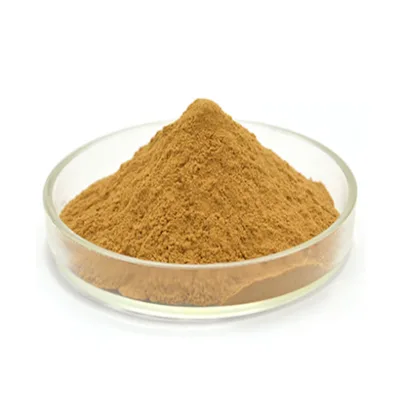
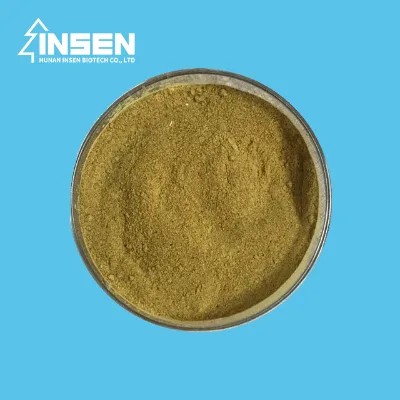
The physical state of the product is a critical specification parameter. Observed listings consistently describe the material as a "Brown Fine Powder" or generally as a "Powder" and "Solid." The appearance is a key quality indicator; deviations from the expected brown hue may suggest oxidation, contamination, or improper drying processes. Furthermore, the extraction process is predominantly noted as "Physical," which implies that the method relies on mechanical separation and purification rather than harsh chemical synthesis. This distinction is vital for buyers targeting "clean label" products or those requiring minimal chemical residues in the final formulation.
Purity standards vary across the market, with observed specifications ranging from 30% to 99%. A standard of 99% is frequently cited for high-grade pharmaceutical applications, while lower percentages, such as 30%, may be relevant for specific animal feed additives where cost-efficiency and bulk volume are prioritized over ultra-high purity. Procurement teams must align the required assay percentage with the intended application to avoid over-specifying and incurring unnecessary costs, or under-specifying and risking product failure.
Regulatory Compliance and Certification Verification
In the B2B procurement of biological extracts, certification is not merely a marketing badge but a prerequisite for market access. The observed market data highlights a diverse array of certifications, including ISO, GMP (Good Manufacturing Practice), FDA, BP (British Pharmacopoeia), USP (United States Pharmacopeia), and HSE (Health, Safety, and Environment). A supplier claiming ISO certification should be able to provide valid documentation for the specific standard (e.g., ISO 9001 for quality management).
For products intended for human consumption in medicine, health care, or cosmetics, the presence of GMP and FDA compliance is essential. These certifications indicate that the manufacturing facility adheres to strict hygiene and process control standards. Conversely, for animal feed applications, the regulatory landscape may differ, though GMP remains a strong indicator of operational excellence. The data also lists "BP" and "USP" standards, which are critical for buyers in the Western pharmaceutical market. These standards define the specific limits for impurities, heavy metals, and microbial content that the product must meet.
Buyers must treat certification claims as observations to be verified rather than absolute guarantees. The presence of a certification on a product page does not automatically imply that every batch meets the standard. Procurement protocols should include a request for the most recent audit reports or third-party verification documents. Additionally, the "Customized" attribute observed in the market suggests that suppliers may offer tailored certification packages, but the core compliance with the destination market's regulations must be confirmed before contract signing.
Cost Drivers and Pricing Dynamics
The pricing structure for Bovine Bile Extract is influenced by a complex interplay of purity, packaging, and order volume. The observed price range in the market spans from $0.99 to $950 per unit, a wide variance that reflects differences in concentration, grade, and packaging formats. A unit price of $0.99 likely corresponds to bulk raw material with lower purity or specific packaging constraints, whereas prices approaching $950 may reflect high-purity, pharmaceutical-grade material with specialized packaging and documentation.
Minimum Order Quantity (MOQ) is another significant cost driver. The market data shows an MOQ range from 1 kg to 10,000 units. For small-scale buyers or those testing a new formulation, an MOQ of 1 kg is highly advantageous, allowing for low-risk procurement. However, larger industrial buyers often negotiate better unit prices by committing to higher volumes, potentially up to the 10,000-unit threshold. The "1/Kg" or "1kg" MOQ mentioned in the data suggests flexibility for initial orders, but buyers should be aware that unit costs typically decrease as volume increases.
Packaging costs also factor into the final price. The observed packaging options include "25 Kg/Carton Outside and Double Food Plastic Bags," "Drum, Vacuum Packed," and "Foil Bag/25kg Drum." Vacuum packing and foil bags are premium options designed to protect the hygroscopic nature of the powder from moisture and oxidation. These specialized packaging methods add to the unit cost but are essential for maintaining product stability during long-distance shipping. Buyers must calculate the total landed cost, including packaging, rather than focusing solely on the base price per kilogram.
Typical Applications and Market Segmentation
Bovine Bile Extract serves a multifaceted role across several distinct industries. The primary application sectors identified in the market data include Medicine, Health Care Products, Food, and Cosmetics. In the pharmaceutical sector, the extract is utilized in the formulation of capsules and tablets, as indicated by the "Application Form" attribute. The high purity requirements in this sector necessitate strict adherence to USP or BP standards.
The food and beverage industry also utilizes this extract, often for its functional properties in digestion or as a natural ingredient. The "Application" attribute lists "Food" alongside health care products, suggesting its use in dietary supplements or functional foods. For cosmetic applications, the extract may be valued for its emulsifying or cleansing properties, though specific cosmetic standards must be verified against local regulations.
A significant segment of the market is dedicated to animal feed. The data explicitly mentions applications for "Poultry, Livestock, Aquatic Animals," and "Pet." In this sector, the extract is classified under "Vitamins, Minerals, Amino Acids" and is used as an additive to "Promote Healthy & Growth" and "Promote Nutrition." The efficacy claims here focus on improving feed conversion ratios and overall animal health. The distinction between human-grade and animal-grade products is critical; while the chemical composition may be similar, the regulatory compliance and purity standards for animal feed are generally less stringent than those for human consumption.
Supplier Evaluation and Sourcing Strategy
Evaluating suppliers for Bovine Bile Extract requires a multi-dimensional approach that goes beyond price comparison. The "prod_origin" is consistently listed as China, which is a major hub for the production of this extract. Buyers should verify the specific manufacturing location within China to assess logistics efficiency and potential geopolitical risks. The "Customization" and "Customized" attributes indicate that many suppliers are willing to adapt their offerings, which is a positive sign for flexibility.
When evaluating a supplier, buyers should prioritize those who demonstrate transparency in their extraction process. The "Physical" extraction method is a key differentiator, and suppliers should be able to detail the steps involved in their physical separation process. Additionally, the "Assay Method" of HPLC (High-Performance Liquid Chromatography) is the industry standard for verifying purity and should be the method used by the supplier for all quality control testing.
The "Storage Method" and "Storage" requirements, such as "Normal" or "Dry and Cool Place," are also indicators of supplier professionalism. A supplier who provides clear storage instructions demonstrates an understanding of the product's stability. Furthermore, the "Source" being identified as "Ox Gallbladder" confirms the biological origin, which is essential for traceability. Buyers should request a supply chain map that traces the raw material from the source to the final packaging.
Quality Control and Long-Term Procurement Considerations
Quality control is the backbone of a successful procurement strategy for biological extracts. The "prod_standard" values, such as 99%, 95%, and 30%, represent the purity benchmarks that must be consistently met. Buyers should establish a protocol for batch testing, ensuring that every shipment is verified against the agreed-upon standard. The "Appearance" of the powder should be checked upon receipt to ensure it matches the "Brown Fine Powder" description. Any deviation in color or texture could indicate degradation or contamination.
Long-term procurement considerations include the stability of the supply chain and the ability of the supplier to scale. The "prod_packing" options, such as "25kg/Barrel" or "Drum," suggest that the supplier is equipped for bulk shipments. However, buyers must also consider the "Lead Time," which, while not explicitly provided in the data, is a critical factor for inventory management. Establishing a relationship with a supplier who can guarantee consistent lead times is essential for maintaining production schedules.
Finally, the "Efficacy" claims, such as promoting healthy growth in animals, should be backed by data. While the market data lists these claims, buyers should request supporting test results or clinical studies if the product is intended for high-value applications. The "Keyword" attributes, including "Cholic Acid Powder" and "Ox Bile Extract," serve as useful search terms but should not replace the need for detailed technical documentation. By focusing on these evidence-based criteria, buyers can secure a reliable supply of high-quality Bovine Bile Extract that meets their specific operational and regulatory needs.
FAQs
What certifications do Bovine Bile Extract suppliers typically hold?
Suppliers commonly hold ISO, GMP, FDA, BP, USP, and HSE certifications. These credentials verify compliance with quality and safety standards for medicine, food, and cosmetic applications, ensuring the product meets regulatory requirements for human and animal use.
How is the extraction process performed for this product?
The extraction process is primarily physical, relying on mechanical separation rather than harsh chemical synthesis. This method helps maintain the natural integrity of the ox gallbladder source and supports clean label requirements for pharmaceutical and food-grade formulations.
Which packaging formats are available for bulk orders?
Available packaging includes 25 kg cartons with double food plastic bags, vacuum-packed drums, and foil bags. These options protect the hygroscopic powder from moisture and oxidation during shipping, ensuring stability for both small and large industrial buyers.
Can buyers request customized packaging or specifications?
Yes, customization is available for packaging and product specifications to meet specific buyer needs. Suppliers can adapt formats like barrel or bag sizes and adjust purity levels, though core chemical identifiers like CAS 8008-63-7 remain constant for quality assurance.
What is the minimum order quantity for purchasing this extract?
The minimum order quantity ranges from 1 kg to 10,000 units depending on the supplier and product grade. Lower MOQs like 1 kg allow for low-risk testing, while higher volumes often secure better unit pricing for large-scale industrial applications.
How should the powder be stored to maintain quality?
The product must be stored in a dry and cool place under normal conditions. Proper storage prevents degradation of the brown fine powder, preserving its efficacy for applications in medicine, health care, and animal feed additives.
Which purity standards are commonly applied to this extract?
Purity standards vary from 30% for animal feed to 99% for high-grade pharmaceutical use. Buyers must select the appropriate assay percentage based on their intended application to balance cost efficiency with the required quality specifications.