Source Bpa Free One-Touch Formula Dispenser for Baby Care
Find and compare 30 bpa free one-touch formula dispenser options from verified manufacturers. Evaluate features like PP material, temperature resistance, and customizable colors to select the right unit for home or commercial baby care needs.
Key considerations
Products List


Smart Formula Mixer APP Controlled with WiFi Baby Formula Dispenser Machine
$79.00 - $120.00
MOQ: 1 Pieces


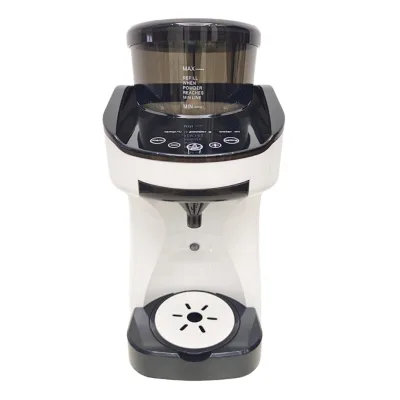


Comprehensive Sourcing Guide
Bpa Free One-Touch Formula Dispenser Sourcing Guide
Sourcing specialized infant feeding equipment requires a rigorous approach to material safety, mechanical reliability, and regulatory compliance. The market for BPA-free one-touch formula dispensers is characterized by a wide variance in product definitions, ranging from simple manual portioning tools to complex automated dispensing units. Buyers must distinguish between basic manual dispensers designed for household use and industrial-grade systems intended for high-volume childcare facilities or medical environments. The core keyword "Bpa free one-touch formula dispenser" often encompasses a broad spectrum of products, including manual scoops with locking mechanisms, electric dispensers with digital controls, and integrated storage systems. Understanding this distinction is critical for aligning procurement specifications with actual operational needs, as the performance expectations and safety requirements differ significantly between these categories.
The procurement landscape for these items is influenced by diverse manufacturing origins, primarily concentrated in regions with established plastic molding and electronics assembly capabilities. Suppliers often list products with varying certifications, such as FDA compliance for food-contact materials or CE marking for electrical components, which directly impacts the suitability of the product for different regional markets. Buyers should note that while "BPA-free" is a common marketing claim, it must be substantiated by specific material certifications and test reports. The presence of features like "one-touch" operation implies the inclusion of mechanical or electronic components that must be evaluated for durability and ease of cleaning, ensuring that the device meets hygiene standards required for infant care products.
Product Scope and Observed Listing Signals
The observed product listings reveal a fragmented market with significant variations in specifications, pricing, and minimum order quantities (MOQ). Prices for these items range from low-cost manual units to high-end automated systems, reflecting the disparity in material quality and technological complexity. MOQs vary widely, from single-unit samples for quality verification to bulk orders of up to 20,000 units for large-scale distribution. Buyers should carefully examine the product descriptions to determine if the item is a simple manual dispenser or a more complex device, as the latter may involve additional components such as motors, controllers, or digital displays. The presence of terms like "customization available" suggests that suppliers may offer OEM services, allowing buyers to tailor the product design, color, or packaging to their brand identity.
Specific product attributes observed in the market include materials such as PP (polypropylene), which is commonly used for its durability and heat resistance. Some listings indicate a temperature range of -20℃ to 120℃, suggesting that the products are designed to withstand sterilization processes or exposure to hot water. Color options often include blue, orange, pink, or customized colors, catering to aesthetic preferences in the consumer market. Additionally, packaging details such as "color box" or "expansion film" provide insights into the retail readiness of the product. Buyers must verify these attributes against their specific requirements, as not all listed products may satisfy the necessary safety or functional criteria for infant formula dispensing.
Technical Specifications to Verify
When evaluating technical specifications, buyers must prioritize the material composition and structural integrity of the dispenser. The use of PP material is a positive indicator, but it is essential to confirm that the specific grade of PP is food-safe and free from harmful additives. The product size and weight, such as dimensions of 9913.2cm and a net weight of 91g/PC, provide a baseline for portability and storage efficiency. However, buyers should also consider the capacity of the dispenser, with some models offering a milk powder capacity of about 100g per layer. This capacity is crucial for determining the frequency of refilling and the overall convenience of use for caregivers.
For automated or electric dispensers, additional technical parameters must be scrutinized. These may include voltage requirements, such as 220V/380V/110V/12V/24V, which must match the local power infrastructure. Features like LCD displays, flow meters, and controllers add complexity and potential points of failure, requiring careful assessment of their reliability and ease of maintenance. The presence of accessories such as motors, pumps, and nozzles indicates a more sophisticated system, potentially suitable for commercial or institutional use. Buyers should verify the compatibility of these components with the main unit and ensure that they meet the necessary performance standards for consistent and accurate dispensing.
Compliance and Safety Documentation
Compliance with safety standards is non-negotiable for infant feeding products. Buyers must request and verify certifications such as FDA approval for food-contact materials, ensuring that the product does not leach harmful substances into the formula. Other relevant certifications may include CE, CB, OIML, and Atex, depending on the product type and target market. These certifications provide assurance that the product has undergone rigorous testing for safety, quality, and performance. Buyers should also check for compliance with regional regulations, such as those in the European Union or North America, to avoid legal issues and ensure market access.
In addition to certifications, buyers should request detailed test reports and material safety data sheets (MSDS) from suppliers. These documents provide evidence of the product's compliance with specific standards and help identify any potential risks associated with the materials used. It is also important to verify the product's origin, as manufacturing practices and quality control measures can vary significantly between regions. Suppliers from China, for example, may have different regulatory frameworks and testing requirements compared to those in other countries. Buyers should ensure that the supplier has a robust quality management system in place to maintain consistent product quality and safety.
Cost Drivers and Commercial Terms
The cost of BPA-free one-touch formula dispensers is influenced by several factors, including material quality, manufacturing complexity, and order volume. Higher-quality materials, such as medical-grade PP, and advanced features like digital controls and automated dispensing mechanisms, typically result in higher prices. Buyers should also consider the cost of customization, which may include logo printing, custom packaging, or unique design elements. MOQs play a significant role in pricing, with larger orders often benefiting from economies of scale and lower unit costs. However, buyers must balance cost savings with the need for quality assurance and inventory management.
Commercial terms, such as delivery time and payment conditions, are also critical considerations. Lead times of 15-25 work days are common, but buyers should negotiate for shorter lead times if possible, especially for urgent orders. Payment terms may vary, with options including T/T, L/C, or Western Union, and buyers should choose the method that offers the best balance of security and convenience. Additionally, buyers should inquire about warranty policies, with a standard one-year warranty being a common offering. This warranty provides protection against manufacturing defects and ensures that the supplier stands behind the quality of their product.
Supplier Qualification and Quality Control
Supplier qualification is a crucial step in the procurement process, ensuring that the chosen partner has the capability and commitment to deliver high-quality products. Buyers should conduct thorough due diligence, including verifying the supplier's business license, production capacity, and quality control processes. Suppliers with established track records in the infant care or food equipment industry are generally more reliable, as they have experience in meeting the stringent requirements of this market. Buyers should also assess the supplier's ability to provide customization services, as this may be a key differentiator for their brand.
Quality control measures should be clearly defined and agreed upon before placing orders. This includes specifying inspection criteria, sampling methods, and acceptance standards for the final products. Buyers may choose to conduct pre-shipment inspections or hire third-party inspection agencies to verify product quality. It is also important to establish a clear communication channel with the supplier for addressing any issues that arise during production or delivery. Regular feedback and performance evaluations can help maintain a strong supplier relationship and ensure continuous improvement in product quality and service.
Long-Term Procurement Checks
Long-term procurement success depends on the ability to monitor and adapt to changes in the market, technology, and regulatory landscape. Buyers should regularly review their supplier's performance, including product quality, delivery reliability, and customer service. This ongoing evaluation helps identify potential issues early and allows for timely corrective actions. Buyers should also stay informed about emerging trends in infant feeding equipment, such as new materials, designs, or technologies, to ensure that their product offerings remain competitive and relevant.
Additionally, buyers should maintain a flexible procurement strategy that allows for adjustments in order volume and product specifications as needed. This may involve diversifying the supplier base to reduce risk and ensure supply chain resilience. Regular communication with suppliers about future product development and market needs can help align their capabilities with the buyer's strategic goals. By proactively managing these aspects, buyers can build a sustainable and efficient procurement process that supports the long-term success of their business in the infant care market.
FAQs
What certifications do the dispensers have?
The dispensers hold FDA certification for food safety. Additional certificates include OIML, CE, Atex, Sira, Coc, Soncap, Saso, Nrcs, and CMC depending on the specific model and application requirements.
Can the product be customized for specific needs?
Yes, customization is available for this product line. Buyers can request specific colors like blue, orange, or pink, or choose a custom color option to match their branding or functional requirements.
What is the delivery time for orders?
The standard delivery time ranges from 15 to 25 work days. This lead time applies to the manufacturing and shipping process for the selected product models and quantities.
Which materials are used in the construction?
The products are constructed using PP material for the main body. Some specific models feature stainless steel housing to ensure durability and resistance against various environmental conditions.
What is the temperature range for operation?
The operational temperature range spans from -20 degrees Celsius to 120 degrees Celsius. This wide range allows the product to function effectively in both cold storage and high-heat environments.
How is the product packaged for shipping?
Products are packed in color boxes with expansion film for individual protection. Bulk shipments utilize cartons or wood cases, ensuring safe transport and compliance with standard shipping requirements.
What is the capacity of the formula dispenser?
The capacity varies by model, with some holding about 100g of milk powder. Other configurations offer 80g per layer, providing flexibility for different storage and dispensing volume needs.
Is the product recyclable and disposable?
The product features are listed as both recyclable and disposable. This dual characteristic supports sustainable practices while offering convenience for single-use applications in specific scenarios.