Source BPA Free Disposable Paper Plates and Cups Set for Home, Parties, and Events
Explore 30 listings for BPA Free Disposable Paper Plates and Cups Set featuring eco-friendly, biodegradable, and oil-proof options. Buyers can compare sizes ranging from 5 to 10 inches, customization levels, and material specifications to find suitable solutions for food packaging needs.
Key considerations
Products List

Biodegradable Raw Material Paper Plates Set Party Luxury Napkin Paper Plates and Cups Set
$0.05 - $1.00
MOQ: 1000 Pieces


Factory Customized High Quality Customized Disposable Paper Plate Set Party Plate Cup
$0.05 - $1.00
MOQ: 1000 Pieces


BPA-Free 100-Pack Clear Cold Cup Set Disposable Tableware Cup with Lid
$7.10 - $14.01
MOQ: 100 Box(Boxes)


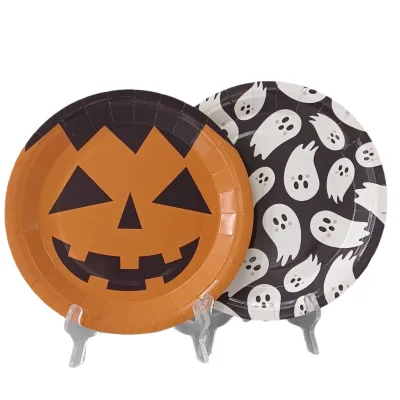
Christmas Paper Plates Set, Disposable Festive Banner Party Decoration Set
$1.70 - $2.00
MOQ: 500 Pieces


Comprehensive Sourcing Guide
Strategic Sourcing Guide for BPA-Free Disposable Paper Plates and Cups Sets
Understanding Product Composition and Material Integrity
When sourcing a disposable paper plates and cups set, the primary objective is to ensure the product meets the "BPA-free" requirement while maintaining structural integrity for food service applications. The core material for these items is explicitly identified as paper, which inherently offers a safer baseline compared to certain plastics that may require chemical additives. The product attributes indicate that these items are designed to be non-toxic, a critical specification for food contact surfaces. The observed product features highlight that the materials are biodegradable, oil-proof, and waterproof, suggesting a coating or treatment process that enhances functionality without compromising the paper base.
Buyers must distinguish between the base material and the functional coatings. While the base is paper, the "oil-proof and waterproof" characteristics imply the application of a barrier layer. In the context of BPA-free procurement, it is essential to verify that any such coating does not rely on bisphenol A or similar epoxy resins. The supplied data confirms the product is non-toxic and eco-friendly, but the specific chemical composition of the barrier layer requires supplier confirmation. The product models observed, such as "xgk01-3" and "XGK PP," suggest variations in manufacturing techniques, where "PP" might refer to a specific processing method or a polypropylene-related component in the coating, necessitating a clear definition of the material composition to ensure BPA compliance.
The temperature resistance is a vital technical specification for cups and plates used with hot beverages. The observed data indicates a temperature range of -20 to 120 Centigrade. This range suggests suitability for both cold drinks and hot liquids, including coffee and tea. However, the upper limit of 120°C is a specific observation that buyers should treat as a performance claim to be verified against the specific batch or model ordered. Not all paper cups in the market sustain this temperature without degradation or leaching. Therefore, the sourcing strategy must prioritize suppliers who can provide test data confirming that the coating remains stable and non-leaching at temperatures approaching 100°C, which is the boiling point of water.
Technical Specifications and Customization Capabilities
The technical landscape of disposable paper plates and cups sets is defined by a wide array of sizes, shapes, and customization options. The available sizes range from 5 inches to 10 inches, with specific models offering 7.5-inch options. This granularity allows buyers to tailor the set to specific event needs, from small appetizer plates to large dinner plates. The shapes are not limited to standard circles; the data indicates availability in round, rectangular, and square configurations, with custom shapes also supported. This flexibility is crucial for branding and thematic events, such as birthdays or corporate gatherings.
Customization extends beyond physical dimensions to include branding and packaging. The product attributes confirm that logos can be customized, and packaging can be tailored to specific requirements. The printing techniques available include digital printing and 4-color printing, allowing for high-fidelity graphics. The color options range from natural brown and white to black, green, and full rainbow versions. However, a critical constraint noted in the data is that full-page gold stamping or specific full-color rainbow versions for sizes 7, 9, and 10 inches may require "no spot" ordering, implying a minimum order quantity or a specific production run that differs from standard stock items.
The model numbers observed, such as "NHB-CUP-16" and "7-8-9-10inch," serve as internal identifiers for manufacturers. Buyers should use these references to ensure consistency in their supply chain, but they must also understand that these codes may vary between suppliers. The "OEM" (Original Equipment Manufacturer) capability is confirmed as "Yes," meaning suppliers are willing to produce goods under the buyer's brand name. This is a significant advantage for businesses looking to create a unified brand identity across their disposable tableware. The packaging is typically done in cartons or boxes, with the number of pieces per unit varying, often starting at a single item for sampling but scaling up to bulk quantities.
Compliance Verification and Certification Protocols
Ensuring that a product is truly BPA-free requires a rigorous verification process that goes beyond marketing claims. While the supplied facts mention "non-toxic" and "eco-friendly" attributes, they do not explicitly list a specific BPA-free certification standard like FDA 21 CFR 176.170 or EU Regulation 10/2011. Consequently, buyers must treat the "BPA-free" claim as a requirement to be validated through documentation rather than an inherent guarantee. The presence of the "FSC" (Forest Stewardship Council) certification in the background data suggests a focus on sustainable sourcing, but this certification pertains to the paper fiber origin, not the chemical safety of the coating.
Buyers should request a Certificate of Analysis (CoA) or a Declaration of Conformity specifically addressing bisphenol A migration limits. The standard verification process involves asking the supplier to provide test results from an accredited third-party laboratory. These tests should simulate real-world usage, such as filling the cup with hot water or placing oily food on the plate, and then analyzing the liquid or food for BPA content. The observed temperature range of -20 to 120°C provides a baseline for these tests, but the specific migration limits must align with the regulations of the destination market. For instance, the European Union has strict limits on BPA migration, while the United States follows FDA guidelines.
Additionally, the "eco-friendly" and "biodegradable" claims require verification of the degradation conditions. A product may be biodegradable in industrial composting facilities but not in a home compost bin or natural environment. Buyers should clarify the specific conditions under which the product degrades to ensure it meets their sustainability goals. The "recyclable" attribute is also noted, but the feasibility of recycling paper cups depends on the type of coating used. Some waterproof coatings make the paper difficult to recycle in standard paper streams. Therefore, the sourcing guide must include a step to verify the recyclability claims with local waste management authorities or recycling facilities.
Cost Drivers and Economic Considerations
The pricing structure for disposable paper plates and cups sets is influenced by several key factors, including material costs, customization complexity, and order volume. The observed price range of 0.01 to 45.71 USD reflects the vast difference between a single unit and a bulk order, or between a basic white plate and a fully customized, gold-stamped set. The Minimum Order Quantity (MOQ) ranges from 20 to 100,000 units, indicating that the cost per unit is highly sensitive to volume. Smaller orders will naturally carry a higher unit cost due to the fixed costs of setup and production runs.
Customization is a primary cost driver. The ability to print logos, use specific colors, and alter shapes adds to the production complexity. Digital printing and 4-color printing are more expensive than standard single-color printing. Furthermore, the "no spot" requirement for certain full-color or gold-stamped designs on larger sizes (7, 9, 10 inches) suggests that these items may have higher MOQs or longer lead times, which can impact the overall cost structure. Buyers should anticipate that highly customized orders will require a larger initial investment to achieve a competitive unit price.
The material composition also plays a role in pricing. While paper is generally cost-effective, the addition of waterproof and oil-proof coatings increases the material cost. The temperature resistance of up to 120°C may require higher-grade materials or more advanced coating technologies, which can elevate the price. Additionally, the origin of the product, identified as Xingtai, China, influences logistics costs. Buyers must factor in shipping, tariffs, and potential currency fluctuations when calculating the total landed cost. The "OEM" service adds value but also incurs additional costs for mold creation and branding setup.
Typical Applications and Usage Scenarios
The versatility of disposable paper plates and cups sets makes them suitable for a wide range of applications. The observed usage categories include coffee, tea, juice, hot drinks, and cold drinks, indicating suitability for both beverage service and food service. The "Food Packaging" usage confirms their primary function in the food industry. The "Birthday" occasion and "Home" recommended use suggest that these products are ideal for personal events, parties, and casual dining. However, the "Oil-Proof & Waterproof" features also make them suitable for commercial settings, such as catering, food trucks, and outdoor events where durability is essential.
The temperature range of -20 to 120°C allows for a broad spectrum of food and beverage applications. Hot drinks like coffee and tea can be served without the risk of the cup melting or leaching chemicals, while cold drinks and frozen items can be served without the risk of the material becoming brittle. The "Biodegradable" and "Eco-Friendly" attributes make these products particularly attractive for events that aim to minimize environmental impact, such as eco-conscious weddings, corporate sustainability initiatives, and community gatherings.
The customization options allow for specific branding in commercial settings. Restaurants and cafes can use these products to reinforce their brand identity, while event planners can use custom shapes and colors to match the theme of the event. The "Disposable Cutlery Set" attribute suggests that these products can be part of a comprehensive tableware solution, providing a complete set for dining. The "Simple" style and "Any style" options indicate that the products can be adapted to various aesthetic preferences, from minimalist to elaborate designs.
Supplier Evaluation and Quality Control Standards
Selecting the right supplier is critical for ensuring product quality and compliance. The observed data indicates that suppliers are located in Xingtai, China, and offer OEM services. Buyers should evaluate suppliers based on their ability to provide detailed technical documentation, including material safety data sheets (MSDS) and migration test reports. The supplier's experience with BPA-free products and their track record in the food service industry are also important factors.
Quality control should be a central part of the sourcing process. Buyers should implement a multi-stage quality control plan that includes pre-production sampling, in-process inspection, and final random inspection. The pre-production sample should be tested for BPA content, temperature resistance, and structural integrity. In-process inspections should monitor the printing quality, coating uniformity, and dimensional accuracy. Final random inspections should verify that the products meet the agreed-upon specifications and packaging requirements.
The "Carton" and "Box" packing options suggest that the products are designed for efficient shipping and storage. Buyers should ensure that the packaging is robust enough to prevent damage during transit. The "Selling Units" of "Single item" indicate that suppliers may offer samples, which is a valuable tool for quality verification. Buyers should request samples before placing large orders to assess the product quality firsthand. The "Brand" and "Brand Name" attributes, such as "Good Source Paper Cup" and "Gp," suggest that some suppliers may have established brand identities, which can be a sign of reliability.
Long-Term Procurement and Sustainability Strategy
Sourcing disposable paper plates and cups sets is not just a transactional activity but a strategic decision that impacts long-term brand reputation and environmental goals. The "Biodegradable" and "Recyclable" attributes are key selling points for eco-conscious consumers. Buyers should consider the end-of-life scenario for these products. If the products are biodegradable, they should be disposed of in appropriate facilities to ensure they break down as intended. If they are recyclable, buyers should ensure that the local infrastructure can handle the specific type of paper and coating used.
The "Customization" feature allows for long-term brand building. By consistently using products with the buyer's logo and design, they can create a cohesive brand experience. However, buyers must be mindful of the "no spot" ordering requirements for certain designs, which may necessitate careful inventory management to avoid stockouts or overstocking. The "OEM" capability supports long-term partnerships, allowing buyers to scale their operations and adapt to changing market demands.
Sustainability should be a core component of the procurement strategy. Buyers should prioritize suppliers who demonstrate a commitment to environmental responsibility, such as using sustainable paper sources and minimizing waste in the production process. The "FSC" certification, while not explicitly confirmed in the main facts, is a relevant standard to look for in supplier evaluations. Additionally, buyers should consider the carbon footprint of the supply chain, including the distance from the origin (Xingtai) to the destination, and explore options for local sourcing if feasible.
In conclusion, sourcing BPA-free disposable paper plates and cups sets requires a balanced approach that considers technical specifications, compliance, cost, and sustainability. By carefully evaluating suppliers, verifying claims, and implementing robust quality control measures, buyers can ensure that their products meet the highest standards of safety and performance. The flexibility in size, shape, and customization offers opportunities for differentiation, while the eco-friendly attributes align with growing consumer demand for sustainable solutions.
FAQs
How can I customize the logo and packaging for these plates?
Logos and packaging can be customized for these disposable paper plates. The supplier offers digital printing and 4-color options to match your brand needs. Custom shapes and colors like natural brown or white are also available to suit specific event themes.
What size options are available for the disposable paper plates?
Sizes range from 5 inches to 10 inches with a 7.5-inch option included. You can also request custom dimensions to fit specific serving requirements. The product list confirms availability of 5, 6, 7, 7.5, 9, and 10-inch models for various food and drink applications.
Can these paper plates handle hot drinks and hot food safely?
Yes, these plates and cups are designed to withstand temperatures between -20 and 120 degrees Celsius. They feature oil-proof and waterproof coatings suitable for hot coffee, tea, and other hot beverages. This ensures structural integrity during service without leaching harmful substances.
Which material properties make these plates eco-friendly and safe?
The plates are made from paper and are described as biodegradable, recyclable, and non-toxic. They feature oil-proof and waterproof barriers that do not compromise the eco-friendly nature of the base material. This combination supports sustainable sourcing goals while ensuring food safety for consumers.
What is the minimum order quantity for custom printed plates?
The minimum order quantity ranges from 20 to 100,000 units depending on the specific customization and size selected. Smaller orders start at 20 pieces, while bulk custom runs may require higher volumes. Pricing varies significantly based on the order size and printing complexity involved.
Where are these disposable paper plates and cups manufactured?
These products originate from Xingtai, China. The manufacturing location is confirmed in the product specifications for the listed items. Buyers should consider this origin when calculating shipping costs and lead times for international orders.
How are these products packaged for shipping and storage?
Products are typically packed in cartons or boxes to ensure safe transport. The packaging can be customized to meet specific branding or logistical requirements. This standard packing method protects the plates and cups from damage during transit to the final destination.