Source BPA Free Commercial Blender for Cafes, Bars, and Gyms
Find 19 BPA Free Commercial Blender options with capacities from 1.8L to 4L and power ratings up to 2200W. Compare models featuring touchpad or button controls, stainless steel or plastic housings, and variable speed settings to match your specific blending needs.
Key considerations
Products List


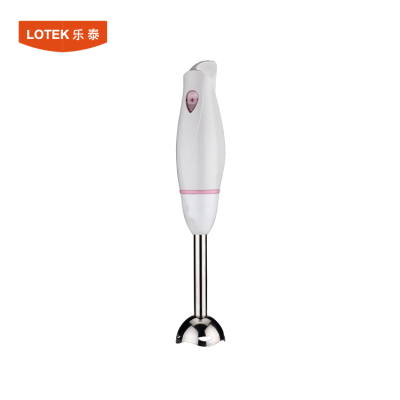
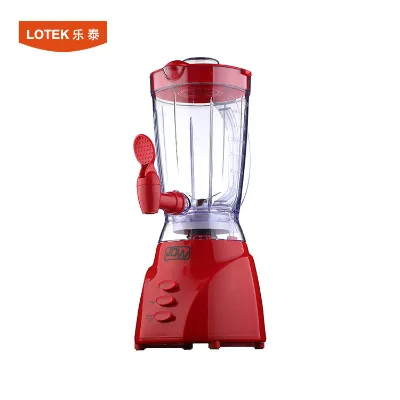

Comprehensive Sourcing Guide
BPA Free Commercial Blender Sourcing Guide
Procuring a BPA-free commercial blender requires distinguishing between residential-grade units and heavy-duty equipment designed for continuous high-volume operations. The observed product data reveals a diverse range of models, including the CB-606D and SY-BL25B-1, which feature varying control interfaces like buttons and touchpads. Buyers must verify that the housing material and jar composition explicitly exclude Bisphenol A, as the provided facts list both plastic and stainless steel options without universally confirming BPA-free status for every listed item.
Commercial environments demand robust construction capable of handling high-speed blending tasks, often evidenced by motor specifications reaching 2.5 HP and speeds up to 37,000 RPM. The supply chain data indicates origins primarily from Shunde and Guangdong, China, where manufacturers produce units with capacities ranging from 1.8L to 4L. Sourcing professionals should prioritize models with sound reduction enclosures and export-standard packaging to ensure the equipment arrives undamaged and ready for immediate deployment in busy kitchen settings.
Product Scope and Observed Listing Signals
The market listing signals indicate a wide spectrum of commercial blenders, with specific models like the SY-BL47C and YT-B20 offering distinct functional profiles such as variable speed controls and spiral stirring types. These variations suggest that buyers must carefully match the product model to their specific operational needs, whether for smoothie preparation, food mixing, or heavy-duty processing. The presence of different control types, including both button and touchpad interfaces, implies that user interface preferences should be a primary selection criterion alongside raw performance metrics.
Packaging standards observed in the data, such as "Plastic Bag+ Protection Foam+Gift Box" or "Export Standard Package," highlight the importance of logistics readiness for international procurement. While some units are listed with specific dimensions like 200230480 MM, others vary significantly, necessitating a review of physical footprint requirements before finalizing orders. Buyers should treat the listed attributes as observations of specific SKUs rather than universal guarantees, ensuring that the selected unit meets the exact spatial and functional constraints of their facility.
Technical Specifications to Verify
Motor power and speed are critical differentiators in commercial blenders, with observed specifications ranging from 500W to 2200W and motor speeds reaching 37000 RPM. A 2.5 Kw unit, for instance, offers significantly higher torque for tough ingredients compared to lower-wattage models, making it essential to align power ratings with the intended frequency of use. Procurement teams must verify that the motor power matches the load requirements of the specific application, as underpowered units may fail under the stress of continuous commercial operation.
Capacity and weight specifications also play a vital role in operational efficiency, with observed net weights varying from 4.70KG to 7.50KG and capacities spanning 2L to 4L. The data shows that higher capacity units often carry increased gross weights, which impacts shipping costs and counter stability. Buyers should cross-reference the rated capacity against their daily volume needs, ensuring that the selected blender can handle peak demand without frequent refilling, while also considering the physical weight for ergonomic handling and installation.
Compliance and Safety Documentation
Safety compliance is paramount in commercial food processing, and the presence of CE certification in the product data serves as a baseline indicator of electrical safety standards. However, buyers must explicitly request documentation confirming BPA-free status for all food-contact surfaces, as the general listing of "Plastic" or "Stainless Steel" housing does not automatically guarantee the absence of harmful chemicals. Verification of material safety data sheets is necessary to ensure that the blender complies with local health regulations regarding food contact materials.
Electrical safety standards must be rigorously checked against the local grid requirements, as observed voltage specifications include 220V 50Hz configurations. Procurement teams should confirm that the power rating and voltage match the facility's electrical infrastructure to prevent equipment failure or safety hazards. Additionally, noise enclosure features noted in the data suggest a focus on operator comfort, but buyers should verify sound level ratings to ensure compliance with workplace noise regulations in busy commercial kitchens.
Cost Drivers and Commercial Terms
The observed price range of 5 to 197 USD suggests significant variation based on motor power, material quality, and brand positioning, requiring a detailed cost-benefit analysis. Higher-priced units often correlate with advanced features like touchpad controls, sound reduction, and higher motor speeds, which justify the investment through increased durability and operational efficiency. Buyers should evaluate the total cost of ownership, including energy consumption and maintenance, rather than focusing solely on the initial purchase price.
Minimum Order Quantities (MOQ) observed in the data range from 1 to 1000 units, indicating flexibility for both single-unit procurement and bulk commercial deployments. The variation in MOQs allows buyers to scale their orders based on immediate needs and budget constraints, but larger orders may offer better per-unit pricing. It is crucial to negotiate clear terms regarding lead times and shipping, as the origin locations in China may introduce logistical variables that affect the final delivery schedule and overall project timeline.
Supplier Qualification and Quality Control
Supplier qualification should focus on verifying the manufacturing origin, with the data pointing to Shunde, Foshan, and Guangdong as key production hubs. These regions are known for their appliance manufacturing capabilities, but buyers must conduct due diligence to ensure that the specific factory adheres to consistent quality control protocols. Requesting factory audit reports and production capacity assessments helps mitigate the risk of receiving substandard units that may not meet the rigorous demands of commercial environments.
Quality control measures must extend beyond the initial inspection to include testing of critical components like the motor and jar assembly. The data lists specific packing methods, such as "Export Carton or Plywood Cases," which indicates a commitment to protecting the product during transit. Buyers should insist on pre-shipment inspections that verify the integrity of the sound reduction enclosure and the stability of the spiral stirring type, ensuring that the final product matches the technical specifications provided in the listing.
Long-Term Procurement Checks
Long-term procurement success depends on establishing a reliable supply chain that can support ongoing maintenance and spare parts availability. The diversity of models, from the CB-608D to the SY-BL1107, suggests that buyers should standardize their equipment to simplify inventory management and reduce downtime. Developing a relationship with the supplier for consistent quality and timely delivery of replacement parts is essential for maintaining operational continuity in a commercial setting.
Performance monitoring over time is necessary to validate the initial selection criteria and ensure that the blenders continue to meet operational standards. Buyers should track metrics such as motor longevity, noise levels, and energy efficiency to identify any deviations from expected performance. Regular reviews of the supplier's ability to meet delivery schedules and maintain quality consistency will help refine future procurement strategies and ensure a sustainable supply of high-performance commercial blenders.
FAQs
What housing materials are available for these blenders?
Plastic and stainless steel are the primary housing materials used for these commercial blenders. The plastic options provide a lightweight and cost-effective solution for high-volume operations. Stainless steel variants offer enhanced durability and a professional aesthetic suitable for demanding kitchen environments. Buyers can select the material that best fits their operational needs and budget constraints.
Which control types are offered for these units?
These blenders feature both button and touchpad control types to suit different user preferences. Button controls offer tactile feedback and straightforward operation for quick tasks. Touchpad interfaces provide a modern look and precise digital control. The available models include four-button configurations and touchpad options, ensuring flexibility for various commercial kitchen workflows and user interface requirements.
Can these blenders be customized for specific needs?
Yes, customization is available for these commercial blender units. Buyers can request specific modifications to meet unique operational requirements or branding needs. This flexibility allows businesses to tailor the equipment to their exact specifications. Customization options ensure that the final product aligns perfectly with the intended use case and integrates seamlessly into existing commercial kitchen setups.
What is the rated capacity of these blenders?
The rated capacities for these blenders range from 1.8 liters to 4 liters. Specific models include capacities of 2.0 liters, 2.5 liters, and 4 liters. This variety allows buyers to select the appropriate size for their volume requirements. Smaller capacities are ideal for individual or small batch preparation, while larger capacities support high-volume commercial demands efficiently.
What certifications are provided for these products?
These blenders come with CE certification, ensuring compliance with European safety and quality standards. This certification indicates that the products meet rigorous regulatory requirements for electrical safety and performance. Buyers can rely on this certification for market access and consumer confidence. The CE mark is a key indicator of quality and safety for commercial kitchen equipment in international markets.
How are these blenders packaged for shipping?
Packaging options include plastic bags with protection foam, gift boxes, and cartons. Export standard packages are also available for smoothie blenders. Some models use export cartons or plywood cases for added protection. These packaging methods ensure safe transit and minimize damage risks. The varied packaging solutions cater to different shipping requirements and protect the product during international logistics.