Source BPA Free Silicone Spoon for Baby Feeding and Kitchen Use
Explore 30 listings of BPA Free Silicone Spoon options from Guangdong, China. Buyers can compare specifications, certifications like FDA, and customization features for baby feeding and kitchen applications.
Key considerations
Products List
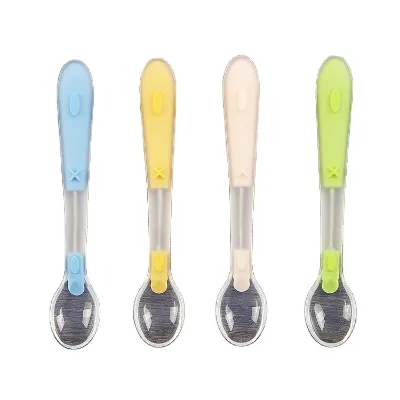


Eco-Friendly Silicone Spoon Spoon Silicone Soup Spoon Baby Feeding Spoon
$0.10 - $0.16
MOQ: 1000 Pieces


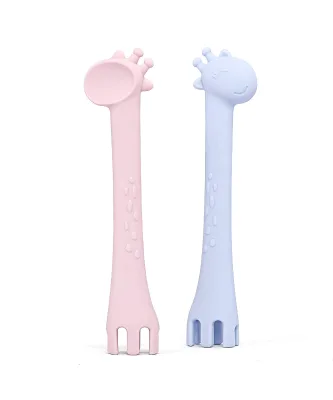


Comprehensive Sourcing Guide
Strategic Sourcing Guide for BPA-Free Silicone Spoons
The global demand for safe, durable, and eco-friendly feeding utensils has elevated the BPA-free silicone spoon from a niche item to a staple in the baby care and kitchenware sectors. For procurement professionals, sourcing these items requires a nuanced understanding of material science, regulatory compliance, and supply chain dynamics. This guide synthesizes observed market data and technical specifications to provide a structured approach for acquiring high-quality silicone feeding spoons. Buyers must navigate a landscape where product attributes vary significantly between suppliers, necessitating rigorous verification of every claim against actual product specifications rather than marketing generalizations.
Technical Specifications and Material Composition
The foundation of a successful procurement strategy lies in verifying the technical specifications of the product. In the observed market, the core material is consistently identified as silicone, often with specific references to "BPA Free" as a critical material feature. However, buyers must distinguish between the primary feeding surface and the internal structural components. Data indicates that while the spoon head is typically silicone, the inner material or handle reinforcement may utilize Polypropylene (PP). This composite construction is common for structural integrity but requires clear labeling to ensure the end-user understands the material composition.
Dimensions and physical attributes are equally variable. Observed listings show a wide range of sizes, from compact models measuring 85x45mm to larger variants reaching 158mm in length. Specific model numbers such as "Spoon-002" or "GP-BTS002" often accompany these dimensions. When evaluating a supplier, procurement teams should not assume a single standard size applies to all inventory. Instead, they must request a specification sheet detailing the exact length, width, and weight for the specific batch. For instance, weights observed in the market range from 20g to 25g, and single package sizes can vary from 2.6x4.5x15 cm to larger carton configurations.
The physical design also impacts functionality. Attributes such as "Straight Body" and "Handle: Yes" are standard, but the flow velocity of the spoon, particularly if it is part of a feeding system, is noted as "Slow Flow." This is a crucial detail for infant safety, preventing choking hazards. Furthermore, the product shape and style, described as "Fashionable" or "Animal" patterned, must align with the target demographic's aesthetic preferences. The color palette is diverse, with observed options including Blue, Pink, Green, and Multicolor variations. Buyers should verify that the colorants used are food-grade and do not leach, even though the silicone itself is generally inert.
Compliance and Certification Verification
In the baby product sector, compliance is not merely a regulatory hurdle but a primary trust signal. The most frequently cited certifications in the market for these spoons are FDA and LFGB. These standards indicate that the materials have been tested for safety regarding food contact. However, the presence of a certification claim does not guarantee that every unit in a shipment meets the standard. Procurement professionals must treat certification as a baseline requirement that requires active verification.
Buyers should request current, valid certificates of compliance from the supplier. It is essential to confirm that the specific model number being ordered is covered under the certificate. For example, a certificate for a "Spoon-002" model may not automatically extend to a "GP-BTS002" variant if the manufacturing process or material blend differs. Additionally, while "BPA Free" is a standard claim, it should be backed by third-party testing reports. The term "Eco-Friendly" and "Recyclable" are also observed features, but these require clarification on what recycling process is applicable to the specific silicone formulation used.
The distinction between "Disposable" and "Non-Disposable" is another critical compliance and usage factor. While some listings indicate "Non-Disposable" for reusable kitchen baby products, others may list "Disposable" for specific single-use applications. This contradiction highlights the need for precise definition in the purchase order. A reusable silicone spoon intended for long-term use must meet different durability and chemical stability standards than a disposable variant. Procurement teams must explicitly state the intended usage lifecycle to ensure the supplier provides a product that meets the durability expectations of the brand.
Cost Drivers and Pricing Dynamics
Understanding the cost structure of BPA-free silicone spoons is vital for budgeting and margin analysis. The observed price range in the market spans from $0.02 to $2.71 USD. This wide variance is not arbitrary; it is driven by several key factors including material quality, customization level, order volume, and packaging complexity. The lowest price points often correspond to basic, non-customized models with minimal packaging, such as simple OPP bags. Conversely, the higher end of the spectrum reflects products with custom logos, complex animal patterns, or premium packaging like cartons.
Minimum Order Quantity (MOQ) is a significant driver of unit cost. The market data shows an MOQ range from 2 to 1000 pieces, with a high-confidence observation of 100 pieces for many standard items. Suppliers often offer tiered pricing, where the unit cost decreases as the order volume increases. However, buyers must be wary of suppliers who set an MOQ that is too low without a corresponding price increase, as this may indicate a lack of economies of scale or a focus on low-quality materials.
Customization is a major cost component. The availability of "Customized Logo" and "Customized" branding options allows for brand differentiation but adds to the production cost. The lead time for customized orders is typically longer than for stock items. Additionally, the "Sample" availability, often listed as "Free" or "Provided," can influence the initial procurement cost. While samples are essential for quality verification, buyers should clarify if there are any hidden shipping costs associated with these samples, especially for international orders.
Typical Applications and Market Segmentation
The application of BPA-free silicone spoons extends beyond simple feeding. The observed market data categorizes these products under "Kitchen Baby" and "Keeping Baby Feeding Products." This broad categorization suggests versatility in use cases. The primary application is obviously infant feeding, with age ranges specified as 0-12 months, 1-2 years, 2-4 years, and even for children over 4 years old. This wide age range indicates that the product design must accommodate different developmental stages, from puree feeding to self-feeding with solid foods.
The "Animal" pattern type and "Fashionable" style suggest a strong marketing angle towards parents who prioritize aesthetics and engagement for their children. These design elements are not merely decorative; they serve a functional purpose in encouraging children to eat. The "Straight Body" shape is practical for reaching the back of the mouth, while the "Handle" provides a secure grip for parents.
Furthermore, the "Slow Flow" attribute points to applications where controlled feeding is necessary, reducing the risk of choking. This makes the product suitable for newborns and toddlers transitioning to solid foods. The "Eco-Friendly" and "Recyclable" features also appeal to environmentally conscious consumers, positioning the product in the sustainable baby goods segment. Buyers should align their product selection with the specific needs of their target demographic, whether it is a luxury brand focusing on design or a budget brand focusing on utility.
Supplier Evaluation and Sourcing Strategy
Evaluating suppliers for BPA-free silicone spoons requires a multi-faceted approach. The "Place of Origin" is a critical factor, with Guangdong, China, being a dominant hub for this manufacturing. This region offers a mature supply chain for silicone and plastic products, but it also necessitates rigorous quality control. Buyers should verify the supplier's production capacity and history. The "Brand Name" is often listed as "customized," indicating that many suppliers operate as OEM (Original Equipment Manufacturer) or ODM (Original Design Manufacturer) partners rather than branded retailers.
When assessing a supplier, procurement teams should look for transparency in their specifications. The presence of detailed attributes like "Single gross weight," "Single package size," and specific model numbers indicates a professional operation. Conversely, vague descriptions or inconsistent data points should be red flags. The ability to provide samples is a positive indicator, but the quality of the sample must match the bulk production. Buyers should also verify the "Standard" of the product, which is often listed as "customized," meaning the supplier must adhere to the buyer's specific requirements rather than a generic industry standard.
The "Customization" capability is another key evaluation metric. Suppliers that offer "Customized Logo Acceptable" and flexible design options are better suited for brands looking to differentiate themselves. However, buyers must ensure that the customization process does not compromise the material integrity or safety of the spoon. The "Driven Type" being "Manual" is a standard for these utensils, but it is worth confirming that the manufacturing process does not involve automated machinery that could introduce contaminants.
Quality Control and Long-Term Procurement Considerations
Quality control (QC) is the final barrier between a compliant product and a potential liability. Given the wide range of observed attributes, from "Non-Disposable" to "Disposable" and varying certifications, a robust QC plan is essential. Buyers should implement a sampling plan that tests for material composition, ensuring the absence of BPA and other harmful substances. The "FDA" and "LFGB" certifications should be cross-referenced with independent lab test results for the specific batch.
Long-term procurement considerations involve building a relationship with a supplier that can scale with demand. The "MOQ" of 100 pieces is a good starting point, but buyers should negotiate terms that allow for flexibility as their market grows. The "Lead Time" is not explicitly provided in the data, but it is a critical factor for inventory management. Buyers should establish clear communication channels to track production progress and ensure timely delivery.
Sustainability is another long-term consideration. The "Eco-Friendly" and "Recyclable" features are valuable selling points, but buyers must verify the actual recycling process for the silicone used. Some silicone products are difficult to recycle, and claims of recyclability should be backed by concrete evidence. Finally, the "Weight" and "Size" consistency across batches must be maintained to ensure product reliability. Any deviation in these specifications could affect the user experience and brand reputation.
In conclusion, sourcing BPA-free silicone spoons requires a balance of technical diligence, regulatory compliance, and strategic supplier management. By focusing on verified specifications, robust certification checks, and clear cost drivers, buyers can secure a supply chain that delivers safe, high-quality products for the baby care market. The observed data provides a solid foundation, but the ultimate success of the procurement strategy depends on the buyer's ability to verify every claim and adapt to the specific needs of their brand.
FAQs
What certifications do BPA free silicone spoons typically have?
These spoons typically hold FDA and LFGB certifications to ensure food safety. Buyers must verify that the specific model number is covered under the current certificate rather than assuming all variants share the same compliance status.
Which material composition is standard for these feeding spoons?
The primary material is silicone, often reinforced with an inner Polypropylene structure for durability. This composite design ensures the spoon head remains flexible while the handle maintains structural integrity during use.
Can buyers request customized logos on these silicone spoons?
Yes, customized logo acceptance is available for branding purposes. However, this customization option increases production costs and typically extends the lead time compared to ordering standard stock items without branding.
How does the minimum order quantity affect the unit price?
The minimum order quantity ranges from 2 to 1000 pieces, with 100 pieces being a common baseline. Unit costs generally decrease as order volume increases, reflecting economies of scale in the manufacturing process.
What is the typical price range for BPA free silicone spoons?
The observed price range spans from 0.02 to 2.71 USD per unit. This variance depends on factors like material quality, customization level, packaging complexity, and the specific order volume negotiated with the supplier.
Where are these silicone spoons primarily manufactured?
The primary place of origin is Guangdong, China, a major hub for silicone product manufacturing. Buyers should verify the specific factory location and production capacity to ensure consistent quality and supply chain reliability.
Are these spoons designed for disposable or reusable use?
Most listings indicate these spoons are non-disposable and intended for long-term reuse. Buyers must explicitly confirm the intended lifecycle to ensure the product meets durability standards for repeated feeding applications.