Source Breathable Cotton Spandex Denim Shorts for retail, casual wear, and wholesale
Explore 30 listings for Breathable Cotton Spandex Denim Shorts featuring loose styles, mid-waist designs, and OEM customization. Compare fabric blends, washing effects, and packing options to find suitable suppliers for your apparel needs.
Key considerations
Products List


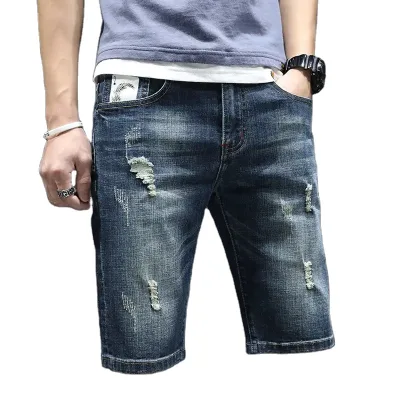


Summer Street Style Trendy Distressed Comfortable Ripped Casual Denim Shorts
$6.90 - $11.99
MOQ: 200 Pieces


Comprehensive Sourcing Guide
Breathable Cotton Spandex Denim Shorts Sourcing Guide
Sourcing Breathable Cotton Spandex Denim Shorts requires a nuanced understanding of fabric composition, weaving techniques, and commercial terms that vary significantly across suppliers. The core keyword highlights a specific intersection of materials: denim structures that incorporate stretch fibers like spandex for comfort, combined with cotton for breathability. However, the observed market data reveals a fragmented landscape where product attributes such as material composition, style, and manufacturing processes are not uniform. Buyers must navigate a wide range of offerings, from traditional woven denim to knitted alternatives, and from loose-fit casual styles to tailored designs. This guide provides a structured approach to evaluating these variations, ensuring that procurement decisions are based on verified specifications rather than generic marketing claims.
The primary challenge in this category is the discrepancy between observed listing signals and actual product capabilities. While the term "denim" implies a specific twill weave, some suppliers list knitted fabrics or satin weaves under similar product names. Similarly, while "breathable" is a common feature claim, the actual performance depends heavily on the cotton-to-spandex ratio and the presence of additional treatments like water washing or anti-wrinkle finishes. This guide focuses on helping buyers distinguish between these variations, verify technical specifications, and establish robust quality control measures. By adhering to the evidence-based insights provided, procurement teams can mitigate risks associated with material mismatches, compliance gaps, and inconsistent production quality.
Product Scope and Observed Listing Signals
The observed product range for denim shorts is diverse, with listings indicating a price range of $0.5 to $26.8 USD and minimum order quantities (MOQs) varying from 1 to 300 units. This wide variance suggests that the market includes both low-cost, high-volume basic items and higher-priced, specialized designs. Buyers should note that the term "denim" is used broadly, with some products explicitly labeled as "Stretch Denim" or "Polyester Cotton Denim," while others list "Satin Fabric" or "Spandex / Cotton" as the main material. This inconsistency highlights the need for precise material verification, as the tactile feel, durability, and breathability of these fabrics differ significantly. For instance, satin weaves may offer a different drape and moisture management profile compared to traditional cotton-spandex blends.
Style and seasonal attributes also vary across listings, with options ranging from "Loose" and "Casual" fits to specific waist shapes like "Low" or "Mid" rise. The observed data includes products designed for "Summer" as well as "Spring / Autumn," indicating that fabric weight and thickness are key differentiators. Some listings specify "Thickened" fabrics, which may compromise breathability, while others emphasize features like "Quick Dry" and "Breathable." Additionally, decorative methods such as "Spliced" designs, "Pattern" decorations, and "Water Washing" effects are common, adding complexity to the sourcing process. Buyers must align these aesthetic and functional attributes with their target market’s preferences, ensuring that the selected product matches the intended use case and seasonal demand.
Technical Specifications to Verify
Fabric composition is the most critical technical specification to verify, as it directly impacts comfort, durability, and performance. The observed data includes materials such as "Polyester Cotton Denim," "Stretch Denim," and "Spandex / Cotton," each offering distinct properties. Buyers should confirm the exact percentage of cotton and spandex in the blend, as higher spandex content enhances elasticity but may reduce breathability. Additionally, the weaving process is a key differentiator, with listings indicating "Striped or Checked" patterns, "Machine-embroidered" details, and even "knitted" structures. While traditional denim is woven, knitted alternatives may offer greater stretch and comfort but differ in structural integrity. Verifying the fabric type and weave ensures that the product meets the desired balance of stretch, breathability, and durability.
Fit and design specifications are equally important, with variations in waist shape, style, and decorative elements. The observed data includes "Low" and "Mid" waist options, as well as "Loose" and "Casual" styles, which cater to different fashion trends and body types. Decorative methods such as "Spliced" designs and "Pattern" decorations add visual appeal but may affect production complexity and cost. Buyers should also verify the presence of functional features like "anti-wrinkle" or "Windproof" treatments, which may enhance performance but require additional testing. Additionally, the observed data includes specific product models (e.g., "419," "20," "704"), which can help in tracking and reordering. Clear documentation of these specifications is essential to avoid misunderstandings and ensure that the final product aligns with the buyer’s requirements.
Compliance and Safety Documentation
Compliance and safety are paramount in apparel sourcing, particularly for products intended for international markets. While the observed data does not explicitly list certifications, trusted category knowledge suggests that buyers should verify adherence to standards such as OEKO-TEX for chemical safety and GOTS for organic cotton content. These certifications ensure that the fabrics and dyes used in production are free from harmful substances, which is critical for consumer safety and brand reputation. Buyers should request certification documents from suppliers and verify their validity through independent testing agencies. Additionally, compliance with labor standards such as BSCI may be relevant for ethical sourcing considerations, ensuring that production facilities adhere to fair labor practices.
Chemical and physical safety testing is another key area of focus. Buyers should verify that the products meet regional regulations for flammability, colorfastness, and tensile strength. For example, the "Water Washing" effect observed in some listings may involve chemical treatments that require verification for compliance with environmental and safety standards. Additionally, the presence of "anti-wrinkle" or "Quick Dry" finishes may involve chemical coatings that need to be tested for toxicity and durability. Buyers should include specific testing requirements in their purchase agreements and conduct pre-shipment inspections to ensure that the products meet all regulatory and safety standards. This proactive approach minimizes the risk of product recalls and legal liabilities.
Cost Drivers and Commercial Terms
Cost drivers in the denim shorts market are influenced by material composition, production complexity, and commercial terms. The observed price range of $0.5 to $26.8 USD reflects significant variation, with lower prices likely associated with basic designs and higher prices linked to specialized features or premium materials. Buyers should analyze the cost breakdown, including fabric costs, labor, and overhead, to understand the value proposition of each supplier. Additionally, the observed MOQs range from 1 to 300 units, indicating flexibility in order sizes. However, lower MOQs may come with higher per-unit costs, while larger orders may offer economies of scale. Buyers should negotiate terms that balance cost efficiency with inventory management needs.
Commercial terms such as lead times, payment conditions, and customization options also impact the overall cost. The observed data includes "OEM service" and "Customization" availability, which may incur additional costs but offer greater flexibility in product design. Buyers should verify the lead times for sample orders and bulk production, as delays can impact supply chain efficiency. Additionally, the observed data includes "7_days_sample_order_lead_time" support, which is beneficial for rapid prototyping. Payment terms should be structured to mitigate risk, with options such as letters of credit or escrow services providing security for both parties. Clear communication of commercial terms ensures that both buyers and suppliers have aligned expectations.
Supplier Qualification and Quality Control
Supplier qualification is a critical step in ensuring consistent product quality and reliable delivery. Buyers should conduct thorough due diligence, including site visits, audits, and reference checks, to verify the supplier’s capabilities and compliance with standards. The observed data includes suppliers from "Guangdong, China," a major apparel manufacturing hub, but buyers should not assume that all suppliers in this region meet the same quality standards. Verification of production facilities, equipment, and workforce skills is essential to ensure that the supplier can meet the required specifications. Additionally, buyers should assess the supplier’s ability to handle customization and OEM requests, as these services may require specialized expertise.
Quality control measures should be integrated into the procurement process to minimize defects and ensure consistency. Buyers should establish clear quality standards, including fabric weight, colorfastness, and stitching quality, and communicate these to the supplier. Pre-production samples should be approved before bulk manufacturing begins, and in-line inspections should be conducted during production to identify and address issues early. Final random inspections should be performed before shipment to ensure that the products meet all specifications. Additionally, buyers should implement a feedback loop to track defect rates and continuously improve quality. This proactive approach reduces the risk of receiving substandard products and enhances customer satisfaction.
Long-Term Procurement Checks
Long-term procurement success depends on continuous monitoring and relationship management with suppliers. Buyers should establish regular performance reviews to assess supplier reliability, quality consistency, and responsiveness to issues. Key performance indicators (KPIs) such as on-time delivery, defect rates, and compliance with specifications should be tracked and analyzed to identify areas for improvement. Additionally, buyers should maintain open communication with suppliers to address any emerging challenges, such as material shortages or production delays. Building a collaborative partnership fosters trust and encourages suppliers to prioritize the buyer’s needs.
Adaptability to market changes is another critical factor in long-term procurement. Buyers should stay informed about trends in fabric technology, design preferences, and regulatory requirements to ensure that their product offerings remain competitive. Regularly updating specifications and requirements based on market feedback helps to align product development with consumer demand. Additionally, buyers should diversify their supplier base to mitigate risks associated with single-source dependencies. By maintaining a flexible and responsive procurement strategy, buyers can navigate market fluctuations and sustain long-term growth. This approach ensures that the sourcing process remains efficient, cost-effective, and aligned with business objectives.
FAQs
What customization options are available for these denim shorts?
Customization is available for these denim shorts, allowing buyers to tailor specific features. The product supports OEM services and offers customized standards to meet unique requirements. Buyers can request changes to models like 419 or 093R to align with their brand needs.
Which fabric types are used in these breathable denim shorts?
The shorts utilize various fabric compositions including Spandex Cotton, Stretch Denim, and Polyester Cotton Denim. Some items feature Satin Fabric or knitted weaving methods. These materials ensure the shorts are breathable, slightly elastic, and suitable for casual wear in spring, autumn, or summer seasons.
Can I order samples before placing a bulk order?
Yes, a 7-day sample order lead time is supported for these products. This allows buyers to verify quality and fit before committing to larger quantities. The sample process is available for models such as Men's Denim Shorts-093R and Women's Denim Shorts-006A to ensure satisfaction.
What is the minimum order quantity for these denim shorts?
The minimum order quantity varies, with observed ranges from 1 to 300 units depending on the specific listing. Some suppliers require a standard MOQ of 500 units for customized orders. Buyers should check the specific product model details to confirm the exact threshold for their purchase.
How are these denim shorts packaged for shipment?
Packaging options include Sack and OPP Bag methods depending on the specific product listing. The choice of packaging is determined by the supplier and the order specifications. Buyers should verify the packing method for their selected model to ensure it meets their logistics requirements.
Which styles and fits are offered for these shorts?
The collection offers Loose and Casual styles with Low and Mid waist shapes. Popular elements include Water Washing and Pattern decorations. These shorts are designed for male and female genders, featuring thickened options and Striped or Checked weaving processes for varied aesthetic preferences.
What are the key features of these cotton spandex shorts?
Key features include anti-wrinkle, Quick Dry, Breathable, Eco-Friendly, and Windproof properties. The fabric composition often includes Spandex and Cotton for stretch and comfort. These functional attributes make the shorts suitable for active wear and various weather conditions while maintaining durability.