Source Yoga Leggings for Yoga, Cycling, and Fitness
Compare 30 verified listings for Yoga Leggings featuring rip-stop, quick-drying, and moisture-wicking properties. Buyers can evaluate customization options, fabric blends, and lead times from Chinese manufacturers offering OEM and ODM services for bulk orders; compare the available evidence and request quotations based on your requirements.
Key considerations
Products List


Women's Yoga Pants Leggings with Pockets High Waist Yoga Pantsworkout Leggings Tights
$6.50 - $7.50
MOQ: 1000 Pieces

High Waisted Leggings with Pockets for Tummy Control Breathable Yoga Pants
$6.50 - $7.50
MOQ: 1000 Pieces

Women's Cross Waist Leggings with Inner Pocket, Gathered Crossover Workout Yoga Pants
$6.50 - $7.50
MOQ: 1000 Pieces


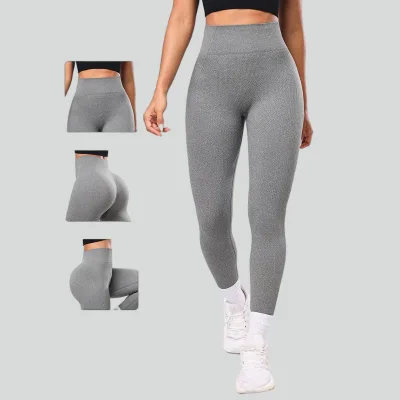


Comprehensive Sourcing Guide
Yoga Leggings Sourcing Guide
The global market for Yoga Leggings has expanded significantly, driven by a demand for versatile activewear that transitions seamlessly from studio practice to casual wear. Based on observed listings, these garments are predominantly constructed from a blend of 90% polyester and 10% spandex, offering the necessary elasticity for high-movement activities like yoga, cycling, and track and field. Buyers should note that the observed product range includes specific models designed for long lengths, ensuring full coverage and comfort during deep stretches or athletic performance.
Procurement strategies must account for the diverse customization options available, as many suppliers support OEM and ODM services to meet specific brand requirements. The observed data indicates that features such as rip-stop technology, moisture-wicking capabilities, and anti-UV protection are common attributes in this category. Sourcing teams should prioritize suppliers who can accommodate requests for specific fabric weights and colors, as the market supports a wide array of Pantone color options and pattern variations ranging from plaid to pure colors.
Product Scope and Observed Listing Signals
Buyers entering this market will encounter a wide spectrum of product models, including specific identifiers like YG-2519 and NSPB42, which often denote distinct cuts or feature sets. The observed listings highlight a strong emphasis on functional design elements, such as high-waist constructions and wide-leg styles, catering to both unisex and adult demographics. It is critical to verify that the specific model selected aligns with the intended usage, whether for ball sports, fitness routines, or skiing, as the product scope varies significantly in terms of fabric density and structural support.
Listing signals also reveal a high degree of flexibility regarding production and packaging, with options ranging from separate plastic bags to bulk cartons containing 60 to 80 pieces. The availability of customization extends to branding, with suppliers offering printing, embroidery, heat transfer, and sublimation methods to apply logos directly onto the garments. Procurement teams must carefully review these signals to ensure the selected supplier can deliver the required packaging standards and branding techniques without compromising the integrity of the fabric or the aesthetic appeal of the final product.
Technical Specifications to Verify
Technical verification begins with the fabric composition, where the standard blend of polyester and spandex provides a balance of durability and stretch. Buyers must confirm that the specific fabric weight and weave meet the performance needs of the target activity, as some listings specify rip-stop and flame-retardant properties alongside standard quick-drying and breathable characteristics. It is essential to validate that the closure type, typically a pull-on design, offers sufficient compression and retention without restricting movement during intense physical exertion.
Length and fit specifications are equally critical, with observed data indicating a prevalence of long-length options and high-waist designs that provide enhanced coverage and support. Sourcing teams should request detailed size charts and fit samples to ensure the "Free Size" or specific model dimensions align with the target demographic's body shape requirements. Additionally, verifying the care instructions, which generally recommend machine washing, helps in establishing the long-term durability and maintenance expectations for the end-user, ensuring the product retains its shape and color after repeated use.
Compliance and Safety Documentation
While specific certification statuses like OEKO-TEX or GOTS are mentioned in background contexts, buyers must explicitly request current compliance documentation from suppliers to verify safety standards. The absence of guaranteed certification in the observed data necessitates a proactive approach where procurement teams demand third-party test reports for flame retardancy, anti-static properties, and chemical safety. This verification step is crucial for ensuring that the garments meet the regulatory requirements of the destination market, particularly regarding textile safety and environmental impact.
Safety documentation should also cover the manufacturing standards, with many suppliers adhering to OEM and ODM protocols that allow for tailored quality control measures. Buyers should verify that the production process includes checks for defects in the fabric type and stitching, ensuring that features like the fold popular elements and body-shaping designs are executed with precision. Establishing a clear requirement for safety compliance in the initial contract helps mitigate risks associated with product recalls and ensures that the final goods are safe for consumer use in various sports and fitness environments.
Cost Drivers and Commercial Terms
Cost structures in the Yoga Leggings market are heavily influenced by the level of customization required, including specific fabric requests, logo application methods, and unique packaging configurations. The observed price range of 2.55 to 20 USD reflects the variability in material quality, feature sets, and order volumes, with higher-end models featuring advanced technologies like anti-UV and flame-retardant properties commanding premium prices. Buyers must analyze the cost per unit against the desired feature set to determine the optimal balance between performance and budget constraints.
Commercial terms are further defined by lead times and minimum order quantities, with observed data indicating a 7-day sample lead time and a 25-day bulk production window. The MOQ range of 1 to 1000 units offers flexibility for both small startups and large retailers, but buyers should negotiate terms that align with their inventory planning and cash flow requirements. Additionally, shipping options via DHL, FedEx, or sea freight impact the total landed cost, and procurement teams should factor in these logistics expenses when calculating the final cost of goods sold.
Supplier Qualification and Quality Control
Supplier qualification requires a thorough assessment of their production capabilities, particularly their ability to handle custom fabric requests and maintain consistent quality across large batches. The observed data suggests that many suppliers offer support for fabric weight customization and various logo application techniques, but buyers must verify these claims through sample orders and factory audits. Ensuring that the supplier has a robust quality control system in place is essential to prevent defects in critical areas such as the waistband, seams, and fabric integrity.
Quality control protocols should include rigorous testing of the product features, such as moisture-wicking efficiency, breathability, and the durability of the rip-stop and anti-static treatments. Buyers should establish clear acceptance criteria for the final product, including checks for color consistency, pattern alignment, and the accuracy of the high-waist and body-shape designs. Regular communication and on-site inspections during the production phase can help identify and rectify issues early, ensuring that the delivered goods meet the specified technical and aesthetic standards.
Long-Term Procurement Checks
Establishing a long-term partnership with a reliable supplier involves continuous monitoring of performance metrics, including delivery reliability, quality consistency, and responsiveness to design changes. The observed lead times and production standards provide a baseline, but buyers must track actual performance over multiple orders to ensure the supplier can scale operations without compromising quality. Regular reviews of the supplier's ability to meet changing market demands, such as new color trends or updated fabric technologies, are vital for maintaining a competitive edge.
Procurement teams should also implement a feedback loop with end-users to gather insights on product performance and comfort, using this data to refine future specifications. This iterative process helps in identifying areas for improvement, such as enhancing the durability of the fabric or adjusting the fit for better body shape support. By maintaining a strategic focus on continuous improvement and supplier collaboration, buyers can ensure a steady supply of high-quality Yoga Leggings that meet the evolving needs of the active lifestyle market.
FAQs
What materials are used for these Yoga Leggings?
The leggings are crafted from a blend of polyester and spandex, typically featuring 90% polyester and 10% spandex for optimal stretch. This fabric composition ensures durability and flexibility, making them suitable for various athletic activities while maintaining comfort during movement.
Can I customize the logo on the Yoga Leggings?
Yes, customization is available with multiple logo application methods including printing, embroidery, heat transfer, and sublimation. Buyers can choose the method that best suits their brand identity, allowing for professional and durable branding on the final product for retail or promotional use.
What is the lead time for sample and bulk orders?
The delivery time is seven days for samples and twenty-five days for bulk production. This timeline allows buyers to quickly evaluate product quality before committing to larger orders, ensuring that the manufacturing schedule aligns with your inventory planning and market launch requirements.
Are these Yoga Leggings suitable for unisex wear?
Yes, the Yoga Leggings are designed as unisex apparel, making them versatile for both men and women. This inclusive design approach broadens the potential customer base and simplifies inventory management for retailers looking to offer athletic wear that appeals to a diverse audience.
What features do the Yoga Leggings offer for performance?
The leggings include features such as rip-stop, quick-drying, moisture-wicking, breathable fabric, anti-UV, and anti-static properties. These functional attributes enhance comfort and performance during intense workouts, ensuring the wearer stays dry and protected while maintaining freedom of movement throughout various physical activities.
What is the minimum order quantity for these leggings?
The minimum order quantity ranges from one to one thousand units, providing flexibility for different business needs. This wide MOQ range accommodates both small trial orders and large bulk purchases, allowing buyers to scale their orders based on demand and budget constraints effectively.