Source Breathable Windproof Sports Tracksuit for Gym, Fitness, Yoga
Explore 30 options for a Breathable Windproof Sports Tracksuit suitable for gym, fitness, and yoga. Buyers can compare features like quick-drying fabric, loose fit, and customization services from suppliers in Guangdong, China; compare the available evidence and request quotations based on your requirements.
Updated
Key considerations
Products List
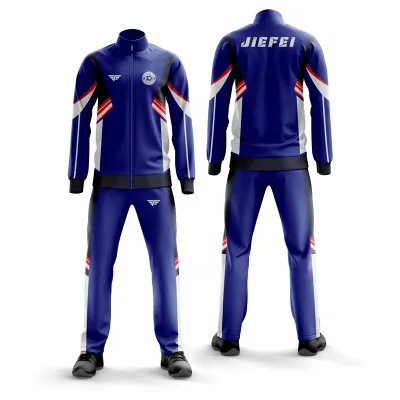
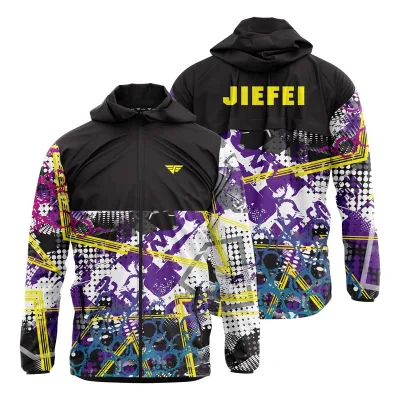
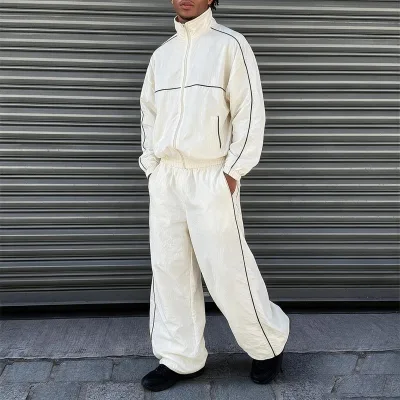


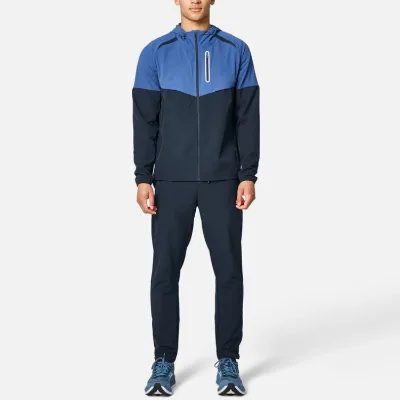
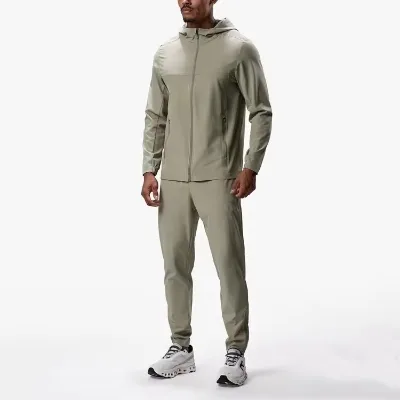
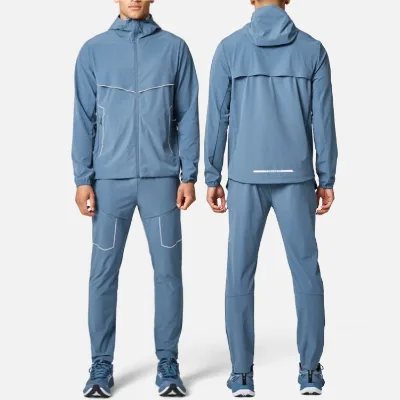
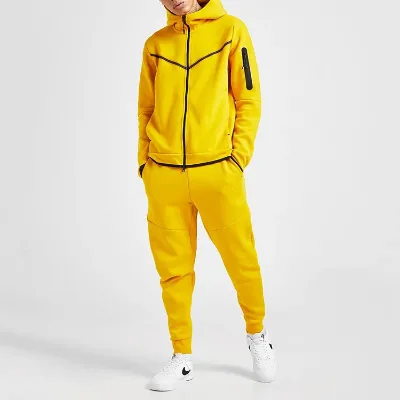
Men's Tracksuit Custom Design Tracksuits Slim Fit Man Jogger Track Suits
$16.84 - $20.19
MOQ: 5 pieces

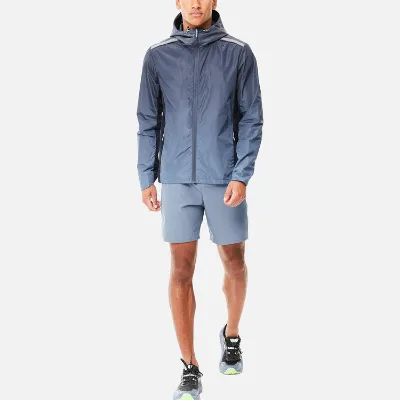
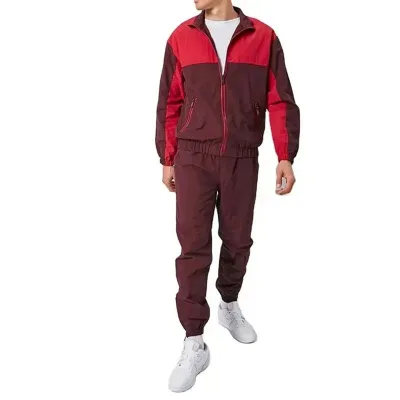


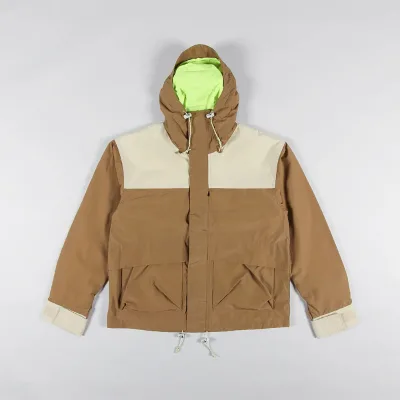

Comprehensive Sourcing Guide
Breathable Windproof Sports Tracksuit Sourcing Guide
Buyers evaluating breathable windproof sports tracksuits must first distinguish between general casual wear and performance-oriented athletic gear. The observed market listings indicate a strong presence of polyester and nylon blends designed for winter seasons, offering lightweight protection against wind while maintaining breathability. These materials are frequently paired with features like quick-drying capabilities and moisture-wicking properties, which are essential for high-intensity activities such as fitness, gym workouts, and yoga.
When sourcing, it is critical to verify that the "breathable" and "windproof" claims align with the specific fabric construction and intended usage. Some listings highlight additional protective features such as anti-UV and anti-static properties, which may be relevant for outdoor training in variable weather conditions. Procurement teams should ensure the selected tracksuits meet the specific environmental demands of their target users, whether for office casual wear or rigorous team uniform requirements, by cross-referencing material composition with functional performance data.
Product Scope and Observed Listing Signals
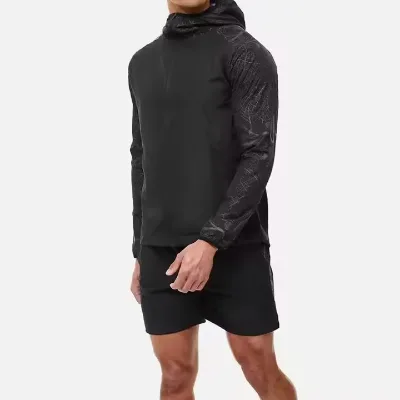
The current market for these tracksuits reveals a diverse range of styles, from full-length suits with drawstring closures to loose-fit designs suitable for unisex audiences. Observed product attributes include specific color options like dark blue, black, gray, and beige, alongside patterned variations that cater to different aesthetic preferences. The supply type is predominantly OEM service, allowing buyers to customize details such as logos, colors, and fabric choices to match their brand identity or team requirements.
Buyers should note that the product scope extends beyond simple athletic wear to include items suitable for daily wear and business casual environments. The observed listings feature various sleeve lengths, including full-length sleeves, and thickness levels described as lightweight, which suggests versatility across different climate conditions. It is important to recognize that while some products offer specific model numbers like JS001 series, the core functionality remains centered on providing comfort and protection during physical activities like dancing or gym sessions.
Technical Specifications to Verify
Technical verification must begin with the material composition, as the observed data indicates a mix of polyester, nylon, and cotton options. Buyers should confirm the exact fabric weight and whether it is customizable, as this directly impacts the garment's durability and thermal regulation. The presence of needle detection in the supply chain suggests a commitment to safety, but procurement teams must also validate the specific stitching techniques, such as printed or 3D embroidery, to ensure they do not compromise the fabric's breathability or windproof integrity.
Further scrutiny is required regarding the closure types and pocket configurations, as these affect the utility of the tracksuit during movement. The observed listings specify side pockets and drawstring closures, which are standard for athletic wear, but buyers must verify the quality of these components under stress. Additionally, the fit type is noted as loose, which is suitable for layering, yet specific sizing charts ranging from S to 3XL must be reviewed to ensure the intended silhouette matches the brand's sizing standards and customer expectations.
Compliance and Safety Documentation
Safety documentation for these garments often includes needle detection protocols, which are explicitly mentioned in several product listings. This feature is critical for ensuring that no metal fragments remain in the finished product, thereby protecting the end-user from injury. Buyers should request proof of this detection process from suppliers, particularly when sourcing for children or sensitive markets, although the observed data primarily targets adult demographics.
Beyond physical safety, compliance with color fastness standards is a key area of verification. One observed listing cites a color fastness rating of 4+ under ISO standards, which indicates a high level of dye stability against washing and light exposure. Procurement teams should verify if this standard applies to all color variants in an order, as inconsistent dye quality can lead to customer returns. Ensuring that the fabric meets these durability benchmarks is essential for maintaining brand reputation and reducing post-sale issues related to fading or bleeding.
Cost Drivers and Commercial Terms
Commercial terms for breathable windproof tracksuits are influenced heavily by customization levels and order volume. The observed MOQ ranges from 2 to 500 units, offering flexibility for small startups while accommodating larger bulk orders. Pricing varies significantly, with observed ranges between 3 and 39.25 USD, driven by factors such as the complexity of the printing methods, the inclusion of 3D embroidery, and the specific fabric blend chosen.
Lead times and sample policies also play a pivotal role in cost planning. The data indicates that 7-day sample order lead times are not supported for some suppliers, which may delay the prototyping phase. Buyers must account for these constraints in their project timelines and negotiate clear terms regarding production schedules. Additionally, packing specifications, such as 12 pieces per dozen or 120 pieces per carton, affect logistics costs and should be factored into the total landed cost calculation before finalizing the purchase agreement.
Supplier Qualification and Quality Control
Supplier qualification requires a thorough review of their manufacturing capabilities and quality control systems. The observed data points to suppliers located in Guangdong and Guangzhou, China, regions known for textile production. Buyers should verify the supplier's ability to handle OEM services, including logo embroidery and fabric matching, to ensure they can meet specific branding needs. The presence of customizable fabric weights and printing methods suggests a flexible production environment, but this flexibility must be managed through strict quality assurance protocols.
Quality control checks should focus on the consistency of the product features, such as the windproof and waterproof claims. Since the listings mention features like quick-drying and moisture-wicking, buyers must request test reports or samples to validate these performance claims. The standard of 0.5KG per piece is noted for some items, but weight consistency across a batch is crucial for maintaining uniformity. Establishing a clear communication channel for defect reporting and resolution is essential to mitigate risks associated with mass production.
Long-Term Procurement Checks
Long-term procurement success depends on maintaining consistent quality and supply chain reliability over time. Buyers should establish regular audits to ensure that the needle detection and color fastness standards remain consistent across production runs. As the market evolves, the demand for specific features like anti-UV or anti-static properties may shift, requiring suppliers to adapt their material sourcing and production techniques accordingly.
Sustainability and ethical labor practices are increasingly important factors in long-term supplier relationships. While the observed data does not explicitly detail these aspects, buyers should proactively inquire about the environmental impact of the polyester and nylon blends used. Building a partnership based on transparent communication and shared quality goals will help mitigate risks related to supply disruptions. Regular performance reviews of the supplier's ability to meet lead times and customization requests will ensure a stable and efficient procurement process for future seasons.
FAQs
What materials are used for these tracksuits?
The tracksuits are crafted from polyester, nylon, or cotton blends to ensure durability and comfort. These materials provide a lightweight feel suitable for winter wear. The fabric weight is customizable to meet specific buyer requirements. This flexibility allows for tailored performance in various fitness and casual settings.
Can I customize the logo and color details?
Yes, customization is available for logo embroidery, color matching, and fabric details. The brand offers OEM service to align with your specific design needs. You can select from various colors including dark blue, black, gray, and beige. This ensures the final product matches your brand identity and style preferences.
What are the available size options for orders?
Sizes range from S to 3XL to accommodate different body types. The standard sizing includes S, M, L, XL, and XXL options. All sizes are available for both men and women due to the unisex fit type. The loose fit design ensures comfort and ease of movement during gym, yoga, or daily activities.
Are the tracksuits suitable for outdoor winter activities?
Yes, the tracksuits are designed for winter use with windproof and breathable features. They also offer waterproof and quick-drying capabilities for outdoor comfort. The lightweight construction ensures mobility without bulk. These features make them ideal for fitness, gym, and casual outdoor wear in colder seasons.
What is the minimum order quantity for these items?
The minimum order quantity ranges from 2 to 500 pieces depending on the specific product model. This flexibility supports both small trial orders and larger bulk purchases. Buyers can choose from various models like JS001-#1673 or tracksuits-genie092. The MOQ varies to accommodate different business scales and customization needs.
Where are these tracksuits manufactured and shipped from?
These tracksuits are manufactured in Guangdong, China, with origins in Guangzhou. The production location ensures access to established textile supply chains. Shipping details are provided per order, with packing typically in polybags or cartons. This location supports efficient production and export logistics for global buyers.