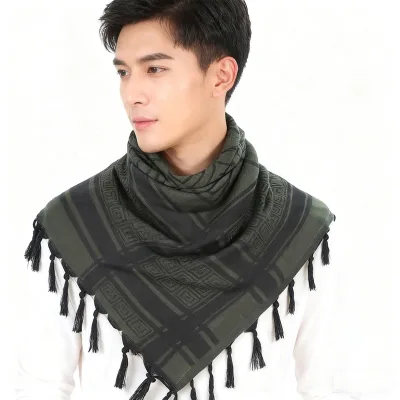
Source Breathable Woven Arabic Shemagh for daily wear, outdoor use, winter wear
Explore 30 listings for Breathable Woven Arabic Shemagh suitable for daily wear, outdoor activities, and winter conditions. Buyers can compare features like fabric weight, pattern types, and customization options across multiple suppliers in Guangdong, China.
Key considerations
Products List
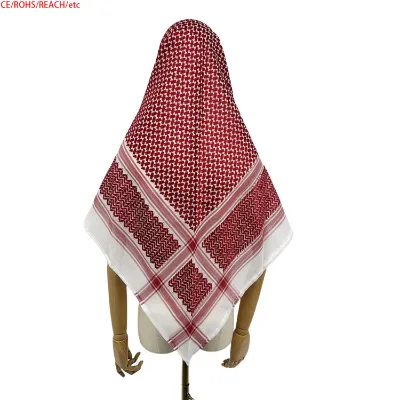


Factory Pattern Popular High Quality Jacquard Muslim Arabic Shemagh Headband
$1.72 - $1.75
MOQ: 5000 Pieces

Wholesale High Quality Shemagh 100% Polyester 55*55 Shemagh Arab Scarf Men
$1.78 - $1.80
MOQ: 5000 Pieces
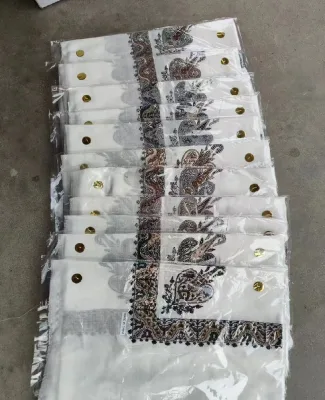
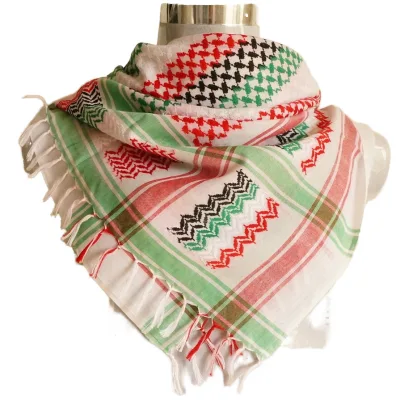
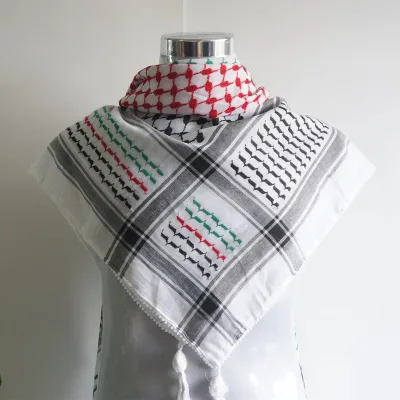
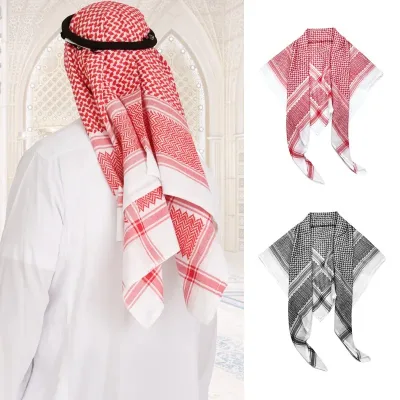
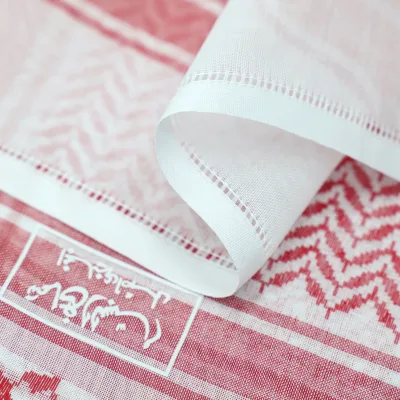


100% Cotton Shemagh Tactical Desert Keffiyeh Neck Head Scarf for Men Women
$2.75 - $3.86
MOQ: 20 Pieces


Comprehensive Sourcing Guide
Strategic Sourcing Guide for Breathable Woven Arabic Shemagh
Understanding Product Specifications and Material Composition
When sourcing Breathable Woven Arabic Shemagh, the primary objective is to identify products that balance traditional aesthetics with modern performance requirements. The core material composition is a critical determinant of the final product's utility. Based on available market data, the fabric composition varies significantly between listings. Some suppliers offer products labeled as "pure cotton," which traditionally offers superior breathability and skin-friendliness, while others specify "100% polyester" or "100% Polytester." The distinction is vital for procurement decisions, as polyester variants often provide durability and color retention, whereas cotton variants excel in moisture absorption.
The fabric weight is another essential specification that directly influences the "breathable" claim. Observed data indicates a fabric weight of approximately 100 grams, which suggests a lightweight construction suitable for daily wear and outdoor activities. However, other market segments list "Medium Weight" or "Heavy Weight" options. For a buyer specifically seeking a breathable shemagh, the lighter weight variants are generally preferred to ensure airflow. The fabric type is frequently identified as "Jersey" or "Jacquard/Weave." A woven jacquard structure allows for complex patterns, such as floral, plaid, or striped designs, which are common in the shemagh category. The standard size for these products is often cited as 140*140 cm or 55"*55", though custom sizes are frequently accepted to meet specific regional or operational needs.
The application of the shemagh extends beyond simple headwear. The product is designed for "daily wear, outdoor wear, and winter wear," indicating versatility across different climates. This versatility is supported by features such as "breathable," "skin-friendly," and "warming" properties. The color palette typically includes Red, White, and Black, with some variations offering mixed designs or yarn-dyed patterns. Understanding these material and dimensional specifications is the first step in filtering the supplier base to ensure the product meets the functional requirements of the intended use case.
Compliance, Certification, and Safety Standards
In the B2B procurement of textile products, particularly those intended for close contact with the skin or for use in specific cultural regions, compliance and certification are non-negotiable. The market data highlights several key certifications that buyers should verify. Products are often listed with "CE/ROHS/REACH" certifications. These standards are crucial for ensuring that the textiles do not contain harmful substances that could pose health risks to the wearer. For instance, REACH compliance ensures that the chemical substances used in the dyeing and finishing processes meet European safety standards, which is a prerequisite for selling in many international markets.
Safety testing is also a prominent feature in the supply chain. A specific attribute noted in the product data is "Needle detection: Yes." This indicates that the manufacturing process includes metal detection protocols to prevent sharp objects from remaining in the finished goods, a critical safety measure for products used by the general public. Furthermore, the product is described as "SKIN-FRIENDLY," which implies that the fabric has undergone testing to minimize the risk of allergic reactions or skin irritation.
Buyers must also consider the ethical and regional compliance aspects. The product is noted to be applicable to "Islam, Middle East, Africa" ethnic regions. This suggests that the sourcing strategy must account for cultural sensitivities and potentially specific religious compliance standards, although explicit religious certifications are not detailed in the provided data. The "OEM & ODM" capabilities of suppliers indicate that customization is possible, but any customizations must adhere to the same safety and material standards as the base product. When evaluating suppliers, procurement teams should request proof of these certifications and verify that the "Needle detection" process is part of the standard quality control protocol before finalizing any order.
Cost Drivers and Pricing Dynamics
The pricing structure for Breathable Woven Arabic Shemagh is influenced by several variables, including material composition, order volume, and customization requirements. The observed price range in the market spans from 1 to 16 USD per unit. This wide range suggests that the final cost is highly dependent on the specific attributes selected by the buyer. For example, a product made of "pure cotton" with custom fabric and specific packaging may command a higher price point compared to a standard "100% polyester" item with basic packaging.
The Minimum Order Quantity (MOQ) is a significant cost driver. The data reveals a diverse MOQ landscape, ranging from "No MOQ" or 10 pieces to 1000 pieces or even 1000 meters per color. For small businesses or those testing the market, suppliers offering low MOQs or no MOQ are advantageous, as they reduce the initial capital outlay. However, larger buyers may benefit from the economies of scale offered by suppliers with higher MOQs, which often result in a lower unit price. The "Selling Units" are typically listed as "Single item," but bulk pricing structures are implied by the varying MOQs.
Additional cost factors include the complexity of the pattern and the finishing processes. Products with "YARN DYED" or "mix design" patterns may incur higher costs due to the intricate weaving techniques required. The "Customized Packing" option, while offering branding opportunities, adds to the overall cost compared to standard "1pc/opp Bag" packaging. Shipping costs also play a role, with options ranging from "DHL\EMS\UPS\FEDEX" for air freight to "by Sea" for large volumes. The availability of "world wide DDP no tax shipping" can simplify the cost structure for the buyer by consolidating logistics and tax liabilities, though this service may be priced at a premium. Buyers must carefully weigh the trade-off between unit price, MOQ flexibility, and logistics costs to optimize their procurement budget.
Typical Applications and Usage Scenarios
The versatility of the Breathable Woven Arabic Shemagh makes it suitable for a wide array of applications. The product is explicitly categorized for "daily wear, outdoor wear, and winter wear," highlighting its adaptability to various environmental conditions. The "Four Seasons" designation confirms that the fabric is engineered to perform well in both hot and cold climates, a critical feature for the Middle East and African markets where temperature fluctuations can be significant.
In terms of specific usage, the shemagh serves as a "Face Scarf" and is identified with the use case "Shemagh." This dual functionality allows it to be used as a head covering, a neck scarf, or a face mask for protection against dust and sun. The "Unisex" gender classification expands the potential market to include both men and women, making it a versatile product for corporate gifts, promotional items, or retail fashion. The "Department Name: all" and "Department Name: Muslim" tags suggest that the product is marketed to a broad audience while maintaining specific relevance to cultural and religious groups.
The application extends to professional and industrial settings as well. The "Needle detection" feature and "Breathable" nature make it suitable for workers in outdoor environments who require headgear that is both safe and comfortable. The "Heavy Weight" and "Medium Weight" variants cater to different needs, with heavier options providing more warmth and protection in colder or harsher conditions. The ability to accept "custom size" and "custom fabric" allows manufacturers to tailor the product for specific uniform requirements or specialized protective gear. Understanding these diverse applications helps buyers position the product effectively in their respective markets, whether for retail, wholesale, or corporate procurement.
Supplier Evaluation and Operational Capabilities
Selecting the right supplier requires a thorough evaluation of their operational capabilities and reliability. The data indicates that the "Place of Origin" is primarily "Guangdong, China," a major hub for textile manufacturing. This location suggests a mature supply chain with access to raw materials and advanced weaving technologies. Suppliers in this region are expected to have experience with international shipping and compliance standards.
Key operational attributes to evaluate include the supplier's ability to handle "OEM & ODM Services." This capability indicates that the supplier can customize the product design, fabric, and branding to meet specific buyer requirements. The "Accept OEM ODM Services" flag is a strong indicator of flexibility and customer-centricity. Additionally, the "Single package size" of 20X20X4 cm and "Single gross weight" of 0.25 kg provide insights into the logistics efficiency of the supplier. These dimensions suggest that the product is compact and lightweight, which can reduce shipping costs and simplify storage.
Payment terms are another critical factor in supplier evaluation. The observed payment methods include "Trade Assurance," "Paypal," "Western Union," and "TT." Trade Assurance is particularly valuable as it offers a layer of protection for the buyer, ensuring that the transaction is secure and that the supplier adheres to agreed-upon terms. The variety of payment options also indicates that the supplier is experienced in handling international transactions and is willing to accommodate different buyer preferences.
When evaluating suppliers, buyers should also consider the "prod_model" numbers and the consistency of their product lines. The presence of multiple model numbers (e.g., MSL073, 2025071402, 2025070801) suggests a diverse product portfolio and a commitment to continuous innovation. However, buyers must verify that the specific model they are interested in meets all the required specifications and certifications. A supplier with a proven track record of delivering high-quality, compliant products is essential for long-term success.
Quality Control and Long-Term Procurement Considerations
Maintaining consistent quality is paramount in the procurement of Breathable Woven Arabic Shemagh. The "Needle detection" feature is a clear indicator of a robust quality control process, ensuring that the final product is free from physical hazards. Buyers should verify that this process is applied consistently across all production batches. Additionally, the "Fabric Weight" and "Material" specifications must be strictly adhered to, as deviations can affect the breathability and durability of the product.
For long-term procurement, buyers should consider the supplier's ability to scale production. The varying MOQs, from 10 pieces to 1000 meters, suggest that suppliers can accommodate both small and large orders. However, for consistent supply, buyers should establish a relationship with a supplier who can guarantee lead times and production capacity. The "Customized Packing" option allows for branding consistency, which is essential for building a strong brand identity over time.
Sustainability and ethical sourcing are increasingly important considerations. While the provided data does not explicitly mention sustainability certifications, the "SKIN-FRIENDLY" and "Breathable" features suggest a focus on user comfort and safety. Buyers should inquire about the environmental impact of the manufacturing process, particularly regarding the use of dyes and finishing chemicals. Ensuring that the supplier adheres to "ROHS" and "REACH" standards is a good starting point for verifying environmental compliance.
Finally, the "Shipping" options, including "DHL\EMS\UPS\FEDEX\by Sea\by Air\world wide DDP no tax shipping," offer flexibility in logistics management. For long-term partnerships, buyers should negotiate favorable shipping terms that balance cost and speed. The ability to offer "world wide DDP no tax shipping" can simplify the import process and reduce administrative burdens. By focusing on these quality control and logistical aspects, buyers can ensure a reliable and sustainable supply chain for their Breathable Woven Arabic Shemagh products.
FAQs
What certifications do Breathable Woven Arabic Shemagh products typically have?
Products typically carry CE, ROHS, and REACH certifications to ensure safety. These standards verify that the textiles do not contain harmful substances. Buyers should verify these documents before ordering to meet international compliance requirements.
Which fabric materials are available for Breathable Woven Arabic Shemagh?
Available materials include pure cotton and 100% polyester variants. Cotton offers superior breathability while polyester provides durability. Suppliers often accept custom fabric requests to meet specific buyer needs for texture and performance.
How does the MOQ vary for Breathable Woven Arabic Shemagh orders?
Minimum order quantities range from 10 pieces to 1000 meters depending on the supplier. Some vendors offer no MOQ for small trials, while others require bulk purchases. Buyers must check specific listings to confirm the exact threshold for their order size.
Can buyers customize the size and pattern of Breathable Woven Arabic Shemagh?
Yes, suppliers accept custom sizes and fabric options for this product. Standard dimensions are often 140*140 cm or 55*55 inches. Pattern types include floral, plaid, and striped designs, with some vendors offering yarn-dyed mix designs upon request.
What safety features are included in Breathable Woven Arabic Shemagh production?
Production includes needle detection to ensure no sharp objects remain in the goods. The fabric is also described as skin-friendly to minimize irritation risks. These quality control steps are essential for products intended for daily and outdoor wear.
Which shipping methods are available for Breathable Woven Arabic Shemagh?
Shipping options include DHL, EMS, UPS, FedEx, sea freight, and air freight. Worldwide DDP shipping with no tax is also available for many suppliers. Buyers can select the method that best fits their urgency and budget constraints.