Find Brewed Rice Vinegar for Cooking, Pickling, and Marinades
Source 30 listings of Brewed Rice Vinegar with varying acidity, packaging, and certifications. Buyers can compare specifications like shelf life, size, and processing methods from verified Chinese manufacturers offering OEM services.
Key considerations
Products List


Vinegar in Glass Bottles OEM Brand Chinese Naturally Brewed White Vinegar
$3.00 - $5.00
MOQ: 500 Boxes

Vinegar in Glass Bottles OEM Brand Chinese Naturally Brewed White Vinegar
$3.00 - $5.00
MOQ: 500 Boxes

Vinegar in Glass Bottles OEM Brand Chinese Naturally Brewed White Vinegar
$3.00 - $5.00
MOQ: 500 Boxes


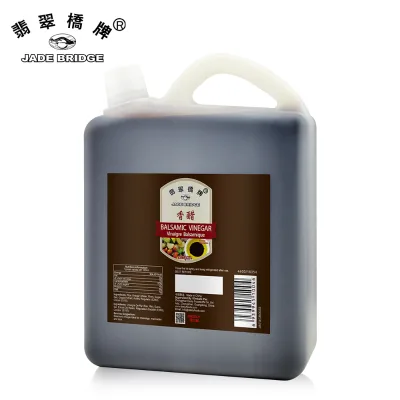
Brc Black Rice Traditional Brewing Naturally Balsamic Natural Fermented Vinegar
$2.46 - $5.41
MOQ: 300 cartons


Comprehensive Sourcing Guide
Strategic Sourcing Guide for Brewed Rice Vinegar
Navigating the global market for Brewed Rice Vinegar requires a disciplined approach that balances traditional production methods with modern supply chain rigor. As a staple condiment in Asian cuisines and a versatile ingredient in Western food processing, this product category presents unique challenges regarding acidity stability, fermentation integrity, and regulatory compliance. Buyers must distinguish between mass-produced industrial variants and artisanal, sun-brewed offerings, as the production process directly dictates the final flavor profile and shelf stability. This guide synthesizes available market data to provide a framework for evaluating suppliers, verifying product specifications, and mitigating procurement risks in the global trade of rice vinegar.
Technical Specifications and Production Attributes
The fundamental identity of Brewed Rice Vinegar is defined by its raw materials and fermentation timeline. Unlike distilled or chemical-acidified vinegars, authentic brewed varieties rely on the natural conversion of starches into sugars and subsequently into alcohol and acetic acid. The supplied market data indicates that the primary material composition includes water, vinegar, sugar, and salt, with some premium variants explicitly listing zero additives. A critical technical differentiator is the acidity level, which serves as a preservative and a flavor marker. Observed market listings show acidity ranging from 3.5% to 5%, a range that buyers must verify against their specific formulation requirements. Lower acidity may be preferred for delicate salad dressings, while higher acidity is often necessary for pickling applications to ensure microbial safety.
The physical form of the product is predominantly liquid, packaged in various configurations to suit different logistics needs. The data highlights a diverse packaging spectrum, including glass bottles, soft barrels, PET bottles, plastic drums, and bulk shipping options. Size specifications vary significantly, with common unit sizes observed at 200ml, 500ml, 1L, and 18L. The 18L container is particularly notable for industrial buyers requiring bulk processing capabilities, while smaller glass bottles cater to retail and food service sectors. The visual characteristics of the vinegar also vary; observed attributes include brown, clear, and black color profiles, corresponding to different rice varieties and aging processes. For instance, black rice vinegar is distinguished by its dark hue and rich, savory taste, whereas clear variants often possess a sharper, sour profile.
Regulatory Compliance and Certification Verification
In the international trade of food ingredients, certification is not merely a marketing asset but a prerequisite for market access. The observed supply chain data reveals a robust landscape of certifications, including HACCP, ISO, Halal, Kosher, FDA, and BRC. These standards indicate that suppliers are adhering to specific food safety management systems and quality control protocols. Buyers should treat these certifications as evidence of a supplier's commitment to hygiene and process control rather than as guarantees of product quality alone. The presence of Halal and Kosher certifications is particularly vital for suppliers targeting Muslim and Jewish markets, respectively, ensuring the product meets religious dietary laws.
Furthermore, the data points to specific compliance standards such as ISO and HACCP, which are essential for suppliers exporting to the European Union and North America. The "Zero Additives," "Non-GMO," and "Vegetarian" attributes observed in certain listings suggest a growing segment of the market catering to health-conscious consumers. However, buyers must exercise caution when interpreting these claims. While some products explicitly state "Non-GMO: Yes" and "Additives: No," others may only imply these qualities through broader certifications. It is imperative to request third-party test reports to verify these claims, as self-declared attributes can vary in reliability. The "Organic" claim, while present in the data, requires specific verification of organic certification bodies, as the term is strictly regulated in many jurisdictions.
Cost Drivers and Pricing Dynamics
The pricing of Brewed Rice Vinegar is influenced by a complex interplay of factors, including production method, packaging, and order volume. The observed price range in the market spans from $0.45 to $20 per unit, a variance that reflects the difference between bulk industrial goods and premium retail products. The lower end of the spectrum typically corresponds to bulk packaging (e.g., 18L drums) or smaller retail units with minimal branding, while the higher end often includes artisanal, sun-brewed varieties with complex flavor profiles and eco-friendly packaging.
Minimum Order Quantity (MOQ) is another significant cost driver, with observed ranges extending from 1 unit to 15,000 units. Suppliers offering low MOQs are often more flexible for startups or small businesses testing the market, whereas high-volume buyers can leverage economies of scale to reduce the per-unit cost. The data indicates that customization is available, which can impact pricing. Custom labeling, specific acidity adjustments, or unique packaging requirements often incur additional costs. Additionally, the origin of the product, primarily identified as China (Mainland), influences logistics costs. Buyers must factor in shipping expenses, which can vary based on the weight and volume of the cargo, especially when importing from bulk containers to glass bottles.
Typical Applications and Flavor Profiles
Brewed Rice Vinegar serves a dual role in the food industry, functioning both as a direct consumer product and as an industrial ingredient. The "Brewage Seasoning" classification highlights its use in enhancing the flavor of various dishes. The observed flavor profiles range from "Sour" to "Rich and Savoury," indicating versatility in culinary applications. Clear, acidic vinegars are ideal for marinades, pickling vegetables, and creating vinaigrettes where a sharp, clean taste is desired. In contrast, black rice vinegar, with its deep color and rich flavor, is traditionally used in dipping sauces, braised dishes, and soups where a mellow, complex acidity is preferred.
The nutritional profile of the product is another key consideration for food manufacturers. Data indicates that many varieties are fat-free (<0.5g) and carbohydrate-free (<0.5g), making them suitable for low-carb and keto-friendly product formulations. The "Fresh" type classification suggests that some products are intended for immediate consumption or short-term storage, while others with a shelf life of 12-23 months or even >=24 months are designed for long-term inventory management. The "Natural Brewing Under Sunshine for 6 Months" process noted in the data implies a slower, more traditional production method that can yield superior flavor complexity compared to accelerated fermentation methods.
Supplier Evaluation and Export Capabilities
When evaluating potential suppliers, buyers should prioritize those with a proven track record in international trade. The data highlights that leading suppliers possess 18 years of exporting experience and have established distribution networks in 50 countries. This level of experience suggests a mature understanding of international logistics, customs regulations, and cultural preferences in different markets. The ability to handle OEM (Original Equipment Manufacturer) and ODM (Original Design Manufacturer) requests is also a critical factor. Suppliers that accept OEM/ODM services offer flexibility for buyers looking to create private label products or customize formulations to meet specific brand requirements.
The production process itself is a key indicator of supplier capability. The distinction between "Brewed" and "Fresh" types, along with specific processes like "Natural Brewing Under Sunshine," should be verified through site audits or detailed process documentation. Suppliers claiming "100% Purity" and "Gluten Free" status must provide supporting documentation, as these claims are subject to strict regulatory scrutiny. The availability of multiple product models, such as S003, A205, and Black Rice Vinegar-06, indicates a supplier's capacity to produce a diverse range of SKUs. Buyers should assess whether the supplier can consistently maintain quality across these different models and ensure that the "Standard" specifications (e.g., 500ml, 18L) are met reliably.
Quality Control and Long-Term Procurement Strategy
Ensuring consistent quality in Brewed Rice Vinegar requires a proactive quality control strategy. The observed shelf life of 12-23 months, with some products lasting >=24 months, underscores the importance of proper storage and packaging integrity. Glass bottles are often preferred for preserving flavor and preventing chemical leaching, while bulk containers require robust sealing to prevent contamination. Buyers should implement a rigorous inspection protocol that includes checking for sediment, verifying acidity levels, and ensuring the color remains consistent with the product description. The "Brown/Clear" color attribute suggests that visual inspection is a necessary step in the quality assurance process.
For long-term procurement, building a relationship with suppliers who offer customization and have a history of stable production is essential. The "Custom" standard mentioned in the data implies that suppliers are willing to adapt to specific buyer needs, which can be advantageous for scaling operations. However, buyers must be wary of over-reliance on a single source. Diversifying the supplier base can mitigate risks associated with supply chain disruptions, such as raw material shortages or logistical delays. Additionally, buyers should regularly review the supplier's certifications and ensure they remain valid, as regulatory requirements can change over time. By maintaining a focus on technical specifications, compliance, and supplier reliability, buyers can secure a steady supply of high-quality Brewed Rice Vinegar that meets both operational and market demands.
FAQs
What certifications do Brewed Rice Vinegar suppliers typically hold?
Suppliers typically hold HACCP, ISO, Halal, Kosher, FDA, and BRC certifications. These standards indicate adherence to food safety management systems and quality control protocols required for international trade and market access.
How is the acidity level of Brewed Rice Vinegar determined?
Acidity levels generally range from 3.5% to 5% depending on the specific product variant. Buyers must verify the exact percentage against their formulation needs, as lower acidity suits dressings while higher levels are better for pickling.
Which packaging options are available for bulk and retail orders?
Available packaging includes glass bottles, PET bottles, soft barrels, plastic drums, and bulk shipping containers. Common unit sizes range from 200ml and 500ml for retail to 18L drums for industrial processing needs.
Can suppliers customize the product specifications for private label brands?
Yes, customization is available for labeling, packaging, and specific formulation requirements. Buyers can request OEM or ODM services to create private label products, though this may impact the final pricing and lead time.
What is the typical shelf life of Brewed Rice Vinegar products?
The shelf life typically ranges from 12 to 23 months, with some premium variants lasting 24 months or longer. Proper storage and packaging integrity are essential to maintain product quality and prevent contamination over time.
Where are the primary manufacturing locations for this product?
The primary manufacturing origin is China (Mainland). Buyers should consider this location when calculating logistics costs and ensuring compliance with import regulations for food ingredients in their target markets.
How does the brewing process affect the final flavor profile?
Natural brewing under sunshine for six months yields a rich, savory taste distinct from accelerated methods. The process creates complex flavor profiles, with clear variants offering a sour taste and black varieties providing a mellow depth.