Source British Standard Grounding Power Plug for Home, Office, and Travel
Find 30 verified options for the British Standard Grounding Power Plug suitable for residential, commercial, and industrial applications. Compare specifications including UK plug standards, CE and BSI certifications, and material details from suppliers in Guangdong and Zhejiang to identify the right fit for your procurement needs.
Key considerations
Products List
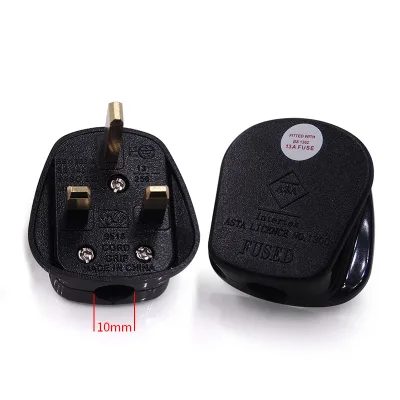
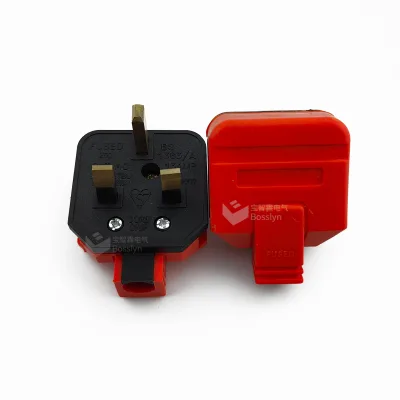
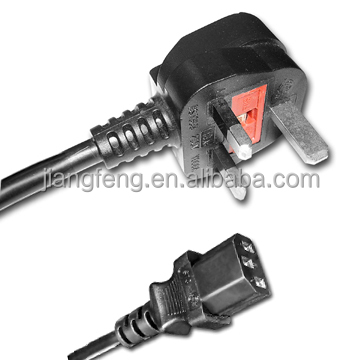


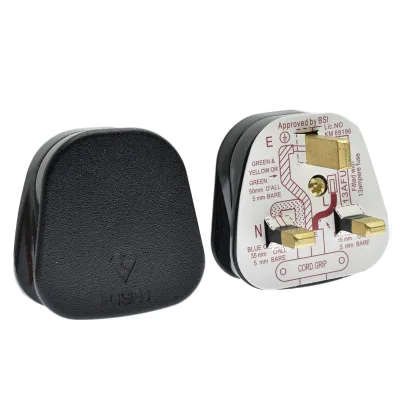


Comprehensive Sourcing Guide
British Standard Grounding Power Plug Sourcing Guide
Procuring British Standard grounding power plugs requires a precise understanding of regional electrical norms and rigorous supplier verification. These components are critical for ensuring safe power distribution in environments ranging from residential homes to industrial facilities. Buyers must prioritize products that adhere strictly to BS 1363 standards, which dictate specific dimensions, pin configurations, and safety features unique to the United Kingdom market. The grounding mechanism is not merely an accessory but a fundamental safety requirement that protects users from electrical shock and equipment damage.
The sourcing landscape for these plugs is diverse, with manufacturers offering various configurations to meet different application needs. Observations indicate that suppliers provide options in multiple colors, including white, black, and orange, allowing for aesthetic integration into diverse interior designs. Furthermore, the availability of customized lengths and specific current ratings enables buyers to tailor solutions for specialized industrial or commercial applications. Understanding these variations is essential for selecting the right product that balances functionality, safety, and visual compatibility with the end-user environment.
Product Scope and Observed Listing Signals
The market for British Standard grounding power plugs exhibits a wide range of product attributes and commercial signals. Listings frequently highlight certifications such as CE and BSI, which serve as initial indicators of compliance with European and British safety norms. Additionally, some products display CCC certification, suggesting a broader market reach that includes China. Buyers should carefully review these certification claims to ensure they align with the specific regulatory requirements of their target market, as certifications can vary significantly between suppliers and product lines.
Observed product specifications reveal a strong emphasis on material quality and electrical performance. Common materials include ABS for the housing, brass for contacts, and copper for conductors, all of which contribute to durability and efficient power transmission. The rated voltage is typically specified as 250V, with current ratings ranging from 3A to 13A, catering to both low-power and high-power devices. These technical details are crucial for buyers to verify against their specific load requirements, ensuring that the selected plugs can handle the intended electrical load without overheating or failure.
Technical Specifications to Verify
Verifying technical specifications is paramount to ensuring the compatibility and safety of British Standard grounding power plugs. Key attributes to confirm include the plug standard, which should explicitly state BS 1363 or BS 1363A compliance. The grounding type must be identified as standard grounding, ensuring a reliable earth connection. Additionally, buyers should check the terminal screw material, with stainless steel or zinc-plated options being preferred for corrosion resistance and secure electrical contact. These details directly impact the longevity and safety performance of the plug in real-world applications.
Electrical ratings and physical dimensions are equally critical verification points. The rated current should match the application’s needs, with options available for 3A, 5A, 10A, and 13A. The voltage rating is typically 250V, but this must be confirmed for each specific product. Physical attributes such as the single package size and gross weight provide insights into logistics and handling requirements. For instance, a single item might weigh around 0.044 kg, while batch packaging details can affect shipping costs and storage efficiency. Buyers must ensure these specifications align with their operational and logistical constraints.
Compliance and Safety Documentation
Compliance with safety standards is non-negotiable when sourcing British Standard grounding power plugs. Buyers must request and verify documentation for relevant certifications, such as CE, BSI, and CCC, depending on the destination market. These certifications indicate that the products have undergone rigorous testing for electrical safety, mechanical integrity, and material compatibility. It is essential to ensure that the certification documents are current and issued by recognized bodies, as outdated or invalid certifications can pose significant legal and safety risks.
Beyond certifications, buyers should inquire about the testing procedures and quality control measures implemented by the supplier. Documentation should include test reports for dielectric strength, insulation resistance, and temperature rise under load. These tests validate the plug’s ability to operate safely under various conditions. Additionally, buyers should verify that the manufacturer adheres to consistent quality control processes, such as ISO standards, to ensure that every unit meets the specified safety and performance criteria. This due diligence helps mitigate the risk of product failures and potential liability issues.
Cost Drivers and Commercial Terms
Several factors influence the cost of British Standard grounding power plugs, including material quality, certification status, and order volume. High-quality materials like brass contacts and ABS housings contribute to higher unit costs but offer better durability and safety. Certifications such as BSI and CE also add to the cost due to the rigorous testing and compliance processes involved. Buyers should consider the total cost of ownership, which includes not only the purchase price but also potential costs related to maintenance, replacement, and liability.
Commercial terms such as MOQ, lead time, and payment conditions significantly impact the procurement process. Observed MOQs range from 1 to 10,000 units, offering flexibility for both small and large orders. Lead times can vary based on production capacity and customization requirements, so buyers should confirm these details early in the sourcing process. Payment terms, such as T/T or L/C, should be negotiated to align with the buyer’s cash flow and risk management strategies. Understanding these commercial dynamics helps buyers optimize their procurement strategy and manage costs effectively.
Supplier Qualification and Quality Control
Supplier qualification is a critical step in ensuring the reliability and quality of British Standard grounding power plugs. Buyers should assess the supplier’s manufacturing capabilities, including their production capacity, quality control systems, and experience in the electrical components industry. Suppliers with a proven track record of producing certified products are more likely to deliver consistent quality. Additionally, buyers should verify the supplier’s ability to provide customization options, such as specific colors, lengths, and current ratings, to meet unique project requirements.
Quality control measures implemented by the supplier are equally important. Buyers should inquire about the supplier’s inspection processes, including incoming material inspections, in-process checks, and final product testing. Suppliers that adhere to strict quality standards, such as ISO certifications, are more likely to produce reliable products. Buyers may also consider conducting third-party inspections or audits to verify the supplier’s quality control practices. This proactive approach helps ensure that the purchased plugs meet the required safety and performance standards, reducing the risk of defects and failures.
Long-Term Procurement Checks
Long-term procurement success depends on continuous monitoring and evaluation of supplier performance and product quality. Buyers should establish key performance indicators (KPIs) to track metrics such as delivery times, defect rates, and customer satisfaction. Regular reviews of these metrics help identify potential issues early and allow for corrective actions. Additionally, buyers should maintain open communication with suppliers to address any concerns or changes in requirements promptly. This collaborative approach fosters a strong partnership and ensures that the supplier remains aligned with the buyer’s needs.
Market trends and regulatory changes can also impact the procurement of British Standard grounding power plugs. Buyers should stay informed about updates to safety standards, such as BS 1363, and adjust their sourcing strategies accordingly. Additionally, monitoring market prices and availability of raw materials can help buyers anticipate cost fluctuations and plan their procurement activities effectively. By staying proactive and adaptable, buyers can mitigate risks and ensure a stable supply of high-quality British Standard grounding power plugs for their operations.
FAQs
What certifications are available for british standard grounding power plugs?
Certifications such as CE, BSI, CCC, and ISO are available for these products. Buyers should verify specific compliance requirements for their target markets. The grounding feature ensures safety standards are met. Always confirm the exact certification documents with the supplier before placing an order to ensure regulatory adherence.
Can I customize the length of the power cord?
Yes, customization is available for cord lengths, such as 1.8m or 2.0m. This allows buyers to meet specific installation needs. The product supports various ratings including 3A, 10A, and 13A. Contact the manufacturer directly to discuss custom specifications and ensure the final product matches your technical requirements.
What materials are used in the construction of these plugs?
The plugs typically use ABS or Polypropylene for the insulating materials. The contacts are made of brass for conductivity, and terminal screws are stainless steel or zinc-plated. The sheath material is often PVC. These materials ensure durability and safety. Buyers should check the specific material composition for each model to match their application needs.
What is the typical MOQ for ordering these plugs?
The MOQ ranges from 1 to 10,000 units depending on the supplier. Some vendors offer selling units as single items or multiples of 100. Buyers can often negotiate MOQs for custom orders. It is advisable to check the specific supplier's policy to determine the minimum order quantity that fits your budget and inventory requirements.
Where are these power plugs typically manufactured?
These products are primarily manufactured in Guangdong and Zhejiang, China. These regions are known for their electronics manufacturing capabilities. Buyers can expect efficient supply chains from these locations. The port of dispatch is often Ningbo or Shanghai. Verify the exact place of origin with the supplier to understand logistics and shipping implications.
What is the rated voltage and current for these plugs?
The rated voltage is typically 250V, with current ratings of 3A, 5A, 10A, or 13A. This ensures compatibility with standard UK electrical systems. The grounding feature provides additional safety. Buyers should select the appropriate rating based on their device's power consumption to ensure safe and efficient operation without overloading the circuit.