Source SJT Oxygen-Free Copper Power Cord for Industrial, Construction, Overhead
Find 30 listings for SJT Oxygen-Free Copper Power Cord with flexible stranded copper conductors and PVC or rubber insulation. Buyers can compare models like SJT, SJTW, and SOOW for industrial, construction, and overhead applications with various voltage ratings; compare the available evidence and request quotations based on your requirements.
Key considerations
Products List

18AWG-2AWG Rubber Sj Sjoow Cable Copper Wire Electric Power Sjo So Cord
$0.50 - $10.00
MOQ: 2000 Meters

Multi-Core CPE 18AWG-2AWG Cable Sjo Copper Wire Electric Power Sj Cord Sjoow
$0.50 - $10.00
MOQ: 2000 Meters


UL-Listed Sjt Cable for Indoor-Use Extension Cords and Appliance Replacement
$0.10 - $5.00
MOQ: 1000 Meters

Non-Weatherproof Sjt Cable for Protected Temporary Power in Dry Locations
$0.10 - $5.00
MOQ: 1000 Meters


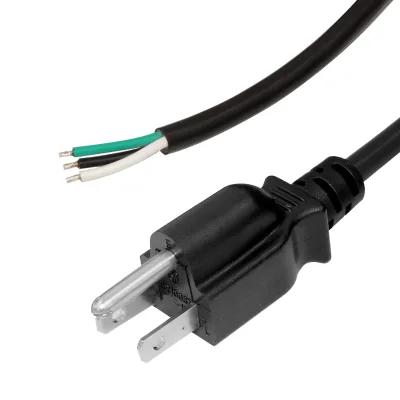
UL Certified 12A 125V NEMA 1-15p Plug Sjt Sjtw Cable 17AWG/2c AC Power Cord
$0.75 - $3.00
MOQ: 1000 Pieces


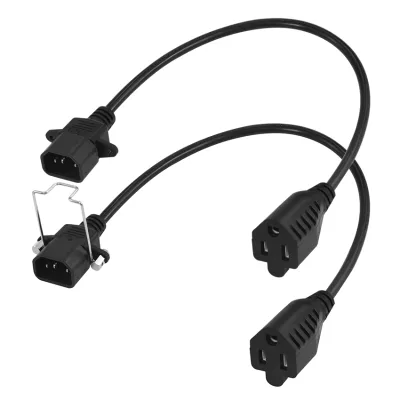
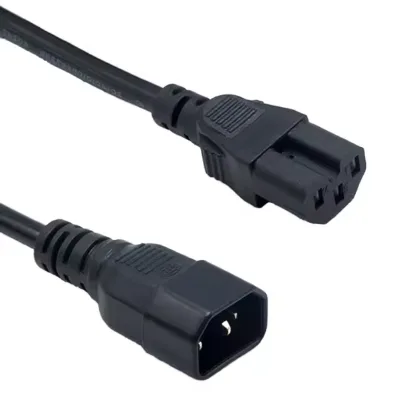
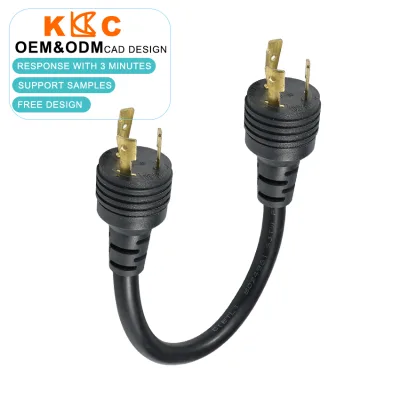
Industrial Medical Power Cord Cable Nema L7-15P 15 Amp 277 Volt SJTW Wire
$6.05 - $6.09
MOQ: 500 pieces
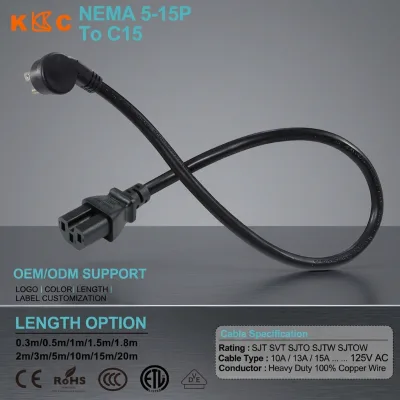
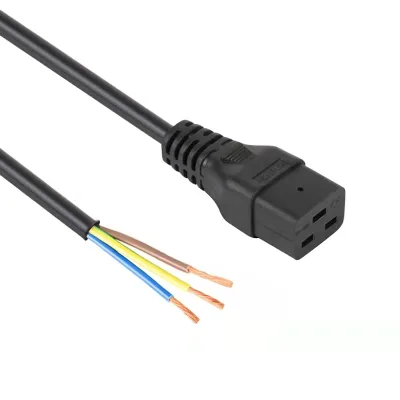

Comprehensive Sourcing Guide
SJT Oxygen-Free Copper Power Cord Sourcing Guide
Procuring SJT oxygen-free copper power cords requires a nuanced understanding of flexible cable construction and its specific industrial applications. These cords are typically designed for light to medium-duty use, featuring a thermoplastic insulation and jacket that provide durability against abrasion and moisture. The core conductor is often stranded copper, which offers the necessary flexibility for frequent movement and bending in dynamic environments. Buyers must distinguish between standard copper and oxygen-free variants, as the latter ensures higher conductivity and reduced oxidation over time, which is critical for maintaining signal integrity and power efficiency in sensitive equipment.
The market landscape for these cables is diverse, with suppliers offering various configurations to meet specific voltage and current requirements. Listings often indicate compatibility with both AC and DC applications, making them versatile for construction, heating, and overhead uses. However, the term "oxygen-free" is not universally standardized across all supplier listings, so verification of the actual copper purity and annealing process is essential. Procurement teams should focus on suppliers who provide transparent material specifications, ensuring that the copper strands are tightly stranded to prevent breakage during installation and use, thereby extending the operational lifespan of the power cord in demanding settings.
Product Scope and Observed Listing Signals
Market observations reveal a wide price range, typically spanning from $0.05 to $599 per unit, reflecting variations in gauge, length, and certification levels. The minimum order quantity (MOQ) varies significantly, starting from just one piece for samples up to 2000 units for bulk industrial orders. This flexibility allows buyers to test quality before committing to large volumes, which is a crucial step in mitigating supply chain risks. The presence of free samples in many listings indicates a competitive market where suppliers are eager to demonstrate product quality, allowing procurement teams to physically inspect the insulation thickness, jacket flexibility, and conductor stranding before finalizing contracts.
Listing attributes frequently highlight customization options, including color, printing methods such as laser or ink printing, and specific packaging like wooden drums or rolls. These features are vital for branding and logistics efficiency, especially when integrating the cables into larger industrial assemblies. The observed product models, such as SJT, SJOOW, and SOOW, suggest a range of temperature ratings and environmental resistances. Buyers should note that while some listings claim broad applications like underground or refractory use, the specific SJT type is generally suited for indoor or protected outdoor environments, requiring careful alignment of product claims with actual site conditions to avoid premature failure.
Technical Specifications to Verify
Verifying the conductor type is paramount, as listings often specify stranded flexible copper, which is essential for applications requiring frequent movement. The gauge range observed, from 18 AWG down to 2 AWG or even 6 AWG, dictates the current-carrying capacity and voltage drop characteristics. Buyers must confirm the exact AWG size for their specific load requirements, as undersized conductors can lead to overheating and safety hazards. Additionally, the insulation material is typically rubber or PVC, with operating temperatures ranging from 90°C to 105°C. Understanding these thermal limits is critical for ensuring the cable can withstand the heat generated by the connected equipment without degrading the insulation integrity.
The number of strands and the overall construction of the cable also play a significant role in its performance and durability. Listings may specify 16 strands or other configurations, which affect the cable's flexibility and resistance to fatigue. It is important to verify whether the cable is single-core or multi-core, as this impacts the complexity of the termination and connection process. Furthermore, the sheath material, often PVC, provides protection against environmental factors, but buyers should check for specific ratings like oil resistance or sunlight stability if the cable will be used in harsh conditions. Confirming these technical details ensures that the selected cable meets the mechanical and electrical demands of the intended application.
Compliance and Safety Documentation
Safety certifications are a non-negotiable aspect of sourcing power cords, with UL and cUL marks being prominently featured in many listings. These certifications indicate that the cable has been tested and meets specific safety standards for use in North America. Buyers should request valid certification reports to verify that the specific model and batch comply with current regulations. The presence of CE and ISO certifications suggests adherence to European and international quality management standards, which is beneficial for global supply chains. However, it is crucial to distinguish between general company certifications and product-specific approvals, as the latter directly impact the legal compliance of the installed equipment.
Other certifications like VDE, CCC, and RoHS may also be present, indicating compliance with German, Chinese, and environmental restriction standards, respectively. RoHS compliance is particularly important for electronics manufacturers aiming to reduce hazardous substances in their products. Buyers must ensure that the documentation provided is up-to-date and covers the exact product specifications being ordered. Additionally, third-party inspection acceptance is a positive signal, allowing for independent verification of quality before shipment. This step can prevent costly disputes and ensure that the delivered goods match the agreed-upon standards, providing an extra layer of security for the procurement process.
Cost Drivers and Commercial Terms
The cost of SJT oxygen-free copper power cords is heavily influenced by the fluctuating price of copper, which is the primary raw material. Buyers should be aware that prices can vary significantly based on global market trends, so locking in prices through long-term contracts may be advisable during periods of high volatility. The gauge of the cable also plays a major role, with thicker conductors (lower AWG numbers) commanding higher prices due to the increased material usage. Additionally, certifications and specialized features like oxygen-free copper or specific temperature ratings can add to the cost, so buyers should balance these requirements against their budget constraints to optimize value.
Commercial terms such as MOQ, lead times, and payment conditions are critical factors in the total cost of ownership. While some suppliers offer low MOQs for testing, bulk orders may require higher volumes to achieve favorable pricing. Lead times can vary based on production capacity and inventory levels, so it is essential to align procurement schedules with project timelines to avoid delays. Packaging options, such as wooden drums or pallets, can also impact shipping costs and handling requirements. Buyers should negotiate clear terms regarding these variables to ensure transparency and avoid unexpected expenses during the procurement process.
Supplier Qualification and Quality Control
Evaluating supplier qualifications is essential to ensure consistent quality and reliable delivery. Buyers should verify the supplier's manufacturing capabilities, including their production lines and quality control processes. Suppliers who offer OEM services and customization options often have more flexible and robust production systems, which can be beneficial for specialized requirements. Additionally, checking the supplier's history and reputation in the industry can provide insights into their reliability and commitment to quality. It is advisable to request references or case studies from previous clients to validate the supplier's performance and customer satisfaction levels.
Quality control measures, such as third-party inspections and sample testing, are vital for maintaining product standards. Buyers should insist on pre-shipment inspections to verify that the cables meet the specified technical and safety requirements. The acceptance of third-party inspections is a positive indicator, as it demonstrates the supplier's confidence in their product quality. Furthermore, establishing clear communication channels with the supplier can facilitate quick resolution of any issues that may arise during production or delivery. By prioritizing suppliers with strong quality control practices, buyers can minimize the risk of receiving defective products and ensure the integrity of their supply chain.
Long-Term Procurement Checks
Establishing long-term procurement checks is crucial for maintaining supply chain stability and product quality over time. Regular audits of supplier performance, including delivery times, product consistency, and responsiveness to issues, help identify potential problems early. Buyers should also monitor market trends and raw material prices to anticipate cost fluctuations and adjust procurement strategies accordingly. Building a diversified supplier base can mitigate risks associated with single-source dependencies, ensuring continuity of supply even if one supplier faces disruptions. This proactive approach helps in maintaining operational efficiency and cost-effectiveness in the long run.
Continuous improvement in procurement processes, such as implementing advanced tracking systems and enhancing communication with suppliers, can further optimize the sourcing strategy. Buyers should also stay informed about changes in industry standards and regulations that may impact product requirements. By fostering strong relationships with suppliers and maintaining open lines of communication, buyers can collaborate on innovation and quality enhancements. This collaborative approach not only improves product quality but also strengthens the partnership, leading to better terms and support in the future. Ultimately, a disciplined and adaptive procurement strategy ensures sustained success in sourcing SJT oxygen-free copper power cords.
FAQs
What certifications do the SJT cables hold?
The SJT cables hold multiple certifications including UL, cUL, MSHA, CE, ISO, RoHS, VDE, and CCC. These certifications ensure compliance with international safety and quality standards for industrial applications involving low and medium voltage cables.
Which insulation materials are used for these cables?
The cables utilize rubber and PVC as primary insulation materials. This combination provides flexibility and durability, making them suitable for various applications such as overhead, underground, and heating uses in industrial settings.
Can I request custom colors for the cable sheath?
Yes, customization is available for the cable sheath color. Buyers can specify their preferred color, and the manufacturer offers options like black or other customer-specified colors to meet unique project requirements.
What is the standard wire gauge range for these products?
The standard wire gauge ranges from 18 AWG to 2 AWG, with some models covering 20 AWG up to 6 AWG. This wide range supports diverse current requirements for both DC and AC applications in industrial environments.
How are the cables packaged for shipping?
Cables are packaged in wooden drums, rolls, cartons, or wooden box packing containers. This robust packaging ensures safe transport and protection of the flexible copper conductors during international shipping from the origin in China.
What is the maximum operating temperature for these cables?
The maximum operating temperature reaches up to 105 degrees Celsius for certain models, while others are rated at 90 degrees Celsius. This thermal rating ensures safe operation under various industrial load conditions and environmental factors.
Are samples available for testing before bulk orders?
Free samples are available for buyers to test product quality before committing to bulk orders. This allows clients to verify specifications like conductor type, insulation material, and certification compliance prior to finalizing their procurement decisions.