Source Cloverleaf Connector C6 Power Cord for Home, Industry, and Office
Find 30 verified options for the Cloverleaf Connector C6 Power Cord tailored for home appliances, industrial machinery, and computer setups. Buyers can compare specifications like voltage ratings, insulation materials, and certifications to select the right cable for their needs; compare the available evidence and request quotations based on your requirements.
Key considerations
Products List


China CCC Approval AC Power Cord Cable 10A High Temperature C15 Connector
$1.00 - $2.00
MOQ: 1000 Pieces


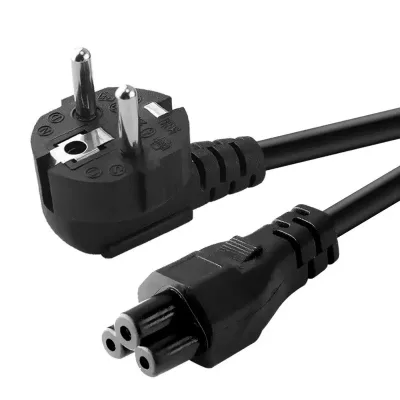


Comprehensive Sourcing Guide
Cloverleaf Connector C6 Power Cord Sourcing Guide
Sourcing a Cloverleaf Connector C6 Power Cord requires careful attention to the specific electrical and mechanical characteristics that define this component. The cloverleaf design typically refers to a compact, multi-pin configuration often used in specialized industrial or high-density computing environments where space is at a premium. Buyers must distinguish between standard IEC C6 connectors and proprietary or regional variations that may share similar physical footprints but differ in pinout and voltage ratings. Understanding the exact application context is the first step in ensuring compatibility with the mating device, whether it is a server rack, medical equipment, or specialized industrial machinery.
The procurement process for these cords involves verifying the conductor material, insulation type, and overall build quality to ensure durability under continuous use. Observed market data indicates a wide range of product models, from simple AC power cords to more complex assemblies with specific fuse ratings and plug types. Buyers should focus on suppliers who provide clear technical documentation and offer customization options, as off-the-shelf solutions may not meet the precise dimensional or electrical requirements of unique hardware setups. This guide outlines the critical factors to consider when evaluating suppliers and products for this niche but essential category of power distribution components.
Product Scope and Observed Listing Signals
The observed product listings reveal a diverse array of power cord configurations, including round and flat wire shapes, with insulation materials predominantly made from PVC. These variations suggest that the market offers solutions for different environmental conditions, such as flexible round wires for general use and flat wires for space-constrained installations. The presence of models with specific ratings, such as 13A or 10A, and voltage ratings up to 250V, indicates that buyers can find components suitable for both low and medium voltage applications. It is crucial to match the cord’s rated current and voltage to the device’s requirements to prevent overheating or electrical failure.
Listing signals also highlight the importance of plug type and gender, with options ranging from US plugs to other regional standards. Some products are described as waterproof or designed for specific applications like home appliances, construction, or telecommunications. The variety in packaging, from PE bags to wooden boxes, reflects different logistical needs and order volumes. Buyers should pay close attention to these details to ensure that the selected power cord not only fits physically but also meets the operational and safety standards of the intended end-use environment.
Technical Specifications to Verify
When evaluating technical specifications, the conductor material is a primary factor, with copper being the standard for efficient power transmission. Buyers should verify whether the core is bare copper or red copper, as this can impact conductivity and corrosion resistance. The cross-sectional area of the conductor, such as 3G0.10mm2, determines the current-carrying capacity and must be sufficient for the load. Additionally, the insulation material, typically PVC, should be checked for thickness and durability to ensure it can withstand the mechanical stresses of installation and daily use without degrading.
Other critical specifications include the length of the cord, which can range from short segments to longer runs, and the presence of additional components like fuses. Some listings mention specific models with integrated fuses rated at 13A, which provide overcurrent protection for sensitive equipment. Buyers must also confirm the plug type and pin configuration, ensuring compatibility with the power source and the device. Verifying these details against the device’s manual or technical datasheet is essential to avoid mismatches that could lead to performance issues or safety hazards.
Compliance and Safety Documentation
Compliance with international and regional safety standards is non-negotiable for power cords, as they directly interface with mains electricity. Buyers should request documentation for certifications such as CCC, CE, ISO, RoHS, and VDE, which indicate that the product has undergone rigorous testing for electrical safety, environmental impact, and quality management. These certifications provide assurance that the manufacturer adheres to recognized best practices and that the product is safe for use in various markets. It is important to verify that the certifications are current and applicable to the specific product model being purchased.
In addition to certifications, buyers should inquire about the testing procedures used to validate the product’s performance. This includes dielectric strength tests, insulation resistance measurements, and mechanical durability assessments. Suppliers who provide detailed test reports or certificates of conformity offer greater transparency and reduce the risk of receiving non-compliant goods. Buyers should also check for any region-specific requirements, such as SAA certification for Australia or specific standards for the US market, to ensure global compliance and ease of customs clearance.
Cost Drivers and Commercial Terms
The cost of a Cloverleaf Connector C6 Power Cord is influenced by several factors, including the material quality, certification level, and order volume. Copper prices fluctuate, directly impacting the cost of the conductor, while PVC insulation and packaging materials also contribute to the final price. Buyers should expect a range of prices depending on the complexity of the design and the level of customization required. High-volume orders may benefit from economies of scale, but buyers must balance cost savings with the need for quality assurance and reliable supply.
Commercial terms such as MOQ (Minimum Order Quantity) and lead times are critical for planning procurement cycles. Observed MOQs can vary significantly, from small quantities for prototyping to large batches for mass production. Buyers should negotiate terms that align with their inventory management strategy, considering factors like storage capacity and cash flow. Additionally, packaging options, from standard export cartons to custom wooden boxes, can affect shipping costs and handling requirements. Clear communication of these terms with suppliers helps avoid unexpected expenses and ensures smooth logistics.
Supplier Qualification and Quality Control
Selecting a qualified supplier is essential for ensuring the reliability and consistency of the power cords. Buyers should assess the supplier’s manufacturing capabilities, including their production capacity, quality control processes, and experience in the power cord industry. Suppliers with established quality management systems, such as ISO certification, are more likely to deliver products that meet specified standards consistently. It is also important to verify the supplier’s ability to provide customization, as this may be necessary for specific application requirements.
Quality control measures should include incoming material inspections, in-process checks, and final product testing. Buyers should request samples for evaluation before placing large orders to verify the product’s physical and electrical characteristics. Establishing a clear communication channel with the supplier for addressing any issues or discrepancies is crucial for maintaining a productive relationship. Regular audits or third-party inspections may be warranted for high-volume or critical applications to ensure ongoing compliance with quality standards.
Long-Term Procurement Checks
Long-term procurement success depends on continuous monitoring of supplier performance and product quality. Buyers should establish key performance indicators (KPIs) such as on-time delivery, defect rates, and responsiveness to issues. Regular reviews of these metrics help identify potential problems early and allow for corrective actions. Maintaining a diversified supplier base can also mitigate risks associated with supply chain disruptions or quality failures. Building strong relationships with reliable suppliers fosters trust and facilitates smoother transactions over time.
Additionally, buyers should stay informed about changes in regulations, standards, and market trends that may affect the procurement of power cords. This includes updates to safety certifications, environmental regulations, and technological advancements in connector design. Periodic re-evaluation of product specifications ensures that the sourced components remain suitable for evolving application needs. By proactively managing these aspects, buyers can ensure a stable and efficient supply chain for their Cloverleaf Connector C6 Power Cord requirements.
FAQs
What certifications are available for Cloverleaf Connector C6 Power Cord?
Available certifications include CCC, CE, ISO, RoHS, and VDE. These standards ensure compliance with international safety and environmental regulations. Buyers can select specific certifications based on their target market requirements. Customization is also available to meet unique regulatory needs. Always verify the specific certification documentation provided by the supplier before finalizing orders.
Can I customize the Cloverleaf Connector C6 Power Cord specifications?
Yes, customization is available for various product attributes. Buyers can request specific lengths, colors, or packaging options. The wire core material is typically bare copper or red copper. Insulation material is usually PVC for durability. Contact suppliers directly to discuss custom requirements and confirm feasibility for your specific application needs.
What is the typical voltage rating for these power cords?
The rated voltage is typically 250V or 125V depending on the model. These cords support low and medium voltage applications. They are suitable for home appliances, industrial equipment, and computer systems. Ensure the voltage rating matches your device requirements. Always check the product specifications to confirm the exact voltage rating for your specific order.
Which materials are used in the Cloverleaf Connector C6 Power Cord?
The conductor material is copper, often bare or red copper wire. The insulation material is PVC for safety and flexibility. The wire shape can be round or flat depending on the model. These materials ensure reliable electrical conductivity and durability. Verify the specific material composition with the supplier to ensure it meets your quality and safety standards.
What is the minimum order quantity for these power cords?
The minimum order quantity ranges from 1 to 2000 units. This flexibility allows buyers to test samples or place bulk orders. Suppliers may offer different pricing tiers based on volume. Check with individual suppliers for their specific MOQ policies. Bulk orders often provide better pricing and shipping efficiency for large-scale procurement needs.
Where are these power cords typically manufactured?
These power cords are typically manufactured in Ningbo, China. This region is known for its robust manufacturing infrastructure. Suppliers in this area often have experience with international standards. Buyers can verify the origin and production capabilities of each supplier. Ensure the manufacturing location aligns with your sourcing strategy and quality expectations.