Source Oxygen-Free Copper US Power Plug for Computers, Power Supplies, and Adapters
Find reliable Oxygen-Free Copper US Power Plug options for computer accessories, power supply units, and adapter shells. Compare 30 listings featuring pure copper bodies, PVC sheaths, and various certifications to identify suitable components for your manufacturing needs; compare the available evidence and request quotations based on your requirements.
Key considerations
Products List


110V 220V American Standard 3 Pin Prong Plug USA Power Cord Us Plug AC Power Plug
$0.10 - $0.50
MOQ: 5000 Pieces

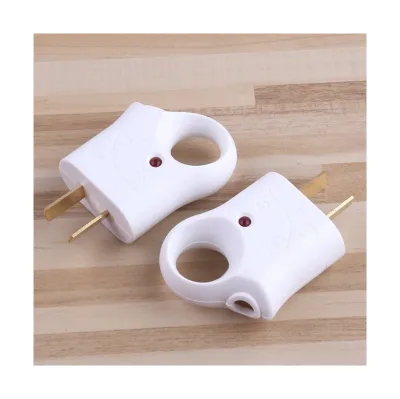


Comprehensive Sourcing Guide
Oxygen-Free Copper US Power Plug Sourcing Guide
Procuring high-quality US power plugs requires a disciplined approach to material verification and electrical safety compliance. Buyers must prioritize components constructed with oxygen-free copper conductors to ensure optimal conductivity and thermal stability. This specific material choice minimizes resistance and prevents overheating during sustained high-current operations, which is critical for reliable power delivery in both residential and industrial settings. The distinction between standard copper and oxygen-free variants often dictates the longevity and safety profile of the final assembly, making material certification a non-negotiable starting point for any serious sourcing initiative.
Beyond the conductor material, the structural integrity of the plug housing and contact points plays a pivotal role in overall performance. Sourcing guides indicate that shells may be fabricated from durable plastics, aluminum, or even carbon fiber composites, each offering distinct advantages in terms of weight, heat dissipation, and mechanical resilience. Buyers should evaluate these material options against their specific application requirements, ensuring that the chosen housing material complements the conductive properties of the copper core. This holistic view of component materials ensures that the final product meets both functional demands and aesthetic expectations without compromising safety standards.
Product Scope and Observed Listing Signals
The current market landscape for US power plugs reveals a diverse array of product configurations, ranging from simple AC adapters to complex multi-functional charging solutions. Observed listings frequently highlight customization options, allowing buyers to tailor color boxes, white boxes, or specific packaging formats to their brand identity. This flexibility extends to the physical design, with products available in various shapes and interface types, including AC/DC combinations. Understanding these variations is essential for aligning procurement strategies with end-user needs, whether the target application involves computer peripherals, general power supply units, or specialized industrial equipment.
Price and minimum order quantity (MOQ) ranges vary significantly across suppliers, reflecting differences in material quality, certification levels, and production volumes. Buyers should anticipate a wide spectrum of pricing structures, often influenced by the complexity of the plug design and the volume of the order. While some suppliers offer low MOQs for prototyping or small-batch production, others may require substantial volumes to achieve competitive unit costs. It is crucial to analyze these commercial signals in conjunction with product specifications to determine the most cost-effective sourcing strategy, ensuring that budget constraints do not inadvertently compromise on essential safety or performance attributes.
Technical Specifications to Verify
Verifying technical specifications is paramount when sourcing US power plugs, particularly regarding voltage and current ratings. Buyers must confirm that the rated voltage and current align with the intended application, ensuring that the plug can safely handle the electrical load without risk of failure. Common specifications include ratings such as 250V and 10A, which are typical for many standard US power applications. However, it is essential to validate these ratings against the specific requirements of the connected devices, as exceeding these limits can lead to overheating, insulation breakdown, or even fire hazards.
The interface type and plug configuration are other critical technical aspects that require careful verification. Products may feature AC plugs, DC plugs, or combined AC/DC interfaces, each serving distinct functional purposes. Buyers should also pay attention to the gender of the plug, the shape of the connector, and the specific model numbers associated with each variant. These details ensure compatibility with existing infrastructure and end-user devices. Additionally, the presence of features like product guidance and warranty terms can provide valuable insights into the manufacturer’s confidence in their product’s technical reliability and long-term performance.
Compliance and Safety Documentation
Compliance with international and regional safety standards is a fundamental requirement for sourcing US power plugs. Buyers must ensure that products carry appropriate certifications, such as CCC or ISO 9001, which attest to the manufacturer’s adherence to quality management systems and safety protocols. These certifications provide assurance that the plugs have undergone rigorous testing and meet the necessary regulatory requirements for sale and use in target markets. Without proper documentation, buyers risk exposing themselves and their customers to significant legal and safety liabilities.
In addition to certifications, buyers should request detailed test reports and compliance certificates from suppliers. These documents should cover electrical safety, mechanical durability, and environmental resistance, providing a comprehensive view of the product’s performance under various conditions. It is also important to verify that the materials used, such as PVC sheaths and polypropylene insulators, meet relevant flammability and toxicity standards. By prioritizing suppliers with robust compliance documentation, buyers can mitigate risks and ensure that their procurement activities align with global safety expectations and regulatory frameworks.
Cost Drivers and Commercial Terms
Several factors influence the total cost of ownership for US power plugs, including material costs, manufacturing complexity, and logistical expenses. The use of high-quality materials like oxygen-free copper and durable housing components can increase upfront costs but may offer long-term savings through reduced failure rates and maintenance needs. Buyers should evaluate these trade-offs carefully, considering the total lifecycle cost rather than just the initial purchase price. Additionally, the level of customization required, such as specific packaging or branding, can also impact the final cost, so it is essential to define these requirements clearly during the sourcing process.
Commercial terms, including payment conditions, shipping methods, and warranty policies, play a significant role in the overall procurement strategy. Buyers should negotiate favorable terms that align with their cash flow and risk management strategies. For instance, understanding the terms of shipment, such as EXW or FOB, can help in calculating the true landed cost of the products. Furthermore, clear warranty terms and after-sales service agreements provide a safety net against potential defects, ensuring that buyers are supported in the event of product failures. By carefully managing these commercial aspects, buyers can optimize their sourcing outcomes and build stronger relationships with suppliers.
Supplier Qualification and Quality Control
Supplier qualification is a critical step in ensuring the reliability and consistency of US power plug procurement. Buyers should conduct thorough due diligence on potential suppliers, assessing their manufacturing capabilities, quality control processes, and track record. This includes verifying their certifications, inspecting their production facilities, and reviewing their customer feedback. Suppliers with a proven history of producing high-quality products and adhering to strict quality standards are more likely to deliver consistent results, reducing the risk of supply chain disruptions and product defects.
Implementing robust quality control measures is equally important to maintain product integrity throughout the production process. Buyers should establish clear quality specifications and inspection criteria, conducting regular audits and sample testing to verify compliance. This may include incoming material inspections, in-process quality checks, and final product testing. By actively engaging in quality control, buyers can identify and address potential issues early, ensuring that only products meeting their standards reach the end user. This proactive approach not only enhances product quality but also builds trust and confidence in the supplier relationship.
Long-Term Procurement Checks
Long-term procurement success depends on continuous monitoring and evaluation of supplier performance and product quality. Buyers should establish key performance indicators (KPIs) to track metrics such as delivery times, defect rates, and customer satisfaction. Regular reviews of these metrics help identify trends and areas for improvement, allowing buyers to address issues proactively. Additionally, maintaining open communication with suppliers fosters collaboration and innovation, enabling both parties to adapt to changing market conditions and customer needs.
It is also essential to stay informed about evolving industry standards and technological advancements in the power plug sector. Buyers should regularly update their sourcing strategies to incorporate new materials, designs, and compliance requirements. This includes monitoring regulatory changes and emerging safety standards that may impact product specifications. By staying ahead of these developments, buyers can ensure that their procurement activities remain relevant and competitive, securing a sustainable supply of high-quality US power plugs for their operations.
FAQs
What certifications do oxygen free copper US power plugs have?
These plugs typically carry CCC and ISO 9001 certifications to ensure safety and quality standards. The copper body and PVC sheath materials support reliable performance. Buyers should verify specific certification documents for each model before placing large orders to confirm compliance with regional regulations.
Can I customize the packaging for US power plug orders?
Yes, customization is available for packaging options like color boxes or white boxes. Some models come in plastic bags with carton outer packaging. Buyers can request specific packing configurations to match their branding needs while maintaining the standard protective requirements for shipping.
Which voltage ratings are available for these copper plugs?
The products support low and medium voltage applications with a rate voltage of 250V. They are designed for AC power input and handle up to 10A current. Ensure the selected model matches your specific electrical requirements for safe and efficient operation in computer or power supply systems.
How is the shell material selected for US power plugs?
Shell materials vary by model and include plastic, aluminum, PC plastic, or carbon fiber. The choice depends on the specific application and durability requirements. Buyers should review the product specifications for each model to select the shell material that best fits their environmental and usage conditions.
What is the minimum order quantity for these power plugs?
The minimum order quantity ranges from 1 to 50,000 units depending on the supplier and product model. Customization options may affect the MOQ requirements. Buyers should contact suppliers directly to confirm the specific quantity limits applicable to their desired order size and customization needs.
Where are these oxygen free copper plugs manufactured?
All listed products originate from Mainland China, with specific models marked as Made in China. The manufacturing location ensures access to established supply chains for copper and plastic components. Buyers should consider this origin when calculating shipping costs and lead times for international delivery.
What warranty is provided for these US power plug adapters?
A standard one-year warranty is typically included for these adapter products. This coverage often includes product guidance for after-sales service. Buyers should review the specific warranty terms provided by the supplier to understand the scope of coverage for defects or performance issues.