Source Bug Zapper Light Bulb for Indoor, Outdoor, and Home Use
Find 30 Bug Zapper Light Bulb options for indoor and outdoor pest control. Compare models with varying wattage, certifications, and customization features to select the right electric shock or trap solution for your needs.
Key considerations
Products List


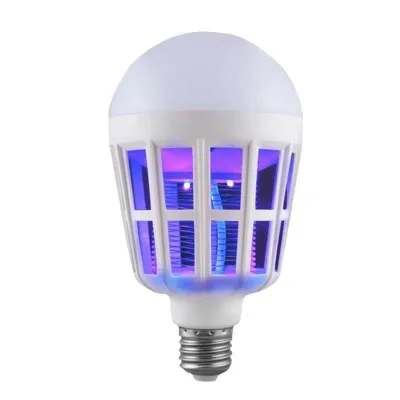
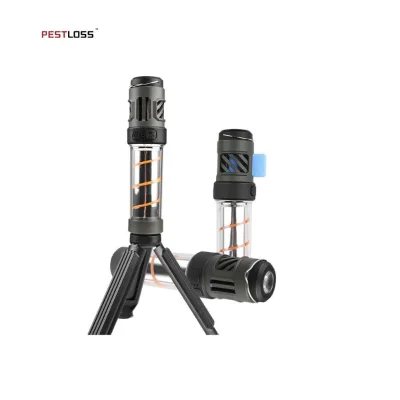
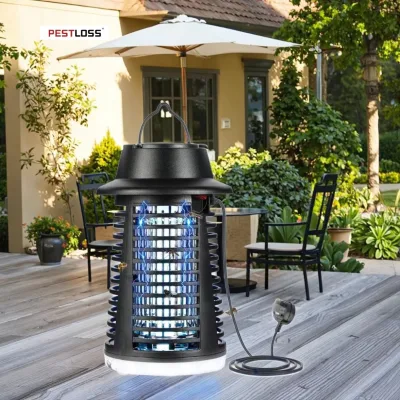
UV LED Zapping Bulb Mosquito Killing Bulb Bug Zapper Insect & Fly Killer Lamp
$1.13 - $1.37
MOQ: 100 Minimum


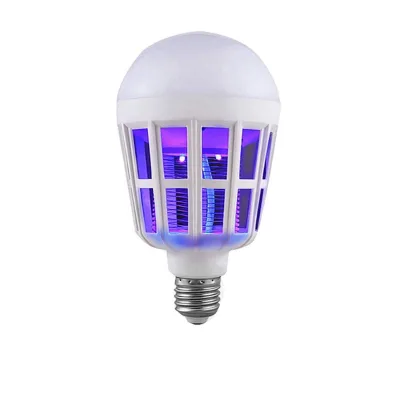
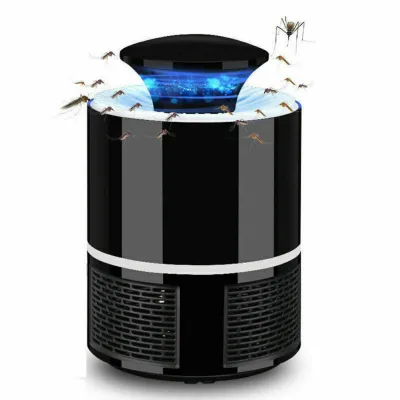
Electric Fly Bug Zapper Mosquito Insect Killer LED Light Trap Lamp Pest Control
$2.00 - $2.50
MOQ: 1000 Minimum

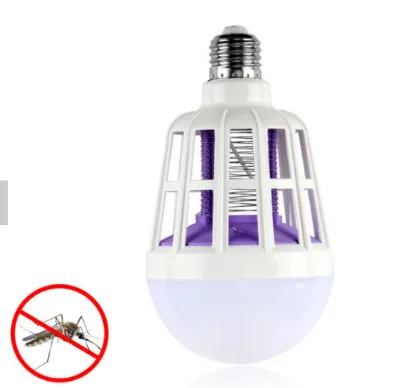




Comprehensive Sourcing Guide
Strategic Sourcing Guide for Bug Zapper Light Bulbs
Understanding the Product Category and Core Functionality
The market for bug zapper light bulbs encompasses a specific subset of indoor and outdoor lighting solutions designed primarily for pest control while maintaining ambient illumination. Unlike standalone insect traps that rely solely on UV attraction and electric grids, these hybrid units integrate a light-emitting diode (LED) source with a mechanism to neutralize flying insects. The observed product attributes indicate a functional duality: the device serves as a light source with specific color temperatures, such as Cool White, while simultaneously acting as a trap for pests like mosquitoes and flies.
Buyers must distinguish between products that rely on electric shock mechanisms and those utilizing trapping methods. The data confirms the existence of models categorized under "Electric Shock" and "Trap" types, often described as "Mosquito Killer Bulbs" or "UV Mosquito Killer Lamps." These units are engineered to attract insects using specific light spectra, often in the ultraviolet range, and then eliminate them through physical contact or containment. The physical form is consistently listed as a "Light," indicating a retrofit capability for standard fixtures, though some variations may require specific base types.
Technical Specifications and Performance Parameters
When evaluating the technical viability of a Bug Zapper Light Bulb, procurement specialists must scrutinize a range of critical specifications that directly impact efficacy and compatibility. The power consumption of these units varies significantly across the market, with observed wattages including 9W, 15W, and 20W options. This variance suggests that buyers should not assume a single power rating applies to all products in this category but must verify the specific wattage required for their intended application space.
The base type is a fundamental compatibility factor. Available options in the observed data include B22 and E27 bases, which are standard screw-in interfaces for residential and commercial lighting. However, the presence of "Gradual Changing" attributes in some lamp holder specifications suggests that certain models may feature dimming capabilities or specific driver technologies that affect how the light is delivered. The beam angle is another critical metric; a value of 200 degrees indicates a wide dispersion pattern, which is essential for covering a large area to maximize insect attraction.
Color temperature plays a pivotal role in the attraction mechanism. While "Cool White" is a documented attribute, other listings note "other" as a possible color temperature, implying that UV-emitting variants are also prevalent. The Color Rendering Index (Ra) is typically observed to be greater than 80, ensuring that the light does not distort colors excessively while performing its pest control function. Furthermore, the Power Factor (PF) is a crucial electrical characteristic; observed values of 0.5 indicate that some units may have lower electrical efficiency, requiring buyers to verify if higher PF values are available for energy-conscious projects.
Compliance, Certification, and Safety Standards
In the B2B procurement of electrical pest control devices, verifying compliance with international safety and environmental standards is non-negotiable. The supplied facts confirm that products in this category frequently carry CE and RoHS certifications, which are essential for market access in Europe and many other regions. CE marking indicates conformity with health, safety, and environmental protection standards, while RoHS ensures the absence of specific hazardous materials.
More comprehensive compliance is often observed in higher-tier models, which may include EMC (Electromagnetic Compatibility) and LVD (Low Voltage Directive) certifications alongside CE and RoHS. These additional certifications are vital for ensuring that the device does not interfere with other electronic equipment and operates safely within low-voltage systems. Buyers must explicitly request documentation for these certifications, as the presence of one does not guarantee the presence of others.
Physical standards and dimensions are also part of the compliance landscape. Observed specifications mention a standard of 95mm, which likely refers to the diameter or a specific dimension of the lamp body. Another standard cited is 80, which may relate to a different metric or a specific model constraint. Additionally, the product origin is consistently listed as China, with specific mentions of Guangdong as a place of origin. While this provides geographical context, buyers should not assume that all products from this region meet the same quality thresholds without individual verification.
Cost Drivers and Procurement Economics
The pricing structure for bug zapper light bulbs is influenced by several variables, including power rating, certification depth, and customization options. The observed price range spans from 0.1 to 118 USD, a wide disparity that reflects the difference between basic, non-certified units and premium, fully compliant models with advanced features. This range underscores the importance of defining clear requirements before engaging with suppliers to avoid budget overruns or under-specification.
Minimum Order Quantity (MOQ) is another significant cost driver. The data reveals an MOQ range from 1 to 5000 units, with specific instances of 1000 PCS being a common threshold for certain models. Buyers seeking smaller quantities must be prepared for higher per-unit costs or may need to source from suppliers with lower MOQ policies. Conversely, large-volume orders may benefit from economies of scale, provided the supplier can handle the logistics of bulk production.
Customization is a key factor in pricing and lead time. The market offers both "Customized" and "Non-Customized" options. Customization can include branding, specific packaging configurations, or tailored technical specifications. While customization adds value, it typically increases the MOQ and extends the lead time. The packing specifications vary from Color Boxes to Cartons (CTN) and Pallets, with some listings specifying 100 pieces per carton. These packaging details directly impact shipping costs and storage requirements, making them a critical component of the total cost of ownership.
Typical Applications and Installation Considerations
The application scope for bug zapper light bulbs is defined by the intended environment and the target pest population. The data indicates that these products are suitable for both indoor and outdoor applications, with a specific mention of "Indoor Light" as an item type. The applying space is generally limited to areas under 50 square meters, suggesting that these units are most effective in residential rooms, small commercial spaces, or enclosed patios rather than large open fields.
The pest type targeted is primarily mosquitoes and flies, with the mechanism described as "bug zapping" or "insect trap light." The function is often a combination of killing mosquitoes, killing other insects, and providing general lighting. This multifunctional approach makes them suitable for spaces where both illumination and pest control are priorities, such as dining areas, garages, or verandas.
Installation considerations include the base type compatibility and the power supply requirements. Since the power supply is listed as "Electric," these units are designed for standard mains voltage, though the specific voltage range should be confirmed with the supplier. The "Rechargeable" attribute found in some listings suggests that portable or battery-operated variants exist, offering flexibility for locations without immediate access to power outlets. However, the primary market segment appears to be hardwired or plug-in units, given the emphasis on standard bases like E27 and B22.
Supplier Evaluation and Quality Assurance
Evaluating suppliers in the Bug Zapper Light Bulb sector requires a rigorous approach to verifying claims against observed data. Buyers should prioritize suppliers who can provide transparent documentation regarding certifications, specifically CE, RoHS, EMC, and LVD. The presence of "Eco-Friendly" as a feature is noted, but this should be substantiated by the underlying material composition and manufacturing processes, such as the use of PC (Polycarbonate) for the lamp body material.
Quality control should focus on the consistency of the LED components. The data mentions "High-power" LEDs, which implies a need for robust thermal management to ensure longevity. Buyers should request test results or performance data related to the lifespan of the LED and the efficacy of the insect attraction mechanism. The "Gradual Changing" attribute in lamp holders suggests that driver quality is also a factor, as poor drivers can lead to flickering or premature failure.
Supplier reliability is further assessed through their ability to meet MOQ requirements and manage lead times. The variation in packing standards, from simple color boxes to palletized CTNs, indicates that suppliers have different logistical capabilities. Buyers should verify the supplier's capacity to handle the specific packing requirements of their order, especially if the destination market has strict packaging regulations. Additionally, the distinction between "Customized" and "Non-Customized" products should be clearly communicated to avoid misunderstandings regarding lead times and production costs.
Long-Term Procurement and Operational Sustainability
Sourcing bug zapper light bulbs is not merely a transactional purchase but a long-term operational decision that impacts facility management and pest control strategies. The durability of the product, indicated by the use of PC lamp body material and high-power LEDs, suggests a focus on longevity. However, the power factor of 0.5 observed in some units highlights the need for energy efficiency audits. Over time, units with higher power factors will reduce electricity costs and minimize the carbon footprint of the facility.
Maintenance is another critical consideration. While these units are designed to be self-contained, the "Electric Shock" and "Trap" mechanisms may require periodic cleaning or component replacement. Buyers should inquire about the availability of spare parts and the ease of maintenance. The "Rechargeable" feature, if selected, adds a layer of complexity regarding battery life and replacement cycles, which must be factored into the long-term cost analysis.
Finally, the adaptability of the product to changing pest control needs is essential. As pest populations and regulations evolve, the ability to switch between different wattages, color temperatures, or base types becomes valuable. Suppliers who offer a range of models, from 9W to 20W and various base types, provide greater flexibility for future procurement. By focusing on suppliers with a broad product portfolio and strong compliance records, buyers can ensure a sustainable and effective pest control solution for their facilities.
FAQs
What certifications do bug zapper light bulbs typically have?
Most units carry CE and RoHS certifications, while higher-tier models may include EMC and LVD. Buyers must verify specific documentation for each product to ensure compliance with regional safety standards before procurement.
Which base types are available for these light bulbs?
Available base types include B22 and E27, which fit standard residential and commercial fixtures. Some models also feature ELight bases with gradual changing capabilities, requiring verification of fixture compatibility prior to purchase.
How does the power consumption vary across different models?
Power consumption ranges from 9W to 20W depending on the specific model and intended application. Buyers should select the appropriate wattage based on the target area size, as most units are designed for spaces under 50 square meters.
Can these bulbs be customized for specific branding needs?
Customization is available for certain models, allowing for tailored branding and packaging configurations. However, customized orders often require higher minimum order quantities and may extend lead times compared to standard non-customized inventory.
What is the typical minimum order quantity for these products?
Minimum order quantities vary widely from 1 unit up to 5000 units depending on the supplier and product type. Specific models may require an MOQ of 1000 pieces, so buyers must confirm thresholds before placing bulk orders.
Which pest types are these light bulbs designed to control?
These devices primarily target mosquitoes and flies using electric shock or trapping mechanisms. The function combines insect elimination with ambient lighting, making them suitable for both indoor and outdoor environments under 50 square meters.