Source Brush Tip Cosmetic Squeeze Tube for Cosmetics, Medicine, Food
Explore 30 options for the Brush Tip Cosmetic Squeeze Tube designed for cosmetics, medicine, and food applications. Buyers can compare models, sizes, and surface treatments from verified suppliers offering customization and recyclable features.
Key considerations
Products List

Empty Squeeze Tube Hand Cream Tube Makeup Soft Cosmetic Lotion Squeeze Tubes
$0.02 - $0.05
MOQ: 30 Pieces


Empty Black Makeup Soft Tube Cosmetic Cream Lotion Bottle Plastic Squeeze Tube
$0.03 - $0.30
MOQ: 10000 Pieces

Plastic Cosmetic Squeeze Tube Logo Customized Soft Hand Cream Tube Medicine Ointment Tube
$0.03 - $0.30
MOQ: 10000 Pieces

Cosmetic Custom PE Tube Packaging Blue Facial Wash Squeeze Lotion Tubes
$0.03 - $0.30
MOQ: 10000 Pieces

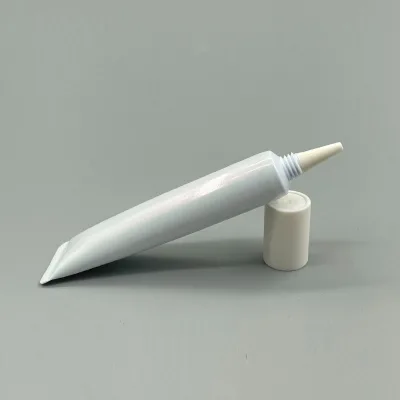
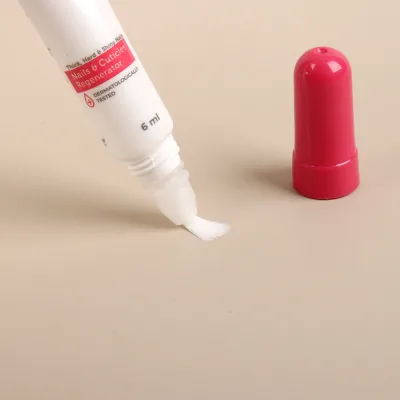
Small Capacity Soft Squeeze Cosmetic Long Nozzle Tube with Silicone Brush
$0.03 - $0.30
MOQ: 10000 Pieces


Eye Cream Cosmetic Squeeze Soft Packaging Plastic Tubes with Ceramic Tips
$0.03 - $0.10
MOQ: 10000 Pieces

Soft Tip Silicone Lip Balm Flexible Plastic Squeeze Cosmetic Tube for Lip Gloss
$0.03 - $0.10
MOQ: 10000 Pieces



Comprehensive Sourcing Guide
Strategic Sourcing Guide for Brush Tip Cosmetic Squeeze Tubes
The global demand for precision packaging in the personal care sector has elevated the importance of brush tip cosmetic squeeze tubes. These specialized containers are engineered to deliver controlled dispensing of viscous formulations, such as serums, gels, and cleansers, directly to the application site. For procurement professionals, sourcing these items requires a nuanced understanding of material compatibility, structural integrity, and regulatory alignment. The following guide synthesizes available market data and technical attributes to assist buyers in navigating the supply chain for high-performance cosmetic tubes.
Technical Specifications and Material Architecture
When evaluating brush tip cosmetic squeeze tubes, the primary focus must be on the interplay between the tube body, the dispensing mechanism, and the internal lining. The supplied product data indicates a diverse range of materials and structural configurations. While some listings identify the material as Plastic, others reference Aluminum for collapsible tube variants. This distinction is critical, as aluminum offers superior barrier properties against light and oxygen, whereas plastic variants often prioritize cost-efficiency and flexibility.
The internal coating is a vital technical specification for product safety. Data confirms the availability of Epoxy Resin (Food Grade) inner coatings. This lining is essential for preventing chemical interactions between the tube material and the cosmetic formulation, particularly for products containing active ingredients or acidic components. Buyers must verify that the specific coating matches the chemical profile of their product to ensure stability and shelf life.
Structural dimensions vary significantly across the market. Observed specifications include standard sizes such as 5ml, 10ml, 15ml, 20ml, and 89ml, alongside specific diameter measurements like 40mm, 45mm, and 50mm. The Model 90 and H230328 designations suggest a modular approach to sizing, allowing manufacturers to produce tubes tailored to specific volume requirements. The shape is predominantly Round Bottle or cylindrical, which facilitates ergonomic handling and efficient shelf placement.
Surface treatment options further define the aesthetic and functional quality of the tube. The market offers Offset Printing, Hot Stamping, and Labeling capabilities. Finishes range from Glossy to Matte and Shiny, providing flexibility for brand differentiation. The Color attribute is listed as customizable, enabling brands to match packaging to their visual identity. However, buyers should note that while customization is available, the specific color matching process and lead times will depend on the supplier's capabilities.
Compliance and Certification Verification
In the cosmetics and food packaging sectors, regulatory compliance is non-negotiable. The supplied data highlights several key certifications that serve as indicators of a supplier's quality management systems. ISO, CE, and FSC certifications are explicitly mentioned in the product attributes.
The ISO certification generally implies adherence to international standards for quality management, though the specific standard (e.g., ISO 9001) should be verified against the supplier's documentation. The CE mark indicates conformity with health, safety, and environmental protection standards for products sold within the European Economic Area. FSC (Forest Stewardship Council) certification is relevant if the packaging involves paper-based components or cardboard cartons, ensuring sustainable sourcing of wood fibers.
It is crucial to distinguish between general certifications and product-specific compliance. While ISO 22716 is a recognized standard for Good Manufacturing Practices (GMP) in cosmetics, the provided data lists it only as low-confidence background information. Therefore, buyers should not assume a supplier automatically meets this standard without requesting a valid certificate. Instead, procurement teams must request proof of certification for the specific batch or production line. Additionally, the Epoxy Resin (Food Grade) coating suggests compliance with food safety regulations, which often translates to strict requirements for cosmetic contact materials. Buyers should verify that the coating supplier holds necessary approvals for cosmetic use in their target markets.
Cost Drivers and Pricing Dynamics
Understanding the cost structure of brush tip cosmetic squeeze tubes is essential for budgeting and negotiation. The observed price range in the market spans from $0.02 to $1.00 USD per unit. This wide variance is driven by several factors, including material type, customization level, and order volume.
The MOQ (Minimum Order Quantity) is a significant cost driver. The data shows an observed MOQ range from 1 to 200,000 units, with a specific listing noting an MOQ of 5000 PCS. Higher MOQs typically correlate with lower unit costs due to economies of scale in production and material purchasing. For buyers with smaller initial requirements, the unit price may be at the higher end of the spectrum, or they may need to negotiate with suppliers offering lower MOQ tiers.
Customization is another major cost factor. The availability of Customization allows for unique shapes, colors, and printing methods. However, processes like Hot Stamping and Offset Printing require additional setup time and tooling, which can increase the initial cost. The Sample provision is noted as "Provide Freely," which can reduce the risk for buyers testing new designs, though shipping costs for samples may still apply.
Packaging methods also influence the final landed cost. Listings indicate various packing options, including Carton, Plastic Bag and Carton, and Carton with Inner PE Bag. The choice of packaging affects the volume efficiency during shipping and the protection level of the product. For instance, Carton with Inner PE Bag offers superior protection against moisture and dust, potentially reducing waste but increasing material costs.
Typical Applications and Usage Scenarios
The versatility of brush tip cosmetic squeeze tubes makes them suitable for a broad spectrum of applications. The data explicitly lists usage categories including Cosmetics, Medicine, Food, Chemical, and Toothpaste. This diversity underscores the need for precise material selection based on the intended product.
In the Cosmetics sector, these tubes are ideal for Facial Cleanser, serums, and gels. The brush tip design allows for hygienic application, minimizing contamination and ensuring precise dosing. The Application attribute specifically mentions "for Containing Facial Cleanser etc.," highlighting their primary role in skincare routines.
For the Medicine and Chemical sectors, the Epoxy Resin (Food Grade) lining becomes critical. It ensures that the tube does not react with active pharmaceutical ingredients or harsh chemical agents. The Disposable feature noted in the attributes suggests that some variants are designed for single-use applications, which is common in medical or travel-sized cosmetic products.
The Industrial Use is categorized as Cosmetic, but the material properties allow for broader utility. The Recyclable feature is a growing requirement for brands aiming to meet sustainability goals. Buyers should verify the recyclability claims of the specific material (Plastic vs. Aluminum) and the local recycling infrastructure in their target markets.
Supplier Evaluation and Sourcing Strategy
Selecting the right supplier requires a rigorous evaluation process beyond just price comparison. The data indicates that the Supply Type is often a Non-Stock Item, meaning most suppliers operate on a made-to-order basis. This implies that lead times and production scheduling are critical factors in the sourcing decision.
Buyers should prioritize suppliers who offer Sample provisions, as this allows for physical testing of the brush tip mechanism and tube flexibility. The Shipping Methods listed include major carriers like DHL, UPS, FedEx, and TNT, indicating that suppliers are equipped to handle international logistics. However, buyers must confirm the specific lead times and shipping costs associated with these methods, as they can vary significantly based on destination and order volume.
The Origin of the products is listed as China, which is a major manufacturing hub for packaging. While this offers competitive pricing, buyers must conduct due diligence on the supplier's quality control processes. The presence of ISO, CE, and FSC certifications is a positive indicator, but verification of the actual certificate validity is necessary.
When evaluating suppliers, consider the following criteria:
- Certification Validity: Request current certificates for ISO, CE, and FSC.
- Customization Capability: Assess the range of printing and finishing options (Glossy, Matte, Hot Stamping).
- Material Transparency: Confirm the specific type of plastic or aluminum and the source of the epoxy resin lining.
- Logistics Reliability: Review past performance regarding shipping times and damage rates.
Quality Control and Long-Term Procurement
Ensuring consistent quality in brush tip cosmetic squeeze tubes requires a robust quality control (QC) framework. Given the Customization and Surface Treatment options, visual inspection is paramount. Buyers should establish clear acceptance criteria for print quality, color accuracy, and surface finish (Glossy vs. Matte).
The Sealing Type is identified as Screw Cap, which is a standard mechanism for these tubes. QC protocols must include leak testing and torque testing to ensure the cap provides a secure seal that prevents leakage during transit and storage. The Inner Coating must be inspected for uniformity and absence of defects that could compromise the barrier properties.
For long-term procurement, establishing a relationship with a supplier who can scale production is vital. The MOQ range suggests flexibility, but buyers should negotiate terms that allow for volume increases without drastic price hikes. The Product Name and Keywords indicate a high level of market competition, so buyers should focus on suppliers who offer consistent quality and reliable communication.
Sustainability is a long-term consideration. The Recyclable feature is a key selling point. Buyers should work with suppliers to optimize the design for recyclability, ensuring that the materials used are compatible with local recycling streams. The Carton packing should also be sourced from sustainable suppliers, ideally holding FSC certification.
Comparative Analysis of Product Attributes
To assist in decision-making, the following table summarizes key attributes observed in the market for brush tip cosmetic squeeze tubes. This comparison highlights the variability in specifications that buyers must navigate.
| Attribute | Observed Variations | Key Considerations for Buyers |
|---|---|---|
| Material | Plastic, Aluminum Collapsible | Aluminum offers better barrier; Plastic is often more flexible and cost-effective. |
| Inner Coating | Epoxy Resin (Food Grade) | Essential for chemical compatibility; verify food-grade certification. |
| Capacity | 5ml, 10ml, 15ml, 20ml, 89ml | Select based on product viscosity and target dosage per application. |
| Surface Finish | Glossy, Matte, Shiny | Affects brand perception; requires specific printing setup. |
| Sealing Type | Screw Cap | Standard for leak prevention; verify torque specifications. |
| Certifications | ISO, CE, FSC | Verify validity and scope; ensure alignment with target market regulations. |
| MOQ | 1 to 200,000 units | Higher MOQs reduce unit cost; negotiate based on forecasted volume. |
| Packing | Carton, Plastic Bag + Carton | Inner PE bags offer extra protection; consider shipping volume efficiency. |
| Origin | China | Major manufacturing hub; verify logistics capabilities and lead times. |
Conclusion
Sourcing brush tip cosmetic squeeze tubes requires a balanced approach that considers technical specifications, regulatory compliance, and cost efficiency. The market offers a wide array of options, from Plastic to Aluminum tubes, with varying capacities and surface treatments. Buyers must prioritize suppliers who can provide valid ISO, CE, and FSC certifications and who demonstrate a commitment to quality through rigorous QC processes. By carefully evaluating the Inner Coating, Sealing Type, and Customization capabilities, procurement professionals can secure packaging solutions that meet both functional and aesthetic requirements while adhering to sustainability goals. The dynamic nature of the market, with Non-Stock Item availability and diverse Shipping Methods, necessitates proactive communication and clear specification setting to ensure a successful procurement outcome.
FAQs
What certifications do brush tip cosmetic squeeze tubes typically have?
These tubes often carry ISO, CE, and FSC certifications to ensure quality and safety standards. Buyers should verify specific certificates for each batch to confirm compliance with international regulations for cosmetic and food contact materials.
How much does a Brush Tip Cosmetic Squeeze Tube cost per unit?
The observed price range spans from 0.02 to 1.00 USD per unit depending on material and customization. Higher order volumes typically reduce the unit cost due to economies of scale in production and material purchasing.
Can I customize the size and finish of these cosmetic tubes?
Customization is available for dimensions like 5ml, 10ml, and 20ml with finishes ranging from glossy to matte. Surface treatments include offset printing and hot stamping to match specific brand identities and aesthetic requirements.
Which materials are used for Brush Tip Cosmetic Squeeze Tube bodies?
Products are available in both plastic and aluminum collapsible tube variants for different barrier needs. Aluminum offers superior protection against light and oxygen, while plastic provides cost-efficiency and flexibility for various formulations.
What is the minimum order quantity for sourcing these cosmetic tubes?
The minimum order quantity ranges from 1 to 200,000 units, with some listings requiring 5000 pieces. Lower MOQs may result in higher unit prices, while larger orders benefit from reduced manufacturing costs.
How are these tubes packaged for shipping and protection?
Packaging options include cartons, plastic bags with cartons, and cartons with inner PE bags for moisture protection. The choice of packing affects volume efficiency during transit and ensures the product arrives without damage.
Where are these cosmetic tube manufacturers located?
The product origin is listed as China, which is a major manufacturing hub for packaging solutions. Buyers should verify supplier quality control processes and logistics capabilities when sourcing from this region.