Source Eco-Friendly Airtight Whiskey Sample Bottle for Bars
Find 30 Eco-Friendly Airtight Whiskey Sample Bottle options from Chinese manufacturers. Compare glass materials, sealing types like rubber stoppers, and customization services for personal care and beverage packaging needs; compare the available evidence and request quotations based on your requirements.
Key considerations
Products List


Whisky Sample Bottles Hand Shaped Bottle 750ml Gin Bottles 290ml Glass Bottle
$0.25 - $0.50
MOQ: 6000 Pieces


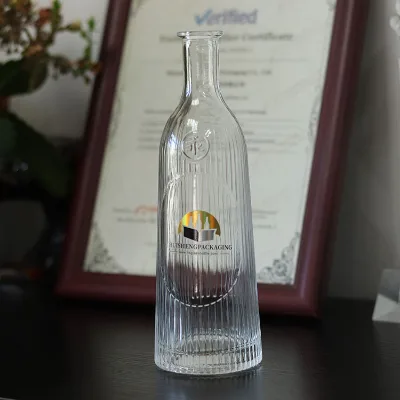


Flat Shape Wine Bottle Brandy Whisky White Spirit Glass Bottle with Lid
$2.50 - $23.00
MOQ: 100 Pieces


Comprehensive Sourcing Guide
Eco-Friendly Airtight Whiskey Sample Bottle Sourcing Guide
Sourcing eco-friendly airtight whiskey sample bottles requires a careful balance between sustainable material choices and functional preservation needs. Buyers must prioritize glass as the primary material, as it offers superior barrier properties against oxygen and moisture compared to plastic alternatives. The observed market data indicates a strong presence of square and round bottle designs, with specific models like V-1-5 and CSC-3-2 available from manufacturers in Jiangsu, China. These geometric variations allow for efficient palletization and reduced shipping volume, which indirectly supports environmental goals by lowering carbon emissions during logistics.
The term "eco-friendly" in this context often refers to the recyclability of the glass substrate and the use of minimal, non-toxic packaging materials. While the listings highlight various capacities ranging from 500ml to 1000ml, sample bottles typically fall within the lower end of this spectrum. Procurement teams should verify that the glass type is melt glass, which ensures structural integrity and thermal resistance. Additionally, the availability of customization options allows brands to reduce waste by optimizing bottle size for specific sample volumes, ensuring that every unit shipped serves its intended purpose without excess material usage.
Product Scope and Observed Listing Signals
The current market landscape for whiskey sample bottles reveals a diverse array of product attributes that buyers must navigate. Listings frequently mention capacities such as 500ml, 700ml, 750ml, and 1000ml, alongside specific designations like 50cl. This variety suggests that suppliers cater to both standard retail formats and specialized sampling needs. The observed price range of $0.15 to $23 USD indicates significant variation based on glass thickness, decorative finishes, and closure types. Buyers should interpret this wide range as a signal to define their exact requirements early, as premium finishes or custom molds will push costs toward the higher end of the spectrum.
Observed minimum order quantities (MOQs) span from 100 to 50,000 units, reflecting the flexibility of modern glass manufacturing. Lower MOQs are ideal for testing new market segments or launching limited-edition whiskey samples, while higher volumes secure better unit economics. The listings also highlight various sealing types, including rubber stoppers and cork stoppers, which directly impact the airtight performance of the bottle. Buyers must correlate the sealing mechanism with the whiskey’s volatility and shelf-life requirements, ensuring that the chosen closure maintains the spirit’s integrity during transport and storage.
Technical Specifications to Verify
Verifying technical specifications is critical to ensuring that the sample bottles meet both aesthetic and functional standards. Buyers should confirm the exact dimensions and wall thickness of the glass, as these factors influence durability and thermal shock resistance. The observed models, such as "guanyunping" and "whisky," suggest that suppliers offer specialized designs tailored for specific spirits. It is essential to request detailed technical drawings or 3D models to verify that the bottle’s neck finish is compatible with the chosen closure system, whether it be a cork or a rubber stopper.
Labeling and decoration methods also play a significant role in the final product quality. Listings mention decal crafts and the option for no labels, which allows for a minimalist, premium look. Buyers must verify the adhesion quality of decals and the resistance of any printed graphics to moisture and handling. Furthermore, the packing method, whether in cartons, pallets, or export pallets with bid dividers, must be assessed for its ability to protect the glass during transit. Proper packing reduces breakage rates, which is a key metric for evaluating the overall quality of the supply chain.
Compliance and Safety Documentation
Compliance with international safety standards is non-negotiable for food and beverage packaging. Buyers must ensure that the glass bottles are free from harmful heavy metals and comply with relevant food contact regulations. The observed certifications, including ISO and FDA, provide a baseline for quality assurance, but buyers should request specific test reports for lead and cadmium content. These tests confirm that the glass is safe for direct contact with alcoholic beverages, preventing any leaching of toxic substances into the whiskey over time.
Additionally, documentation regarding the origin of the raw materials and the manufacturing process can support sustainability claims. Buyers should ask for evidence that the glass is made from recycled content, if that is a key part of the "eco-friendly" proposition. Certifications from recognized bodies add credibility to these claims and help in marketing the product to environmentally conscious consumers. It is also important to verify that the packaging materials, such as cardboard and pallets, are sourced from sustainable forests and are fully recyclable.
Cost Drivers and Commercial Terms
Understanding the cost drivers behind whiskey sample bottles helps buyers negotiate better terms and avoid hidden expenses. The primary cost factors include the volume of glass, the complexity of the mold, and the type of closure used. Custom shapes or unique finishes, such as the square bottle design observed, may incur higher tooling costs. Buyers should clarify whether these costs are amortized over the order quantity or charged separately. Payment terms, such as T/T, Western Union, or PayPal, also impact cash flow, so aligning payment schedules with production milestones is advisable.
Shipping methods, whether by sea, air, or express, significantly affect the total landed cost. Sea freight is more economical for large orders, while air freight is suitable for urgent, smaller batches. Buyers should calculate the total cost per unit, including packaging and insurance, to make informed decisions. The observed MOQ ranges suggest that economies of scale are achievable, so consolidating orders can reduce per-unit costs. Additionally, negotiating for free samples allows buyers to evaluate quality before committing to a large purchase, reducing the risk of costly mistakes.
Supplier Qualification and Quality Control
Qualifying suppliers requires a thorough assessment of their manufacturing capabilities and quality control processes. Buyers should verify the supplier’s production capacity and lead times to ensure they can meet demand peaks. The observed origin in Jiangsu, China, indicates a mature glass manufacturing hub with access to skilled labor and advanced technology. Requesting factory audits or virtual tours can provide insights into the production environment and adherence to safety standards. Suppliers with a history of exporting to reputable markets are often more reliable in terms of consistency and compliance.
Quality control measures should include random sampling and stress testing of the bottles. Buyers should specify acceptable defect rates and request pre-shipment inspections to catch any issues early. The availability of OEM services suggests that suppliers can customize products to meet specific brand requirements, but this requires clear communication and detailed specifications. Establishing a strong relationship with the supplier through regular communication and feedback loops can lead to continuous improvement and better service levels over time.
Long-Term Procurement Checks
Long-term procurement success depends on continuous monitoring of supplier performance and market trends. Buyers should regularly review key performance indicators such as on-time delivery, defect rates, and responsiveness to issues. Building a diversified supplier base can mitigate risks associated with single-source dependencies. Additionally, staying informed about advancements in sustainable packaging materials can help buyers stay ahead of regulatory changes and consumer preferences. The ability to adapt to new eco-friendly technologies will be a competitive advantage in the long run.
Regularly revisiting the product specifications and market demands ensures that the sourcing strategy remains aligned with business goals. As whiskey trends evolve, so too will the packaging requirements, such as smaller sample sizes or innovative closure systems. Buyers should maintain open lines of communication with suppliers to explore new opportunities for cost savings and product innovation. By fostering a collaborative relationship, buyers can leverage supplier expertise to enhance product quality and sustainability, ultimately delivering greater value to their customers.
FAQs
What materials are used for these whiskey bottles?
These whiskey bottles are made from high-quality melt glass to ensure durability and clarity. The product specifications confirm the material is glass, suitable for storing various spirits like whisky and vodka without compromising the liquid quality during transport.
Which bottle capacities are available for purchase?
Available capacities include 500ml, 700ml, 750ml, and 1000ml options to suit different beverage needs. The standard listing explicitly mentions these specific volumes, allowing buyers to select the exact size required for their specific liquor or personal care product packaging requirements.
Can I request custom designs for these glass bottles?
Yes, customization is available for these glass bottles to meet specific branding needs. Buyers can utilize the decal craft method and request custom shapes or sizes, ensuring the final product aligns with unique marketing strategies while maintaining the structural integrity of the glass.
What sealing types are offered for these containers?
The bottles come with rubber stoppers or cork stoppers depending on the specific model selected. This variety in sealing types ensures an airtight environment for preserving the flavor of whiskey, wine, or other beverages stored within the clear glass containers.
How are these bottles packaged for international shipping?
Packaging options include cartons, cases, and export pallets with bid dividers to prevent breakage. The products are shipped via sea or air, ensuring safe delivery while adhering to standard export practices for fragile glass items originating from Jiangsu, China.
What certifications do these glass bottles hold?
These bottles hold ISO and FDA certifications to ensure safety and quality compliance. Such certifications verify that the glass material is suitable for food and beverage contact, providing assurance to buyers regarding the safety standards met by the manufacturing process.
What is the minimum order quantity for these bottles?
The minimum order quantity ranges from 100 to 50,000 units depending on the specific product model. Buyers should check the specific listing details as the MOQ varies based on the customization level and the specific capacity or shape selected for the order.