Source Brushless Coreless Motor Tattoo Machine for Body Art
Source 30 Brushless Coreless Motor Tattoo Machine options for body art, permanent makeup, and skin care. Compare wireless pens, kits, and needles with adjustable strokes and OEM capabilities from China suppliers; compare the available evidence and request quotations based on your requirements.
Updated
Key considerations
Products List


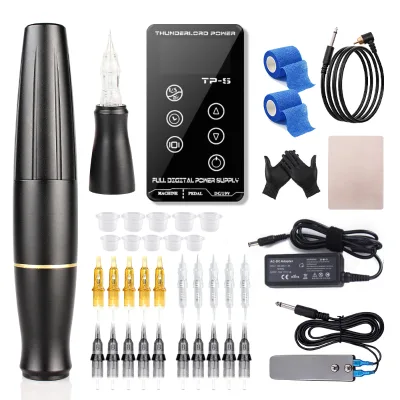
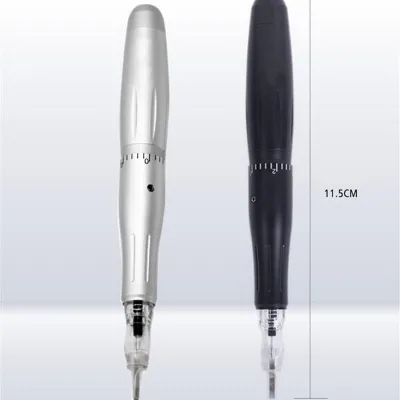
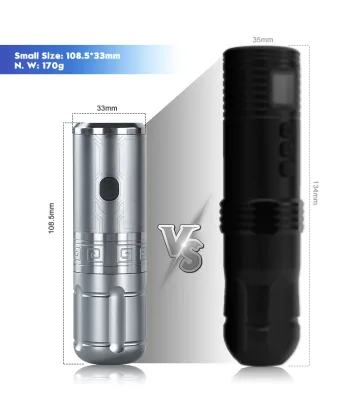
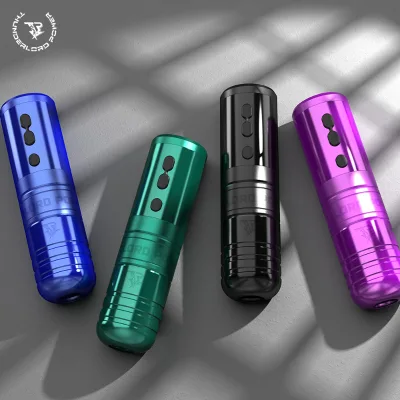
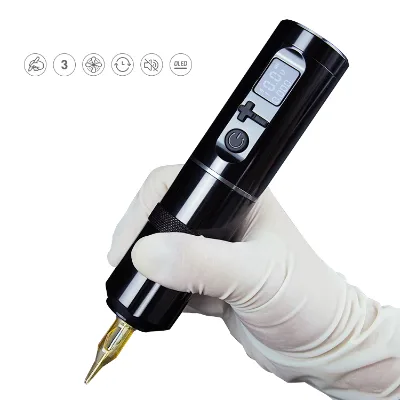
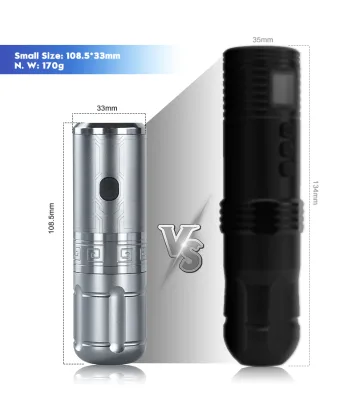
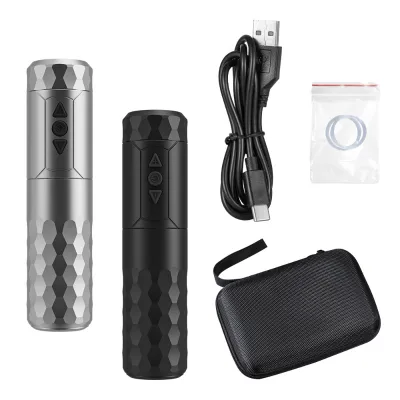
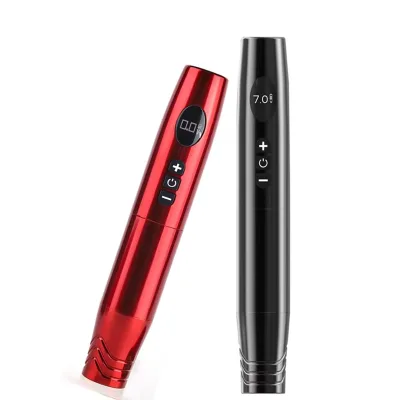
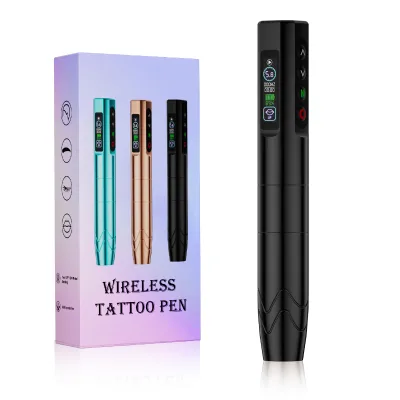
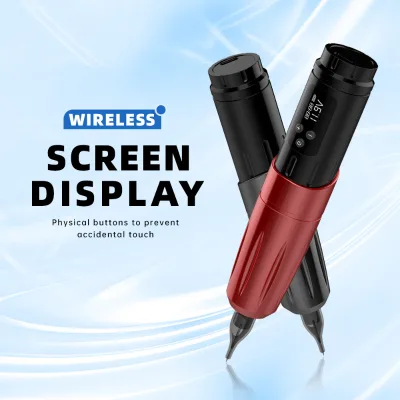
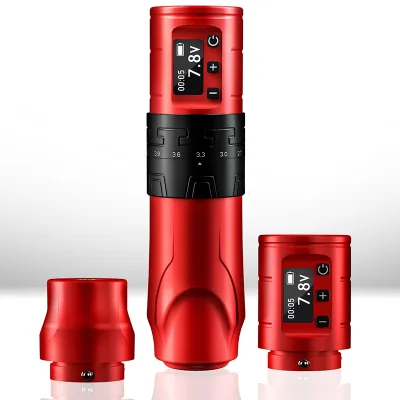
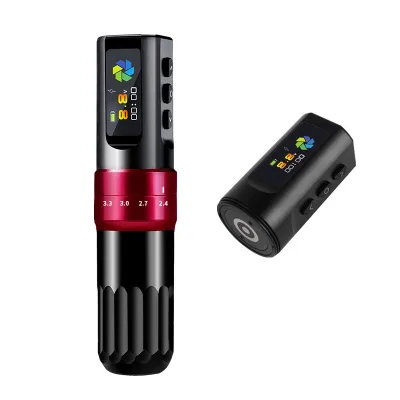
Professional Wireless Tattoo Machine Pen Battery Rotary Tattoo Pen Machine
$71.9232 - $87.335
MOQ: 1 pieces


Comprehensive Sourcing Guide
Brushless Coreless Motor Tattoo Machine Sourcing Guide
Procuring brushless coreless motor tattoo machines requires a nuanced understanding of the current market landscape, where product listings often blend various technologies under broad categories. Buyers must carefully distinguish between traditional coil machines, rotary pens, and the specific brushless coreless variants that offer distinct performance characteristics. The observed product data indicates a diverse range of offerings, including wireless tattoo machines, tattoo pens, and complete kits, all originating primarily from China. This geographic concentration suggests a mature supply chain, yet it also necessitates rigorous due diligence to ensure that the "brushless coreless" designation is not merely a marketing term applied to standard rotary devices.
The sourcing strategy should focus on verifying the actual motor technology embedded within the device, as many listings generalize features like "high quality" or "OEM&ODM" advantages without specifying the internal mechanics. While the market shows a wide price range and flexible MOQs, the technical reality of brushless coreless motors involves specific engineering traits such as reduced vibration, longer lifespan, and consistent power delivery. Buyers need to look beyond the generic product names like "Tattoo Machine Kit" or "Wireless Tattoo Machine" and demand explicit confirmation of the motor type to avoid receiving standard rotary alternatives that do not meet the specific performance expectations associated with brushless coreless technology.
Product Scope and Observed Listing Signals
The current market signals reveal a broad spectrum of tattoo equipment, ranging from disposable tattoo needles made of stainless steel to complex wireless tattoo machines with adjustable stroke lengths. Listings frequently highlight features such as OEM and ODM capabilities, indicating that many suppliers are prepared to customize devices for private label brands. The presence of both disposable and non-disposable items suggests that buyers can source complete operational ecosystems, including power supplies, handpieces, and compatible cartridges. However, the diversity of product names, from "BMX tattoo machine" to "Shura-X," complicates the identification of specific brushless coreless models, requiring buyers to scrutinize product descriptions for technical accuracy rather than relying on generic titles.
Observed specifications include battery capacities of 1800mAh, operating voltages between 5V and 12V, and motor speeds reaching 10000rpm at 12V. These metrics are critical for evaluating the performance potential of any tattoo machine, including those claiming brushless coreless construction. The availability of rich colors and various handpiece options, such as black, gray, rose gold, red, and blue, points to a market driven by aesthetic customization alongside functional performance. Buyers should note that while these specifications are common across many listings, they do not automatically confirm the presence of a brushless coreless motor, necessitating direct verification of the internal components to ensure alignment with procurement goals.
Technical Specifications to Verify
When evaluating brushless coreless motor tattoo machines, buyers must prioritize the verification of motor architecture, as this is the defining characteristic of the product category. Unlike traditional rotary or coil motors, brushless coreless designs offer specific advantages in terms of heat dissipation and operational smoothness. Procurement teams should request detailed technical datasheets that explicitly confirm the absence of a core and the use of brushless commutation. It is essential to verify the adjustable stroke length, with observed values such as 4.0mm and 3.5mm being relevant parameters for fine-tuning the machine's performance for different tattooing styles.
Additional technical checks should include the compatibility with major cartridges, as this impacts the versatility and ease of use for tattoo artists. The weight of the device, observed at 190g in some listings, is a significant factor for user comfort during extended sessions, and buyers should ensure that the brushless coreless design does not compromise ergonomics. Furthermore, the working time of the battery, typically cited as 3-4 hours per battery charge, must be validated under real-world usage conditions. Buyers should also confirm the operating voltage range, ensuring that the device supports the 5V to 12V spectrum commonly used in professional tattoo power supplies.
Compliance and Safety Documentation
Compliance with international safety standards is paramount when sourcing electronic tattoo equipment, particularly those involving brushless coreless motors that operate at high speeds. Buyers must ensure that all products carry valid CE certification, which is a common requirement for market access in many regions. The presence of CE marks on power supplies and handpieces indicates adherence to essential health and safety requirements, but buyers should verify the authenticity of these certifications through independent testing laboratories. This step is crucial to mitigate risks associated with electrical faults, overheating, or mechanical failure during operation.
In addition to CE certification, buyers should inquire about other relevant standards and testing protocols that suppliers may follow. While specific standards like 1014RL1007RL are listed in some contexts, these often refer to needle configurations rather than machine safety. Therefore, it is vital to distinguish between product-specific standards and general electrical safety certifications. Buyers should also check for compliance with local regulations regarding medical devices or cosmetic tools, depending on the intended application, such as permanent makeup or body art. Ensuring that all documentation is up-to-date and verifiable helps protect the buyer from legal liabilities and ensures the safety of end-users.
Cost Drivers and Commercial Terms
The cost structure of brushless coreless motor tattoo machines is influenced by several factors, including the complexity of the motor design, the quality of materials used, and the level of customization offered. Suppliers often highlight OEM and ODM advantages, which can impact pricing based on the volume and specificity of the order. The observed price range of 20.65 to 199 USD reflects the diversity of products available, from basic components to complete kits. Buyers should analyze this range to understand the value proposition of different suppliers, considering that higher prices may correlate with better build quality, more reliable motors, and comprehensive after-sales support.
Commercial terms such as MOQ, shipping methods, and lead times also play a significant role in the total cost of ownership. The observed MOQ range of 1 to 20 units suggests flexibility for small businesses and individual buyers, while larger orders may benefit from volume discounts. Shipping options, including express, air, and sea freight, allow buyers to balance cost and speed according to their inventory needs. It is important to negotiate clear terms regarding packaging, with options like box and carton packing available, to ensure that products are protected during transit. Buyers should also clarify any additional costs related to customization, such as branding or specific technical modifications, to avoid unexpected expenses.
Supplier Qualification and Quality Control
Selecting the right supplier for brushless coreless motor tattoo machines requires a thorough evaluation of their manufacturing capabilities and quality control processes. Buyers should prioritize suppliers who demonstrate a strong track record in producing high-quality tattoo equipment, as evidenced by their product listings and customer feedback. The presence of specific brand names, such as Thunderlord Power or BMX, can indicate established players in the market, but buyers should still conduct independent due diligence to verify their reputation and reliability. It is advisable to request samples for testing before committing to large orders, allowing for a direct assessment of the motor performance and build quality.
Quality control measures should include rigorous testing of the brushless coreless motors for consistency, durability, and safety. Buyers should inquire about the supplier's testing protocols, including checks for battery capacity, motor speed, and stroke length accuracy. Additionally, suppliers should provide clear information about their production processes, including material sourcing and assembly standards. The ability to offer customization, such as different colors for handpieces and power supplies, is a positive indicator of a supplier's flexibility and customer focus. Buyers should also consider the supplier's responsiveness and support services, as these factors contribute to a successful long-term partnership.
Long-Term Procurement Checks
Establishing a sustainable procurement strategy for brushless coreless motor tattoo machines involves ongoing monitoring of supplier performance and market trends. Buyers should regularly review supplier metrics, such as delivery times, product quality, and customer satisfaction, to ensure that their needs are being met. The dynamic nature of the tattoo equipment market means that new technologies and designs are constantly emerging, so buyers should stay informed about industry developments to remain competitive. This includes keeping an eye on advancements in brushless coreless motor technology, which may offer improved performance or cost efficiencies in the future.
Long-term relationships with suppliers can be strengthened through clear communication and mutual understanding of expectations. Buyers should establish regular review meetings to discuss performance, address any issues, and explore opportunities for collaboration. This approach helps to build trust and ensures that both parties are aligned on goals and standards. Additionally, buyers should consider diversifying their supplier base to mitigate risks associated with supply chain disruptions. By maintaining a flexible and informed procurement strategy, buyers can ensure a steady supply of high-quality brushless coreless motor tattoo machines that meet the evolving needs of their customers.
FAQs
What materials are used for tattoo machines?
Tattoo machines are primarily constructed from stainless steel and aluminum. These materials ensure durability and hygiene during body art applications. Some units are disposable while others are non-disposable. The choice depends on whether the device is a needle or a full machine kit. Aluminum provides lightweight handling for extended sessions.
Can these machines be customized for branding?
Yes, customization is available for tattoo machines. Suppliers offer OEM and ODM services to meet specific brand requirements. Buyers can request custom packaging in boxes or cartons. This service supports unique product identities. Customization allows for tailored designs that align with specific market needs and branding strategies.
What is the battery capacity for wireless models?
Wireless tattoo machines typically feature an 1800mAh battery capacity. This capacity supports a working time of 3-4 hours per charge. The device operates on 5V-12V voltage. This ensures reliable performance during tattoo and permanent makeup operations. The battery life is sufficient for most professional sessions.
Which certifications do tattoo machines have?
Tattoo machines often carry CE certification. This indicates compliance with European health and safety standards. The certification is crucial for international trade. Buyers should verify specific product documentation. CE marking ensures the device meets essential regulatory requirements for electronic equipment.
What is the origin of these tattoo products?
These tattoo products originate from China. Specific manufacturing locations include Hunan. The country is a major hub for tattoo equipment production. Buyers can expect competitive pricing and diverse product ranges. The origin influences shipping methods like express, air, or sea transport.
What are the MOQ values for orders?
The minimum order quantity ranges from 1 to 20 units. This flexibility supports both small and large buyers. Low MOQs allow for trial orders. Buyers can test product quality before committing to larger volumes. This range accommodates various business sizes and inventory needs.