Source Buddhism Prayer Bracelet for Gifts, Meditation, and Daily Wear
Explore 30 options for the Buddhism Prayer Bracelet, featuring materials like zinc alloy, plastic, and wood. Compare designs including beaded, oval cut, and religious styles from Zhejiang suppliers to find the right fit for your needs; compare the available evidence and request quotations based on your requirements.
Key considerations
Products List

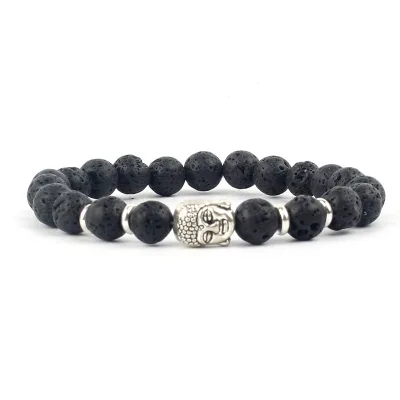
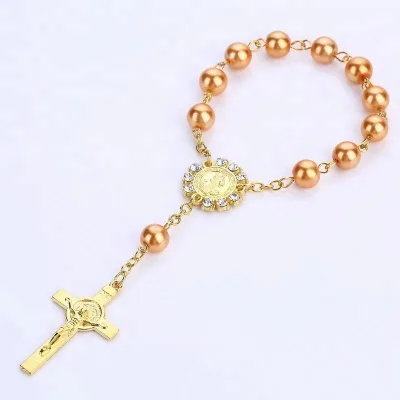
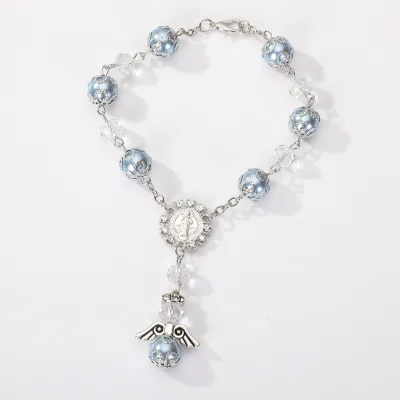
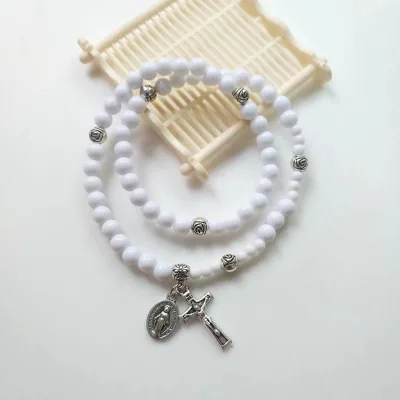
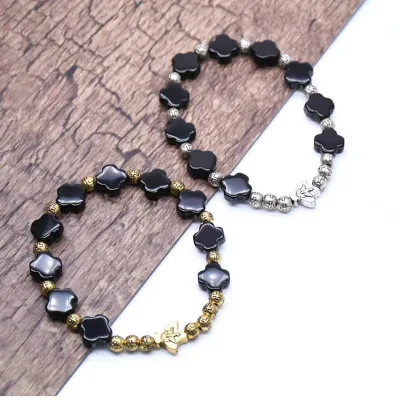
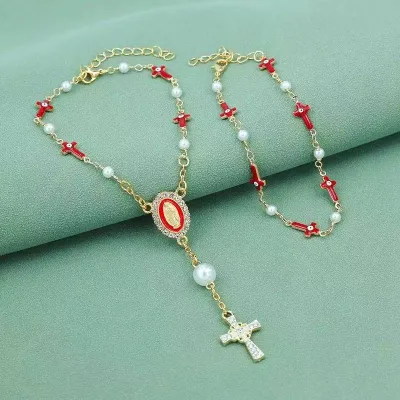
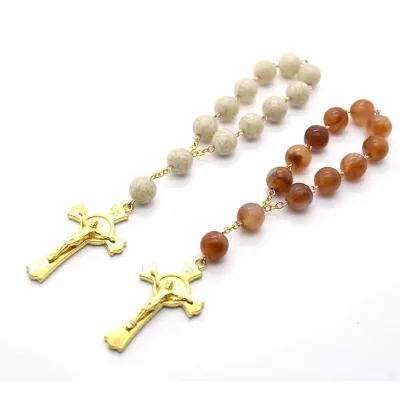
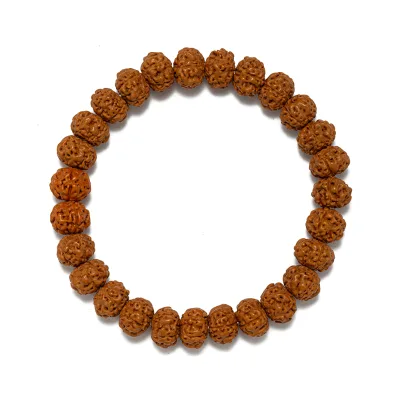
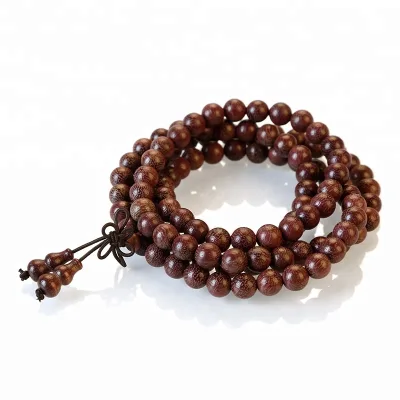

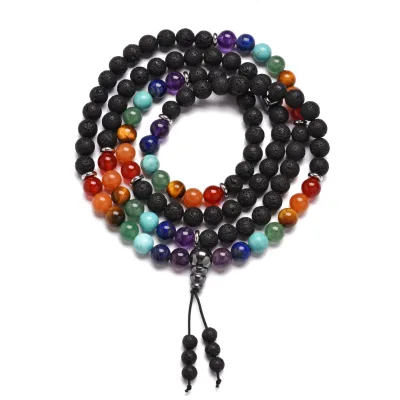
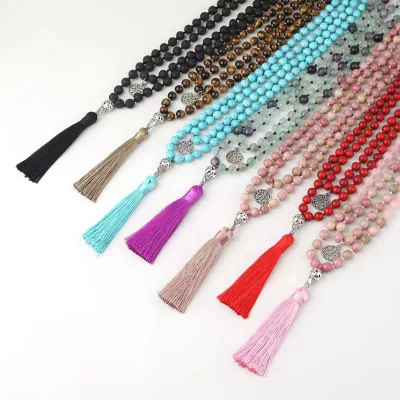
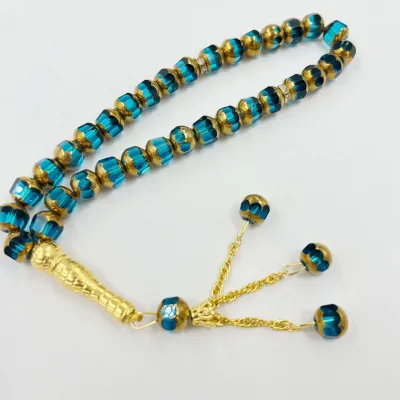
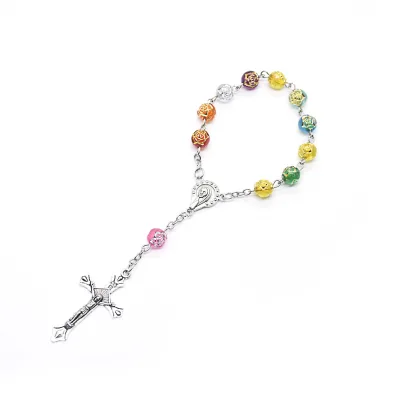
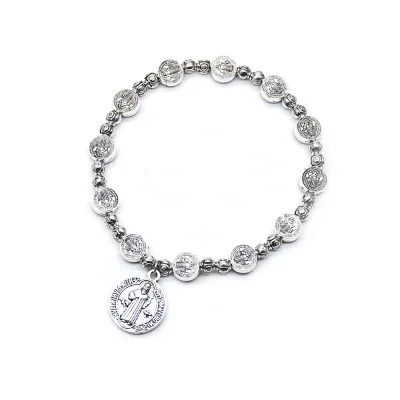
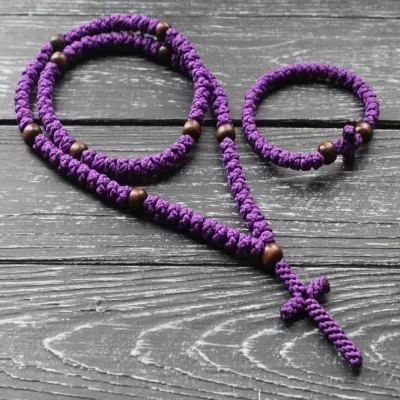


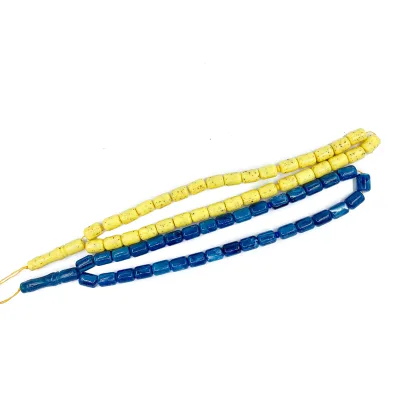


Comprehensive Sourcing Guide
Buddhism Prayer Bracelet Sourcing Guide
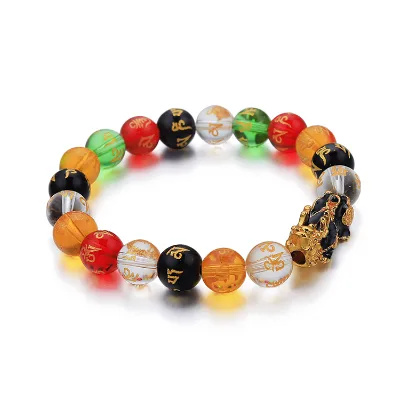
Sourcing authentic religious jewelry requires distinguishing between mass-produced fashion items and pieces intended for genuine spiritual practice. The available market data indicates a diverse range of offerings, including items explicitly labeled with "catholic" or "religious" designs alongside generic "fashion bracelet" descriptions. Buyers must carefully scrutinize product titles and attribute tags to ensure the item aligns with specific Buddhist traditions rather than general decorative trends.
Procurement decisions should prioritize suppliers who clearly define the spiritual intent and material composition of their inventory. While some listings feature "imitation pearl" or "wood" materials suitable for natural aesthetics, others utilize "zinc alloy" or "plastic" with "other" plating types. Verifying the specific design elements, such as "beaded" construction or "oval cut" stone settings, is essential to confirm the product meets the functional requirements of a prayer bracelet for meditation or ritual use.
Product Scope and Observed Listing Signals
The current market landscape for prayer bracelets reveals significant variation in material composition and design intent, ranging from "natural" wood styles to "zinc alloy" constructions with "plating" finishes. Buyers will encounter listings that specify "religious" or "catholic" designs, which may indicate a broader category of faith-based jewelry rather than strictly Buddhist artifacts. It is critical to verify that the "design" attribute matches the specific iconography required for the intended religious practice.
Listing signals also highlight diverse packaging and sizing standards that impact logistics and presentation. Observed data shows "carton" packing with varying single package sizes, such as 20x15x8 cm or 10x10x10 cm, and weights ranging from 0.050 kg to 0.150 kg per batch. These physical specifications suggest that bulk orders may require consolidated shipping strategies, and buyers should confirm whether the "selling units" are single items or multiples of six to align with inventory planning.
Technical Specifications to Verify
Technical verification must begin with the core material composition, as listings vary between "plastic," "wood," and "zinc alloy" with unspecified "other" material types. Buyers should explicitly request material certificates to confirm the absence of harmful substances, especially for items intended for prolonged skin contact during prayer rituals. The "jewelry main material" field often lacks specificity, requiring direct supplier confirmation to ensure the product meets safety and durability expectations for daily wear.
Dimensional consistency is another critical technical parameter, as observed data includes lengths ranging from 16 cm to 21 cm and 18 inches. The "bracelet or bangle type" is frequently listed as "beaded," yet the "diamond shape" attributes vary between "oval cut" and "princess cut," indicating potential confusion in product categorization. Procurement teams must validate the exact "length" and "shape" specifications against the intended wearer's measurements to prevent returns due to fit issues.
Compliance and Safety Documentation
Safety compliance for religious jewelry often hinges on the plating and metal content, particularly when "zinc alloy" is used with "other" plating types. Buyers should demand test reports verifying that the plating does not contain excessive levels of nickel or lead, which are common concerns in costume jewelry manufacturing. Without specific certification data in the provided listings, it is the buyer's responsibility to mandate third-party testing for heavy metals and skin irritants before finalizing any order.
Documentation regarding the origin of materials is equally important for ethical sourcing and consumer trust. While the "place of origin" is listed as Zhejiang, China, and the "product origin" as China, specific details about the supply chain for "imitation pearls" or "wood" components are often missing. Buyers should require suppliers to disclose the source of raw materials to ensure they are not violating international trade regulations or ethical labor standards associated with the extraction and processing of these components.
Cost Drivers and Commercial Terms
Cost structures for prayer bracelets are heavily influenced by the complexity of the "inlay technology" and the choice of "jewelry main material." Items featuring "claw setting" or specific "diamond shapes" may command higher prices due to the labor intensity involved in assembly, whereas simple "beaded" designs in "plastic" or "wood" typically offer lower unit costs. Buyers must analyze the relationship between the "gross weight" and the "selling units" to accurately calculate the landed cost per piece.
Commercial terms vary significantly based on the "MOQ" and "selling units" observed in the market, which range from 2 to 5000 units. Some suppliers offer "single item" sales, while others require purchases in "multiple of 6" or larger batches, impacting the initial capital outlay. Negotiating favorable payment terms and understanding the "lead time" implications of customizing the "design" or "color" options is essential for maintaining healthy cash flow during the procurement cycle.
Supplier Qualification and Quality Control
Supplier qualification should focus on their ability to maintain consistency in "customization" and "design" attributes across large production runs. Given the observed "brand name" variations, such as "Phonbon" or "SM," buyers must verify that the supplier has the capacity to produce under their own brand or strictly adhere to private label requirements without compromising quality. A robust quality control plan must address the potential for inconsistencies in "color" and "plating" finishes across different batches.
Quality control protocols must specifically target the structural integrity of "beaded bracelets" and the durability of "plating" on "zinc alloy" components. Inspections should verify that the "single gross weight" remains within the specified tolerance and that the "package size" accurately reflects the contents to prevent shipping discrepancies. Implementing a pre-shipment inspection that checks for loose beads, chipped plating, or incorrect "model number" labeling is vital to ensure the final product meets the buyer's standards.
Long-Term Procurement Checks
Long-term procurement success depends on establishing a reliable supply chain that can adapt to changing spiritual trends and material availability. Buyers should monitor the "product standard" and "model number" consistency to ensure that future orders match the initial samples in terms of "design" and "material type." Regular audits of the supplier's inventory management systems can help prevent stockouts of popular "color" options or specific "occasion" items like "gift" sets.
Continuous evaluation of supplier performance regarding "lead times" and "packaging" efficiency is necessary to maintain operational stability. As the market for religious jewelry evolves, buyers must remain vigilant about potential shifts in "material" sourcing, such as the availability of "wood" or "imitation pearl" components. Building a partnership based on transparent communication and shared quality standards will mitigate risks associated with supply chain disruptions and ensure a steady flow of compliant products.
FAQs
What materials are used for these bracelets?
The bracelets are primarily made from zinc alloy and plastic, with some variants featuring imitation pearls or wood. These materials provide a durable yet lightweight structure suitable for daily wear. The combination allows for intricate designs while maintaining affordability for bulk purchasing orders.
Can I customize the design of the bracelet?
Yes, customization is available for these items. Buyers can request specific modifications to suit their brand requirements. This flexibility allows for tailored designs, ensuring the final product aligns with your marketing strategy and customer preferences for religious or fashion accessories.
What is the minimum order quantity for these items?
The minimum order quantity ranges from 2 to 5000 units depending on the specific model. This flexible MOQ accommodates both small trial orders and large bulk purchases. Buyers should verify the exact MOQ for their selected model to ensure it meets their inventory needs.
How are the bracelets packaged for shipping?
The bracelets are packaged in cartons with a single package size of 20x15x8 cm. The gross weight per single item is 0.050 kg. For batch orders, the package size is 10x10x10 cm with a gross weight of 0.150 kg, ensuring safe transit.
Are these bracelets suitable for men and women?
Yes, the bracelets are designed as unisex accessories. They are suitable for both male and female wearers, making them versatile for various occasions. The design caters to a broad audience, allowing for inclusive marketing strategies and wider appeal in the global market.
What is the origin of these products?
These products originate from Zhejiang, China. The manufacturing location ensures access to established supply chains and production capabilities. Buyers can rely on the consistent quality and availability of goods sourced from this region, which is known for its jewelry manufacturing expertise.