Source Buddhism Cross Necklace for Gifts, Decor, and Religious Use
Compare 30 verified listings for the Buddhism Cross Necklace featuring options in stainless steel and alloy with gold or silver plating. Buyers can evaluate customization, MOQs, and shipping methods from suppliers in China.
Key considerations
Products List




Comprehensive Sourcing Guide
Strategic Sourcing Guide for Buddhism Cross Necklaces
Understanding Product Specifications and Variants
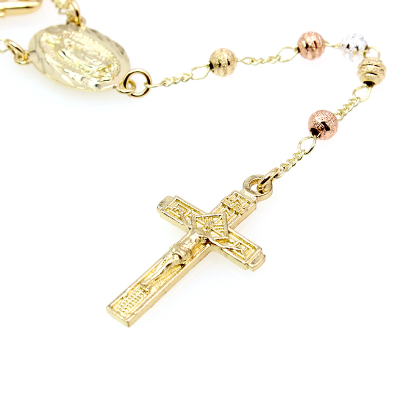
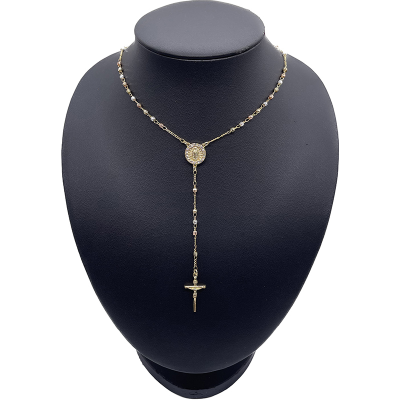
When sourcing a Buddhism Cross Necklace, buyers must first navigate the diverse technical specifications that define the product's physical and aesthetic characteristics. The market presents a wide array of options ranging from specific lengths to varied plating finishes. Observed data indicates that necklace lengths are not uniform; specific models are available in 45cm, 50cm, 55cm, 60cm, and even 60cm variations, with some custom models extending to 570mm in width specifications. This variability requires procurement teams to align length requirements with the intended demographic, as shorter chains often suit specific fashion trends while longer lengths may cater to layering styles or specific religious practices.
The material composition is a critical differentiator in this category. Sourcing data reveals the use of stainless steel, alloy, and gold plating, alongside silver plating options. Stainless steel is frequently cited for its durability and hypoallergenic properties, making it suitable for daily wear, while alloy components often allow for more intricate casting designs. The plating process is equally significant; gold and silver plating are standard offerings, with some products explicitly noting a "Nickel & Lead Free" standard to ensure safety. The pendant shape is predominantly cross-shaped, aligning with the core keyword, but the finish can vary between silver, gold, and specific color codes such as Y-7000 series or green finishes. Buyers should verify if the specific model they are interested in utilizes casting or other crafting techniques, as this impacts the detail and weight of the final piece.
Compliance, Certification, and Safety Standards
Ensuring regulatory compliance is paramount when importing jewelry, particularly items intended for health and religious usage. The supplied product facts highlight several critical standards that serve as benchmarks for quality assurance. A primary safety requirement observed is the "Nickel & Lead Free" standard, which is essential for preventing allergic reactions and meeting international safety regulations for wearable items. Additionally, specific product models reference certifications such as SGS and CE, which indicate that the manufacturing process adheres to specific safety and quality management protocols.
Buyers must verify that the supplier can provide documentation confirming these standards for every batch produced. While some listings mention "SGS, CE" as product standards, it is the buyer's responsibility to request the actual test reports to validate these claims. The "H 570MM Width30mm" specification suggests that dimensional tolerances are part of the standard definition, and deviations from these measurements could indicate a failure in quality control. Furthermore, the "6g" and "24.77g" weight specifications found in the data suggest that weight is a standardized metric for certain models, which can be used to verify material density and authenticity. When sourcing for markets with strict chemical regulations, such as the European Union or North America, confirming the absence of hazardous materials like lead and nickel is non-negotiable.
Cost Drivers and Pricing Dynamics
The pricing structure for Buddhism cross necklaces is influenced by a complex interplay of material costs, plating thickness, and order volume. The observed price range in the market spans from $0.85 to $20.31 USD, a significant variance that reflects differences in material quality and production complexity. Stainless steel and gold-plated items generally command higher price points compared to basic alloy options, particularly when the plating is guaranteed to be fade-proof for 1-2 years. The "1-2 Fade-Proof Warranty" is a key value driver; products offering this warranty typically involve higher-quality electroplating processes, which increase the unit cost but reduce long-term replacement risks for the buyer.
Order volume plays a decisive role in the final landed cost. The Minimum Order Quantity (MOQ) varies significantly, with observed ranges from 1 to 120 units, though a common standard for jewelry necklaces is set at 100 pieces per model. Suppliers offering an MOQ of 100 pieces often provide better per-unit pricing compared to those allowing smaller trial orders. However, for buyers testing the market, suppliers with lower MOQs or those accepting custom orders on a smaller scale may be necessary, even if the unit price is higher. The customization options, including logo services and OEM/ODM capabilities, also add to the cost. Custom designs require additional tooling and setup time, which are factored into the unit price. Buyers should calculate the total cost of ownership, including shipping via carriers like DHL, UPS, FedEx, or EMS, as these logistics costs can significantly impact the overall budget, especially for smaller orders.
Typical Applications and Target Demographics
The versatility of the Buddhism Cross Necklace allows it to serve multiple applications, ranging from personal religious devotion to fashion accessories. The product attributes explicitly list "Health," "Decoration," and "Religious" as usage categories. This triad of usage suggests that the product is marketed not just as a piece of jewelry but as a spiritual tool or a health-related accessory, which may appeal to specific consumer segments. The "Cute" and "Fashion" design styles indicate that these items are also targeted at younger demographics or those seeking trendy accessories that incorporate religious symbolism.
The target audience is diverse, with specific mentions of suitability for "Female" and "Elderly" consumers. This suggests that the product line includes designs that cater to different aesthetic preferences and physical needs. For instance, the elderly demographic might prefer simpler, durable designs with secure clasps, while the female fashion market might prioritize intricate cross shapes and trendy color variations like the Y-7000 series. The "Independent Packaging" and "OPP Bag" options highlight the importance of presentation, making these items suitable for gifting. The ability to customize logos further expands the application to corporate gifts, promotional items, or religious organization merchandise. Understanding these distinct applications helps buyers segment their inventory and tailor their marketing strategies to specific customer groups.
Supplier Evaluation and Operational Capabilities
Selecting the right supplier requires a thorough evaluation of their operational capabilities, location, and service offerings. The sourcing data indicates that manufacturers are located in key production hubs such as Shen Zhen, Yiwu Zhejiang, and generally across China. These regions are known for their established jewelry supply chains, but buyers must verify the specific factory capabilities. A critical factor is the supplier's willingness to accept OEM and ODM requests, which is explicitly welcomed in the provided facts. This flexibility allows buyers to create unique products that differentiate them from competitors.
Lead times are another crucial operational metric. The observed delivery time ranges from 7 to 15 days, which is relatively fast for custom manufacturing. However, buyers should confirm if this timeline applies to standard stock items or if custom orders require additional time. The availability of logo services and the acceptance of customization (marked as "Accept" and "Offered") are strong indicators of a supplier's adaptability. Additionally, the shipping methods available, including DHL, UPS, FedEx, and EMS, provide buyers with options to balance speed and cost. When evaluating suppliers, buyers should also check for consistency in product models, such as HDX20081201, AVA1457, and P30804, to ensure the supplier has a stable production line capable of meeting ongoing demand.
Quality Control and Long-Term Procurement Strategy
Maintaining high quality standards is essential for long-term success in the jewelry market. The "1-2 Fade-Proof Warranty" is a significant quality indicator, but it must be backed by rigorous quality control processes. Buyers should implement a pre-shipment inspection protocol to verify that the plating, dimensions, and material composition match the agreed specifications. The "Oxidize?: No" attribute suggests that the supplier claims resistance to oxidation, but this should be validated through independent testing or sample analysis. Consistency in weight, such as the 6g or 24.77g standards, is also a key quality metric that can be used to detect variations in material density or plating thickness.
For long-term procurement, building a relationship with a supplier who offers consistent quality and reliable lead times is vital. The "Customization: Available" and "OEM&ODM: Welcomed" attributes suggest that suppliers are open to long-term partnerships. Buyers should consider the scalability of the supplier's production capacity, especially if they plan to increase order volumes beyond the initial MOQ of 100 pieces. The "Independent Packaging" option is also a strategic advantage, as it reduces the need for secondary packaging and streamlines the supply chain. Finally, buyers should monitor the market for changes in material costs and shipping rates, as these factors can impact the profitability of the product line over time. By focusing on suppliers who prioritize quality, compliance, and flexibility, buyers can ensure a sustainable and profitable sourcing strategy for Buddhism cross necklaces.
Comparative Analysis of Product Attributes
To facilitate decision-making, the following table summarizes key product attributes observed in the market, highlighting the variations that buyers should consider during the sourcing process.
| Attribute Category | Specific Options Observed | Sourcing Implication |
|---|---|---|
| Material | Stainless Steel, Alloy | Stainless steel offers higher durability; Alloy allows for intricate casting. |
| Plating | Gold, Silver | Gold plating often commands a higher price; Silver is a popular alternative. |
| Length | 45cm, 50cm, 55cm, 60cm, 570mm width | Length must match target demographic; 60cm is common for layering. |
| MOQ | 1, 100, 120 units | 100 units is a standard threshold; lower MOQs increase unit cost. |
| Certification | Nickel & Lead Free, SGS, CE | Essential for compliance; verify actual test reports before ordering. |
| Warranty | 1-2 Fade-Proof Warranty | Indicates higher plating quality; reduces long-term return risks. |
| Packaging | OPP Bag, Independent Packaging | Independent packaging is better for retail; OPP is cost-effective for bulk. |
| Origin | Shen Zhen, Yiwu Zhejiang, China | Regional hubs offer different supply chain efficiencies and cost structures. |
| Customization | Logo Service, OEM/ODM | Enables brand differentiation; requires higher MOQ or setup fees. |
| Usage | Health, Decoration, Religious | Determines marketing angle; religious usage requires specific design sensitivity. |
This comparative overview underscores the need for buyers to carefully align their specific requirements with the available product attributes. By understanding the nuances of material, plating, and certification, buyers can make informed decisions that balance cost, quality, and market demand. The diversity of options ensures that there is a suitable product for various segments, from mass-market fashion to specialized religious gifts.
FAQs
What materials are used for these necklaces?
These necklaces are primarily made from stainless steel or alloy. Stainless steel offers durability and hypoallergenic properties, while alloy allows for intricate casting designs suitable for religious or decorative purposes.
Which certifications ensure safety for these products?
Many models meet Nickel and Lead Free standards to prevent allergic reactions. Some specific product lines also carry SGS and CE certifications, indicating adherence to international safety and quality management protocols.
Can I customize the logo on these necklaces?
Yes, logo services are offered and customization is accepted for these items. Buyers can request OEM and ODM services, though this may involve additional setup costs and specific minimum order quantities.
What is the typical delivery time for orders?
The standard delivery time ranges from 7 to 15 days for production. This timeline applies to manufacturing and may vary depending on the complexity of customization or the specific shipping method selected.
Which plating options are available for these necklaces?
Gold and silver plating are standard options available for these jewelry items. Some products feature a 1-2 fade-proof warranty, ensuring the plating quality remains intact during daily wear.
What are the standard length specifications for these items?
Common lengths include 45cm, 50cm, 55cm, and 60cm to suit different styles. Some models also feature custom sizes or specific width specifications like 570mm width by 30mm.
What is the minimum order quantity for these necklaces?
The standard minimum order quantity is typically 100 pieces per model. However, some suppliers may accept orders as low as one unit, though this often results in a higher per-unit price.